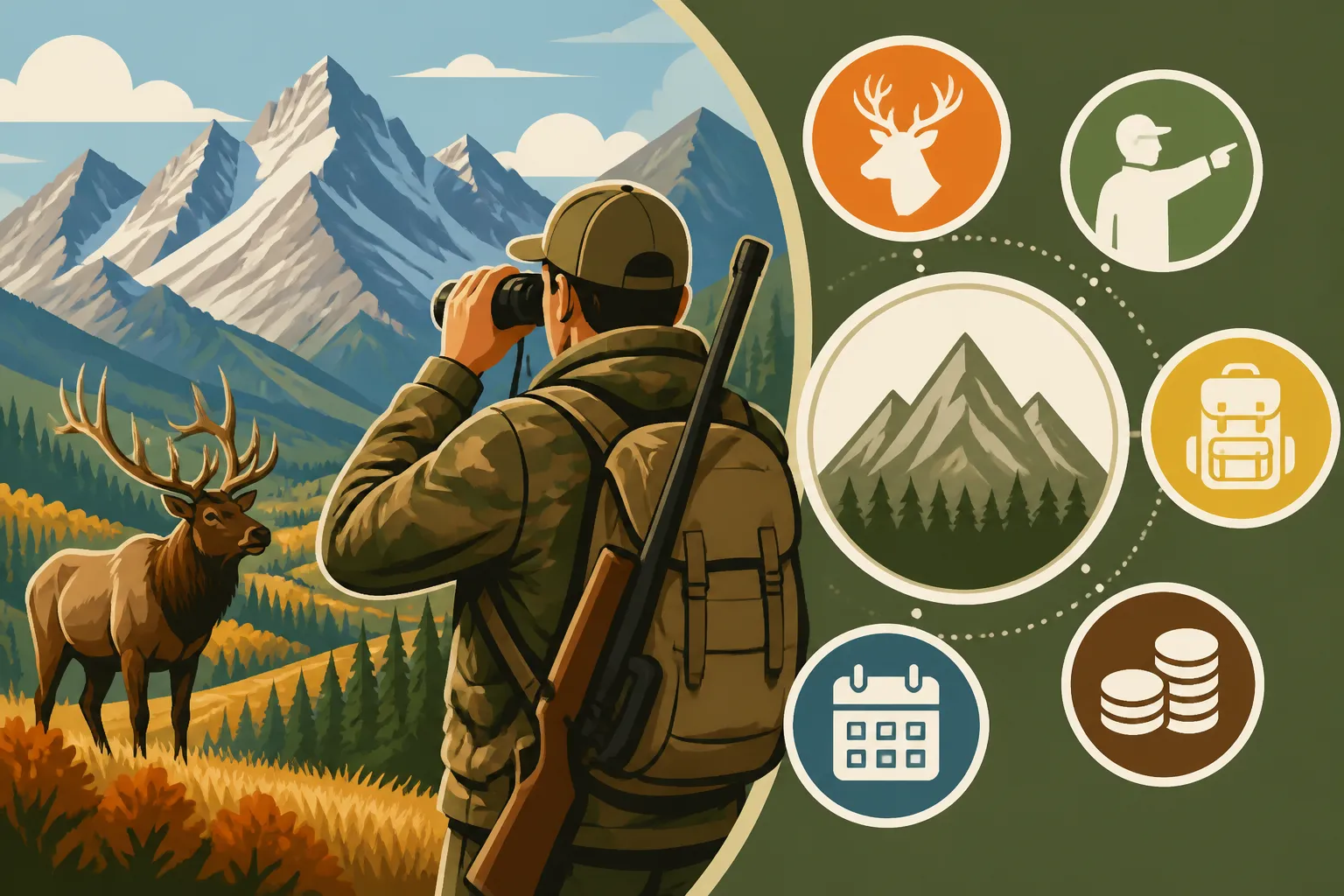
What Affects Colorado Guided Hunt Cost
Thinking about a guided hunt in Colorado can be thrilling, but let's be honest, the first question that pops into most folks' heads (right after "Where can I find an elk?") is usually, "How much is this going to cost me?" It’s a completely valid concern, and it can feel like you’re trying to navigate a maze of prices, packages, and hidden fees. This guide is here to unravel that mystery, breaking down all the elements that contribute to the final price tag of a Colorado guided hunting adventure, so you can plan your budget with confidence and avoid any unwelcome surprises.
Understanding the Core Components of a Guided Hunt Cost
When you're looking at a guided hunt in Colorado, it's not just a single price for a single service. It's an intricate tapestry woven from various factors, each playing a significant role in the overall expenditure. Think of it less like buying a car and more like building one—every component adds to the final product.
Species Being Hunted
The type of animal you're pursuing in Colorado is arguably the most significant determinant of your hunt's cost. This isn't just about the size of the animal; it's about demand, tag availability, and the specific challenges associated with hunting that particular species.
Hunting elk, for instance, generally falls into a mid-to-high price range. Elk are abundant in Colorado, and while they can be challenging, many outfitters offer guided elk hunts, which keeps the market somewhat competitive. Whether you're chasing bugling bulls during the rut or trying to fill your freezer with a cow, the guided price will vary based on the specifics. On the other hand, going after an iconic Colorado mule deer, especially a trophy buck, often commands a higher price tag than a standard elk hunt due to the specific knowledge required to locate and stalk these elusive animals in the rugged Colorado terrain. The demand for trophy mule deer hunts, combined with more limited access to prime units, pushes prices upward.
Then you have species like bighorn sheep and mountain goats. These are the "holy grail" hunts for many, and their costs reflect their extreme rarity and the difficulty in drawing tags. These hunts are almost exclusively draw-only, requiring many years of preference points and substantial luck. When you do draw, the guided services are highly specialized, often involving extreme backcountry travel, specialized equipment, and guides with decades of experience in the most remote, high-altitude environments. This combination drives their costs into the realm of truly premium experiences. Pronghorn, found mostly on the Eastern Plains, typically represent a more accessible and often less expensive guided hunt option, mainly because they inhabit more open, accessible terrain and tags are generally easier to come by. Similarly, Colorado black bear hunts, especially those offered as a combo with deer or elk, can be a more budget-friendly addition or standalone option compared to the big-ticket species.
Duration and Type of Hunt
The length of your hunt and the level of service you choose profoundly impact the cost. More days in the field mean more resources, more guide time, and ultimately, a higher price.
A typical guided elk hunt might range from 5 to 7 days, allowing ample time for scouting, travel, and multiple hunting opportunities. Shorter, 3-day hunts might be available, often targeting cow elk or as a quick weekend getaway, but they reduce your chances of success and therefore might not be the most economical choice in the long run if your primary goal is to harvest an animal. Conversely, some outfitters offer extended 10-day hunts, particularly for those seeking a true wilderness experience or targeting a specific trophy, and these will naturally come with a significantly higher price. Beyond the duration, the type of hunt dictates much of the cost. A fully guided hunt is generally the most expensive option, as it includes a dedicated guide (often 1-on-1 or 2-on-1 hunter-to-guide ratio), all meals, lodging, and often transportation within the hunting area. This hands-off approach allows you to focus solely on the hunt.
A semi-guided hunt typically offers less hands-on assistance. The outfitter might provide a camp, meals, and advice on areas to hunt, but you'll be doing much of the actual hunting, stalking, and packing out yourself. This can be a great middle-ground for experienced hunters who want some logistical support without the full cost of a dedicated guide. For those truly looking to cut costs, a drop camp is an even more minimalist option. Here, the outfitter provides pack-in/pack-out services to a remote, pre-set camp (tent, cooking gear, etc.), but after that, you're entirely on your own for hunting, cooking, and navigating. This is popular for experienced backcountry hunters looking for a remote experience without the hassle of packing in their entire camp with horses or their own two feet. Choosing how to Pack Into the Colorado Backcountry is a crucial decision for these types of hunts.
Inclusions and Exclusions
Understanding exactly what's covered in your guided hunt package is critical for comparing prices and avoiding sticker shock. Not all "all-inclusive" packages are truly all-inclusive.
Most reputable outfitters will clearly outline what's included. This usually covers meals (from hearty camp breakfasts to trail lunches and delicious dinners), lodging (whether it’s a wall tent, cabin, or lodge), and guide services. Some might include transportation from a local airport to the camp, or transport around the hunting unit, such as ATV or horseback travel. For example, a horseback pack-in hunt into the Flat Tops Wilderness might include horses for you and your gear, a wrangler, and a cook, making it a truly immersive, albeit pricier, experience. However, rarely does a base price include your hunting license and tags, meat processing, taxidermy, or the essential gear you need. These are almost always additional costs.
It's paramount to ask for a detailed breakdown when comparing outfitters. Does "lodging" mean a cot in a shared wall tent, or a private room in a lodge with hot showers? Are non-alcoholic beverages included, or do you need to bring your own? Does the outfitter assist with field dressing and packing out your animal, or is that primarily your responsibility, even on a fully guided hunt? Some outfitters, particularly those catering to higher-end clients, might include things like a caping service for your trophy in the field, or even initial transport of your meat to a local processor. Always read the fine print and clarify any ambiguities.
Key Factors Driving Price Fluctuations
Beyond the basics, several dynamic elements can significantly shift the cost of your Colorado guided hunt. These often relate to the outfitter's operational expenses, the desirability of the hunt, and the regulatory landscape.
Outfitter Reputation and Experience
Just like in any industry, experience and a proven track record command a higher price. This isn't just about a name; it's about consistent success, ethical practices, and often, exclusive access.
Outfitters who have been operating for decades, consistently producing satisfied clients and high success rates, naturally charge more. Their guides are often seasoned veterans, intimately familiar with specific hunting units, elk behavior, and the subtle nuances of hunting in diverse Colorado landscapes. This expertise translates into a higher probability of success and a more enjoyable, safer experience for the hunter. A newer outfitter might offer a slightly lower price to build their clientele and reputation, but you might be taking a greater risk on success or the overall experience. Companies like BookYourHunt can be a great resource for reading reviews and comparing outfitters, giving you an idea of their standing in the industry.
Consider the "trophy potential" aspect. Outfitters known for consistently guiding clients to large, record-book animals will have a premium attached to their services. This is especially true for hunts in specific GMUs known for their trophy quality, which often require significant preference points to draw. These outfitters invest heavily in scouting, managing herd populations (if on private land), and employing top-tier guides who specialize in judging animals in the field. This level of specialization and the increased odds of tagging a truly exceptional animal justify the higher price point. If you’re interested in specific strategies, understanding something like Colorado Elk Hunting Methods Explained can help you appreciate the depth of knowledge a top guide brings.
Location and Accessibility
Where you hunt in Colorado can dramatically affect the cost, largely due to logistical challenges and the inherent quality of the hunting experience.
Hunting in remote backcountry wilderness areas, like the Maroon Bells-Snowmass Wilderness or sections of the San Juan Mountains, is generally more expensive. These hunts often require pack-in services with horses or mules, extensive gear, and guides who are proficient in navigating challenging terrain and unpredictable weather. The logistics of supplying a camp deep in the wilderness – from food to water filters to emergency equipment – add considerable overhead. Such hunts are physically demanding and appeal to a specific type of hunter seeking a true wilderness adventure, often with less hunting pressure. Outfitters running these trips typically have specialized permits and equipment to operate in these pristine areas.
Conversely, hunts conducted in more accessible areas, especially those on private ranches or public land with good road access, might be less expensive due to reduced logistical costs. However, "less expensive" here is relative. A private ranch hunt, while easier to access, might carry a premium due to the exclusive hunting rights and potentially higher quality animals resulting from active game management. The balance between accessibility, remoteness, and game quality is a constant factor in pricing. When you're thinking about a Colorado Backcountry Hunting Guide, remember that the remote nature usually means a higher price.
Private Land vs. Public Land Access
The land you hunt on—public or private—is a huge cost differentiator, primarily due to issues of access, herd management, and tag availability.
Private land hunts generally come with a higher price tag because outfitters often pay significant leasing fees to landowners for exclusive hunting rights. This private access can mean lower hunter pressure, more consistent game populations, and often, the opportunity to hunt properties with excellent habitat that produces larger animals. For non-residents, these hunts can sometimes offer an easier route to securing a tag if the outfitter also provides landowner vouchers, bypassing the competitive Colorado draw system. These vouchers essentially "guarantee" you a tag for a specific unit and species, but they are an additional, often substantial, cost on top of the hunt itself.
Public land hunts, while potentially more affordable in terms of access fees (since there are none directly), can still be expensive when guided. Outfitters on public land often focus on specific GMUs (Game Management Units) known for good public access and healthy game populations. However, public land means more competition from other hunters, requiring guides to work harder, cover more ground, and employ more strategic tactics. Guides often spend countless hours e-scouting with tools like GoHunt, and physically scouting public land to locate animals and escape pressure. While the land itself is free, the expertise and effort required to consistently find game on public land justify a significant guiding fee. Understanding Colorado OTC Elk Tags Explained is key, as these Over-The-Counter tags are almost exclusively for public land.
Season and Timing
The time of year you choose to hunt in Colorado is another major cost driver, dictated by animal behavior and hunter demand.
The elk rut, typically in late September and early October, is prime time for archery and muzzleloader hunters. This is when bulls are most vocal and active, making for exciting, high-action hunts. The demand for guided hunts during the rut is incredibly high, and prices reflect this peak desirability. Outfitters can charge a premium because their services are in such high demand. If you're looking for a Colorado Archery Elk Hunting Guide, expect the rut period to be the most expensive.
Similarly, the early rifle seasons, especially the 1st and 2nd seasons, often coincide with good weather and active elk, leading to higher prices. As the seasons progress into the colder, later rifle seasons (3rd and 4th), prices might slightly decrease, although these hunts can still be very productive, especially during migration patterns or cold fronts that push animals to lower elevations. Factors like favorable moon phases, anticipated weather patterns, and historical success rates for a particular week can also subtly influence pricing from one outfitter to another. If you're targeting a Colorado Muzzleloader Hunting Guide, these seasons also tend to fall during or very near the rut, commanding similar pricing as archery.
Additional Expenses and Hidden Costs to Consider
Even after you've factored in the core hunt price, there are often several other costs that can quickly add up. Overlooking these can lead to serious budget overruns, so it’s essential to account for them upfront.
License and Tag Fees
This is almost always an additional cost, and for non-residents, it can be substantial. Colorado has a complex system, and understanding the fees is paramount.
A non-resident elk license in Colorado can cost upwards of $700-$800, with mule deer tags in a similar range. Pronghorn tags are a bit less, typically in the $400 range. These are not "hidden" fees by any means, as they are clearly stated by Colorado Parks and Wildlife (CPW), but they are an additional cost on top of the outfitter’s fee. For resident hunters, the fees are significantly lower, usually under $100 for an elk tag. You'll also need a Colorado Habitat Stamp, which is typically around $12-$15 annually. Some specialized tags, particularly for trophy units or landowner vouchers, can add hundreds, even thousands, to your overall tag cost. If you're a non-resident, factor in about $800-$1000 for your license and any necessary stamps. Understanding Colorado Hunting License Costs is a deep dive in itself.
It's also important to remember the draw system. Many desirable elk and deer tags are only available through a limited draw, requiring you to apply months in advance, usually in April. While you pay a fee to apply, you don't pay the full tag cost until you successfully draw. Over-The-Counter (OTC) tags are available for certain elk seasons (primarily archery and 2nd/3rd rifle seasons for bull elk in specific units), which removes the uncertainty of the draw but still requires you to purchase the license. For mule deer, almost all tags are draw-only.
Travel and Logistics
Getting yourself and your gear to Colorado, and then to your outfitter's camp, can add significantly to your overall budget.
This category includes everything from airfare to rental cars. If you're flying into Denver International Airport (DIA), you'll likely need to rent a vehicle to drive to your outfitter’s meeting point, which could be several hours away in places like Steamboat Springs, Gunnison, or Meeker. Consider fuel costs, especially if you plan to do any sightseeing or extra driving before or after your hunt. If your outfitter provides transport from a local hub like the Grand Junction Regional Airport, clarify if that’s an added cost or included in your package.
For backcountry or wilderness hunts, there might be additional costs for specialized transport like an ATV shuttle to a trailhead or charter flights into extremely remote airstrips. The cost of shipping your rifle or bow if you're flying, or the extra baggage fees for heavy gear, also needs to be considered. If you're driving your own vehicle, factor in wear and tear, gas, and any overnight stays on the way.
Gear and Equipment
While you might already own most of your hunting gear, a Colorado hunt, especially in the high country, often demands specialized equipment that can add up quickly.
We're talking about durable, layered clothing systems designed for extreme temperature fluctuations, high-quality waterproof boots for navigating rough terrain, and reliable optics like binoculars and spotting scopes to glass vast landscapes. A good quality hunting backpack, suitable for carrying daily essentials and potentially quartered meat, is essential. Specialized gear like trekking poles for steep ascents and descents, a reliable headlamp, and a first-aid kit are also must-haves. If you're planning a serious backcountry hunt, you might need a more robust sleep system, a lightweight tent, and a portable water filtration system. Items like game bags, a good knife, and a sharpening tool are also critical. While you can borrow or rent some items, investing in quality gear improves comfort, safety, and ultimately, your hunting experience. Check out our guide on Best Backpack for a Colorado Elk Hunt for detailed recommendations.
Many hunters already own a suitable rifle or bow, but ensuring it's sighted in correctly for mountain hunting conditions is crucial. Long-range shooting considerations, especially for mule deer or pronghorn, might necessitate a rangefinder or ballistic calculator. This isn't just about initial purchase but also about maintenance, ammunition, and practice.
Tips and Gratuities
Tipping your guide, cook, and any wranglers or camp staff is a customary and expected part of a guided hunt, and it's essential to budget for it.
Industry standards for guide tips typically range from 10% to 20% of the total hunt cost. For a $5,000 elk hunt, that could mean an additional $500 to $1,000 for your guide alone. If there’s a dedicated cook, wrangler, or other camp staff, they also typically receive a separate tip, often $50-$100 per staff member, per day. These individuals work incredibly hard, often from before dawn until well after dark, in challenging conditions, to ensure your hunt is successful and comfortable. Their income often relies significantly on these gratuities.
Always clarify with your outfitter their specific recommendations for tipping. Some outfitters might include a suggested tipping structure in their pre-hunt information. It's a way to show appreciation for their dedication, hard work, and the countless hours they put in to make your dream hunt a reality.
Meat Processing and Taxidermy
Harvesting an animal is the goal, but getting that meat home and preserving your trophy are additional, often overlooked, expenses.
After a successful hunt, your animal will need to be field dressed and potentially quartered. Your outfitter will often assist with this, especially on fully guided hunts, but getting it to a processor is usually your responsibility. There are numerous reputable meat processors throughout Colorado, often located in towns near popular hunting units like Meeker, Craig, or Gunnison. Processing an elk can cost anywhere from $300 to $700, depending on the services (basic cuts, sausage, jerky) and the weight of the animal. Deer and pronghorn processing will be less, typically $150-$300. You'll also need coolers and ice to transport the processed meat home, or arrange for shipping. Learning How to Pack Out an Elk in Colorado is important, as some outfitters will assist with this, but the final haul to a processor is often on you.
If you’re fortunate enough to take a trophy animal, taxidermy is another significant expense. A shoulder mount for an elk can range from $1,500 to $3,000+, with deer mounts typically running $800 to $1,500. Skull mounts (European mounts) are a more affordable option, usually $200-$400. Factor in the cost of initial caping, potential shipping to your taxidermist, and the long wait times (often 12-24 months) for your finished mount.
Here's a simplified table illustrating potential costs for different types of guided hunts in Colorado, keeping in mind these are averages and can fluctuate wildly based on specific outfitter, inclusions, and market conditions:
| Hunt Type / Species | Duration (Days) | Guide Ratio | Estimated Outfitter Cost (Base) | Non-Resident Tag & Stamp | Tips (15%) | Processing & Taxidermy (Elk Mount) | Total Est. Cost (Low End) | Total Est. Cost (High End) |
|---|---|---|---|---|---|---|---|---|
| Fully Guided Elk (Rifle/Archery) | 5-7 | 1:1 or 2:1 | $5,000 – $8,000 | $800 | $750 | $1,800 | $8,350 | $11,600 |
| Semi-Guided Elk | 5-7 | 1:X (Camp) | $3,000 – $5,000 | $800 | $450 | $1,800 | $6,050 | $8,050 |
| Drop Camp Elk | 7-10 | Self-Guided | $2,000 – $3,500 | $800 | $300 | $1,800 | $4,900 | $6,400 |
| Guided Mule Deer | 5-7 | 1:1 or 2:1 | $4,500 – $7,500 | $500 | $675 | $1,000 (Mule Deer Mount) | $6,675 | $9,675 |
| Guided Pronghorn | 2-3 | 1:1 or 2:1 | $2,500 – $4,000 | $400 | $375 | $600 (Skull Mount) | $3,875 | $5,375 |
| Guided Black Bear | 3-5 | 1:1 or 2:1 | $3,000 – $5,000 | $500 | $450 | $800 (Bear Rug/Skull) | $4,750 | $6,750 |
Note: This table does not include personal gear, travel to Colorado, alcohol, or other miscellaneous personal expenses.
Ultimately, a guided hunt in Colorado is an investment, not just in the potential to harvest an animal, but in an unforgettable experience in some of the most stunning wilderness on earth. By understanding all the variables, you can make an informed decision that aligns with your budget and your hunting aspirations. Happy hunting!
Disclaimer
Please remember that hunting regulations, license costs, and outfitter pricing can change annually. Always verify current information with Colorado Parks and Wildlife (CPW) and your chosen outfitter before making any financial commitments or travel plans. This guide is for informational purposes only and does not constitute official advice.