What a Fully Guided Colorado Hunt Includes
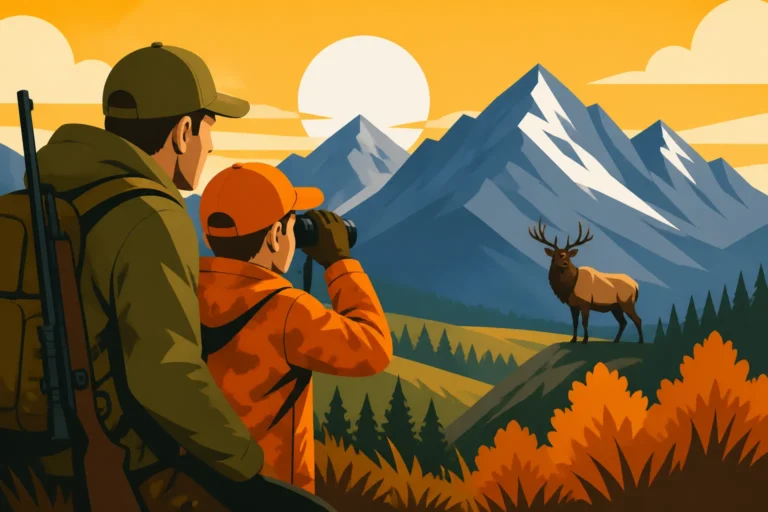
The sheer thought of planning a Colorado elk hunt can be incredibly overwhelming. From deciphering complex draw odds and regulations to figuring out logistics like food, gear, and navigating vast public lands, it’s enough to make even seasoned hunters scratch their heads. For those feeling the pressure of making the most of a precious tag, understanding what a fully guided hunt truly offers can be a game-changer, simplifying the entire experience and allowing you to focus on the thrill of the chase.
Unpacking the All-Inclusive Experience: What "Fully Guided" Really Means
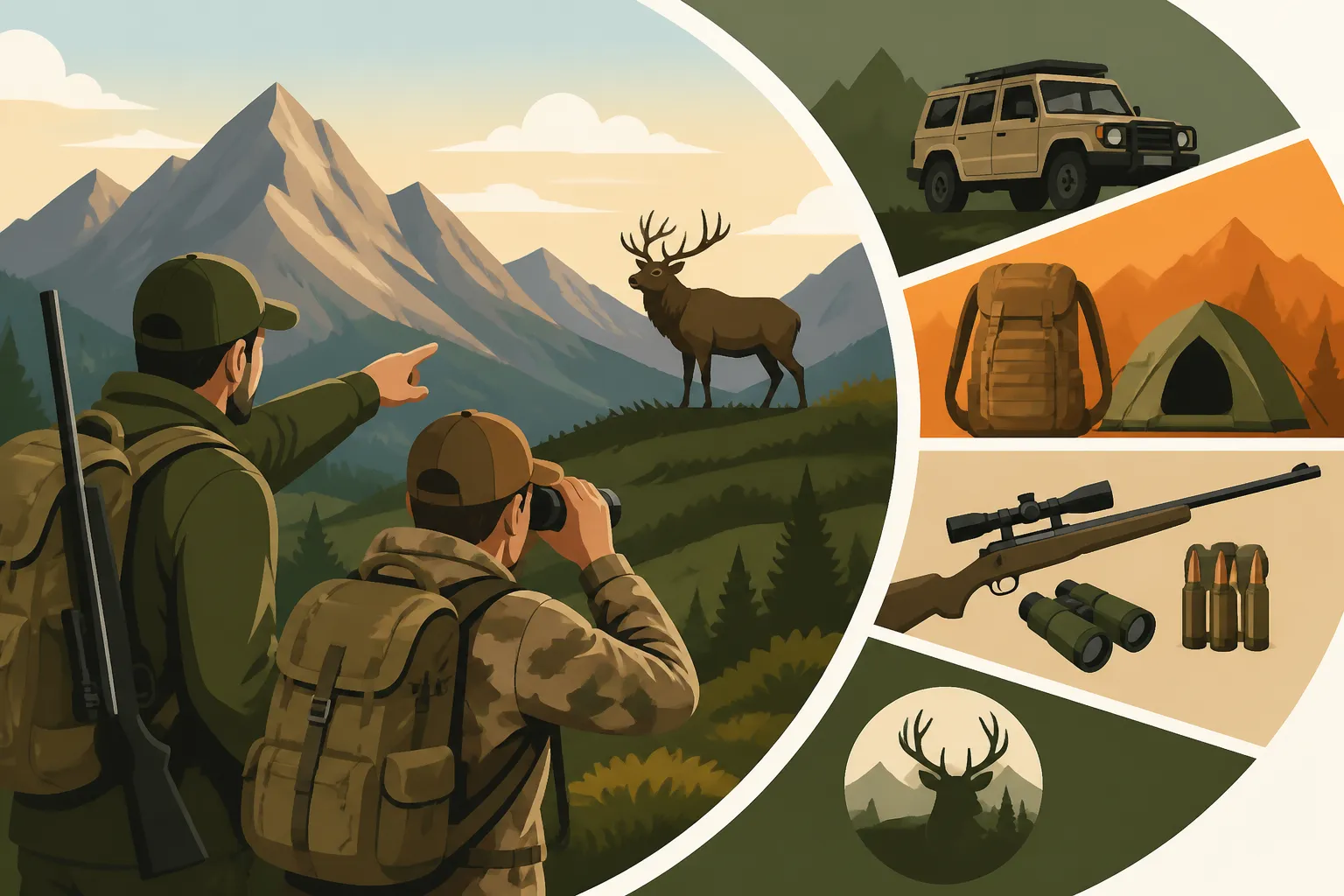
When you hear "fully guided hunt" in Colorado, it's not just about having someone point you in the right direction. It's about a comprehensive, immersive experience where a professional outfitter handles almost every single detail, leaving you free to immerse yourself in the mountain environment and the hunt itself. This distinction is crucial, especially for non-residents or those new to the challenges of Western hunting, where the terrain, weather, and game behavior can be drastically different from what you might be used to. It's more than just a guide; it's a meticulously planned adventure.
Pre-Hunt Planning and Essential Logistics Handled For You
The groundwork for a successful hunt often begins months, sometimes even a year, before you ever set foot in the Colorado mountains. This administrative heavy lifting is where a fully guided service truly shines, alleviating the stress and guesswork that can bog down a DIY hunter.
Navigating Licenses, Tags, and Draw Systems
One of the biggest hurdles for anyone planning to hunt Colorado, especially for species like elk or mule deer, is navigating the state's complex draw system and understanding how to acquire the right tags. Colorado Parks and Wildlife (CPW) offers a variety of tags, from over-the-counter (OTC) options to highly sought-after draw tags that require preference points. A reputable outfitter will often assist clients with this intricate process.
They can advise you on the best hunt codes to apply for, based on your desired trophy quality, season preference, and the number of preference points you might have accumulated. They often guide clients through the online application process or provide clear, step-by-step instructions. For those without many preference points, an outfitter might recommend strategy for Colorado OTC Elk Tags Explained or even offer a hunt on private land where landowner tags or vouchers might be available, completely bypassing the public land draw system. This expertise can save you countless hours of research and minimize the chance of errors that could jeopardize your hunt. Many outfitters also have units where they consistently draw tags, providing insights into Colorado Elk Draw Odds by Unit.
Gear Consultation and Packing Lists
The mountains of Colorado demand specific gear. Pack too little, and you could be dangerously cold or wet. Pack too much, and you'll be miserable hiking through steep terrain. A fully guided outfitter provides invaluable guidance on what to bring and, just as importantly, what not to bring.
They’ll typically send you a detailed packing list tailored to the season (archery, muzzleloader, or rifle) and the specific terrain you'll be hunting. This list will often go beyond the basics, including recommendations for layering systems suitable for the drastic temperature swings in high-altitude environments, durable boots for rugged terrain, and appropriate optics for spotting game at long distances. They can suggest specific brands or types of gear known to perform well in Colorado conditions. For instance, they might advise on the critical importance of a quality backpack for packing out meat or a reliable sleeping bag for cold backcountry nights. They might even have a list of essential items like a good headlamp, a first-aid kit, and water purification tablets. This personalized advice helps prevent costly mistakes and ensures you're adequately prepared for the physical and environmental demands of the hunt. Understanding the best options can be further explored in guides like Colorado Backcountry Hunting Gear List or Best Backpack for a Colorado Elk Hunt.
Physical Preparation Guidance
Colorado hunting is not for the faint of heart; it requires a significant level of physical fitness, especially when pursuing elk in challenging mountainous terrain. While an outfitter won't train for you, a fully guided service often provides comprehensive advice and resources to help you get into shape.
They might offer suggested workout routines, emphasize cardiovascular endurance, strength training, and even offer tips on acclimating to high altitudes, which can significantly impact your performance and well-being. Knowing you'll be hiking thousands of vertical feet daily in thin air, a good outfitter stresses the importance of preparing your body. They may share anecdotes from past clients or point you to specialized training plans designed for mountain hunters, such as those found in Colorado Elk Hunt Fitness Plan or Altitude Training for Colorado Hunting. This proactive guidance helps ensure you arrive physically ready, maximizing your enjoyment and success in the field.
The Immersive In-Field Experience: Beyond Just Finding Game
Once the pre-hunt planning is done, the core of a fully guided hunt takes over: the actual time spent in the field. This is where the outfitter's local knowledge, experience, and logistical prowess truly come into play, transforming a challenging endeavor into a streamlined pursuit.
Expert Guiding and Local Knowledge
This is perhaps the most significant component of a fully guided hunt. Your guide isn't just an escort; they are an experienced professional with intimate knowledge of the hunting unit, game behavior, and local conditions. They have likely spent countless hours scouting, learning the intricacies of the terrain, and understanding elk migration patterns, bedding areas, and feeding habits.
A good guide knows how to read the landscape, interpret fresh sign, and effectively use various hunting methods, whether it's calling in a bull during the rut, still-hunting through timber, or executing a spot-and-stalk maneuver. They understand thermals, wind direction, and how hunter pressure can influence animal movement. For instance, in a unit near Steamboat Springs, a guide might know specific drainages where elk often seek refuge when pressure increases, or how to approach a herd quietly in the dense dark timber. This deep local knowledge, often refined over years, is something you simply cannot replicate with e-scouting alone, though tools like GoHunt can help you get a head start on understanding the landscape. They put you in the best possible position for a shot, dramatically increasing your chances of success.
Camp Logistics and Comfortable Accommodations
Forget about setting up tents, hauling water, or cooking meals after a grueling day of hiking. In a fully guided camp, these comforts are usually provided. Depending on the outfitter and the hunt type, accommodations can range from comfortable wall tents in a remote drop camp to cabins or even lodges on private ranches.
Most fully guided hunts include delicious, hearty meals designed to fuel you for long days in the mountains. This often means hot breakfast before dawn, packed lunches for the field, and a warm dinner in the evening. Some outfits even offer amenities like hot showers or dedicated camp cooks. Transportation to and from the hunting areas, often by truck, ATV, or horseback, is also typically included. Imagine returning to camp after a tough day, knowing a warm meal and a comfortable bed await – it's a huge morale booster and allows you to conserve energy for the next day's hunt. This complete camp experience is a stark contrast to the challenges of a DIY Colorado Backcountry Hunting Guide where every item, every meal, and every comfort must be earned.
| Service Category | Typically Included in Fully Guided Hunt | Often an Extra/Client Responsibility |
|---|---|---|
| Pre-Hunt | Tag/Draw guidance, gear list, physical prep advice | Licenses/tags cost, personal gear, travel to trailhead |
| Accommodations | Camp lodging (tents, cabins, lodge) | High-end amenities (e.g., private chef requests) |
| Food | Breakfast, lunch (packed), dinner | Alcoholic beverages, specific dietary supplements |
| Guiding | Professional guide 1:1 or 2:1 ratio | Additional spotters or specialized trackers |
| Transportation | In-field travel (ATV, horses, truck), to/from camp from designated meeting point | Airfare, rental car, hotel stays before/after hunt |
| Field Care | Field dressing, quartering, initial pack-out to camp | Taxidermy prep beyond basic, specialized meat packaging |
| Post-Hunt | Assistance with meat/trophy transport from camp to processor/taxidermist | Meat processing fees, taxidermy fees, shipping costs |
| Gear | Shared camp gear (cooking, lanterns) | Personal hunting gear (rifle, bow, boots, clothing) |
Field Dressing and Game Retrieval
Harvesting an elk or a mule deer is just the beginning of the work. The real labor often starts after the shot, especially in rugged Colorado terrain. A fully guided hunt significantly eases this burden, as the guide and any additional staff are there to help.
Your guide will assist with field dressing your animal promptly and efficiently, ensuring the meat cools quickly to preserve its quality. They'll also help with quartering the animal if necessary, preparing it for transport. Then comes the monumental task of getting hundreds of pounds of meat and antlers out of the backcountry. This often involves strategic packing, using pack frames, or utilizing horses if available. This crucial support is invaluable, turning what could be a multi-day, back-breaking chore for a solo hunter into a manageable team effort. Learning How to Pack Out an Elk in Colorado is a skill, but having expert assistance makes a world of difference.
Post-Hunt Services: Ensuring Your Harvest Makes it Home
The outfitter's role doesn't end when the animal is on the ground. A fully guided hunt typically extends into the logistics of getting your hard-earned meat and trophy prepared for the journey home.
Meat and Trophy Care Logistics
Once your animal is out of the field and back at camp, the outfitter will often take charge of the next steps. This includes properly cooling the meat and making arrangements for its transportation to a local meat processor. Many outfitters have established relationships with reputable processors in nearby towns like Craig, Meeker, or Montrose, simplifying this critical step.
For trophy animals, the guide will ensure the cape is properly handled and prepared for a taxidermist. This might involve caping out the animal, salting the hide, and ensuring the antlers are protected. They'll help coordinate transport to a taxidermy service, either one they recommend or one of your choosing. This comprehensive assistance ensures that your meat is handled hygienically and efficiently, and your trophy is preserved to commemorate your successful hunt.
Local Area Expertise and Recommendations
Beyond the immediate hunting experience, a good outfitter often acts as a local ambassador, providing valuable information about the surrounding area. They can recommend local restaurants, accommodations for before or after your hunt, and even advise on local attractions if you plan to extend your stay.
They might have insights into local regulations regarding meat transport across state lines or specific requirements for shipping antlers. Their recommendations can enhance your overall trip, making the logistics beyond the hunt itself feel much smoother. This level of comprehensive care from an outfitter like those listed on platforms like BookYourHunt can turn a hunting trip into a truly memorable adventure, rather than just a solitary pursuit in the wilderness.
Is a Fully Guided Hunt Right for You?
Deciding whether a fully guided hunt is the right choice depends on your experience level, budget, and desired hunting experience. For many, especially first-time Western hunters, those with limited time for scouting, or individuals seeking a high-quality, comfortable experience, the investment in a fully guided hunt is absolutely worth it. It significantly reduces the learning curve, increases your odds of success, and allows you to enjoy the stunning Colorado wilderness without the constant stress of logistics.
It's a way to experience the challenge and thrill of hunting Colorado without having to become an expert in every single aspect, from understanding Colorado Hunting Seasons Explained to mastering Spot-and-Stalk Hunting in Colorado. You arrive ready to hunt, and the outfitter handles the rest, providing an unparalleled opportunity to chase elk or mule deer in some of the most beautiful and challenging landscapes in the country. Before committing, always make sure to properly vet any outfitter, asking about their success rates, what exactly is included, and references from past clients, as detailed in our guide on How to Choose a Colorado Hunting Outfitter.
Disclaimer
Please note that hunting regulations, fees, and season dates are subject to change by Colorado Parks and Wildlife (CPW). Always consult the official CPW website or regulations brochure for the most current and accurate information before planning any hunting trip. This guide is for informational purposes only and should not replace official sources.