Colorado Guided Black Bear Hunt: What to Expect
Dreaming of a Colorado black bear hunt but feeling a bit overwhelmed by the planning, especially when considering a guided experience? It's a completely understandable hurdle. The thought of navigating unfamiliar terrain, understanding local regulations, and finding the right outfitter can turn an exciting prospect into a daunting task. This comprehensive guide is designed to pull back the curtain on guided black bear hunts in Colorado, helping you understand exactly what to expect, from booking to the actual hunt, so you can plan your adventure with confidence.
Understanding Colorado Black Bear Hunting Opportunities
Colorado offers some fantastic black bear hunting opportunities, whether you're looking for a spring bruin or a big fall bear. But unlike elk or deer, bear hunting often has distinct seasons and methods, which can feel a bit different. Knowing these nuances is key to appreciating what a guided hunt can offer.
Spring vs. Fall Bear Seasons
One of the biggest distinctions in Colorado bear hunting is the timing: spring versus fall. Both offer unique experiences and challenges, and what you choose will heavily influence your guided hunt.
Spring Bear Hunting:
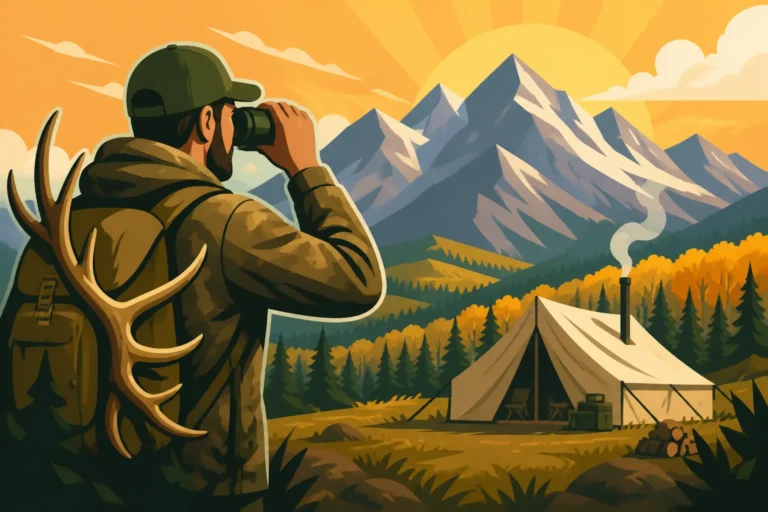
Spring bear season typically runs in April and May, sometimes stretching into early June depending on the specific unit and year. This is when bears are emerging from hibernation, often focusing on green-up areas, south-facing slopes, and lower elevations where fresh vegetation is abundant. They're usually leaner, having depleted their fat reserves over winter, but their coats can be absolutely gorgeous – thick and glossy. The challenge here is their limited movement; they're not ranging as widely as they will in the fall, and finding them can require meticulous glassing. Guide services for spring hunts often focus on spot-and-stalk tactics in these greener areas, using high-quality optics to locate bears feeding in avalanche chutes or open hillsides. The weather can be wildly unpredictable, swinging from warm, sunny days to late-season snowstorms, which adds another layer of complexity that a good guide is well-prepared for. You'll likely spend a lot of time on higher vantage points, methodically scanning the landscape.
Fall Bear Hunting:
The fall season is by far the more popular time to hunt black bears in Colorado, often running concurrently with archery, muzzleloader, and rifle elk and deer seasons from late August through November. During the fall, bears are in hyperphagia, a period of intense feeding to pack on fat before winter. They'll be found gorging on acorns, berries, and other mast crops, sometimes even moving to agricultural fields at lower elevations. Their movements are more extensive, and they're typically much heavier, often boasting impressive fat layers and often a thicker, darker coat. This can make for a more target-rich environment, but also means they can be anywhere the food is. Guides might use different strategies, including spot-and-stalk, still-hunting through timber, or even hunting over natural food sources. The rut for elk and deer also happens in the fall, so bears are sometimes encountered incidentally by hunters pursuing other big game, adding another element of surprise. Understanding these seasonal differences is crucial for any hunter, and you can dive deeper into the specifics by reading about Colorado Spring vs Fall Bear Hunting.
Common Bear Hunting Methods in Colorado
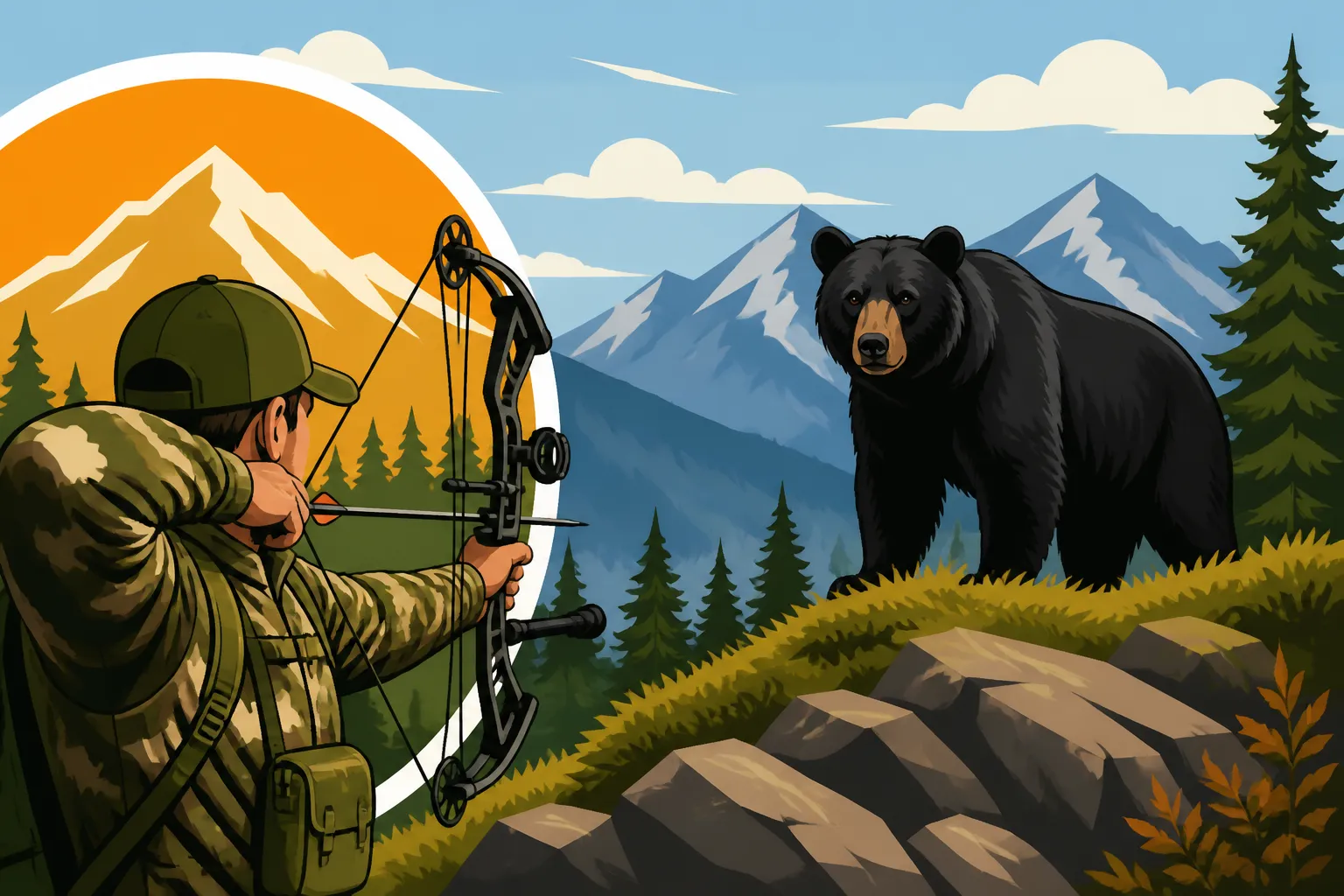
While some states allow baiting or hounds for bear hunting, Colorado strictly limits methods to fair chase, which primarily means spot-and-stalk or still-hunting. A guided hunt will usually employ these tried-and-true techniques.
Spot-and-Stalk: This is the quintessential western hunting method and often the primary tactic for guided black bear hunts. It involves using binoculars, spotting scopes, and even high-powered glass from a distance to locate bears feeding, sunning, or traveling. Once a bear is spotted and assessed, a careful and often lengthy stalk is planned and executed. This can mean hours of patiently watching, waiting for the wind to be right, and slowly closing the distance over rugged terrain. Guides excel at this because of their intimate knowledge of the area, understanding of thermals and wind currents, and ability to read bear behavior. They know which drainages bears frequent, where the best glassing knobs are, and how to approach silently. You can learn more about this approach specifically for bears by checking out our guide on How to Spot-and-Stalk Colorado Bears.
Still-Hunting: This method involves slowly and deliberately moving through prime bear habitat, pausing frequently to observe, listen, and scan. It's less about covering ground and more about being incredibly stealthy and observant. This is often employed in dense timber, brushy areas, or along game trails that guides know bears frequent. It requires immense patience and keen senses to pick up on subtle signs like overturned rocks, disturbed logs, or fresh scat. A guide can teach you how to move through the forest with minimal disturbance, how to recognize fresh sign, and where to anticipate a bear might be. This method can be incredibly effective, especially when conditions (like a light rain or damp leaves) allow for quieter movement.
What a Guided Black Bear Hunt Entails
Deciding on a guided hunt is a significant investment, and it’s fair to want to know exactly what you’re getting into. A reputable Colorado outfitter provides much more than just a hunting spot; they offer expertise, logistical support, and often, an increased chance of success.
Services Typically Included
When you book a guided black bear hunt in Colorado, you’re usually signing up for a package that covers several critical components.
Professional Guiding and Expertise: At the core of any guided hunt is the guide themselves. These individuals are often lifelong hunters with an encyclopedic knowledge of their assigned hunting units. They understand bear behavior, seasonal movements, preferred habitats, and how to interpret subtle signs in the field. They know the terrain like the back of their hand, including the best glassing points, safe approaches, and potential escape routes for game. For example, a good guide operating in the San Juan Mountains will know exactly which south-facing slopes green up first in spring or which oak pockets hold the most acorns in the fall. Their expertise significantly increases your chances of finding a bear and making a successful stalk. Many hunters find guides by using platforms like BookYourHunt, which aggregates listings from various outfitters, allowing you to compare services and read reviews before committing.
Logistics and Camp Operations: This is where a guided hunt really shines for many, especially those traveling from out of state or new to backcountry hunting. Most guided hunts include comfortable accommodations, which can range from a rustic wall tent camp nestled deep in the wilderness to a cozy lodge with hot meals and showers. All meals are usually provided, often prepared by a dedicated camp cook, ensuring you're well-fed and energized for the demanding days afield. Transportation to and from the hunting areas (whether it's by truck, ATV, or horseback) is also handled by the outfitter. For example, some outfitters might utilize horses to access remote areas of the White River National Forest, allowing you to get far away from road hunters. This frees you up to focus entirely on the hunt itself, without worrying about setting up camp, cooking, or navigating challenging access roads.
Field Care and Recovery: Once a bear is harvested, the work truly begins. A guided hunt includes field dressing and quartering your bear, often right where it drops. Guides are incredibly efficient at this, ensuring the meat is handled properly to prevent spoilage, which is especially critical during warmer early fall seasons. They will also assist with packing the meat and hide out of the field, whether it's a short hike or a multi-mile pack-out by horse or backpack. This can be a tremendous physical relief, as packing a full bear out of steep country is incredibly demanding. Furthermore, many outfitters will help arrange for professional meat processing and taxidermy services in a nearby town, taking another logistical burden off your shoulders. This comprehensive support from shot to cold storage is a huge benefit.
What's Usually Not Included
While guided hunts are extensive, there are typically a few items that remain your responsibility. It's always best to confirm these details directly with your outfitter.
Hunting Licenses and Tags: You are responsible for purchasing your Colorado hunting license and a valid black bear tag. Bear tags in Colorado can be either over-the-counter (OTC) or draw-only, depending on the unit and season. You'll need to apply for these through Colorado Parks and Wildlife (CPW) and ensure you have them in hand before your hunt. Always verify the specific tag requirements for your chosen hunt date and unit. Resources like GoHunt can be invaluable for researching draw odds and unit specifics, even for OTC options.
Personal Gear and Weapons: Your outfitter will provide a list of recommended gear, but you are expected to bring your own hunting weapon (rifle, bow, or muzzleloader), ammunition, optics, appropriate hunting clothing for varying weather conditions, and personal items. While some outfitters might have spare gear, relying on them for your primary equipment isn't a good idea. Think about sturdy hunting boots, rain gear, a good backpack, and layering systems appropriate for the high-country or timber. A thorough Colorado Guided Hunt Packing List would be a smart read before you start gathering your items.
Gratuities: Tipping your guide and any camp staff (cooks, wranglers) is customary and greatly appreciated for their hard work and dedication. A typical gratuity for a lead guide ranges from 15-20% of the hunt cost, with additional tips for camp staff often ranging from $50-$100 per staff member. These aren't usually included in the initial hunt price, so factor them into your overall budget.
Preparing for Your Guided Black Bear Hunt
A guided hunt takes a lot of the logistical guesswork out of the equation, but it doesn't mean you show up unprepared. In fact, doing your homework and getting yourself ready will significantly enhance your experience and increase your chances of success.
Physical Conditioning and Shooting Practice
Colorado's terrain can be incredibly demanding, and black bears often inhabit steep, brushy, and remote areas. Even on a guided hunt, you might find yourself hiking several miles a day, climbing steep inclines, and navigating uneven ground.
Getting into Shape: Start a physical fitness regimen several months before your hunt. Focus on cardiovascular endurance (hiking, running, stair climbing) and strength training, especially for your legs and core. Incorporate exercises that mimic hunting conditions, such as hiking with a weighted pack on uneven terrain. If you're coming from sea level, consider specific Altitude Training for Colorado Hunting to help your body acclimate to the higher elevations often found in prime bear country. Being in good physical condition not only helps you keep up with your guide but also makes the entire experience more enjoyable and safer. You'll be less fatigued, more alert, and better able to perform when a shot opportunity arises.
Sharpening Your Shooting Skills: No matter your weapon of choice, consistent practice is non-negotiable. Practice shooting from various positions – standing, kneeling, sitting, and even prone – at different distances. Simulating real-world hunting scenarios, like shooting after a strenuous hike when your heart rate is elevated, will prepare you for the moment of truth. Make sure you're proficient with your specific hunting load and understand your weapon's ballistics. Don't forget to practice shooting at steep uphill and downhill angles, as this is common in mountainous bear habitat. The guide can get you to the bear, but making the shot is entirely up to you.
Gear Selection and Checklists
Choosing the right gear is crucial for comfort, safety, and success in the diverse and often rugged Colorado environment. Your outfitter will provide a recommended gear list, but here are some key areas to consider.
Optics and Essential Hunting Tools: High-quality optics are your best friends on a bear hunt. A good pair of 10x binoculars is a minimum, and a spotting scope (15-45x or 20-60x) is invaluable for long-range glassing. Ensure they are waterproof and fog-proof. Other essentials include a rangefinder, a sharp knife, a headlamp with extra batteries, and a small first-aid kit. Consider a GPS device or a reliable mapping app like OnX Hunt, even if your guide has one; it's good to know your location and the general area. A sturdy backpack (35-65 liters) capable of carrying layers, water, snacks, and potentially some meat, is also essential.
Layered Clothing for Diverse Weather: Colorado weather is notoriously unpredictable, especially in the mountains. Layering is paramount. Start with a moisture-wicking base layer, add insulating mid-layers (fleece, puffy jacket), and top it off with a waterproof and windproof outer shell. Bring quality rain gear, even if the forecast looks clear. Good quality hiking boots, preferably waterproof and well broken-in, are critical for navigating varied terrain. Don't forget durable gaiters to keep snow, mud, and debris out of your boots. Gloves, a warm hat, and sunglasses are also must-haves. Think in systems, not individual items, to adapt to temperature swings from frosty mornings to warm afternoons.
Logistics and Post-Hunt Considerations
Beyond the actual hunting days, there are practical matters to consider before and after your guided hunt to ensure a smooth and successful experience.
Booking and Communication with Outfitters
Choosing and communicating effectively with your outfitter is foundational to a successful trip. Platforms like BookYourHunt allow you to research various Colorado black bear outfitters, read reviews, and understand their offerings.
Asking the Right Questions: Before you commit, have a detailed conversation with your prospective outfitter. Ask about their experience specifically with black bear hunts, their success rates, and what those rates are based on (e.g., opportunities, harvest). Inquire about the physical demands of the hunt, the typical shot distances, and what a "normal" hunting day looks like. Don't hesitate to ask for references from past clients; a reputable outfitter will be happy to provide them. Confirm what is included and, more importantly, what isn't. Get clarity on deposit requirements, payment schedules, and cancellation policies. This proactive communication can prevent misunderstandings down the road.
Understanding the Contract and Expectations: Once you've chosen an outfitter, review your contract thoroughly. It should detail the dates, services, costs, and any specific rules or safety protocols. Ensure you understand the outfitter's philosophy regarding shot selection, animal identification, and ethical hunting practices. For example, some outfitters might have a policy on what constitutes a "shooter" bear, especially if you're looking for a specific size or color phase. Being on the same page about expectations will ensure a smoother, more enjoyable hunt for everyone involved.
Meat and Hide Care Post-Harvest
Successfully harvesting a bear is a major accomplishment, but the work isn't truly done until the meat is processed and the hide is properly cared for. Your guide will assist with initial field care, but understanding the next steps is important.
Processing and Shipping: Colorado law requires that all edible portions of the bear meat be kept. Your guide will ensure the bear is properly field dressed and quartered. You'll then need to decide on meat processing. Many outfitters have established relationships with local meat processors in towns like Craig, Montrose, or Gunnison. Discuss these options with your guide beforehand. If you're traveling a long distance, consider how you'll get your meat home. This might involve purchasing coolers, dry ice, or arranging for specialized shipping services. It's often best to have the meat professionally processed and frozen solid before transport.
Taxidermy and Tanning: If you plan to have your bear mounted or the hide tanned, immediate and proper care of the hide is paramount. Your guide will typically skin the bear for you and prepare the hide for transport. However, you'll need to arrange for a taxidermist or tanner. Again, your outfitter can usually recommend reputable local businesses. Discuss your taxidermy plans with your guide before the hunt so they can skin the bear accordingly (e.g., full body mount, rug, shoulder mount). The hide will need to be properly salted and dried or frozen to prevent hair slippage and spoilage, especially if you have a significant journey home.
Comparing Guided Hunt Types and Costs
Not all guided hunts are created equal, and understanding the differences can help you align your expectations and budget with the right experience. This is especially true for black bear hunts, which can vary significantly in intensity and luxury.
Fully Guided vs. Semi-Guided vs. Drop Camps
The level of service and independence you desire will largely determine the type of guided hunt you choose.
Fully Guided Hunts: This is the most comprehensive option. You'll typically have one-on-one or two-on-one guidance from an experienced professional. Everything from lodging, meals, transportation in the field, field dressing, and pack-out assistance is usually included. You simply show up with your gear and tags, and the outfitter handles the rest. This is ideal for first-time hunters in Colorado, those new to bear hunting, or anyone looking for a high-service, low-stress experience. Expect to pay a premium for this level of attention and support. Often, these hunts take place from a comfortable base camp or lodge, like those found with outfitters operating near Steamboat Springs or Durango.
Semi-Guided Hunts: This option offers a middle ground. An outfitter might provide you with a camp, food, and general hunting advice, but you'll do the actual hunting on your own or with your hunting partners within a designated area. They might drop you off at trailheads, provide maps, or point you toward productive areas. Pack-out assistance might be an add-on or limited. This is a good choice for experienced hunters who are confident in their abilities but want some logistical support and local knowledge. It's often less expensive than a fully guided hunt.
Drop Camps: For the truly adventurous who want a backcountry experience without the burden of packing in all their gear, a drop camp is an excellent choice. The outfitter will pack you and your gear (and sometimes food) into a pre-set camp in a remote area, usually via horses or mules. They'll drop you off and pick you up at an agreed-upon date, leaving you to hunt independently. You're responsible for your own cooking, navigation, and all hunting activities. This option requires significant self-reliance and backcountry experience, but it offers an immersive wilderness hunt at a lower cost than a fully guided trip. You'll often find these types of camps deep in areas like the Flat Tops Wilderness or the San Juan Mountains. For those interested in this more rugged approach, our guide on How to Set Up a Colorado Drop Camp might be helpful.
Cost Expectations for a Guided Bear Hunt
The cost of a guided black bear hunt in Colorado can vary widely based on the factors above, as well as the duration, location, and desired trophy quality.
| Hunt Type | Duration (Days) | Typical Price Range (USD) | Inclusions | Ideal Hunter Profile |
|---|---|---|---|---|
| Fully Guided | 5-7 | $4,000 – $7,000+ | Guide, lodging, meals, in-field transport, field care | First-timer, comfort-seeker, high success focus |
| Semi-Guided | 5-7 | $2,500 – $4,500 | Camp, food, area advice, some assistance | Experienced, self-reliant, budget-conscious |
| Drop Camp | 5-10 | $1,500 – $3,000 | Pack-in/out, pre-set camp, possibly some food | Experienced backcountry, budget-conscious, self-sufficient |
Note: These are general price ranges and can fluctuate based on the outfitter, season (spring vs. fall), specific unit, and level of luxury. Additional costs for licenses, tags, travel, meat processing, taxidermy, and gratuities should also be factored in.
Bear hunting in Colorado can be a fantastic and rewarding experience, and a guided hunt can certainly maximize your chances of success and enjoyment. By understanding what a guided hunt entails, diligently preparing, and communicating clearly with your outfitter, you'll be well on your way to a memorable adventure.
Disclaimer
Hunting is an inherently dangerous activity. This guide provides general information and recommendations for Colorado black bear hunting. Always prioritize safety, understand and adhere to all Colorado Parks and Wildlife regulations, and respect wildlife and the environment. Conditions in the mountains can change rapidly, and personal responsibility is paramount.