Colorado Hunting Outfitters Near Del Norte
Trying to pin down the perfect hunting outfitter in a specific area like Del Norte, Colorado, can feel like navigating a maze blindfolded. You've heard whispers of incredible elk and mule deer hunting in the Rio Grande National Forest, but finding a reputable guide who truly knows the local terrain and fits your hunting style can be a huge hurdle. This guide is here to cut through the confusion, helping you understand what to look for, what questions to ask, and how to connect with the best Colorado hunting outfitters near Del Norte for a successful and memorable hunt.
Unpacking the Del Norte Hunting Landscape
The area around Del Norte, nestled in the vast San Luis Valley and bordering the majestic Rio Grande National Forest, is a prime destination for hunters seeking a true Colorado mountain experience. This region offers a diverse array of habitats, from high-alpine basins to dense timber and river bottoms, making it a dynamic environment for various big game species. Understanding these characteristics is the first step in aligning your expectations with what local outfitters can realistically provide.
The Unique Challenges and Allure of Hunting Near Del Norte
Hunting near Del Norte isn't for the faint of heart, but that's precisely what draws many experienced hunters to the region. The elevation alone can be a significant factor; much of the prime hunting ground here starts at 9,000 feet and often climbs well above 11,000 or even 12,000 feet into the high country. This means steep, rugged terrain, unpredictable weather, and the ever-present challenge of acclimating to thinner air.
Access can also be a puzzle. While some areas are relatively accessible by forest roads, many of the most productive elk and mule deer spots are deep in roadless areas or designated wilderness, requiring extensive hiking, horseback travel, or even spike camps. Outfitters specializing in this region understand these logistical challenges intimately and can provide critical support, from hauling gear and packing out game to navigating treacherous trails. Imagine spending days scouting an area on your own only to find it's a massive timber jungle with no discernible game trails – a good outfitter can prevent this kind of frustration.
Primary Game Species in the Del Norte Region
When you talk about hunting near Del Norte, you're primarily talking about elk and mule deer. These are the stars of the show, thriving in the varied habitats offered by the Rio Grande National Forest.
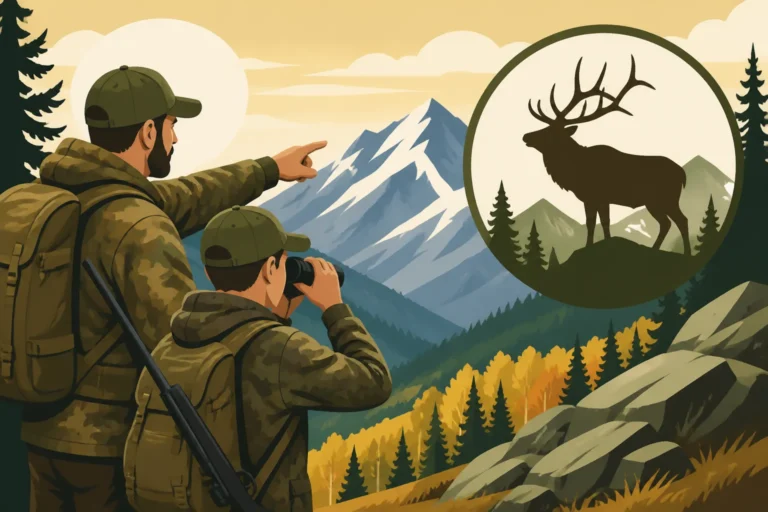
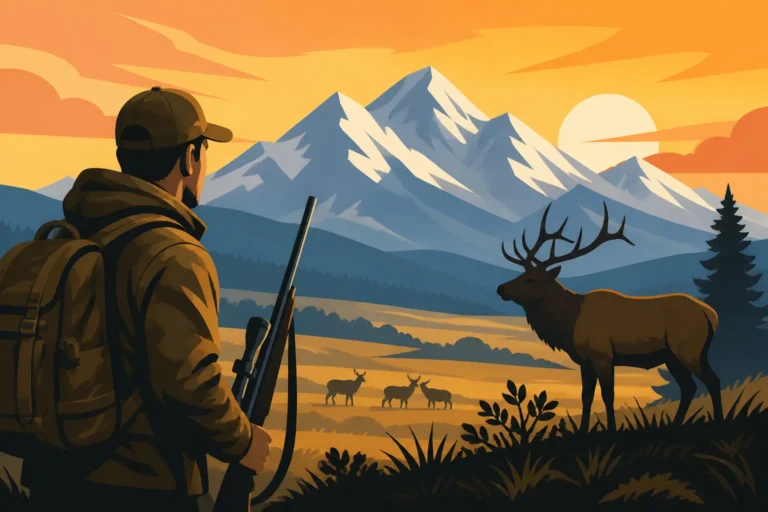
- Elk: Colorado is home to the largest elk herd in the world, and the Rio Grande area holds a healthy population. Hunters here can pursue both bull and cow elk, depending on the tag and season. The dense timber provides excellent cover, while the high-alpine meadows are perfect for summer feeding and rutting activity. A local outfitter will have an intimate knowledge of elk migration patterns and preferred bedding and feeding areas, which can shift dramatically with weather and hunting pressure. For more on pursuing these magnificent animals, check out our comprehensive guide on Colorado Elk Hunting Guide.
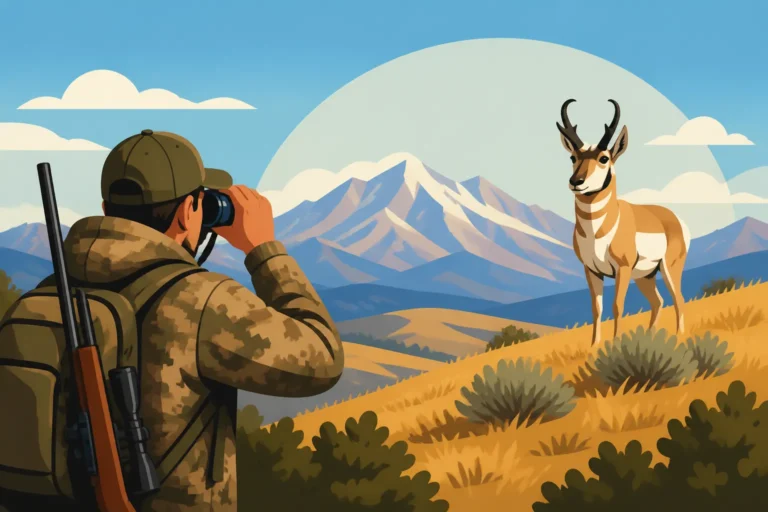
- Mule Deer: The mule deer in this region are known for their impressive racks, and like elk, they utilize a wide range of habitats. You might find them grazing in open parks at lower elevations or tucked away in dense pockets of aspen and dark timber in the higher country. The challenges of hunting mule deer in this rugged terrain are similar to elk, often requiring patience, keen glassing skills, and the ability to cover significant ground. If you're specifically targeting deer, take a look at our Colorado Mule Deer Hunting Guide.
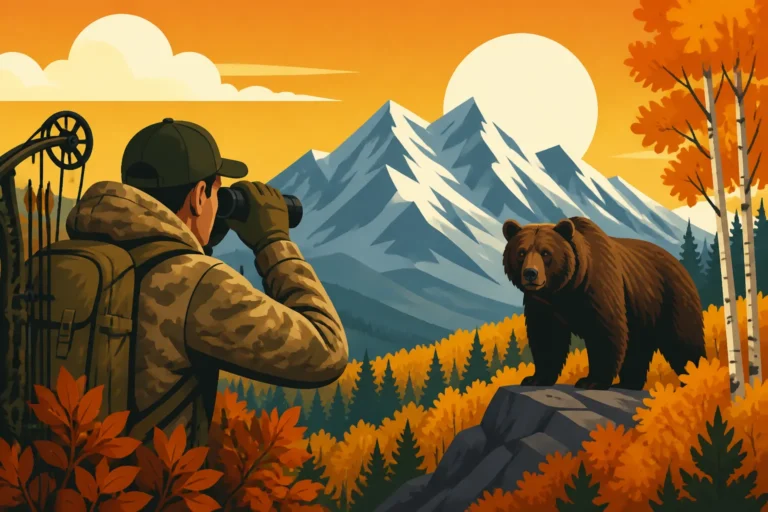
- Black Bear: While not the primary target for most hunters in this specific area, black bears are present. They often take advantage of berry crops in the fall and can be encountered opportunistically, especially by elk and deer hunters. If you draw a bear tag, a local outfitter might be able to incorporate it into your existing hunt plan.
How to Vet and Select Outfitters Near Del Norte
Finding the right outfitter is paramount to a successful and enjoyable hunting trip, especially in a challenging region like Del Norte. It's not just about finding someone with a license; it's about finding a guide whose philosophy, experience, and services align perfectly with your personal hunting goals and expectations.
Researching Reputable Outfitters
The internet is a powerful tool, but it's important to use it wisely. Start by searching for "Colorado hunting outfitters Del Norte" or "Rio Grande National Forest hunting guides." Don't just click on the first few results; dig deeper.
Online platforms like BookYourHunt can be incredibly helpful. They often aggregate listings for various outfitters, provide structured information on their services, and sometimes even feature hunter reviews. This can give you a broad overview of options and help you narrow down potential candidates based on your desired species, weapon choice, and budget. Similarly, resources from communities like GoHunt can offer valuable insights, articles, and discussions about specific areas and the types of outfitters that operate there, sometimes leading you to outfitters who might not have a huge online advertising presence but are highly recommended by seasoned hunters.
Beyond these platforms, look for:
- Outfitter Websites: A professional and informative website is a good sign. It should clearly list services, prices, hunting areas (GMUs), season availability, and contact information.
- References and Testimonials: Any reputable outfitter will be happy to provide a list of past clients you can contact. This is crucial. Ask references not just about success rates, but about the overall experience, guide professionalism, camp conditions, and how challenges were handled.
- Social Media: While not definitive, an outfitter's social media presence can offer a glimpse into their operation, showcasing recent hunts, camp life, and client interactions.
Key Questions to Ask Potential Guides
Once you've got a shortlist, it's time to start making calls. Don't be afraid to ask detailed questions. Remember, you're investing a significant amount of time and money, and you deserve clear answers.
Here’s a table outlining critical questions and why they matter:
| Question Category | Specific Questions to Ask | Why It Matters |
|---|---|---|
| Experience & Knowledge | How long have you been operating in the Del Norte area (specifically GMU X)? | Local expertise is priceless for navigating terrain and understanding animal behavior. |
| What is your success rate and opportunity rate for my desired species? | Helps manage expectations. Differentiate between seeing animals and harvesting them. | |
| What type of terrain will we be hunting (elevation, steepness, timber)? | Crucial for physical preparation and gear selection. | |
| Logistics & Services | What is included in the hunt package (food, lodging, transportation, field care)? | Avoids hidden costs and ensures all your needs are met. |
| What is the typical camp setup (wall tents, spike camps, lodge)? | Affects comfort and overall experience. | |
| How will we get into and out of the hunting area (truck, ATV, horses, hiking)? | Impacts physical exertion and accessibility. | |
| Ethics & Practices | What are your policies on wounded animals and tracking? | Reveals their ethical standards and commitment to responsible hunting. |
| How do you handle meat care in the field and transport it out? | Essential for preserving your harvest, especially in warm weather. | |
| Are you licensed and insured in Colorado? | Non-negotiable for legal and safety reasons. | |
| Client Expectations | What are the physical requirements for this hunt? | Helps you prepare adequately and avoid being unprepared. |
| What is your guide-to-hunter ratio? | Affects the level of individual attention you'll receive. | |
| What should I bring (gear, clothing, personal items)? | Ensures you're properly equipped for the conditions. |
Remember, a good outfitter will be transparent and happy to discuss all these details with you. If they're vague or reluctant to answer, consider it a red flag. For deeper insights into this process, read our article on How to Choose a Colorado Hunting Outfitter.
Types of Hunting Experiences Offered by Del Norte Outfitters
Outfitters in the Del Norte region understand that hunters come with diverse needs and preferences. They typically offer a spectrum of services, ranging from fully immersive, all-inclusive experiences to more hands-off support for the DIY enthusiast. Knowing these options will help you decide which one best suits your budget, experience level, and desired adventure.
Fully Guided vs. Semi-Guided Adventures
This is often the first distinction you'll encounter when looking at outfitter services:
-
Fully Guided Hunts: This is the quintessential "turn-key" hunting experience. When you book a fully guided hunt near Del Norte, you're essentially signing up for an all-encompassing adventure. This usually includes:
- Expert Guides: A professional guide (or guides, depending on the ratio) who knows the area like the back of their hand. They'll handle scouting, tracking, calling, and sometimes even field dressing. Their local knowledge of the Colorado Elk Herd Size and Population is invaluable.
- Lodging: This could range from comfortable wilderness cabins or wall tents in a base camp to spike camps strategically placed deeper in the backcountry.
- Meals: Often, a camp cook will provide delicious, hearty meals to fuel your efforts.
- Transportation: Getting to and from the hunting grounds, including horse support for packing in and out.
- Gear Support: Sometimes certain camp gear, like tents and cooking equipment, is provided.
- Game Retrieval and Field Care: Guides will assist with quartering your animal and packing it back to camp or the trailhead. This is a huge benefit, especially if you're hunting solo or are physically challenged by the rugged terrain.
The primary benefit here is that you can focus 100% on hunting and enjoying the experience, without the burden of logistics and camp chores. It's often ideal for first-time western hunters, those seeking a higher chance of success, or anyone wanting a physically demanding hunt without the added stress of navigation and camp management. Keep in mind that a fully guided Colorado elk hunt will represent a significant investment; understanding the Colorado Guided Elk Hunt Cost is essential for budgeting.
-
Semi-Guided Hunts: These hunts offer a middle ground. You get some support from an outfitter but retain more independence. For example, a semi-guided hunt might include:
- Camp Set-up: The outfitter might set up a comfortable camp for you, complete with tents, cooking gear, and water, but you're responsible for your own cooking and daily chores.
- Area Advice: They'll provide maps, point you to general hunting areas where they've been seeing game, and offer current intel on animal movement.
- Game Retrieval Assistance: Crucially, they might offer to pack out your animal once you've harvested it and gotten it to an accessible trail or designated pickup point.
- Transportation: Sometimes, they'll drop you off at a trailhead and pick you up at a specified time.
This option is popular with hunters who have some western hunting experience, prefer to do their own stalking and calling, but still want the logistical help of an outfitter for the heavier lifting, especially game retrieval in challenging terrain. It's a fantastic compromise for those who want more autonomy than a fully guided hunt but aren't quite ready for a full-blown DIY expedition.
Drop Camps and DIY Support
For those with a strong independent streak, Del Norte outfitters also cater to the "do-it-yourself" crowd with drop camp services. This is a brilliant way to access remote backcountry areas without owning a string of horses or enduring an arduous multi-day pack-in.
- Drop Camps: With a drop camp, the outfitter provides the crucial transportation service. They'll pack you and your gear (food, tents, sleeping bags, hunting equipment, etc.) into a pre-determined, remote backcountry location, often a week or more before your season starts. They'll establish a comfortable camp with large wall tents, cots, a wood stove, and cooking facilities. You're then left alone to hunt independently for the duration of your trip, relying on your own skills and knowledge. At a pre-arranged time, the outfitter returns to pack you and any harvested game out. This setup is perfect for experienced hunters who enjoy the challenge and solitude of a backcountry hunt but want to avoid the physical toll of packing in all their heavy gear and packing out an elk. Learning how to effectively How to Set Up a Colorado Drop Camp is key to making the most of this option.
- DIY Support Services: Some outfitters also offer more à la carte services for DIY hunters. This might include:
- Game Retrieval Only: If you're hunting independently and harvest an animal miles deep in the backcountry, some outfitters will contract to pack your animal out for a fee. This can be a literal lifesaver, especially if you're hunting solo and facing a several-mile pack-out in challenging terrain. Understanding How to Pack Out an Elk in Colorado is a critical skill, but sometimes professional help is simply necessary.
- Horse or Mule Rental: For very experienced backcountry enthusiasts, some might rent out livestock to help you pack your own gear. This is usually reserved for those with significant experience handling pack animals.
- Area Consulting: Less common, but some outfitters might offer paid consultations to provide intel on specific units, animal movements, or access points, essentially acting as a "local expert" for your planning process.
The choice between fully guided, semi-guided, or a drop camp ultimately depends on your experience, budget, and how much "wilderness independence" you crave. Each option provides a unique pathway to experiencing the incredible hunting opportunities near Del Norte. Comparing these options is often part of the process of deciding between Guided vs DIY Elk Hunting in Colorado.
Planning Your Hunt: Logistics and Expectations
Once you've zeroed in on an outfitter near Del Norte, the real planning begins. A successful hunt isn't just about finding the animals; it's about being physically prepared, having the right gear, and setting realistic expectations for the challenges of hunting in Colorado's high country.
Physical Preparation for the Rio Grande Backcountry
This can't be stressed enough: hunting in the mountains of Colorado is physically demanding. Even if you're hiring an outfitter to handle the horses and heavy lifting, you'll still be hiking significant distances, often uphill, at elevations where the air is noticeably thinner. Many hunts will take place in GMUs like 76 or 79, which are characterized by rugged, steep terrain.
- Start Early: Begin your physical training months before your hunt. Don't wait until a few weeks out.
- Focus on Cardio: Running, hiking, cycling, or stair climbing are excellent ways to build cardiovascular endurance. Aim for activities that mimic the sustained effort of mountain hunting.
- Strengthen Your Legs and Core: Incorporate exercises like squats, lunges, and step-ups, especially with a weighted pack. You'll be traversing uneven terrain and climbing steep ascents.
- Practice with Your Pack: Load your hunting pack with realistic weight and go for hikes. This helps your body adapt to the feel and weight, and you can identify any hot spots for blisters before the hunt. For more detailed advice, look into How to Physically Prepare for Colorado Elk.
- Acclimatization: If you're coming from a lower elevation, plan to arrive in Colorado a few days early to allow your body to adjust to the altitude. Even a couple of days in Del Norte or a nearby town can make a huge difference in your energy levels and susceptibility to altitude sickness during the actual hunt.
Essential Gear for a Del Norte Hunt
The right gear can make or break your hunt, especially when dealing with Colorado's notoriously fickle mountain weather. A good outfitter will provide a detailed gear list, but here are some critical categories to consider:
- Layered Clothing System: Temperatures can swing wildly from below freezing in the morning to warm afternoons, and a snowstorm can blow in at any moment. Think base layers, mid-layers (fleece or puffy insulation), and a waterproof/windproof outer shell. Merino wool is an excellent choice for base layers due to its warmth-to-weight ratio and odor resistance.
- Footwear: High-quality, broken-in hunting boots are non-negotiable. They need to be waterproof, offer excellent ankle support, and have aggressive traction for steep, rocky terrain. Don't show up with brand-new boots! Check out recommendations for Best Boots for Colorado Elk Hunting.
- Backpack: Even on a guided hunt, you'll need a daypack for water, snacks, extra layers, first-aid, and calls. If you're doing a drop camp or semi-guided hunt, a larger external or internal frame pack designed for hauling meat is essential. Consider our guide on the Best Backpack for a Colorado Elk Hunt.
- Optics: High-quality binoculars (10×42 or 10×50 are popular) and a spotting scope (if glassing large basins) are vital for locating game in vast mountain landscapes. A rangefinder is also crucial for accurate shot placement in varying terrain. Explore more about Best Optics for Colorado Big Game.
- Navigation Tools: Even with a guide, it's wise to carry your own GPS device or a mapping app like OnX Hunt on your phone, along with a compass and paper map of your hunting unit. Batteries die, and technology can fail. Understanding How to E-Scout Before a Colorado Hunt can help you orient yourself even when on the ground.
- First-Aid Kit: A comprehensive kit for minor injuries, blisters, and altitude sickness medication.
- Weapon: Ensure your rifle, bow, or muzzleloader is sighted in and you're proficient with it at various distances and shooting angles you might encounter in the mountains.
Remember, the goal is to be prepared for anything the Colorado backcountry throws at you. Don't skimp on essential gear, and always err on the side of caution when packing for mountain conditions. For general season date information that helps planning, review Colorado Hunting Seasons Explained.
Del Norte Specific Outfitter Considerations
While the general advice for choosing an outfitter applies universally, there are some specific nuances when you're looking for an outfitter near Del Norte that are worth highlighting.
Understanding Local GMUs and Elk Migration
The Rio Grande National Forest spans multiple Game Management Units (GMUs), each with its own characteristics, terrain, and draw odds. Outfitters operating near Del Norte will typically focus on the GMUs in that immediate vicinity, such as GMU 76, 79, 80, or 81. A good outfitter will specialize in a few specific units and be able to articulate why they hunt those areas and what to expect there.
- Migration Patterns: Elk in the Del Norte area, like much of Colorado, are migratory. Their movement can be highly influenced by snowpack, forage availability, and hunting pressure. An experienced local outfitter will have years of observation under their belt, understanding how elk move from summer range in the high country to lower elevation wintering grounds as the season progresses. This knowledge is crucial, especially for later rifle seasons when elk might be on the move.
- Public vs. Private Land: While a significant portion of hunting near Del Norte occurs on public land within the National Forest, some outfitters might also have access to private ranch lands. Private land hunts often come at a higher premium but can offer less pressure and different hunting opportunities. It's important to clarify which type of land you'll be hunting on.
The Role of Horses and Mules in Del Norte Hunts
Due to the rugged, expansive nature of the Rio Grande National Forest, horses and mules play a significant role in many guided and drop camp hunts out of Del Norte. They allow hunters to access areas that would be prohibitively difficult or time-consuming to reach on foot, and they are invaluable for packing out heavy game.
- Accessing Wilderness Areas: Many of the best elk and mule deer hunting areas near Del Norte are within designated wilderness, where motorized vehicles are prohibited. Horses become the only practical means of getting deep into these areas with gear and camp supplies.
- Packing Out Game: An adult elk can weigh 600-800 pounds, yielding 200-300 pounds of boned-out meat. Attempting to pack this out solo or even with a small group over miles of steep, uneven terrain is an epic undertaking. Outfitters with pack strings remove this immense logistical and physical burden, making your hunt safer and more enjoyable.
- Riding vs. Hiking: While horses are used for transportation, don't expect to ride all day long. Often, you'll ride to a general area, then dismount and hunt on foot, especially when still-hunting through timber or stalking an animal. The horses are primarily for covering ground efficiently and for packing.
When discussing your hunt with an outfitter, inquire specifically about their use of horses, your comfort level with riding, and what portion of the hunt will involve horseback travel versus hiking. This transparency will ensure there are no surprises once you're on the ground.
Disclaimer
Please remember that hunting regulations, season dates, and unit boundaries are subject to change by Colorado Parks and Wildlife (CPW). Always consult the most current CPW regulations and proclamations before planning and embarking on any hunt. This guide is for informational purposes only and should not replace official sources.