Colorado Hunting Outfitters Near Grand Junction
Planning a hunting trip to Colorado, especially around the Grand Junction area, can feel like a daunting task. You're dreaming of vast landscapes, abundant wildlife like elk and mule deer, and that quintessential western hunting experience, but sorting through the myriad of outfitters and understanding what each offers can quickly turn exciting anticipation into overwhelming confusion. This comprehensive guide is designed to cut through that noise, helping you understand what to look for in a Grand Junction hunting outfitter, how to properly vet them, and ultimately ensure your Colorado hunting adventure is everything you hoped for.
Why Grand Junction is a Hunter's Haven
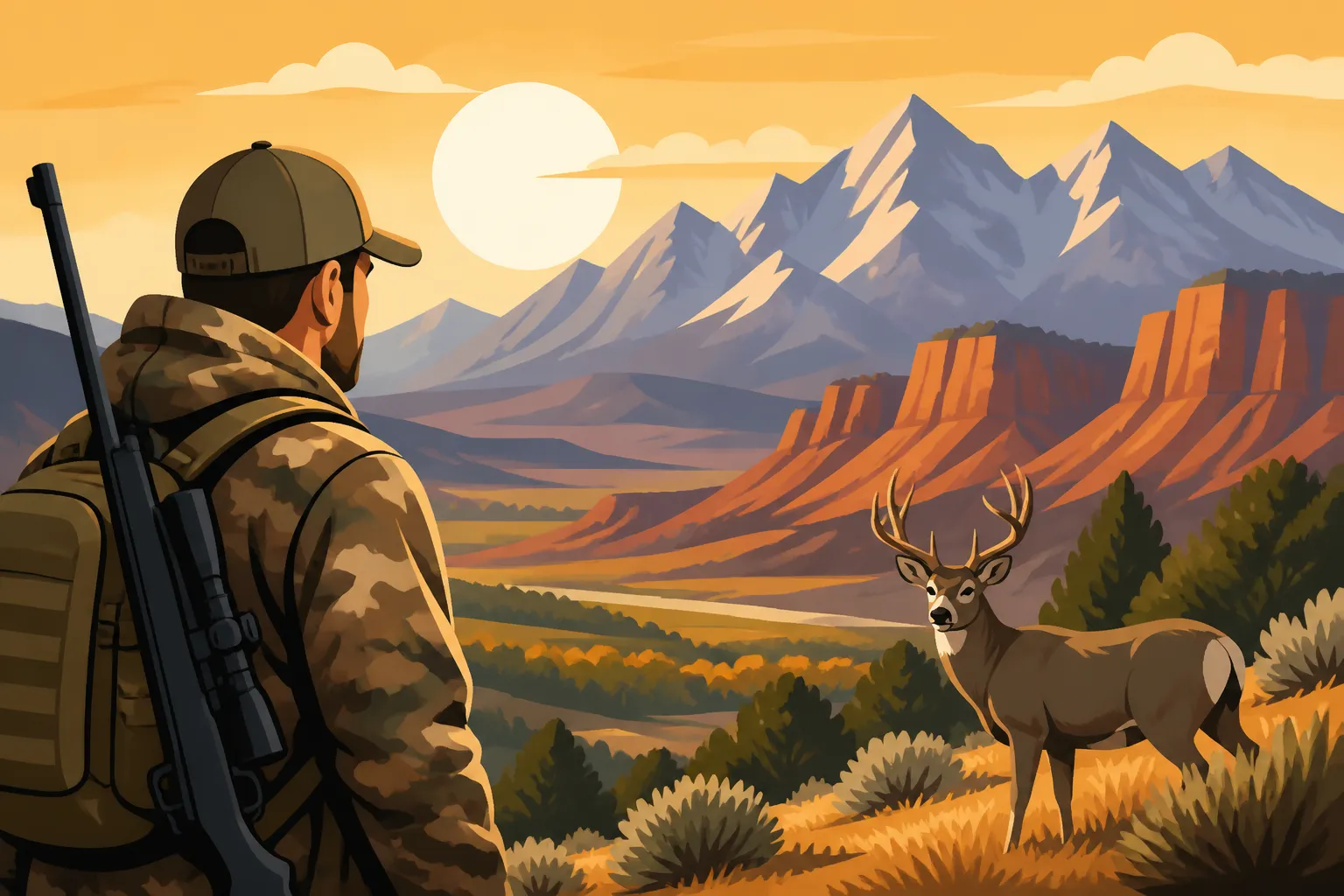
The area surrounding Grand Junction isn't just known for its stunning red rock canyons and the Colorado National Monument; it's a legitimate powerhouse for big game hunting, making it a prime location for hunters seeking the expertise of a local outfitter. The region’s diverse topography, from high desert sagebrush to aspen forests and dark timber at higher elevations, provides habitat for a variety of sought-after species. This isn't just flat prairie land; it's rugged, challenging, and incredibly rewarding country.
Geographic Advantages and Ecosystem
Grand Junction sits in a unique geographic sweet spot, essentially the gateway to some of Colorado's most productive hunting grounds. To the east and north, you have the Grand Mesa and the Roan Plateau, both known for their robust elk and mule deer populations. These areas offer everything from accessible public lands to vast wilderness areas, creating a mosaic of hunting opportunities. The elevation changes dramatically, meaning that early season hunts might be in the higher country, while late season often sees animals pushed down into lower, more accessible winter range. This variability is precisely why a good outfitter, intimately familiar with these shifts and microclimates, becomes invaluable.
Consider the challenges: negotiating steep terrain, understanding how weather patterns affect animal movement, and pinpointing prime feeding or bedding areas. An outfitter who has spent decades hunting these specific drainages and ridges around Grand Junction possesses local knowledge that you simply can't acquire in a weekend of e-scouting. They know where the animals move when the snow starts falling, which north-facing slopes hold deer even during mild weather, and where the elk will be hiding when the hunting pressure ramps up.
Target Species and Opportunities
While Colorado offers a variety of big game, hunters flock to the Grand Junction area primarily for elk and mule deer. These two species thrive in the diverse habitats found here, offering everything from archery hunts in the rut to rifle hunts in the snow-covered mountains.
Elk hunting here is legendary. Many units surrounding Grand Junction boast healthy elk herds, providing opportunities for both resident and non-resident hunters. Whether you're dreaming of bugling a bull in during the archery season or tracking a herd through fresh snow during rifle season, the potential is high. Mule deer, with their large ears and impressive antlers, also call this region home. While their populations have seen some fluctuations, pockets of excellent mule deer hunting still exist, particularly in the more rugged, less accessible areas. Outfitters often specialize in one or both of these species, leveraging their intimate knowledge of specific GMUs (Game Management Units) to maximize success. For a broader overview, you can delve into a full Colorado Elk Hunting Guide or a Colorado Mule Deer Hunting Guide to see what these hunts entail. Beyond these, black bear hunting is also possible, often as an add-on during deer or elk seasons, particularly in units with good berry crops and timbered areas.
Decoding Outfitter Services and Offerings
When you start looking for an outfitter near Grand Junction, you'll quickly realize there's a wide spectrum of services available, from bare-bones drop camps to luxurious, fully guided experiences. Understanding these differences is crucial for choosing the right fit for your budget, skill level, and hunting expectations.
Types of Guided Hunts Available
The hunting industry isn't one-size-fits-all, and outfitters cater to different needs. Here's a breakdown of common offerings:
- Fully Guided Hunts: This is the all-inclusive package. You typically arrive at a designated meeting point, and from there, the outfitter handles virtually everything. This includes lodging (which could be anything from a comfortable lodge to a remote wall tent camp), meals, transportation in the field, guiding services (meaning a guide is with you every day, taking you to hunting spots, helping with tracking, field dressing, and packing out), and often even pre-scouting. These hunts are fantastic for first-time western hunters, those unfamiliar with the area, or hunters who simply want to focus solely on the hunt without worrying about logistics. It's often the most expensive option, but for good reason – you're paying for expertise, convenience, and a significantly reduced stress level. A good outfitter running a fully guided elk hunt around Grand Junction will typically provide all the necessary camp gear, horses or ATVs for access, and experienced guides who know the specific valleys and ridges like the back of their hand.
- Semi-Guided Hunts: This option offers a blend of independence and support. Outfitters might provide a camp, meals, and general advice on where to hunt, but they won't necessarily be with you in the field every single day. They might drop you off at specific trailheads, pick you up at the end of the day, or check in periodically. This is a great choice for hunters who have some western hunting experience, enjoy navigating on their own, but still want the convenience of a prepared camp and some local insights. It's generally more affordable than a fully guided hunt and requires more personal responsibility for finding and harvesting game.
- Drop Camp Hunts: The most independent (and often most budget-friendly) option involving an outfitter. With a drop camp, the outfitter packs you and your gear (often via horses or mules) into a pre-established camp in the backcountry. The camp typically includes tents, cots, a stove, and cooking equipment. Once you're dropped off, you're on your own to hunt, cook, and manage camp. The outfitter will return on a pre-arranged date to pack you and any game out. This option is ideal for experienced backcountry hunters who are confident in their abilities to navigate, hunt, and survive in remote wilderness, but want to avoid the arduous task of packing in all their gear themselves. For those interested in this rugged adventure, understanding how Colorado Drop Camp Hunts Explained can really help set expectations.
What's Typically Included in an Outfitter Package
Understanding what's included (and what's not) is paramount when evaluating outfitters. Never assume!
Standard Inclusions often are:
- Guiding Services: The number of hunters per guide (e.g., 1-on-1, 2-on-1) is a key factor. A 1-on-1 experience generally means more personalized attention and is often reflected in a higher price point.
- Lodging: This could be a cabin, lodge, wall tent, or even spike camps in the backcountry. Be sure to ask for details and photos.
- Meals: For fully guided and some semi-guided hunts, meals are provided. Confirm if these are hot, hearty camp meals, or if you'll be packing lunches daily.
- Field Transportation: This might involve 4×4 vehicles, ATVs, horses, or even just hiking. The terrain around Grand Junction often dictates the need for reliable transportation.
- Game Retrieval: Once an animal is down, the outfitter should assist with field dressing and packing the animal out to a vehicle. This is one of the most physically demanding parts of a western hunt, and their help is invaluable.
- Pre-season Scouting: While you won't be there, a reputable outfitter is constantly scouting their areas. This unseen work is a huge part of what you're paying for.
Common Exclusions (and costs to consider):
- Hunting Licenses and Tags: These are always your responsibility. Make sure you understand the Colorado Draw System and Preference Points if you're planning for a draw unit, or look into Colorado OTC Elk Tags Explained for over-the-counter options.
- Travel to Grand Junction: Airfare, rental car, or gas to get to the meeting point.
- Meat Processing and Taxidermy: While the outfitter will help with initial field care, further processing and taxidermy are typically extra costs.
- Gratuities for Guides: Tipping your guide is customary and expected. It's a significant part of their income. A general rule of thumb is 15-20% of the hunt cost, but always clarify expectations.
- Personal Hunting Gear: Your rifle, bow, optics, clothing, boots, and personal items are your responsibility. However, a good outfitter can often provide a Best Colorado Elk Hunting Gear list or recommendations.
Here's a quick comparison table to illustrate the differences:
| Feature | Fully Guided Hunt | Semi-Guided Hunt | Drop Camp Hunt |
|---|---|---|---|
| Guide Presence | Daily, 1-on-1 or 2-on-1 | Occasional check-ins, advice | None (guides drop off/pick up only) |
| Lodging | Lodge, cabin, wall tent camp (w/ amenities) | Wall tent camp (sometimes basic cabin) | Basic wall tent camp (geared for self-sufficiency) |
| Meals | All provided, cooked in camp | Provided in camp | Self-prepared, bring your own food |
| Transportation | In-field transport provided | Drop-offs/pick-ups, some self-drive | Pack-in/pack-out via horses/mules only |
| Game Retrieval | Full assistance | Assistance to vehicle, some self-pack | Self-pack to pick-up point |
| Cost | Highest | Moderate | Lowest (excluding personal gear/food) |
| Independence | Lowest | Moderate | Highest |
| Ideal For | Beginners, convenience seekers | Experienced hunters seeking some support | Experienced backcountry hunters |
The Nitty-Gritty: Vetting and Booking Your Outfitter
Finding the right outfitter near Grand Junction takes more than just a quick Google search. It requires diligence, asking the right questions, and leveraging available resources to ensure you're entrusting your precious hunting time and money to a reputable operation.
Essential Questions to Ask Potential Outfitters
Once you've narrowed down a few possibilities, get ready to ask some pointed questions. Don't be shy; a good outfitter will appreciate your thoroughness.
- Licensing and Insurance: Are you licensed and insured in Colorado? A legitimate outfitter will be able to provide their Colorado Outfitter License number. This is non-negotiable. It's important to understand the Colorado Outfitter Licensing Explained to know what to look for.
- Experience in the Specific Area: How long have you been operating in this specific GMU (Game Management Unit) or area around Grand Junction? How much time do your guides spend scouting and hunting here annually? Deep local knowledge is key.
- Success Rates and Client References: What are your typical success rates for the species and weapon type I'm interested in? Can you provide a list of at least 3-5 recent client references (within the last 1-2 years)? Call those references and ask about their experience, the guide, the camp, and whether they harvested an animal. Ask about their Colorado Guided Hunt Success Rates and what those numbers truly mean (opportunity vs. harvest).
- Hunt Style and Physical Demands: Describe a typical day on your hunt. What kind of terrain will we be covering? How much hiking is involved? This is crucial for matching the hunt to your physical abilities. Don't underestimate the physical challenge of hunting in Colorado; consider a Colorado Elk Hunt Fitness Plan well in advance.
- What Happens After the Kill: What are your procedures for field dressing, packing out, and transporting game to the processor? Do you have arrangements with local meat processors or taxidermists?
- Weapon Specialization: Do you have guides who specialize in specific weapon types (e.g., archery, rifle, muzzleloader)? Archery hunting, for instance, requires a different approach than rifle hunting. For instance, if you're planning an archery hunt, you might want an outfitter experienced in Archery Elk Tactics for the Rut.
- Booking and Payment Policies: What are your deposit requirements, payment schedule, and cancellation policy? Get everything in writing.
- Guide Qualifications: What are your guides' experience levels? Are they first-aid certified? This speaks to safety and professionalism.
Leveraging Online Resources and Platforms
In today's digital age, you have powerful tools at your fingertips to help with your research.
- Outfitter Directories: Websites like BookYourHunt provide extensive directories of outfitters, often with client reviews and detailed hunt descriptions. These platforms can be a great starting point for discovering outfitters in the Grand Junction area and comparing their offerings side-by-side. You can often filter by species, location, and hunt type, making your initial search much more efficient.
- Colorado Parks and Wildlife (CPW) Website: The official CPW site is invaluable. You can verify outfitter licenses, understand hunting regulations, and research specific GMUs. The Colorado Hunting Atlas Explained can help you visualize public land access and terrain features.
- Hunting Forums and Social Media Groups: These can be a mixed bag, but active hunting communities on forums or Facebook groups often have members willing to share their experiences with specific outfitters. Just remember to take personal opinions with a grain of salt and cross-reference.
- Subscription Scouting Tools: Services like GoHunt's Insider platform offer detailed information on specific units, draw odds, and often even list outfitters operating in those areas. While not directly for booking, it can give you incredible insight into the quality of units and potentially what to expect from an outfitter focused there. Learning How to E-Scout Before a Colorado Hunt can significantly enhance your preparedness, even with a guide.
When reviewing online information, pay close attention to consistent themes in client testimonials. Are people raving about the quality of the guides, the abundance of game, or the comfort of the camp? Or do you see recurring complaints about disorganization, poor communication, or lack of effort? These patterns are far more telling than a single glowing or negative review.
Maximizing Your Grand Junction Hunting Experience
Booking an outfitter is just the first step. To truly make the most of your guided hunt in the Grand Junction area, a bit of preparation and a healthy dose of realistic expectations are essential.
Preparing for Your Hunt
Even with a top-notch outfitter, your preparation can make or break your hunt.
- Physical Conditioning: This cannot be stressed enough for Colorado hunting. The elevations around Grand Junction can range from 4,500 feet to over 11,000 feet, and hunting involves hiking steep, uneven terrain. Even if you're hunting lower elevations, you'll be covering miles. Start a rigorous fitness program months in advance that includes cardio, strength training, and hiking with a weighted pack. Read up on How to Physically Prepare for Colorado Elk or even Altitude Training for Colorado Hunting to give yourself the best chance of success and enjoyment.
- Gear Check: Go through your hunting gear meticulously. Ensure your rifle is sighted in for mountain conditions, your archery equipment is dialed, and your boots are well broken-in and waterproof. Test all your layers, optics, and headlamps. Confirm with your outfitter if they have a recommended packing list; many do, and it's a valuable resource. For more in-depth guidance, check out a Colorado Backcountry Hunting Gear List.
- Communication with Your Outfitter: Maintain open lines of communication. Confirm arrival times, understand the schedule, and ask any last-minute questions. Share details about your hunting experience, physical limitations, and specific goals so they can tailor the experience as much as possible. Don't leave things to chance; a clear understanding benefits everyone.
- Understanding Regulations: While your outfitter will guide you, it's still your responsibility to know and abide by all Colorado hunting regulations. This includes rules around weapon types, game cameras, tagging, and CWD testing.
Setting Realistic Expectations
Hunting, especially for big game in the mountains, is inherently unpredictable. An outfitter provides a tremendous advantage, but they can't guarantee a trophy animal.
- Weather and Wildlife: Weather in Colorado can change on a dime, from warm sunshine to blizzards in hours. Animal behavior is equally dynamic. There will be slow days, days when the animals just aren't moving, or days when you encounter other hunters. That's part of the challenge and appeal of fair chase hunting.
- Focus on the Experience: While harvesting an animal is often the goal, try to embrace the entire experience. The camaraderie with your guide, the stunning sunrises over the Grand Mesa, the challenge of the mountains, and the simple joy of being in wild country are all part of a successful hunt. Many hunters, myself included, cherish the adventure as much as, if not more than, the kill itself. A guided hunt is a learning opportunity – ask your guide questions, observe their techniques, and soak it all in.
- Ethical Hunting: A reputable outfitter will always prioritize ethical hunting practices and fair chase. This means respecting the animals, the land, and hunting regulations. Be prepared to pass on shots that aren't clean or within your effective range, and always follow your guide's advice on shot opportunities.
Choosing a hunting outfitter near Grand Junction is a significant investment, both financially and emotionally. By doing your homework, asking the right questions, and preparing thoroughly, you can drastically increase your chances of a successful, memorable, and truly rewarding Colorado hunting adventure.
Disclaimer
Please be aware that hunting regulations, season dates, and outfitter availability can change. Always consult the official Colorado Parks and Wildlife (CPW) website for the most current information before planning any hunt. This guide is for informational purposes only and does not endorse specific outfitters.