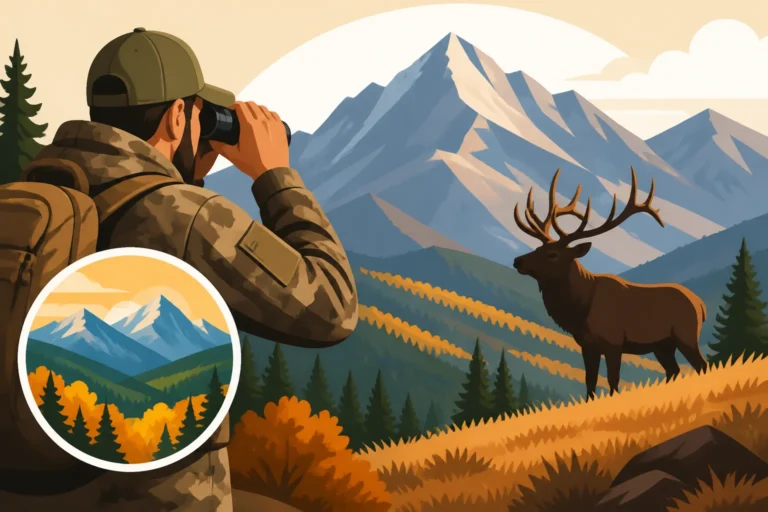
Fully Guided vs Semi-Guided Colorado Hunts
Deciding how to tackle a Colorado hunting adventure can feel like staring at a choose-your-own-adventure book with pages missing. Many hunters arrive in the Centennial State, dreaming of big game, only to be overwhelmed by the sheer scale of the landscape and the complexity of planning. The big question often boils down to this: how much help do you truly need to make your hunt a success? This guide will meticulously break down the differences between fully guided and semi-guided hunts in Colorado, helping you understand which option aligns best with your experience level, budget, and desired hunting style.
Understanding the Basics: Fully Guided vs. Semi-Guided Hunts
The world of Colorado hunting outfitters offers a spectrum of services, and understanding the core distinctions between "fully guided" and "semi-guided" is paramount to setting proper expectations and planning your trip. It's not just about cost; it's about the level of support, the amount of independence you'll have, and the responsibilities you'll shoulder. Many hunters initially think these terms are interchangeable, but they represent vastly different experiences on the mountain.
What Defines a Fully Guided Hunt
A fully guided hunt is often considered the most comprehensive and hands-off experience for the hunter. When you sign up for a fully guided hunt, you're essentially entrusting almost every aspect of your expedition to a professional outfitter and their experienced guides. This isn't just about having someone point you in the right direction; it's about a complete package designed to maximize your chances of success while minimizing your logistical burdens. From the moment you arrive, often at a designated meeting point or a comfortable base camp, the outfitter takes charge.
Imagine flying into Grand Junction or Denver, getting picked up by your guide, and then being driven directly to a comfortable lodge or a well-appointed wall tent camp deep in the White River National Forest. All your meals are prepared, your sleeping arrangements are handled, and your primary focus becomes the hunt itself. Each morning, your guide will lead you into the field, whether on foot, horseback, or sometimes by ATV to a drop-off point, scouting for game, tracking, calling, and making strategic decisions based on current conditions and animal movement. They're with you every step of the way, interpreting sign, identifying animals, and assisting with shot opportunities. Post-harvest, they're the ones leading the field dressing, quartering, and packing out of your animal. This all-inclusive approach is designed for hunters who want to immerse themselves in the experience without the constant worry of logistics, navigation, or camp chores. It's an opportunity to learn from seasoned pros and focus purely on the pursuit.
What a Semi-Guided Hunt Entails
On the flip side, a semi-guided hunt represents a significant step towards self-reliance, offering a hybrid model that can be incredibly appealing to hunters who want a taste of independence without committing to a full-blown DIY expedition. In a semi-guided setup, the outfitter provides essential support and critical resources, but the actual hunting is largely up to you and your group. Think of it as having a valuable foundation and some expert advice, but you're still building the house yourself.
Typically, a semi-guided hunt involves the outfitter providing things like a designated camp spot, often a comfortable drop camp or a packed-in tent setup, perhaps even some pre-scouted areas or intelligence on game movement. They might pack you and your gear into a remote location, leaving you with detailed maps and advice, then pick you up on a predetermined date. Sometimes, this can also mean a base camp with meals provided, but you're responsible for planning your daily hunts, navigating, and executing your strategy. For example, a semi-guided elk hunt might involve an outfitter providing a camp and advice in a productive area of the Flat Tops Wilderness, but it's your responsibility to wake up before dawn, hike miles to a promising ridge, glass for elk, call them in, and then execute the field dressing and quartering. The outfitter might assist with the heavy lifting of packing out your animal, especially if it's a horse-supported camp, but the daily grind of the hunt rests squarely on your shoulders. This option empowers hunters to make their own decisions in the field, learn from their successes and failures, and feel a deeper sense of accomplishment when they punch their tag.
The Fully Guided Hunt Experience: A Deep Dive
For many, the idea of a fully guided hunt in Colorado conjures images of luxurious lodges and guaranteed trophy animals. While reality might be a bit more rugged, the core promise of a fully guided trip is a comprehensive, supported, and educational experience. It's an investment in expertise, convenience, and a significantly reduced stress load.
Pre-Hunt Preparation and Logistics Handled
One of the biggest advantages of a fully guided hunt is that most of the daunting pre-hunt preparation and logistics are taken care of by the outfitter. For non-resident hunters or those new to hunting Colorado's challenging terrain, this can be an absolute game-changer. You don't have to spend endless hours researching Game Management Units (GMUs), studying topo maps, or worrying about where to set up camp in the San Juan Mountains. The outfitter has already done the legwork, secured permits, knows the local elk or deer patterns, and has established comfortable camps.
Your main responsibilities typically include securing your Colorado hunting license and appropriate tags (often the outfitter can advise on hunt codes and draw odds), getting your physical conditioning up to snuff, practicing your shooting, and packing your personal gear. The outfitter will provide a detailed gear list, often advising on clothing layers, boots, and personal hunting tools. They handle the camp setup, food planning, transportation once you've arrived at their meeting point, and even the nuances of game care in the field. This streamlined approach allows you to focus solely on getting mentally and physically ready for the hunt itself, rather than getting bogged down in the minutiae of planning an entire expedition. If you're looking for an efficient way to chase a specific animal, like a trophy bull in a prime unit you couldn't otherwise access, an outfitter might even have access to private land or offer Colorado Landowner Vouchers Explained that bypass some of the draw difficulties.
In-Field Expertise and Daily Operations
Once you're in the field on a fully guided hunt, your guide becomes your primary resource, mentor, and strategist. These individuals are often lifelong hunters with an intimate knowledge of the local wildlife and terrain. They've spent countless hours scouting, observing animal behavior, and understanding how factors like weather, hunting pressure, and feed impact game movement. Their in-field expertise is what you're truly paying for.
Each day typically begins early, often before first light, with a hearty breakfast. Your guide will outline the day's plan, which might involve hiking into a specific basin, setting up for calling sequences, still-hunting through dark timber, or glassing distant slopes. They'll actively lead the charge, interpreting fresh tracks, reading wind and thermals, and identifying sounds like a distant bugle. When game is spotted, they'll assist with stalking, judging the animal, and positioning you for the best shot opportunity. This direct, hands-on guidance can be invaluable, especially when encountering situations unique to Colorado hunting, such as judging distance in the mountains or understanding How to Use Thermals in Colorado Elk Country. After a successful harvest, your guide will lead the field dressing, quartering, and often the physically demanding task of packing out the animal from rugged terrain, which can be a monumental effort for a full-grown bull elk. This constant support ensures that even challenging situations are managed efficiently and safely, allowing you to learn and adapt with an expert by your side.
The Semi-Guided Hunt Experience: Embrace the Challenge
For many hunters, the appeal of a semi-guided hunt lies in finding that sweet spot between a fully outsourced experience and a completely independent, potentially overwhelming, DIY trip. It's about having a safety net and a significant head start, but still earning every single success through your own grit and decision-making.
Outfitter Support and Hunter Responsibility
A semi-guided hunt is a true partnership, though the scales are tipped significantly towards the hunter's responsibilities. The outfitter's role is typically to provide the foundational elements that make a remote hunt feasible, such as secure transportation into a backcountry area, a well-established camp, and crucial local insights. For example, a reliable outfitter specializing in drop camps might pack you and your gear via horses or mules several miles into a remote basin in the Gunnison National Forest. They’ll set up a robust wall tent, provide a cooking stove, cots, and perhaps even some non-perishable food items. Critically, they'll often provide valuable pre-scouted information: where elk have been seen recently, prime bedding areas, water sources, and travel corridors. They might mark these on a detailed map or explain them clearly during an initial briefing.
However, once they wave goodbye and head back to civilization, you and your hunting partners are on your own. You are responsible for navigating, executing your hunting strategy, cooking your meals, managing your camp, and making all in-field decisions. This means you need solid navigation skills, a good understanding of How to Call Elk in Colorado, and the physical endurance to cover serious ground. If you harvest an animal, the field dressing and quartering are entirely your responsibility. The outfitter will typically return on a pre-arranged date to pack out your meat and camp, which can alleviate the single biggest physical challenge of an elk hunt. This balance makes semi-guided hunts a fantastic option for experienced hunters who thrive on independence but appreciate logistical support in remote areas.
The Self-Reliance and Learning Curve
The heart of the semi-guided hunt is self-reliance. This isn't just a physical challenge; it's a mental one. You and your group are making all the daily decisions: where to hunt, when to move, how to approach a bugling bull, or which ridge to glass. This can be incredibly rewarding, but it also means a steeper learning curve, especially if you're new to the specific dynamics of hunting in Colorado. You'll quickly learn the importance of having reliable gear, being proficient with How to Use Optics for Colorado Big Game, and understanding mountain weather patterns that can change in an instant.
There's a deep satisfaction that comes from planning your own stalks, calling in your own animals, and making your own tough decisions in the face of unpredictable wildlife. Every success feels truly earned. This type of hunt encourages keen observation, adaptability, and excellent teamwork among your hunting partners. You'll become intimately familiar with the terrain you're hunting, learning elk patterns firsthand rather than being led to them. For hunters who enjoy the challenge of problem-solving in the wilderness and want to develop their outdoor skills, a semi-guided hunt offers an unparalleled opportunity for personal growth and a genuinely authentic backcountry experience. It’s also a great way for groups to bond and share the responsibilities and joys of a challenging hunt.
Weighing Your Options: Pros and Cons
Choosing between a fully guided and a semi-guided hunt isn't a decision to take lightly. Both offer unique benefits and drawbacks that need to be considered in the context of your personal hunting goals, experience, budget, and desired level of involvement. Let's break down the advantages and disadvantages of each.
Advantages and Disadvantages of Fully Guided Hunts
Advantages:
- Maximized Success Potential: Guides possess extensive local knowledge, knowing where game resides, how they move, and effective tactics. This significantly increases your odds of finding and harvesting an animal.
- Reduced Stress and Logistics: All the heavy lifting, from camp setup and meals to navigation and game retrieval, is handled. You can focus purely on the hunt. This is particularly appealing for those with limited vacation time who want to maximize hunting hours.
- Expert Instruction: Hunting with a seasoned guide is an incredible learning opportunity. You gain insights into animal behavior, tracking, calling, and field craft that would take years to acquire on your own.
- Safety Net: Guides are often trained in wilderness first aid and have communication devices, providing a crucial safety net in remote, rugged terrain.
- Access to Prime Areas: Outfitters often have leases on private land or special use permits for national forests, sometimes even through programs like Colorado Ranching for Wildlife, giving you access to less pressured or higher-quality hunting grounds.
Disadvantages:
- Higher Cost: Fully guided hunts are, without a doubt, the most expensive option. You're paying for expertise, service, and infrastructure, which can add up quickly. A How Much Does a Colorado Elk Outfitter Cost might range from several thousand to upwards of $10,000 or more, not including tags and travel.
- Less Independence: You're largely following the guide's lead, which can feel restrictive for hunters who value making their own decisions in the field. The hunt often adheres to the outfitter's schedule and strategy.
- Potential for Mismatched Expectations: Personality clashes with a guide can sour the experience. It's crucial to vet your outfitter and discuss expectations beforehand.
- Less "DIY" Satisfaction: While successful, the sense of personal accomplishment might feel different compared to a hunt where you've managed every detail yourself.
Advantages and Disadvantages of Semi-Guided Hunts
Advantages:
- More Affordable: Semi-guided hunts are considerably less expensive than fully guided options, making them accessible to a broader range of hunters. You’re paying for critical infrastructure (like camp and packing services) but not daily guiding fees.
- Greater Independence and Control: You and your group are in charge of your daily hunt plan, navigation, and execution. This offers a profound sense of self-reliance and achievement.
- Skill Development: This type of hunt forces you to hone your hunting and wilderness skills, from e-scouting with tools like GoHunt, to reading sign, calling, and field dressing. It's a fantastic way to become a more competent hunter.
- Team Building: For groups of friends or family, a semi-guided hunt fosters camaraderie and teamwork as you work together to overcome challenges.
- Valuable Logistical Support: While you're on your own for the hunt, having horses pack you in and out, or a comfortable camp set up, greatly reduces the physical burden and simplifies remote access. This is especially true when it comes to How to Pack Out an Elk in Colorado.
Disadvantages:
- Higher Risk of Unsuccess: While outfitters provide intel, success is ultimately dependent on your own hunting skills, knowledge, and luck. There's no guarantee of an animal.
- More Physical and Mental Demands: You're doing all the hard work in the field and around camp. This requires excellent physical conditioning and strong mental fortitude.
- Requires More Experience and Planning: Hunters undertaking a semi-guided trip should have a solid foundation in wilderness navigation, survival skills, and game animal behavior. Pre-hunt e-scouting and planning are critical.
- Limited Immediate Assistance: If things go wrong in the field (e.g., an injury, getting lost), you are responsible for your own safety and communication until the outfitter returns for pickup.
Comparative Table: Fully Guided vs. Semi-Guided Hunts
To give you a clearer picture, here's a summary of the key differences:
| Feature | Fully Guided Hunt | Semi-Guided Hunt |
|---|---|---|
| Cost | High (Typically $5,000 – $10,000+) | Moderate (Typically $2,000 – $5,000+) |
| Hunter Skills | Beginner to Advanced (Guide provides expertise) | Intermediate to Advanced (Hunter needs significant skills) |
| Independence | Low (Guide makes most in-field decisions) | High (Hunter makes all in-field decisions) |
| Logistics | All handled by outfitter (camp, food, transport) | Outfitter provides transport/camp; hunter manages daily needs |
| Success Rate | Generally higher due to guide's expertise | Varies widely, dependent on hunter skill and effort |
| Physical Demands | Moderate to High (Guide sets pace, but you still hunt) | High (Hunter does all physical work in the field) |
| Game Care | Guide assists/handles field dressing, quartering, packing | Hunter handles all field dressing and quartering |
| Learning | Direct instruction, observation of expert tactics | Hands-on problem solving, self-taught lessons |
| Booking Platforms | BookYourHunt, direct outfitter websites | BookYourHunt, direct outfitter websites |
| Prep Tools | Outfitter provides maps/intel, GoHunt for e-scouting (optional) | GoHunt, onX, extensive map study, physical training |
Making the Right Choice for Your Colorado Adventure
Selecting between a fully guided and semi-guided hunt boils down to a deeply personal assessment of your capabilities, expectations, and resources. There's no universal "best" option; only the one that aligns most perfectly with your hunting journey.
Assessing Your Experience Level and Comfort Zone
Consider your past hunting experiences, particularly in mountainous or unfamiliar terrain. If you're a seasoned hunter with years of backcountry experience, excellent navigation skills, and a proven track record of finding game on your own, a semi-guided hunt might be the perfect fit. You're comfortable making critical decisions under pressure, know how to manage a camp in adverse weather, and possess the physical stamina for grueling days. You might even already have a good grasp on How to Hunt Elk at High Elevation. This option offers the thrill of a DIY hunt with the added benefit of logistical support, allowing you to focus on the chase.
However, if Colorado hunting is a completely new frontier for you, or if you've primarily hunted smaller game or in less demanding environments, a fully guided hunt could be an invaluable investment. It provides a structured learning environment where you can absorb knowledge from experts without the overwhelming pressure of managing every detail. It's also ideal if you have physical limitations that make heavy packing or extensive navigation difficult, or if your time is too limited to dedicate to extensive pre-hunt scouting and planning. Think of it as an intensive course in Western hunting, where you get to participate fully in the hunt while learning from the best. Many outfitters offer different levels of exertion on their guided hunts, so you can often find one that fits your comfort level.
Budgeting for Your Hunt
The financial commitment is often the biggest deciding factor. Fully guided hunts, as detailed previously, are a premium service reflecting the comprehensive support, expertise, and infrastructure provided. When researching, remember that the sticker price often doesn't include the cost of your Colorado hunting license, elk or deer tags, travel expenses, meat processing, or taxidermy. You'll also need to factor in a customary tip for your guide, which can be a significant addition. It's not uncommon for a guided elk hunt in a desirable unit to cost upwards of $8,000-$12,000 for a week, once all is said and done.
Semi-guided hunts offer a more budget-friendly entry into remote Colorado hunting. While still a considerable expense, costs are often a third to half of a fully guided trip. You're primarily paying for access, camp setup, and animal retrieval, which reduces the per-day expense significantly. However, you'll still need to budget for your license, tags, food you'll bring for camp, and your personal gear. The hidden costs here might be the time investment in your own e-scouting and physical training. For hunters looking to experience Colorado's backcountry without breaking the bank, and who are willing to put in the work, a semi-guided trip represents excellent value. Just ensure you understand exactly what the outfitter provides versus what you're responsible for, so there are no surprises.
Costs and Considerations for Both Types of Hunts
Beyond the base price, there are many other financial and practical considerations that can significantly impact your overall hunting experience and wallet. Transparency about these factors is key to avoiding unpleasant surprises.
Understanding Inclusions and Exclusions
When you're looking at outfitter websites or platforms like BookYourHunt, pay very close attention to what's included and, more importantly, what's excluded from the advertised price.
For Fully Guided Hunts:
- Inclusions: Typically include guide services, all meals (often delicious and hearty!), lodging (lodge, cabin, or wall tent), transportation within the hunting area, and field dressing/initial quartering of your animal. Some may even include caping for taxidermy.
- Exclusions: Almost universally, the price will not include your Colorado hunting license, big game tags (which can be over $700 for non-residents for an elk tag), travel to and from the outfitter's meeting point, meat processing costs, taxidermy, shipping game meat or trophies home, alcoholic beverages, and personal gear. The guide's tip is also an additional, expected expense. Make sure to inquire about specific game management units the outfitter operates in and if the hunt is for general units or specific draw units, which might influence Colorado Elk Draw Odds by Unit.
For Semi-Guided Hunts:
- Inclusions: Often include pack-in/pack-out services for you and your gear, a pre-set camp (tent, stove, cots), and sometimes initial game intel. Some might include water for camp. Animal retrieval (packing out your game) is usually included if successful.
- Exclusions: Almost always exclude food (you cook your own), personal hunting gear, licenses and tags, travel to the drop-off point, meat processing, taxidermy, and tips for the wranglers or camp staff. You'll need to pack every meal and snack you consume, so planning your backcountry menu and bringing a reliable cooking system is crucial. This is where your Colorado Backcountry Hunting Gear List becomes incredibly important.
The Value of Experience and Access
Beyond the tangible services, both fully guided and semi-guided hunts offer intangible value. With a fully guided hunt, you're not just paying for a service; you're paying for years of experience, a deep understanding of animal behavior, and the guide's ability to adapt to real-time conditions. This institutional knowledge can be the difference between a successful hunt and coming home empty-handed, especially in a challenging state like Colorado where elk can be notoriously elusive. Guides often have a sixth sense for where elk will be hiding when facing How to Hunt Elk on Public Land Pressure.
Semi-guided hunts, while requiring more hunter input, also offer significant value in terms of access. Many prime hunting areas in Colorado's backcountry are incredibly difficult to reach without horses or specialized equipment. Outfitters who provide pack-in/pack-out services essentially unlock these remote, less-pressured areas for you. This means you can hunt further from roads and other hunters, increasing the likelihood of encountering undisturbed game. This access to remote wilderness, coupled with the freedom to execute your own hunt plan, is a powerful combination for adventurous hunters seeking a more immersive and challenging experience in places like the Weminuche Wilderness or other rugged corners of the state. Utilizing tools like GoHunt for advanced e-scouting before your trip can further enhance the value of this remote access by helping you pinpoint likely areas to focus your efforts once dropped off.
Final Considerations and Booking Advice
Whether you lean towards the comprehensive support of a fully guided hunt or the challenging independence of a semi-guided adventure, a few final considerations will help ensure a smooth and successful experience.
Questions to Ask Before Booking
Regardless of the type of hunt you're considering, open and thorough communication with your potential outfitter is critical. Don't hesitate to ask detailed questions. A reputable outfitter will appreciate your diligence and provide clear, honest answers.
For any hunt, you should ask about:
- License and Tag Requirements: What specific hunt codes should you apply for? What are the draw odds for those units? Can they help you navigate the Colorado draw system?
- Success Rates: Ask for specific, verifiable success rates, not just "opportunity rates." Inquire about harvest rates and shot opportunity rates for the specific species and season you're interested in.
- References: Always ask for a list of recent references (within the last 1-3 years). Speak to these past clients about their experiences, both good and bad.
- Contract and Payment Schedule: Understand all terms, conditions, cancellation policies, and payment deadlines. Is a deposit required? When is the final payment due?
- Physical Demands: Get a realistic assessment of the physical conditioning required for the terrain and hunting style. You'll want to be ready with a robust Colorado Elk Hunt Fitness Plan.
- What to Bring: Request a detailed gear list, especially regarding clothing, optics, and personal items.
- Game Care: How is harvested game handled from the field to the processor? What are your responsibilities versus theirs?
For fully guided hunts specifically, you'll want to additionally ask:
- Guide-to-Hunter Ratio: How many hunters will one guide be responsible for? A 1:1 or 2:1 ratio is ideal for personalized attention.
- Camp Amenities: What are the sleeping arrangements? Are showers available? What kind of meals are served?
- Transportation During the Hunt: How will you be traveling to and from hunting areas each day (e.g., foot, horseback, vehicle)?
For semi-guided hunts specifically, you'll want to additionally ask:
- Camp Equipment: What specific items are provided in the drop camp (e.g., tent size, stove, cots, cooking gear)?
- Initial Intel: How much pre-scouted information or local knowledge will be shared before you head into the field? Will they provide detailed maps or GPS waypoints?
- Communication: How will you communicate with the outfitter in case of an emergency or if you need an early pickup? What are their protocols?
- Pack-Out Logistics: What is the procedure for signaling a successful harvest and arranging for game retrieval? How long might it take for them to get to you?
Platforms like BookYourHunt can be valuable resources for finding reputable outfitters and comparing services, often including client reviews that provide firsthand accounts of what to expect.
The Importance of Physical Conditioning
Regardless of whether you choose a fully guided or semi-guided hunt, proper physical conditioning is non-negotiable for hunting in Colorado. The elevations are high, the terrain is steep and often rugged, and the weather can be unpredictable. You'll be hiking for miles, potentially at elevations between 8,000 and 12,000 feet, carrying your pack, and navigating challenging ground.
For a fully guided hunt, being fit allows you to keep up with your guide, cover more ground, and increase your chances of success. You don't want to be the reason the hunt slows down or a prime opportunity is missed. For a semi-guided hunt, physical fitness is even more critical, as you'll be solely responsible for navigating the terrain, packing your own day gear, and potentially making long, strenuous retrieves. Start training months in advance, focusing on cardio, strength, and endurance. Incorporate hiking with a weighted pack, stair climbing, and exercises that build core and leg strength. Consider practices for Altitude Training for Colorado Hunting if you're coming from sea level. The fitter you are, the more enjoyable and successful your Colorado hunting experience will be, no matter which option you choose.
Disclaimer
Please be aware that hunting regulations, season dates, and tag allocation processes in Colorado can change. Always consult the most current Colorado Parks and Wildlife (CPW) regulations and official resources before planning and executing any hunt. This guide is for informational purposes only and does not substitute for official state publications or professional advice.