How to Choose a Colorado Hunting Outfitter
Embarking on a hunting trip in Colorado can be a dream come true, but for many, the sheer scale and complexity of the terrain, regulations, and finding game can feel utterly daunting. It’s a common frustration to spend countless hours researching units, deciphering draw odds, and still feel uncertain about whether you’re truly prepared to tackle the high country. This comprehensive guide is here to walk you through the intricate process of choosing a Colorado hunting outfitter, helping you navigate the options and make an informed decision that sets you up for success and an unforgettable adventure.
Understanding Why You Might Need an Outfitter in Colorado
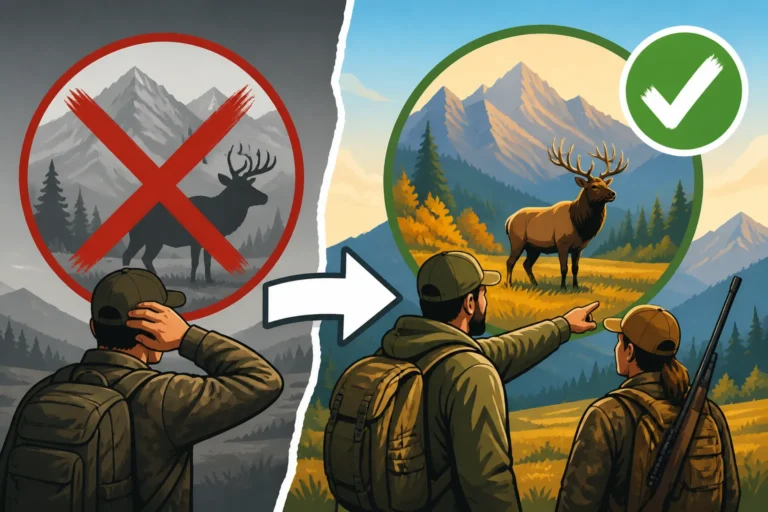
Let's face it, Colorado is a beast of a state to hunt. The mountains are unforgiving, the weather is unpredictable, and the elk and deer don't exactly line up for you at the trailhead. While the allure of a solo, do-it-yourself hunt is strong, many hunters quickly realize that a little professional help can turn a potential nightmare into a truly rewarding experience. It's not about being "less of a hunter"; it's about making smart choices to maximize your chances and enjoyment.
The Lure of Guided Hunts vs. DIY
For years, there's been this almost romanticized notion of the "DIY hunter" — the rugged individual who packs deep into the wilderness, fends for themselves, and emerges victorious with hard-earned meat. And while there's immense satisfaction in that, the reality for many is that a DIY Colorado elk hunting guide can be an incredibly steep learning curve, often measured in failed hunts, missed opportunities, and exhausting physical demands without a payoff.
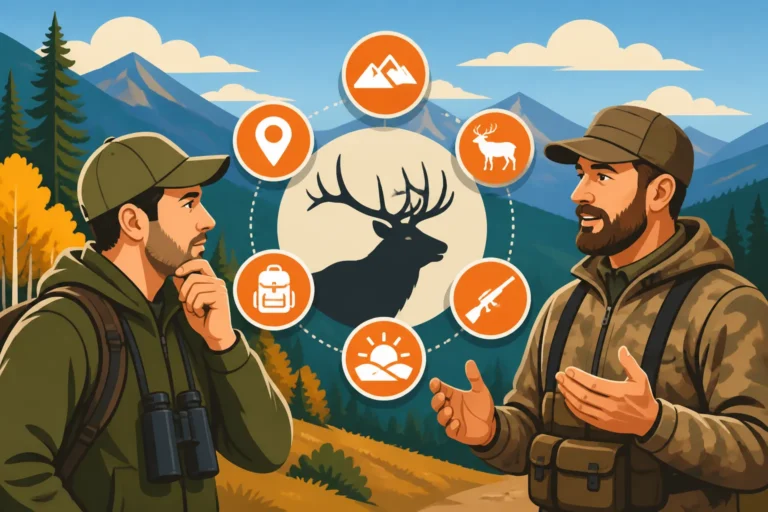
A guided hunt, on the other hand, offers a level of expertise and logistical support that's hard to replicate on your own. Imagine stepping off the plane, heading to a comfortable camp, and having experienced professionals take care of everything from scouting prime locations to tracking wounded game and packing out your animal. For those with limited time, physical constraints, or simply a desire to learn from the best, the value proposition of a guided hunt becomes incredibly clear. It's about leveraging someone else's lifetime of experience and resources to give yourself the best possible shot. While a Colorado DIY Elk Hunting Guide can teach you the ropes, an outfitter takes on much of the heavy lifting.
Navigating Colorado's Complex Hunting Regulations
Colorado Parks and Wildlife (CPW) does an incredible job managing game populations, but their regulations can feel like a labyrinth, especially for non-residents or first-timers. From understanding the Colorado Draw System and Preference Points to deciphering specific hunt codes, season dates, and weapon restrictions for different GMUs (Game Management Units), it's enough to make your head spin. Misinterpret a regulation, and you could easily find yourself in a legal bind or, at best, without a valid tag for your intended hunt.
Outfitters live and breathe these regulations. They know the ins and outs of Colorado Hunting Seasons Explained, the specific antler point restrictions in certain units, and how to properly fill out and validate tags. They often handle the application process for their clients, ensuring all paperwork is correct and submitted on time. This peace of mind alone can be worth the investment, allowing you to focus on physical preparation and anticipation rather than stressing over administrative details. They can also advise on things like Colorado OTC Elk Tags Explained if you’re looking for a less point-intensive option.
Accessing Prime Private or Wilderness Areas
Colorado boasts millions of acres of public land, from sprawling National Forests to rugged BLM land. But with increasing hunter pressure, finding unpressured animals on accessible public ground can be a significant challenge. This is where outfitters often shine, especially those with access to private land or permits to operate in vast, remote wilderness areas.
Many of Colorado's largest and healthiest herds reside, at least for part of the year, on private ranches where hunting pressure is tightly controlled. Outfitters cultivate relationships with these landowners, securing exclusive access that would be impossible for the average hunter. Alternatively, some outfitters specialize in packing deep into designated wilderness areas like the Flat Tops, West Elk, or Weminuche Wilderness. These areas require immense logistical planning, specialized gear, and a deep understanding of Colorado Backcountry Hunting Guide tactics. An outfitter provides the horses, mules, and expertise to get you far away from the roads and the crowds, into truly wild country where trophy animals often thrive.
Defining Your Ideal Colorado Hunting Experience
Before you even start looking at specific outfitters, you need to have a clear picture of what you want out of your hunt. This isn't just about what you hope to shoot, but the entire experience, from the species you pursue to the level of comfort you expect. Being honest with yourself upfront will save you a lot of heartache and ensure you connect with an outfitter who truly aligns with your vision.
Species, Season, and Weapon Choice
Colorado offers incredible opportunities for a variety of big game species, each with its own seasons, challenges, and appeal. Are you dreaming of a bugling bull during the Colorado Elk Hunting Guide archery rut, or is a monster mule deer buck in the late rifle season more your style? Perhaps a speedy pronghorn on the Eastern Plains or a majestic bighorn sheep is calling your name.
Your choice of species will dictate the type of outfitter you need. Some outfitters specialize exclusively in elk, while others excel at Colorado Mule Deer Hunting Guide or have expertise across multiple species. Similarly, your preferred weapon (archery, muzzleloader, or rifle) will narrow down your options, as some outfitters cater specifically to one discipline. Be realistic about what you want to hunt, when you want to hunt it, and with what equipment, as this forms the bedrock of your outfitter search. The season you choose can drastically alter the hunting experience, from the intense calling of the rut to the colder, deeper snow hunts of late rifle seasons.
Trophy vs. Meat Hunt Objectives
This is a critical distinction that hunters often overlook, leading to misunderstandings with their outfitter. Are you dead set on harvesting a Boone & Crockett class animal, or is the primary goal to fill your freezer with organic, wild game meat? There’s no right or wrong answer, but your objective will significantly influence the outfitter's approach, the units they recommend, and even the price of the hunt.
Trophy hunts often involve more extensive scouting, targeting specific mature animals, and may require more patience and less shot opportunity. They typically take place in units with higher Colorado Preference Points Explained requirements, meaning you’ll need to put in years to draw a tag, or purchase an expensive landowner voucher. Meat hunts, on the other hand, might focus on harvesting a cow elk or a younger bull, offering higher success rates and often taking place in more accessible or over-the-counter units. Be explicit with potential outfitters about your expectations. If you're hoping for a record-book bull, an outfitter specializing in high-volume cow hunts might not be the best fit, and vice versa. It’s about managing expectations on both sides.
Budget and Service Level Expectations
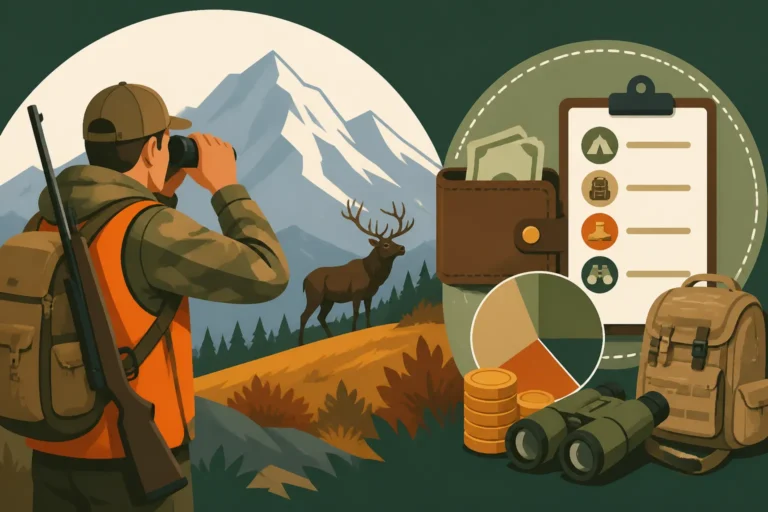
Let's be honest, guided hunts aren't cheap. The cost of a guided Colorado hunt can vary wildly depending on the species, duration, location, and level of service. It's crucial to establish a realistic budget early on, not just for the outfitter fee, but also for licenses, travel, meat processing, taxidermy, and tips for your guides. A common mistake is only factoring in the base hunt cost and forgetting all the ancillary expenses that add up quickly.
Beyond budget, consider the level of service you desire. Do you want a luxurious lodge with gourmet meals, or are you perfectly happy with a comfortable wall tent and camp cooking? Are you looking for a 1-on-1 guide-to-hunter ratio, or is a 2-on-1 acceptable? The more intensive and personalized the service, the higher the price tag will likely be. Understand the different tiers of outfitter services, which we'll delve into next, to match your expectations with what an outfitter can realistically provide within your budget. Transparency about your budget with an outfitter can actually help them tailor options that might work for you.
Types of Colorado Outfitter Services Explained
Not all guided hunts are created equal. Colorado outfitters offer a spectrum of services, ranging from fully immersive, all-inclusive experiences to more minimalist logistical support. Understanding these distinctions is paramount to choosing an outfitter that matches your needs and budget. Misunderstanding these options is a common reason for hunter dissatisfaction.
Fully Guided Hunts: The Full-Service Treatment
This is often what people envision when they think of a "guided hunt." With a fully guided hunt, the outfitter handles virtually everything from the moment you arrive until you depart. This usually includes transportation from a designated meeting point (often a nearby town or airport), comfortable lodging (whether it's a lodge, cabin, or well-equipped wall tent camp), all meals, and dedicated guides.
On a fully guided hunt, your guide will be with you in the field every step of the way, leading you to prime hunting areas, glassing for game, making calling sequences (for elk or deer), helping with stalking, judging animals, and assisting with the field dressing and retrieval of your harvested game. These hunts often boast a 1:1 or 2:1 guide-to-hunter ratio, ensuring personalized attention. For hunters who are new to the West, have physical limitations, or simply want to maximize their chances with minimal personal logistical burden, a fully guided experience is an excellent choice. Expect these to be the most expensive option, but also the most comprehensive.
Semi-Guided Hunts: A Helping Hand
Semi-guided hunts offer a middle ground between a fully guided experience and a completely do-it-yourself venture. The level of service can vary significantly between outfitters, so it's crucial to get precise details. Generally, a semi-guided hunt means the outfitter provides some essential support, but you retain more independence and responsibility in the field.
This might involve providing a comfortable camp, meals, and general orientation to the hunting area. Guides might point you in the right direction, offer maps with known game locations, or drop you off at trailheads, but they won't typically accompany you throughout the entire day of hunting. You'll be responsible for making your own stalks, calling, and often for field dressing and packing out your animal (though some outfitters might offer assistance with game retrieval after the shot). Semi-guided hunts are a good option for experienced hunters who are confident in their abilities but want the advantage of an outfitter's knowledge of the area and logistical support without the full cost of a fully guided trip. It's often ideal for those looking to hone their skills while benefiting from local expertise.
Drop Camps: Wilderness Basecamp Support
Drop camps are for the adventurous souls who want a true backcountry experience without the enormous logistical burden of packing in all their own gear, food, and setting up a comfortable camp. With a drop camp, an outfitter uses horses or mules to pack you and your gear (within weight limits) into a remote, pre-established camp in a wilderness area or roadless public land. They’ll set up tents, cooking equipment, and often provide water access or filtering.
Once dropped off, you are essentially on your own for the duration of the hunt. You'll do your own scouting, hunting, field dressing, and potentially quartering your animal for the pack out. At a pre-arranged date, the outfitter will return to pack out you, your gear, and your game. This option is significantly more affordable than a fully guided hunt and appeals to experienced, self-sufficient hunters who crave solitude and the challenge of a true wilderness hunt. However, it requires excellent physical conditioning – perhaps consider an Altitude Training for Colorado Hunting regimen – and strong navigation skills, as you won't have a guide in the field. You'll also need to understand How to Pack Into the Colorado Backcountry effectively.
Landowner Voucher Hunts: Bypassing the Draw
Colorado's draw system can be frustrating, especially for highly sought-after units that require years of preference points. Colorado Landowner Vouchers Explained offers a unique solution. Private landowners in certain GMUs are allocated a certain number of deer or elk tags as an incentive for wildlife habitat management. These vouchers allow a hunter to purchase a license for that specific unit without going through the draw system or accumulating preference points.
Outfitters often have strong relationships with these landowners and can facilitate the purchase of these vouchers, either as part of a guided hunt package or sometimes as a standalone sale (though standalone sales are less common with reputable outfitters who use them to enhance their own guided experiences). A hunt facilitated by a landowner voucher can mean access to prime private land and a guaranteed tag in a desirable unit, significantly increasing your chances of success. However, these vouchers come at a premium price, often adding thousands of dollars to the cost of the hunt. It's a fantastic option for those who want to hunt a specific, high-demand unit without the multi-year wait, but be prepared for the added expense.
| Service Type | Cost Range (Estimate) | Guide Presence | Camp/Food | Gear Provided (Typical) | Ideal For |
|---|---|---|---|---|---|
| Fully Guided | $$$$ (Most Expensive) | 1:1 or 2:1 ratio, always with you | All-inclusive | Some camp gear, potentially optics | First-timers, those seeking maximum success/comfort, less experienced western hunters, physically limited hunters |
| Semi-Guided | $$$ (Moderate) | Offers direction, drops/picks up | Camp & meals provided | Some camp gear, possibly optics | Experienced hunters wanting logistical support, learning new areas, budget-conscious but still want assistance |
| Drop Camp | $$ (Affordable) | Packs in/out, then leaves | Camp setup, water | Tents, cooking gear, pack animals | Self-sufficient, physically fit, experienced backcountry hunters seeking solitude, budget-friendly backcountry access |
| Landowner Voucher | $$$ to $$$$ (Varies, extra cost) | Varies (often combined with guided) | Varies | Varies | Hunters seeking specific, high-demand units without drawing, willing to pay for guaranteed tag/access |
(Note: Costs are highly variable and dependent on duration, species, and outfitter reputation.)
Key Considerations When Researching Outfitters
Once you've narrowed down your desired hunt type, it's time to start digging into specific outfitters. This stage is critical and requires thorough due diligence. Don't rush it; this is a significant investment of time, money, and emotional energy. Finding the right fit can make or break your hunt, while choosing poorly can lead to deep disappointment.
Licensing, Insurance, and Reputation Checks
The very first thing you should verify is that any outfitter you consider is properly licensed and insured to operate in Colorado. Colorado Parks and Wildlife (CPW) and the Colorado Outfitters Association are good resources. Ask for proof of their outfitter license number and insurance coverage. A legitimate outfitter will be proud to provide this information. If they're hesitant or vague, consider that a major red flag.
Beyond official credentials, delve into their reputation. This means more than just glancing at their website testimonials. Use independent platforms like BookYourHunt or search online forums (e.g., Bowsite, Rokslide, ArcheryTalk) for candid discussions and reviews. Look for consistency in feedback – positive or negative. Pay attention to how the outfitter responds to criticism, if any. Word-of-mouth recommendations from trusted hunting buddies are invaluable. Ask about their safety record; while accidents can happen, a pattern of unsafe practices is unacceptable.
Success Rates: What Do They Really Mean?
Every outfitter will tout their "success rates," but this metric can be incredibly misleading and needs to be understood with a healthy dose of skepticism. Ask for clarification on what "success" truly means: Is it a harvest opportunity? A kill? What percentage of their clients typically fill their tag?
Furthermore, inquire about the conditions under which these rates were achieved. Were these for high-point, limited-entry trophy units, or general over-the-counter tags? Do they distinguish between bull and cow elk, or buck and doe deer? An outfitter might boast 80% success, but if 70% of those were cow elk in easy-to-access areas, and you're after a trophy bull in a rugged unit, that number isn't very relevant to your personal goal. Also, be wary of any outfitter that "guarantees" a kill. Hunting is inherently unpredictable, and there are too many variables (weather, game movement, hunter skill, luck) for anyone to make such a promise. A reputable outfitter will talk about opportunities and effort, not guarantees.
Understanding Contracts and Inclusions
Once you're serious about an outfitter, they will provide a contract. Read every single word of it. Do not sign anything you don't fully understand. The contract should clearly outline what's included in the hunt package and, just as importantly, what is not included.
Common inclusions usually cover guides, meals, lodging, and field transportation. Exclusions often include licenses, meat processing, taxidermy, personal gear, and tips. Pay close attention to clauses regarding unforeseen circumstances like bad weather, wildfires, or illness. What is the cancellation policy? What happens if you can't make the hunt? What if the outfitter has to cancel? Are deposits refundable or transferable? Clarify everything upfront. If the contract is vague or leaves too much to interpretation, ask for clarification in writing. A solid contract protects both you and the outfitter and prevents nasty surprises down the road.
Questions to Ask Potential Colorado Outfitters
This is where your inner investigative journalist comes out. Don't be shy about asking direct, detailed questions. A good outfitter will appreciate your thoroughness and be happy to provide answers. If an outfitter seems annoyed or evasive with your questions, that’s another significant red flag. You're entrusting them with your time, money, and dreams – you deserve complete transparency.
Logistics, Terrain, and Physical Demands
You need to understand the realities of the hunt. Ask about the specific GMU or area you'll be hunting. How large is the hunting area? What kind of terrain will you be covering (steep timber, open parks, rocky basins)? Will you be hunting from a truck, ATVs, horses, or primarily on foot? Understanding the terrain is critical for your physical preparation.
Inquire about the typical daily schedule. How early do you leave camp? How late do you typically stay in the field? What are the average distances covered per day? This will give you a sense of the physical demands. A reputable outfitter will be candid about the strenuous nature of hunting in Colorado and stress the importance of being in good shape. Consider whether you need to follow a Colorado Elk Hunt Fitness Plan to meet these demands. Also, ask about nearest medical facilities in case of emergency – a responsible outfitter will have a plan.
Guides, Gear, and Game Handling
Your guide will be your most important asset in the field, so learn about them. Will you have a dedicated guide for your group? What is their experience level? How long have they worked for this outfitter? Are they familiar with the specific unit you'll be hunting? Don’t hesitate to ask if you can speak to the guide you’d potentially be hunting with before booking.
Regarding gear, clarify what the outfitter provides (e.g., tents, cots, cooking gear, horses, specific optics) and what you are expected to bring (e.g., sleeping bag, hunting clothing, personal rifle/bow, backpack). A good outfitter should be able to provide a detailed Best Colorado Elk Hunting Gear list. Ask about their game handling procedures: How do they get the animal out of the field? Do they quarter, cape, or bone out? What arrangements are made for meat processing and taxidermy? Some outfitters have preferred local processors, while others expect you to make your own arrangements. Confirm how they will keep your hard-earned meat cool and clean, especially if temperatures are warm.
References, Reviews, and Communication
This is where you move beyond the outfitter's carefully curated marketing materials. Ask for a list of recent references – at least 3-5 hunters who have hunted with them in the past 1-2 seasons, ideally targeting the same species and type of hunt you're interested in. Don't just get their names; actually call them. Ask specific questions about their experience, the guide's performance, the quality of the camp, and whether their expectations were met. Did the outfitter live up to their promises? Would they hunt with them again?
Beyond direct references, seek out independent reviews. Websites like BookYourHunt are excellent for aggregating reviews from past clients, often providing a more balanced view than what's on an outfitter's own site. Pay attention to how the outfitter communicates with you during this inquiry phase. Are they prompt in responding? Are their answers thorough and clear? Good communication during the booking process is a strong indicator of how they'll communicate during the hunt itself. If you struggle to get ahold of them now, imagine the frustration closer to opening day. GoHunt also offers resources and forums where you can often find candid discussions about outfitters and their operations.
Navigating the Booking Process and Preparing for Your Hunt
You’ve done your homework, asked the tough questions, and found an outfitter that feels like the right fit. Now it's time to solidify your plans and prepare yourself for the adventure ahead. This stage involves securing your spot and ensuring you’re physically and mentally ready for the rigors of a Colorado hunt.
Deposits, Payments, and Cancellation Policies
Outfitters typically require a deposit to secure your booking, with the balance due closer to the hunt date. Understand the payment schedule and accepted payment methods. Is the deposit refundable under any circumstances? What happens if you need to cancel? Does the outfitter offer trip insurance, or do they recommend you purchase it independently? Given the significant investment, trip insurance can be a wise choice to protect against unforeseen events like illness, injury, or travel delays.
Confirm the total cost, including any hidden fees or anticipated additional expenses (e.g., gratuities, processing fees, license costs). Get all financial agreements in writing. A clear, mutually understood financial arrangement prevents any unpleasant surprises when you arrive for your hunt.
Physical Preparation and Gear Recommendations
Colorado hunting is not a stroll in the park. Even if you're hunting lower elevations, you'll likely be walking long distances over uneven terrain, and at higher altitudes, every step feels like two. Start your physical conditioning program well in advance. Focus on cardiovascular endurance, leg strength, and carrying a weighted pack. Most outfitters will stress the importance of being in shape, and for good reason – your fitness directly impacts your enjoyment and success.
Work with your outfitter to get a precise gear list. While you might have your own tried-and-true hunting equipment, Colorado's mountain environment demands specific considerations. Layering clothing is essential, as temperatures can swing wildly from frigid mornings to warm afternoons. Quality boots that are broken in and offer excellent ankle support are non-negotiable. Don't skimp on optics – a good pair of binoculars and a spotting scope (especially for mule deer) are invaluable. Ensure your rifle is sighted in for the elevations and potential shot distances you'll encounter, or that your archery setup is perfectly tuned.
What to Expect Before and During the Hunt
Once booked, a good outfitter will provide regular communication leading up to your hunt. This might include updates on local game conditions, weather forecasts, or final logistical details. Don't hesitate to reach out with any last-minute questions you have.
During the hunt, expect long days, early mornings, and potentially challenging conditions. Weather in the mountains can change on a dime, from sunny and warm to snowing heavily within hours. Be mentally prepared for this variability. Listen to your guides – they know the terrain and the animals intimately. Be realistic about shot opportunities; sometimes, the best hunt is about the experience, even if you don't fill your tag. Maintain a positive attitude, even when things get tough. Your attitude can significantly impact not only your own experience but also that of your guides and fellow hunters. Remember, hunting is a privilege, and even unsuccessful hunts offer valuable lessons and incredible memories.
Common Pitfalls and How to Avoid Them
Even with the best intentions, hunters can fall into common traps when choosing and preparing for an outfitted hunt. Being aware of these potential pitfalls can help you steer clear of disappointment and ensure a smoother, more enjoyable experience.
Unrealistic Expectations and "Guaranteed" Hunts
One of the biggest mistakes hunters make is harboring unrealistic expectations. The internet and hunting shows often portray hunts as effortlessly successful, with massive animals appearing on cue. The reality is far grittier. Colorado is wild, and game animals are wilder. Weather, hunting pressure, and sheer luck play huge roles. An outfitter can put you in the right area, but they can't make an animal walk into your crosshairs or guarantee a shot.
As mentioned earlier, be highly suspicious of any outfitter promising "guaranteed kills" or incredibly high success rates without detailed, verifiable explanations. Reputable outfitters will emphasize ethical hunting, hard work, and the opportunity for success, not a certainty. If your primary goal is a trophy animal, understand that it might take multiple hunts or years of waiting for a draw. Manage your expectations, embrace the challenges, and appreciate the entire experience beyond just pulling the trigger.
Last-Minute Bookings and Poor Communication
Waiting until the last minute to book an outfitter is a recipe for disaster. The best outfitters, especially for prime seasons like the elk rut, often book out a year or more in advance. Last-minute bookings severely limit your options, forcing you to choose from whatever is left, which might not be the best fit for your goals or budget. Plan ahead, start your research early, and secure your spot well in advance.
Similarly, if an outfitter has poor communication during your initial inquiry, it's a huge red flag. If they're slow to respond, vague with answers, or difficult to reach before they even have your money, imagine how that communication will be once you've paid your deposit. Good communication is the backbone of a successful client-outfitter relationship. If you're consistently struggling to get clear, timely answers, it's best to look elsewhere. You need an outfitter who is responsive and transparent every step of the way.
Overlooking Crucial Details in the Contract
This bears repeating: never sign a contract you haven't thoroughly read and understood. Many hunters, excited by the prospect of a hunt, skim the paperwork and later discover crucial details they missed, leading to disputes or unexpected costs. Pay particular attention to:
- Cancellation clauses: What happens if you cancel? What if the outfitter cancels? Is your deposit refundable or transferable?
- Payment schedules and methods: Are there late fees? Are all costs itemized?
- Game handling and retrieval: Who is responsible for packing out? What happens if an animal is wounded but not recovered?
- Liability waivers: Understand what you are agreeing to in terms of personal injury or property damage.
- Emergency procedures: Does the contract mention what happens in case of a medical emergency?
If there's anything unclear, get clarification in writing before you sign. Don't rely on verbal promises. A well-written contract protects both parties and ensures that everyone is on the same page, preventing misunderstandings that can sour an otherwise incredible hunt.
Disclaimer
Please remember that hunting regulations and fees in Colorado are subject to change by Colorado Parks and Wildlife (CPW). Always consult the most current CPW regulations and proclamations before planning your hunt. The information provided here is for general guidance and informational purposes only and does not constitute legal advice or an endorsement of any specific outfitter or brand.