Colorado Walk-In Access Atlas Explained
Navigating the complex patchwork of public and private land in Colorado to find new hunting opportunities can be incredibly frustrating. Many hunters feel confined to over-pressured public areas, struggling to gain access to prime private ground that often holds undisturbed game. This comprehensive guide will demystify the Colorado Walk-In Access (WIA) Atlas, explaining precisely what the program offers and how to leverage this invaluable resource to unlock thousands of acres of private land for your next successful hunt.
Understanding the Colorado Walk-In Access Program
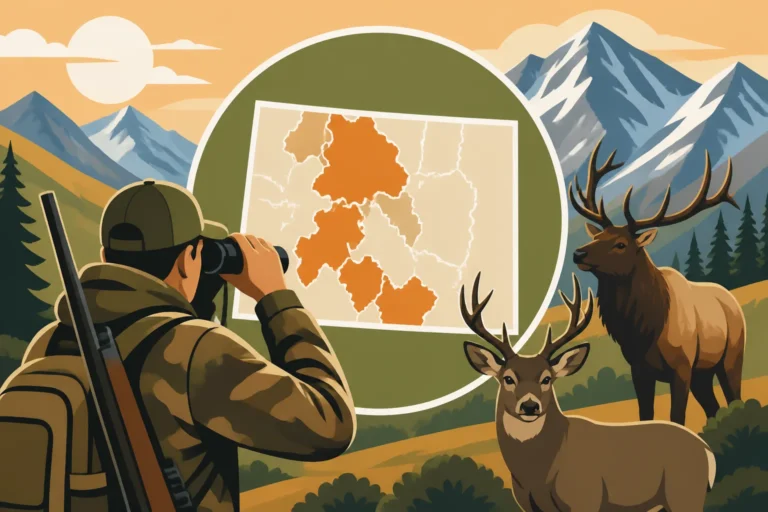
The Colorado Walk-In Access (WIA) program is a true gem for public land hunters, offering a unique bridge to private property that would otherwise be off-limits. It's designed to expand hunting, fishing, and sometimes even trapping opportunities by partnering with private landowners. If you’ve ever stared at a map, seeing vast tracts of private land bordering your public hunting grounds and wished you could access them, WIA is your answer.
The Genesis of WIA: Why it Exists
The idea behind WIA grew out of a common challenge: the abundance of wildlife on private lands and the increasing difficulty for the general public to access it. Colorado Parks and Wildlife (CPW) recognized that a lot of quality hunting habitat, particularly for elk, deer, and pronghorn, lies on private ranches. Without a program like WIA, this resource would largely be inaccessible, leading to concentrated pressure on public lands and under-harvested game on private property. The WIA program facilitates a mutually beneficial relationship: landowners receive compensation or other benefits for allowing public access, while hunters gain entry to areas they might never see otherwise. It's a testament to creative conservation and land management, ensuring that hunting traditions can thrive beyond just federal and state-owned grounds. This program helps distribute hunters more effectively and offers diverse hunting experiences, moving beyond just areas covered in a standard Colorado Public Land Hunting Guide.
How Landowner Participation Works
Landowners who enroll in the WIA program enter into agreements with CPW, typically on an annual basis. These agreements outline the terms of public access, including designated entry points, specific activities allowed (hunting, fishing, etc.), and the species that can be pursued. The beauty of this system is its flexibility for landowners; they can define the boundaries of access, restrict it to certain times of the year, or specify methods. For instance, some properties might allow archery elk hunting during the early season but close during rifle seasons. Others might be open exclusively for late-season cow elk tags. This flexibility encourages more landowners to participate, as they retain control over their property while contributing to public hunting opportunities. The program is funded through a combination of hunting license fees and federal grants, which directly supports the payments made to landowners, making your license purchase an investment in future access.
Types of Access Offered
The WIA program isn't a one-size-fits-all solution; it offers various types of access depending on the landowner agreement and the property itself. The most common is foot access, meaning no vehicles are allowed beyond designated parking areas. This often leads to some fantastic, less-pressured hunting, rewarding those willing to put in the effort. Some properties might offer walk-in access for specific game species only, such as pronghorn on the plains or pheasant hunting. It’s also crucial to distinguish WIA from other access programs like Colorado Ranching for Wildlife Explained, which has a different set of rules and application processes. Always check the specific rules for each WIA parcel, as they can vary greatly, even between neighboring properties.
How to Navigate and Use the WIA Atlas
The key to successfully utilizing the WIA program lies in understanding and effectively using the Colorado Walk-In Access Atlas. This digital mapping tool, provided by Colorado Parks and Wildlife, is your gateway to identifying and scouting these valuable private land parcels. It's not just a map; it's a dynamic resource that gets updated regularly.
Accessing the Digital Atlas
The primary way to access the WIA Atlas is through the Colorado Parks and Wildlife website. They offer both an interactive online map and downloadable PDF maps, which are incredibly useful for offline use in areas without cell service. The online interactive map is typically the most user-friendly, allowing you to zoom in on specific GMUs (Game Management Units) or regions. When you first open it, it might seem a bit overwhelming with all the layers, but take your time to familiarize yourself with the interface. Many hunters also find it beneficial to integrate this information with third-party mapping applications like onX Hunt. Overlaying WIA boundaries on these detailed topo maps, which also show public land boundaries, roads, and trails, creates a powerful scouting tool. This layering approach is a fantastic way to enhance your How to E-Scout Colorado Units efforts.
Understanding Map Layers and Symbols
Once you're in the WIA Atlas, pay close attention to the map layers and symbols. These aren't just decorative; they convey critical information about access points, property boundaries, and specific regulations. Common symbols include parking areas, designated walk-in routes, and boundaries of WIA parcels. Each WIA property will have a unique identifier and often a detailed information pop-up when clicked on the interactive map. This pop-up provides species allowed, season dates, specific rules (e.g., foot traffic only, no open fires, no camping), and contact information if required. It's paramount to read these details carefully for every property you plan to hunt. Don't assume that rules on one WIA parcel are identical to another, even if they're in the same general area. Think of it like reading the fine print on a contract; missing a detail could cost you a ticket or, worse, access to the program in the future. The Atlas is a living document, and CPW updates it frequently as new agreements are made or old ones expire, so always check the latest version before heading out.
Planning Your Hunt with WIA Data
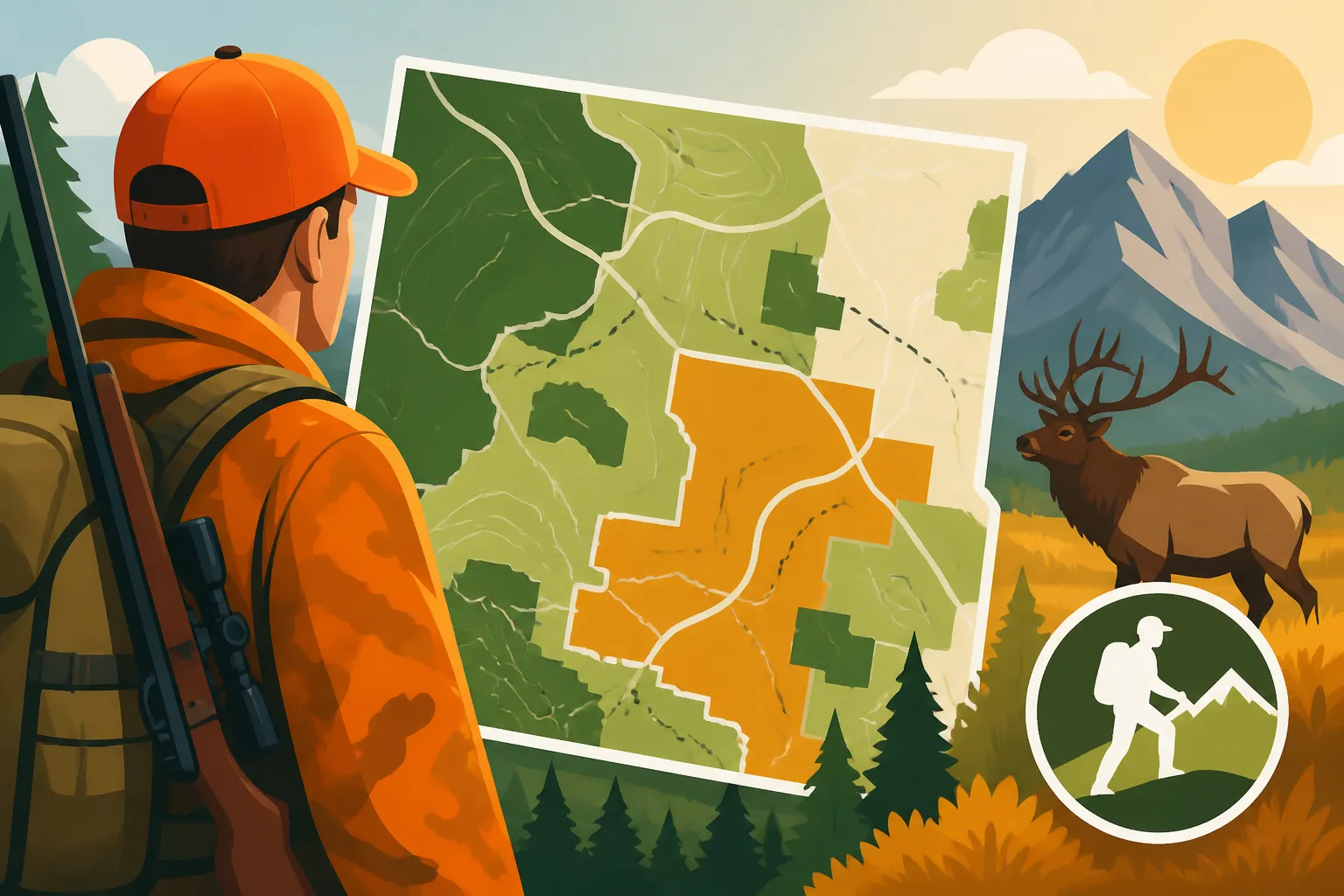
Effective trip planning is paramount, and WIA data can be a game-changer. Start by identifying the GMU you're interested in, perhaps after reviewing the Colorado Elk Draw Odds by Unit or specific species data. Then, overlay the WIA layer to see where private land access exists. Look for WIA parcels adjacent to or within large blocks of public land, as these can act as excellent corridors for game movement or provide access to secluded public ground that's otherwise hard to reach.
Consider the following as you plan:
- Access Points: Where are the legal entry points? Plan your approach and parking.
- Terrain: What does the topography look like on the WIA property? Are there drainages, timber, or open fields that might hold game?
- Rules: Double-check the specific rules for the property. Is it archery-only? Are certain dates restricted?
- Pressure: While WIA lands generally see less pressure than easily accessible public land, some properties near roads or towns can still be popular. Look for WIA parcels that require a bit more effort to reach.
You can also cross-reference WIA data with other resources. For instance, hunting intelligence platforms like GoHunt provide detailed unit information, harvest statistics, and even historical weather data that can inform your strategy on WIA properties. This combination of official WIA maps and advanced scouting tools allows for a truly informed and strategic approach.
Here's a quick overview of WIA property types:
| Access Type | Description | Common Species | Typical Restrictions | Scouting Tip |
|---|---|---|---|---|
| Foot Access | Designated parking, walk-in only beyond that point. | Elk, Mule Deer, Pronghorn, Small Game | No motorized vehicles, no camping, specific season dates/weapons. | Look for properties bordering known game corridors or bedding areas. |
| Seasonal Access | Open only during specific hunting seasons (e.g., archery season, late rifle season). | Varies widely by property and landowner | Strict adherence to open dates, often for specific species only. | Check atlas for specific dates; can offer less pressured hunting in short windows. |
| Specific Species | Access granted only for hunting particular species (e.g., pheasant, cow elk, pronghorn). | Pronghorn, Pheasant, Waterfowl, Cow Elk | Must adhere to species-specific regulations and often limited dates. | Ideal for targeted hunts; great for filling a specific tag. |
| Fishing/Trapping | Some WIA properties also offer public access for fishing or trapping alongside hunting. | Trout, Bass, Beaver, Muskrat | Often restricted to specific water bodies or dates. | Check if hunting access is also granted; sometimes a dual-purpose property. |
Maximizing Your Hunt with WIA Lands
Simply knowing about WIA is one thing; effectively integrating these lands into your hunting strategy is another. These areas often provide unique opportunities if you approach them with the right mindset and preparation.
Scouting WIA Properties Effectively
Just like any other hunting ground, pre-season scouting is paramount for WIA properties. Since many WIA parcels are private land, in-person scouting during the off-season might be restricted. This is where diligent e-scouting truly shines. Utilize the CPW WIA Atlas alongside aerial and topographical maps from platforms like onX Hunt to identify key features. Look for water sources, saddles, dense timber, agricultural fields, and natural funnels that animals might use. Pay close attention to the boundaries; a WIA parcel that borders a large wilderness area or a remote piece of BLM land can be incredibly productive, as animals might move between these areas.
If the WIA rules allow, a quick drive-by to identify legal parking and entry points can save you valuable hunting time. Look for signs of game movement, like tracks in mud along fence lines or rub lines on trees just inside the WIA boundary. Remember, these lands are still private property, so always respect the landowner's rules and boundaries during your scouting efforts. Never trespass, even accidentally, as it could jeopardize the WIA program for everyone.
Integrating WIA with Public Land Strategies
One of the most powerful ways to use WIA lands is to combine them with your existing public land strategies. Many WIA parcels are strategically located to provide access to otherwise landlocked public lands or to offer advantageous positions near known game migration routes. Imagine a WIA property that runs along a major elk migration corridor, connecting a summer range in the high country to a winter range at lower elevations. Hunting this WIA parcel during migration season could put you right in the thick of it.
Another common scenario involves WIA lands that create a buffer or a travel route through private property to larger, less-pressured public holdings. By using the WIA access, you might be able to get much deeper into backcountry areas without facing the typical human pressure found at standard public land trailheads. This is especially useful for hunters pursuing elk in rougher terrain, as detailed in our guide on How to Pack Into the Colorado Backcountry. Always double-check that the public land you're aiming for is also open to hunting and isn't a refuge or restricted area. Successful integration means viewing the WIA parcel not just as a standalone hunting spot, but as a critical piece of a larger hunting puzzle.
Targeting Specific Game Species on WIA
WIA properties often excel for specific types of hunting, depending on their location and the species they support. For instance, the vast open spaces of Colorado's Eastern Plains might have WIA properties specifically for pronghorn, offering excellent opportunities for archery or rifle hunters. These properties can provide crucial access points to fields and draws where these animals often graze or bed. Similarly, properties near agricultural fields might be prime for hunting migrating waterfowl or late-season deer and elk that are drawn to crop remnants.
For elk and deer, look for WIA lands that provide transition zones between timbered bedding areas and open feeding grounds, or properties with strategic water sources that animals frequent. Our guide on Colorado Elk Hunting Guide highlights many tactics that can be directly applied to WIA areas, especially those focused on understanding animal movement. When a WIA property specifies "either-sex elk," it can be an incredible opportunity to pursue bulls or cows without requiring a highly coveted draw tag, depending on the season and unit. Always tailor your approach and gear to the specific species and terrain of the WIA parcel you intend to hunt.
Common Challenges and Best Practices for WIA Lands
While the WIA program is an incredible benefit, it comes with responsibilities. Understanding potential challenges and adhering to best practices ensures the program's longevity and your success as a hunter.
Adhering to WIA Regulations
The most critical aspect of hunting WIA lands is strict adherence to the rules and regulations specific to each property. Every WIA agreement is unique, and failure to follow the rules can result in citations, loss of hunting privileges, and even the landowner withdrawing from the program. Always check the CPW WIA Atlas for the specific rules of the property you intend to hunt before you go, and again just before your hunt, as changes can occur.
Common regulations include:
- Foot Access Only: This is the most frequent restriction. Leave your ATVs, e-bikes, and even mountain bikes at the parking area unless explicitly stated otherwise.
- No Camping/Fires: Most WIA lands are day-use only. Respect the landowner's property by packing out everything you pack in.
- Specific Dates/Times: Some properties are only open on certain days of the week or during specific hunting seasons.
- Species/Weapon Restrictions: Only hunt the species and use the weapon types permitted for that WIA parcel.
- No Dogs: Often, dogs are not allowed, especially during big game seasons, unless it's for bird hunting or retrieving a downed animal under very specific conditions.
Think of yourself as a guest on someone's property – because you are. Your actions directly reflect on the entire hunting community and the viability of future WIA agreements. Being a responsible and ethical hunter is paramount.
Managing Hunter Pressure and Expectations
While WIA properties generally offer a less crowded experience than some easily accessible public lands, "walk-in access" doesn't necessarily mean "no other hunters." Properties close to population centers or with easy access points can still see significant pressure, especially during opening weekends. Manage your expectations accordingly.
To mitigate pressure:
- Hunt Mid-Week: If your schedule allows, hunting on weekdays will almost always lead to fewer encounters with other hunters.
- Go Deeper: Embrace the "walk-in" aspect. Many hunters won't venture more than a mile or two from the vehicle. If you're willing to put in the miles, you can often find solitude and undisturbed game. Our guide on How to Hunt Elk at High Elevation emphasizes the rewards of getting away from roads, a principle that applies perfectly to WIA lands.
- Scout Smarter: Use e-scouting tools like onX Hunt to identify areas within WIA properties that are harder to reach or offer natural barriers to human traffic. Look for rugged terrain or dense timber that might deter casual hunters.
Remember, the goal is a quality hunting experience, which doesn't always mean a harvested animal. Enjoy the access, the challenge, and the opportunity to explore new grounds.
Building Positive Relationships with Landowners
Although you likely won't interact directly with the landowner on most WIA parcels, your behavior reflects on them and the CPW program. Treat the property as if it were your own, or better yet, as if you were a trusted friend visiting a landowner's ranch.
Here's how to foster positive relationships:
- Leave No Trace: Pack out all trash, spent casings, and anything else you brought in. Leave gates as you found them (open if open, closed if closed). Do not damage fences or other property infrastructure.
- Stay Within Boundaries: Absolutely do not cross into adjacent private property that is not part of the WIA program. Use your mapping apps to verify your location constantly. Accidentally trespassing can ruin a landowner's trust and potentially lead to their withdrawal from the program.
- Report Issues: If you notice vandalism, poaching, or other issues on WIA land, report it to CPW. This helps protect the program and demonstrates your commitment to ethical hunting.
- Be Considerate: If you see other hunters, be courteous and give them space. A positive interaction among hunters on WIA land reinforces the community aspect and respect for the access provided.
The Colorado Walk-In Access Atlas is a phenomenal resource, one that embodies the spirit of expanding opportunity for all hunters. By understanding its functions, using it diligently, and always practicing responsible hunting ethics, you can contribute to its success and enjoy countless adventures on Colorado's diverse landscapes.
Disclaimer
The information provided in this guide is for general informational purposes only and is not intended as legal advice. Hunting regulations, season dates, and specific property rules on Colorado Walk-In Access (WIA) lands can change frequently. Always consult the official Colorado Parks and Wildlife (CPW) website, the most current WIA Atlas, and the current year's hunting regulations brochure before planning or undertaking any hunt. Failure to do so could result in fines, penalties, or loss of hunting privileges. The author and publisher are not responsible for any actions taken based on the information presented herein.