Colorado GMU 421 Hunting Guide
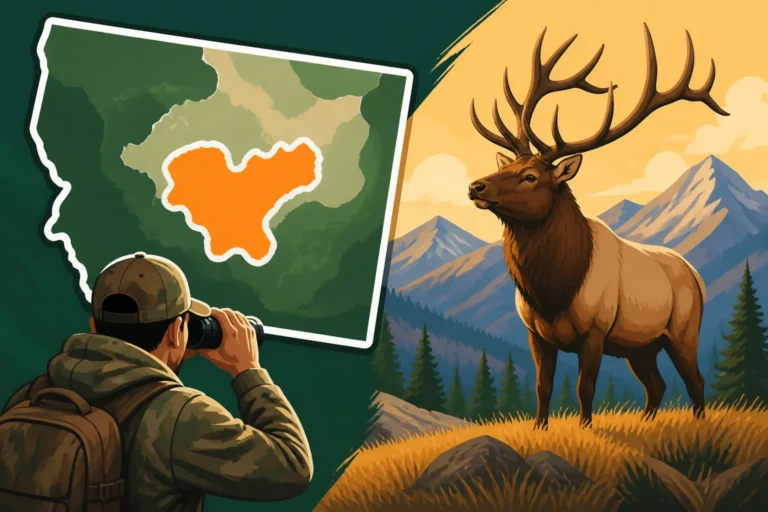
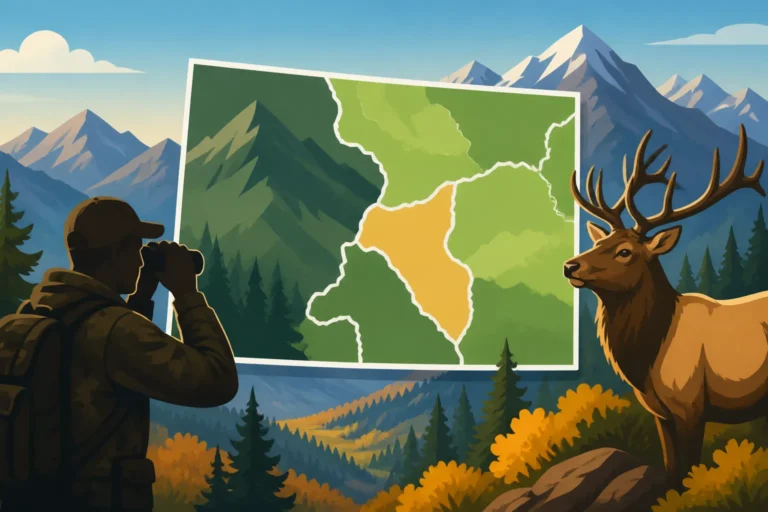
Choosing a specific Game Management Unit (GMU) in Colorado can feel like navigating a maze, especially when you're trying to pin down the perfect spot that balances access, success potential, and the kind of hunting experience you're dreaming of. This guide is going to take a deep dive into Colorado GMU 421, shedding light on what makes it tick for elk and deer hunters, and helping you decide if it’s the right unit for your next adventure in the high country.
Exploring the Diverse Landscape of Colorado GMU 421
GMU 421 is nestled in the heart of Colorado's Western Slope, a region renowned for its incredible big game populations and rugged, beautiful terrain. Understanding the lay of the land here is the first step to unlocking its hunting potential. This unit is part of what many envision when they think of Colorado elk country – expansive national forests, towering peaks, and challenging but rewarding landscapes.
Geographical Snapshot and Key Features
GMU 421 is largely characterized by the formidable terrain of the White River National Forest. We're talking about elevations that can range dramatically, from around 6,000 feet in the lower river valleys up to well over 11,000 feet in the higher reaches. The landscape here is a classic mosaic of dark timber stands, primarily spruce and fir, interspersed with vibrant aspen groves that turn golden in the fall, and open parks or meadows at various elevations. You’ll find steep, north-facing slopes that hold moisture and offer cool bedding areas for elk, contrasting with sun-drenched, south-facing slopes that warm up quickly and often contain browse for mule deer.
Water is usually abundant in GMU 421, with numerous small creeks, drainages, and springs carving through the mountainsides, feeding into larger rivers like the Colorado River to the south. These water sources are critical to locate, as they often dictate game movement patterns, especially during drier periods or early seasons. Key features hunters often look for include prominent saddles connecting ridges, benches on steep slopes, and finger ridges that extend down into dense timber, offering travel corridors and escape routes for game. The northern boundary of the unit borders the famous Flat Tops Wilderness Area, and while GMU 421 itself isn't entirely wilderness, it certainly shares many of the remote, rugged characteristics that make wilderness hunting so appealing and challenging.
Public Land Access and Private Property Navigation
One of the biggest draws of GMU 421 is its high percentage of public land. The vast majority of the unit falls within the White River National Forest, offering extensive opportunities for public land hunters. This means less worry about knocking on doors and more focus on scouting and hunting. However, like many Western units, there are pockets of private land, particularly in the lower elevations, along river bottoms, and near ranching operations. It's absolutely crucial to know your boundaries. Tools like onX Hunt are indispensable here, providing real-time maps that clearly delineate public from private land, so you can hunt with confidence and avoid trespassing headaches.
Access into GMU 421 varies. Maintained forest service roads typically provide decent vehicle access into many parts of the unit, but these roads can quickly turn into rough, two-track trails that require a high-clearance 4×4, or they may simply dead-end into trailheads. Some of the best hunting, especially for trophy animals or to escape pressure, will often require venturing deeper on foot or by horseback into more remote areas. Popular access points might be found off Highway 13 south of Meeker, or various roads leading east from Rifle or Silt. Identifying these trailheads and understanding the trail systems before your hunt is vital. Don't underestimate the physical demands of covering ground in this unit; even well-maintained trails can be steep and long. For those interested in more remote hunts, understanding how to pack into the Colorado backcountry is essential.
Elk and Mule Deer Hunting Prospects in GMU 421
GMU 421 holds a well-earned reputation as a solid elk unit and offers decent opportunities for mule deer. The healthy populations of both species are a testament to the diverse habitat and diligent management by Colorado Parks and Wildlife (CPW). However, success here, as anywhere in Colorado, depends heavily on understanding animal behavior and adapting to the specific conditions of your hunt.
Understanding Elk Behavior and Habitat Use
Elk are the primary draw for many hunters in GMU 421. The unit is part of a larger elk management area that consistently produces a good number of animals. During the early seasons, particularly in archery and muzzleloader hunts, elk are often found higher up in the cool, dark timber pockets, in high-elevation basins, and around secluded water sources. They'll be feeding on lush mountain grasses and forbs, and seeking shade during the warmer parts of the day. As the rut approaches in September, the bulls become more vocal, and you might hear bugles echoing through the valleys. Learning how to call elk in Colorado is a game-changer during this time.
Later in the season, especially during the rifle seasons when hunting pressure increases and colder weather sets in, elk often change their patterns. They might move down from the highest elevations, seeking more sheltered areas with denser timber cover, or migrating to lower wintering grounds if heavy snow pushes them. It’s not uncommon to find them hunkered down on north-facing slopes, using the thick timber as a refuge from both hunters and the elements. They become masters of avoiding detection, often moving silently through the timber. Understanding Colorado elk migration patterns and how weather influences their movement will give you a significant advantage. This unit offers both OTC archery tags and typically limited draw rifle tags, so understanding the specific season you're hunting in is key to anticipating their behavior.
Targeting Mule Deer in Different Seasons
While elk often steal the spotlight, GMU 421 also offers good opportunities for mule deer. Mule deer in this unit tend to prefer the more open, broken country, aspen stands, and the fringes of the dark timber, often at slightly lower elevations than the elk during summer. They are browser animals, so look for areas with shrubs and young growth. During the archery and early rifle seasons, bucks will be in their summer patterns, often in bachelor groups, focused on feeding and growing their antlers. Spot-and-stalk hunting in Colorado is a highly effective method for these early-season deer, requiring patience and good optics to pick them out in the vast landscape.
As the later rifle seasons progress and the weather cools, mule deer activity picks up, particularly leading into their rut in late October and November. They will start to become more visible, moving more frequently as bucks begin seeking does. This is when you might find them in transition zones, moving between bedding areas in cover and feeding areas. Understanding the specific mule deer rut explained can greatly increase your chances of success. Like elk, increased hunter pressure can push deer into thicker cover, so don't be afraid to venture off the beaten path into those less-accessed drainages and timbered areas where they feel safe.
Effective Hunting Strategies and Considerations for GMU 421
Hunting in GMU 421, like much of Colorado's high country, is physically demanding but incredibly rewarding. A well-thought-out strategy, combined with solid preparation, is crucial for success.
Leveraging E-Scouting and Physical Preparation
Before you even set foot in the unit, serious e-scouting can save you days of wasted effort. Using satellite imagery and topographic maps on platforms like onX Hunt allows you to identify potential bedding areas, feeding grounds, water sources, travel corridors, and pinch points. Look for north-facing slopes with thick timber for elk bedding, and south-facing slopes with diverse vegetation for deer. Identify prominent saddles, benches, and old logging roads or trails that might act as game highways. These tools are also great for marking potential camp spots and planning your daily routes, considering elevation changes and access points.
Beyond digital scouting, physical preparation is paramount. GMU 421 is rugged, with significant elevation gains and losses. You'll be covering miles over uneven terrain, potentially at high altitudes. A robust Colorado elk hunt fitness plan that includes cardio, strength training, and hiking with a weighted pack is essential. Don't neglect altitude training for Colorado hunting, especially if you're coming from sea level. Being in peak physical condition means you can hunt harder, longer, and safer, increasing your chances of success and enjoyment.
Adapting to Season-Specific Challenges and Hunter Pressure
The challenges in GMU 421 change dramatically with each season. Archery season offers a unique experience, often with active elk and less hunter pressure than rifle seasons. However, it requires getting closer to animals, which is inherently more difficult. Learning Colorado archery elk hunting guide tactics, especially for the rut, is key. Muzzleloader season, typically in mid-September, can coincide with the tail end of the rut, offering another exciting opportunity, though tags are very limited.
Rifle seasons, particularly the 2nd and 3rd seasons, often see the most hunter pressure. Maintained roads and easily accessible areas can become crowded. If you're hunting during these times, be prepared to walk further, ascend steeper slopes, or use more advanced techniques like finding elk in deep timber to get away from the crowds. Public land pressure is a real concern in many popular Colorado units, and GMU 421 is no exception. Developing a strategy to escape this pressure, such as targeting more remote basins or committing to a multi-day backcountry hunt, will greatly improve your experience. Weather is another massive factor; early snowstorms can push animals to lower elevations, while warm weather can make them nocturnal. Always be prepared for anything Mother Nature throws at you.
Navigating Hunter Pressure and Challenges
Even with extensive public land, popular units like GMU 421 can experience significant hunter pressure, especially during rifle seasons. This pressure can change animal behavior, making them more nocturnal or pushing them into thicker, more inaccessible cover. To combat this, consider hunting during the weekdays if possible, or focusing your efforts on areas that require a serious hike to reach. Many hunters stick to within a mile or two of a road, so pushing further into the backcountry, perhaps into some of the roadless areas bordering the Flat Tops, can yield unpressured animals.
Communication is also vital if you're hunting with a partner. Knowing where everyone is and coordinating movements can help you cover ground efficiently and safely. Be prepared for varied weather conditions; carry appropriate layers, a reliable GPS or mapping app (like onX Hunt), and sufficient food and water. For those aiming for a DIY hunt, remember that successfully harvesting an elk or deer in this rugged country also means knowing how to pack out an elk in Colorado, which is a monumental physical task, especially if you're hunting solo. Having the right gear, including a quality backpack for a Colorado elk hunt, will make a world of difference. Consulting resources like GoHunt for draw odds and unit analysis before applying can help gauge potential hunter numbers and unit quality for specific species.
GMU 421 Hunting Overview Table
To give you a quick snapshot of what to expect in Colorado GMU 421, here's a helpful overview:
| Feature | Details |
|---|---|
| Location | Northwest Colorado, primarily within White River National Forest |
| Elevation Range | ~6,000 ft to over 11,000 ft |
| Primary Game Species | Elk (good population), Mule Deer (decent population) |
| Public Land Percentage | High (extensive National Forest land) |
| Key Access Roads | Forest Service Roads off CO Hwy 13, east from Rifle/Silt |
| Terrain Description | Rugged mountains, steep drainages, dark timber, aspen groves, open parks/basins |
| Hunting Pressure | Moderate to High, especially in accessible areas during rifle seasons; lower in remote backcountry |
| Tag Availability | Archery elk often OTC, Rifle/Muzzleloader typically limited draw; check current CPW regulations |
| Nearest Towns | Meeker, Rifle, Glenwood Springs |
| Physical Demands | High – requires excellent physical fitness and preparation for altitude and rugged terrain |
Disclaimer
Hunting is an inherently dangerous activity. This guide provides general information and recommendations for hunting in Colorado GMU 421. Regulations, conditions, and wildlife behavior can change. Always consult the most current Colorado Parks and Wildlife (CPW) regulations, acquire appropriate licenses and tags, and scout your chosen area thoroughly. Be prepared for all weather conditions and potential hazards. Safety should always be your top priority.