Colorado Pronghorn Meat Explained
For many hunters, the thought of harvesting a magnificent Colorado pronghorn is thrilling, but when it comes to the table, some folks harbor reservations about the meat. You might have heard whispers about "gamey" flavors or tough textures, which can make a hunter hesitant to put in the effort to process and cook it. This guide is here to debunk those myths and help you understand, handle, and prepare Colorado pronghorn meat so it becomes a prized delicacy in your kitchen.
Understanding Colorado Pronghorn Meat Quality
Let's face it, when people hear "antelope meat," a shiver of skepticism sometimes runs down their spine. There's a persistent myth out there that pronghorn meat is inherently "gamey" or undesirable. But I'm here to tell you that, with the right approach, Colorado pronghorn meat is some of the finest wild game you can put on your plate—lean, flavorful, and incredibly nutritious. The truth is, most negative experiences stem from improper field care, not the animal itself.
The Unique Flavor Profile of Pronghorn
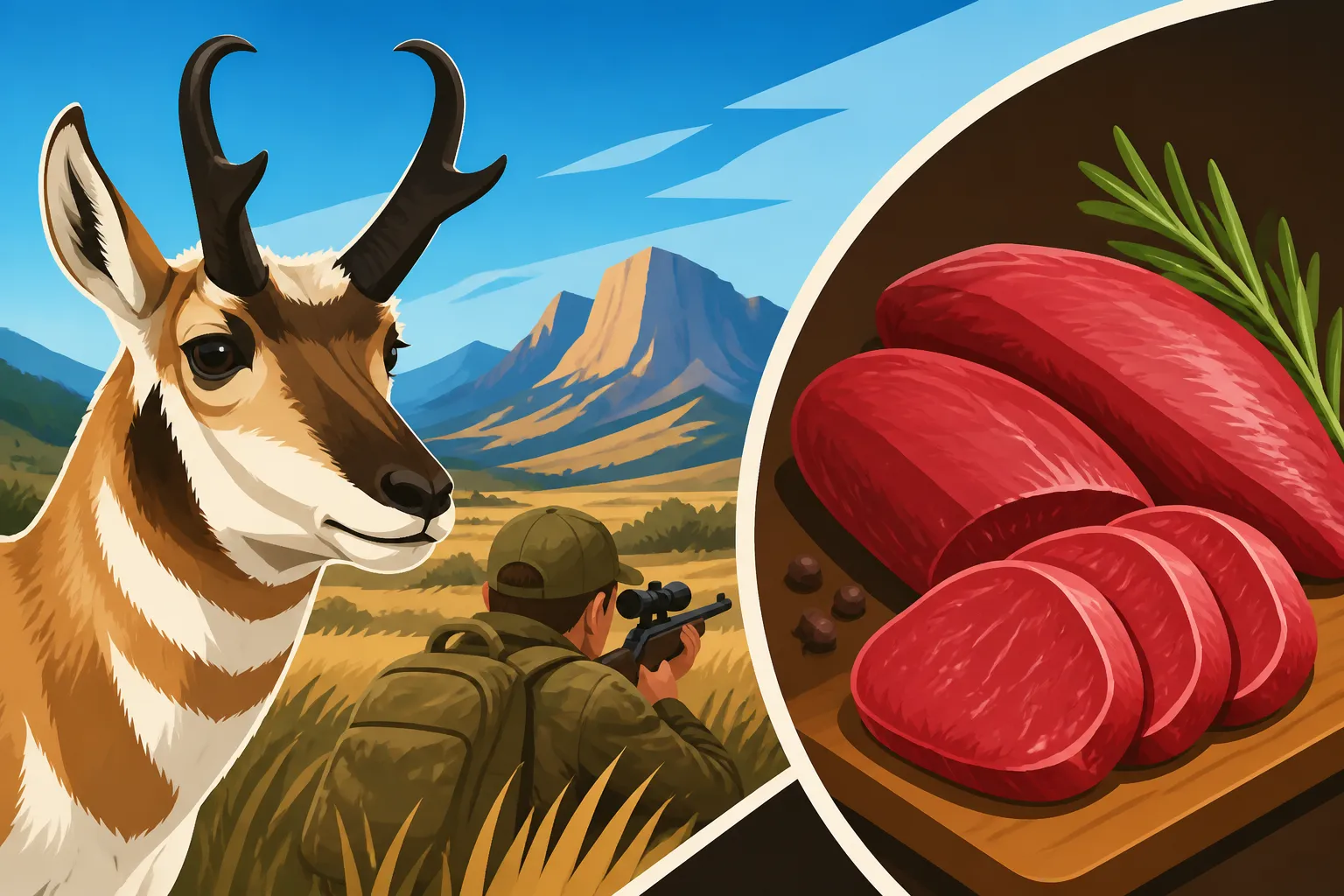
Pronghorn meat stands apart from other big game. It's often described as having a rich, beef-like flavor with subtle earthy notes, almost a sweet undertone. It’s naturally very lean, which means it’s lower in fat and cholesterol compared to domestic meats. This leanness, while healthy, also dictates how you should handle and cook it. Unlike elk or deer, which can have a stronger, bolder "game" taste, pronghorn tends to be milder and, frankly, quite delicious when properly cared for. Many compare its delicate texture to that of high-quality veal, making it surprisingly versatile for various culinary applications.
Factors Influencing Meat Quality
Several critical factors can make or break the quality of your pronghorn meat. The biggest culprit for "gamey" flavor is often improper field care, specifically slow cooling and contamination. A wounded animal that isn't recovered quickly, or one that's dragged extensively through dirt and brush, can suffer from adrenaline-dumped meat that sours quickly and picks up off-flavors. Similarly, a warm weather hunt where the carcass isn't immediately gutted and cooled will lead to bacterial growth and a strong, unpleasant taste. Knowing the areas where pronghorn graze, like the expansive Eastern Plains Hunting Access or specific units often highlighted by tools like GoHunt for their abundant herds, can also give you an edge in finding healthier animals, though diet generally plays a lesser role than post-harvest handling.
Field to Freezer: Best Practices for Pronghorn Meat
This is where the magic happens, folks. Seriously, the moment that animal hits the ground, every second counts. Good field care isn't just a suggestion; it's a non-negotiable step to ensure you get delicious, table-worthy meat from your Colorado pronghorn.
Immediate Field Dressing and Cooling
The absolute most crucial step for excellent pronghorn meat is rapid field dressing and immediate cooling. Pronghorn are often hunted in warmer, open country, especially during early archery or muzzleloader seasons. This means heat can ruin meat incredibly fast. As soon as you've made your shot and confirmed the animal is down, get to it quickly. Gut the animal immediately to allow its body heat to escape. If you're out in the plains, think about how you'll get it into the shade or even back to a cooler as fast as possible. You might even consider having a cooler with ice ready in your vehicle, especially if you're hunting in warmer conditions. This quick action is even more critical than when you're dealing with larger game like elk in colder mountain environments. Proper preparation for this, often outlined in guides like How to Pack Out an Elk in Colorado, applies directly to any big game animal.
| Aspect | Pronghorn Meat Quality Impact | Best Practice |
|---|---|---|
| Field Dressing | Delays lead to bacterial growth, strong flavor. | Immediately gut after harvest to allow rapid cooling. |
| Cooling | Warm meat quickly spoils, turns "gamey." | Get meat into shade and on ice/cooler as fast as possible. Airflow is key. |
| Cleanliness | Contamination (dirt, gut contents) introduces bacteria and off-flavors. | Use clean knives, avoid dragging on ground, wipe blood, keep hair off meat. |
| Aging | Can improve tenderness and flavor, but must be done correctly. | Dry age in a cool, well-ventilated space (35-40°F) for 3-7 days if possible. |
| Packaging | Poor packaging leads to freezer burn and flavor loss. | Vacuum seal or tightly wrap in butcher paper, then freezer paper. |
Proper Transportation and Processing
Once field-dressed, focus on keeping that meat clean and cool. If you can get the animal whole into your truck bed, lay it on a tarp, not directly on a hot surface. If you're quartering it in the field—which is often a good idea for quicker cooling and easier transport, especially if you're deep into an area like the Colorado Plains for Pronghorn—make sure you're using clean game bags. Avoid plastic bags, as they trap heat. Instead, use breathable game bags that allow air circulation while protecting the meat from flies and debris. For those late-season hunts where temperatures drop, knowing How to Keep Elk Meat Cool in Warm Weather might seem counterintuitive, but the principles of maintaining consistent cool temperatures are always applicable, regardless of the species. When you're considering your hunt plan, using mapping applications, like those often discussed by GoHunt, can help you identify optimal routes for quick game retrieval and transport to your processing location. Once home, break down the quarters into primary cuts, removing all silver skin, fat, and fascia. This "trimming" process is vital; pronghorn fat can sometimes have a stronger flavor than the muscle meat itself. If you're serious about your harvest, you'll invest the time in this step.
Culinary Delights: Cooking Colorado Pronghorn
Now for the fun part! You've put in the hard work, respected the animal, and meticulously cared for the meat. The reward is a lean, delicious protein that can star in countless dishes.
Tips for Cooking Lean Game Meat
Because pronghorn is so lean, it's incredibly easy to overcook, which will leave you with dry, tough meat. The key is to cook it quickly and to a medium-rare or medium doneness. Think searing, grilling, or pan-frying. Slow-cooking methods are also excellent for tougher cuts or roasts, but generally, quick high-heat cooking for steaks and backstraps is preferred. Many hunters like to lightly coat or wrap their prime cuts in bacon or pancetta to add some much-needed fat and moisture during cooking. This isn't to mask the flavor but to complement its natural leanness and enhance its tenderness. Don't be shy about seasoning either—a simple salt and pepper rub often lets the meat's natural flavors shine, but it also takes well to marinades that tenderize and add moisture.
Versatile Recipes and Meal Ideas
Pronghorn meat is surprisingly versatile. Its mild flavor makes it a fantastic substitute for beef in many recipes. Think about making delicious chili, tacos, or even a hearty bolognese. For steaks and backstraps, a quick sear in a hot cast-iron pan with a knob of butter and some fresh herbs like rosemary or thyme is exquisite. You can also cube it for stir-fries, grind it for burgers, or slow-cook the tougher cuts from the shoulders or hindquarters for tender stews and braises. Don't forget to explore recipes for sausages or jerky, which are fantastic ways to utilize trim and ensure no part of your hard-earned harvest goes to waste. When planning your hunt, understanding the Colorado Pronghorn Hunting Guide or how to Best Method to Hunt Colorado Pronghorn might feel far removed from the kitchen, but a successful, clean hunt directly translates to better culinary results.
Here are a few ideas to get you started:
- Seared Pronghorn Backstrap: A true delicacy. Slice the backstrap into 1-inch thick medallions, season generously, and sear quickly on high heat for 2-3 minutes per side. Rest for 5 minutes before slicing against the grain.
- Pronghorn Tacos: Grind shoulder or trim meat, brown it with your favorite taco seasoning, and serve in warm tortillas with fresh toppings. This is a crowd-pleaser and a great way to introduce friends to wild game.
- Slow-Cooked Pronghorn Roast: For tougher cuts, a low and slow roast with root vegetables and herbs will yield incredibly tender, fork-shredded meat perfect for sandwiches or a comforting dinner. This is especially good for cuts from older animals that might be a bit tougher.
- Pronghorn Chili: The lean, rich flavor of pronghorn makes for an exceptional chili. Brown the ground meat, add your favorite beans, tomatoes, and chili spices, and let it simmer all day.
Embracing the full potential of your Colorado pronghorn goes beyond the harvest; it extends into the kitchen. By focusing on meticulous field care and thoughtful preparation, you'll transform your harvest into a healthy, delicious meal that truly honors the animal. Whether you secured your tag through the Colorado Draw System and Preference Points or managed to snag one of the available Colorado Leftover Tags Explained, knowing how to handle and cook your pronghorn is a crucial part of the hunting experience.
Disclaimer
Please remember that hunting regulations and seasons in Colorado can change. Always consult the official Colorado Parks and Wildlife (CPW) website or their current regulations brochure for the most up-to-date and accurate information before planning any hunting activity. This guide is for informational purposes only and should not replace official sources.