Colorado Bighorn Sheep Habitat
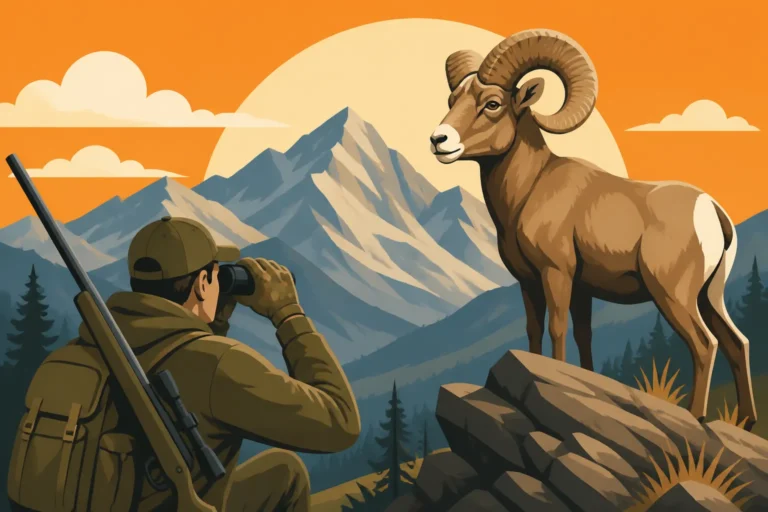
Hunting Colorado's majestic bighorn sheep is a dream for many, but finding these elusive animals is a challenge that often leaves even seasoned hunters scratching their heads. Their habitat preferences are incredibly specific, shaped by centuries of adaptation to the harshest mountain environments, making them one of the most difficult big game species to locate consistently. This guide will walk you through the intricacies of Colorado bighorn sheep habitat, helping you understand where these magnificent animals live, why they choose those places, and how you can apply this knowledge to your next hunt.
Understanding the Unique World of Colorado Bighorn Sheep
Colorado is home to a robust population of Rocky Mountain bighorn sheep, a species revered for its iconic curled horns and incredible resilience. Unlike elk or deer that might roam extensive forested areas or open plains, bighorns are highly specialized residents of rugged, high-altitude terrain. They're often found in remote, steep, and rocky environments where few other large mammals dare to tread. This extreme habitat offers them crucial advantages, primarily protection from predators and access to unique forage.
The Bighorn's Niche in Mountain Ecosystems
Bighorn sheep occupy a distinct ecological niche, thriving in areas that many other animals simply can't navigate efficiently. This includes sheer cliffs, broken rock slides, and steep alpine meadows. Their hooves are perfectly designed for this, with a hard outer rim for traction and a soft, pliable inner pad that acts like a shock absorber and gripping surface. This unique adaptation allows them to move with astounding agility and confidence across treacherous terrain, providing them a natural defense against predators like mountain lions and coyotes, who struggle to follow. Understanding this fundamental aspect of their biology is the first step in unraveling their habitat preferences; they live where they can best survive.
Why High Elevation and Rugged Terrain are Non-Negotiable
When you think of bighorn sheep, you should immediately picture vertical landscapes. Their preference for high elevation and rugged terrain isn't just a quirk; it's a matter of survival. These areas provide the "escape terrain" they desperately need. A bighorn sheep will almost always position itself within a stone's throw of a sheer drop-off or a maze of rocks it can quickly disappear into if threatened. This means they are rarely found in thick timber or flat, open valleys for extended periods. Instead, they favor exposed, windswewept ridges, steep canyons, and rocky slopes that offer both vigilance and a swift exit. This reliance on escape terrain also dictates their feeding patterns and bedding locations, as they will always prioritize safety over comfort.
Key Elements of Prime Bighorn Sheep Habitat
While all bighorn habitat is rugged, not all rugged terrain is created equal in the eyes of a bighorn sheep. There are specific, critical elements that must be present for an area to sustain a healthy sheep population. Without these components, even the most formidable mountain range will likely be void of these incredible animals.
Steep, Rocky Escape Terrain
This is arguably the most critical component. Bighorn sheep demand steep, rocky cliffs, ledges, and broken terrain where they can quickly flee from predators. These areas typically have a slope greater than 40-50 degrees and often feature a mix of solid rock faces, large boulders, and sparse vegetation. You'll often find them utilizing south-facing slopes in the colder months, as these areas melt off faster and provide easier access to forage and more direct sunlight.
When you're glassing for sheep, don't just look at the cliffs, look in the cliffs. They use small ledges and caves for bedding, often melting into the rock face itself. Think about how a bighorn would navigate the terrain—they aren't looking for a gentle hike; they're looking for an impregnable fortress that still offers them food and water nearby. Tools like a high-quality spotting scope and binoculars are absolutely essential for picking apart these complex landscapes. Consider checking out some of the best optics for Colorado big game to help you in your search.
Reliable Water Sources
Even in the dry, high-altitude environments they inhabit, bighorn sheep need water. They are typically found within a mile or two of a permanent water source, whether it's a high-alpine lake, a spring, a snowfield, or a flowing creek. Their daily patterns often revolve around these water sources, especially during drier periods or warmer months.
However, don't expect to find them drinking from wide, open rivers like a deer. Bighorns prefer to access water from protected spots, often where the terrain still offers them an escape route. Small seeps, snow patches lingering in shaded couloirs, or narrow sections of a stream where they can quickly drink and disappear back into the rocks are common. If you can locate these specific water features on an e-scouting platform like GoHunt, you're one step closer to patterning sheep movements.
Quality Forage and Mineral Licks
Despite their preference for rocky landscapes, bighorns are herbivores and require specific types of forage to thrive. They primarily graze on grasses, forbs, and shrubs found in alpine meadows, open slopes, and sparse timber patches adjacent to their escape terrain. They are quite selective, often choosing high-protein plants that can sustain them through harsh winters.
Mineral licks are also incredibly important for bighorn health, providing essential nutrients often lacking in their diet. These can be naturally occurring areas where soil or rock has a high mineral content, or sometimes even old, weathered wood. Locating these licks can be a critical piece of the puzzle for understanding sheep movement patterns, as ewes and lambs especially frequent them. When you're scouting, keep an eye out for areas with disturbed soil or rock that shows signs of animal activity—it might just be a bighorn mineral lick.
Seasonal Movement and Habitat Utilization
Bighorn sheep don't stay in one spot all year. Their habitat use shifts dramatically with the seasons, driven by changes in forage availability, snowpack, breeding cycles, and predator pressure. Understanding these seasonal migrations and preferences is key to predicting where they might be during different hunting seasons.
Spring and Summer Habitat
As winter snows begin to recede, bighorn sheep often move to lower elevations and south-facing slopes where green-up occurs earliest. Ewes will typically seek out lambing grounds—extremely rugged, secluded areas with abundant escape terrain—to give birth, often in May or June. These lambing grounds are usually at lower to mid-elevations (8,000-11,000 feet) and near excellent forage.
During the peak summer months, rams often separate from the ewes and lambs, moving to higher, more remote alpine basins and ridges, sometimes well above 12,000 feet. They spend their days feeding on lush alpine vegetation and developing their horn growth. These higher elevations offer cooler temperatures and fewer insects. This is also a good time to observe them, as the sheep are less wary than during the hunting season. Scouting these high-country haunts in late summer can give you a significant advantage. Learning how to hunt elk at high elevation can give you some transferable skills for navigating this terrain.
Fall and Winter Habitat
As fall approaches and hunting seasons begin, bighorns generally remain in their high-elevation summer ranges, though they might start to gradually descend as temperatures drop and snow begins to accumulate. The rut, or breeding season, typically occurs in November and December. During this time, rams will rejoin the ewes, and you might find them in slightly less extreme terrain as they focus on breeding activity, though always near that critical escape cover.
Winter is perhaps the most challenging time for bighorn sheep. Heavy snow forces them to migrate to lower elevations, often concentrating in specific wintering ranges. These areas are characterized by relatively low snow depths, usually on windswept ridges or south-facing slopes, providing accessible forage. However, even in wintering areas, the proximity to escape terrain remains paramount. These winter ranges are often steep and rocky, but with sufficient exposed vegetation to sustain them through the lean months. Understanding these migration patterns is crucial, and Colorado Hunting Seasons Explained can provide context on when you might intercept these movements.
Typical Elevation Ranges by Season
To give you a better idea of their movements, here's a general breakdown:
| Season | Typical Elevation Range (feet) | Habitat Characteristics | Key Activities |
|---|---|---|---|
| Winter | 7,000 – 10,000 | Windswept ridges, south-facing slopes, patchy snow, escape terrain. | Survival, feeding on exposed forage. |
| Spring | 8,000 – 11,000 | Early green-up areas, lambing grounds, transition to higher elevations. | Lambing (ewes), forage growth. |
| Summer | 10,000 – 14,000+ | High alpine basins, rocky ridges, lush meadows near escape terrain. | Feeding, horn growth, ram bachelor groups. |
| Fall | 9,000 – 12,000 | Transition from summer ranges, pre-rut and rut activities. | Rutting (Nov-Dec), preparing for winter. |
Note: These are general ranges and can vary significantly based on specific mountain range, snowpack, and localized conditions.
Identifying Prime Bighorn Habitat in Colorado GMUs
Now that we understand the core components of bighorn habitat and how it changes seasonally, let's talk about applying this knowledge to specific areas in Colorado. This is where your research and scouting efforts truly pay off.
Using Technology for E-Scouting
Before you ever lace up your boots, you should be spending significant time e-scouting. Online mapping tools, especially those that provide detailed topographic and satellite imagery, are invaluable. Look for areas with:
- Extreme Contour Lines: Indicating steep slopes and cliffs.
- Sparse Vegetation: Visible on satellite imagery, suggesting rocky, exposed areas rather than dense timber.
- High-Resolution Satellite Imagery: To identify small ledges, rock slides, and potential bedding areas.
- Water Features: Mark all springs, seeps, and permanent snowfields.
- Aspect: Identify south-facing slopes for winter and early spring forage.
A premium subscription to a mapping service like GoHunt can provide essential layers, including public/private land boundaries, historical weather data, and even anecdotal reports, which can help you narrow down potential bighorn country. Understanding how to E-Scout Colorado units is a foundational skill for any serious hunter, especially for species like bighorns that inhabit such specific terrain.
Ground Scouting and Observation Techniques
Once you've identified potential areas on a map, it's time for boots on the ground. Ground scouting is absolutely crucial for confirming habitat quality and locating sheep. The best way to do this is often from a distance, using powerful optics. Find a vantage point that allows you to safely and patiently glass large expanses of sheep country.
Focus your attention on:
- Breaks in Terrain: Where steep cliffs meet more gradual slopes.
- Natural Funnels: Areas where sheep might be forced to traverse specific paths due to terrain features.
- High Ridges and Peaks: Sheep often bed on these for visibility and escape.
- Hidden Basins and Couloirs: These can hold sheep seeking shelter or feed.
It takes time and patience to pick apart these complex landscapes. Don't just scan; grid the mountainsides methodically. Look for movement, distinct shapes that don't look like rocks, or changes in color. Remember, bighorns often blend seamlessly into their surroundings. They are also known to frequent similar areas to the Colorado mountain goat, though bighorns prefer slightly less extreme, more open rocky areas compared to the goats' truly vertical domain.
Choosing the Right Colorado GMU
Colorado has several Game Management Units (GMUs) known for bighorn sheep. While drawing a tag in many of these units can take significant preference points due to their limited availability, researching these units provides valuable insight into prime habitat. Units in the Collegiate Peaks, Sawatch Range, San Juan Mountains, and parts of the Front Range are renowned for their bighorn populations. Each of these ranges offers unique geological features but generally adheres to the principles of steep, rocky, high-elevation habitat with access to water and forage. You can explore the Colorado Hunting Atlas Explained for detailed unit information. When considering which unit to apply for, understanding the Colorado Draw System and Preference Points is essential, as bighorn tags are some of the hardest to draw.
Disclaimer
Hunting in Colorado involves inherent risks, including but not limited to those associated with wildlife, rugged terrain, and unpredictable weather. The information provided in this guide is for informational purposes only and does not guarantee success or safety. Always consult the most current Colorado Parks and Wildlife (CPW) regulations before planning any hunt. Personal responsibility, proper preparation, and adherence to all laws are paramount.