How to Hunt Elk in Colorado
Hunting elk in Colorado is an experience unlike any other, but let's be honest, it can feel incredibly daunting to even begin planning. The sheer scale of public land, the complex regulations, and the physical demands often leave aspiring elk hunters feeling overwhelmed before they even set foot in the mountains. This comprehensive guide is here to demystify the process, offering practical advice and realistic insights to help you navigate the journey of chasing elk in the Centennial State.
Understanding Colorado Elk and Their Habitat
Before you can even think about packing your boots, you’ve got to get inside the head of an elk. Understanding their behavior and knowing their preferred stomping grounds is absolutely critical to finding success in the vast Colorado wilderness. It’s not just about luck; it’s about knowing where to be and why.
Elk Behavior and Rut Cycles
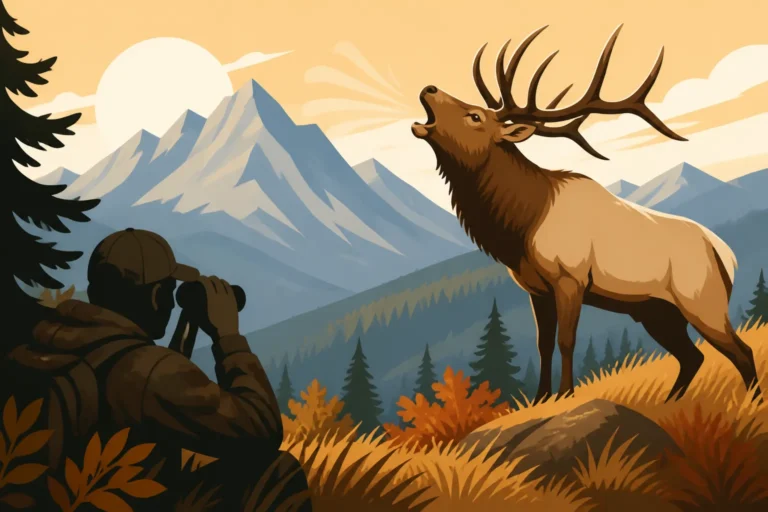
Elk are creatures of habit, yet incredibly adaptable, which can make them a puzzle to solve. Their behavior changes dramatically throughout the year, but understanding the rut is key for many hunters, especially those chasing bulls. The rut, typically occurring from mid-September to mid-October, is when bulls are most vocal and active, making them more detectable. During this time, they’re focused on breeding, bugling, fighting, and gathering cows. This heightened activity can be a fantastic opportunity, but it also means elk are on edge and constantly moving. After the rut, especially as seasons progress and hunting pressure builds, elk tend to become quieter and seek out thicker timber or more remote areas, shifting from vocal displays to survival mode. For more in-depth knowledge, exploring topics like Colorado Elk Behavior During the Rut can provide invaluable context.
Beyond the rut, general elk behavior is often dictated by food, water, cover, and hunting pressure. They are ruminants, meaning they spend a significant portion of their day feeding, moving between bedding areas and foraging grounds. When undisturbed, they often move in predictable patterns. However, introduce a few hundred orange-clad hunters, and those patterns can vanish overnight, forcing elk into secluded pockets of timber or steep, rugged terrain that most people avoid. Keeping tabs on their year-round patterns, including their migration routes and preferred bedding spots, is a year-long scouting endeavor.
Key Habitat Types and Elevation Considerations
Colorado offers a vast array of habitats, from sagebrush flats to towering alpine basins, and elk utilize almost all of them depending on the season and pressure. Generally, you’ll find elk in elevations ranging from 7,000 feet up to treeline and sometimes even higher in early archery seasons. Prime elk habitat often includes a mix of dark timber (like lodgepole pine, spruce, and fir) for bedding and security, interspersed with aspen groves or open parks for feeding. Water sources are also non-negotiable, and elk will often be found near springs, creeks, and wallows.
Elevation plays a crucial role not just in where elk live, but in how you hunt them. Hunting at 10,000 feet or more requires a different level of physical conditioning and strategic planning. Elk in high-elevation basins might be more visible and less pressured during certain seasons, but the effort to get to them, and then pack one out, is immense. Conversely, lower elevation units might offer easier access but often come with significantly more hunter pressure, pushing elk into dense, unforgiving timber. Knowing the specific characteristics of your chosen General Management Unit (GMU) and how elk utilize its varied landscape is paramount. Resources like Colorado Elk Habitat and Elevation can help you narrow down where to focus your efforts based on the terrain you're willing to tackle.
Essential Preparations for Your Colorado Elk Hunt
A successful Colorado elk hunt isn't born overnight. It's the culmination of months, sometimes years, of meticulous planning and relentless preparation. From understanding the labyrinthine tag system to getting your body ready for the mountains, these steps are the foundation upon which your hunt will be built.
Navigating Licenses, Tags, and Draw System
This is often where many aspiring Colorado elk hunters hit their first major hurdle: the license and tag system. Colorado Parks and Wildlife (CPW) operates a complex draw system for most limited elk tags, especially for bulls in desirable units. You'll need to purchase a qualifying license (often a small game or fishing license) to even apply for big game tags. The primary draw usually occurs in early April, and this is where preference points come into play. Preference points essentially give you a better chance in future draws, and accumulating them for several years is often necessary for highly sought-after units. Understanding Colorado Draw System and Preference Points is not just helpful, it's absolutely necessary.
For those without accumulated points, there are "Over-the-Counter" (OTC) tags available, primarily for archery and some second and third rifle seasons in specific GMUs. While OTC tags offer guaranteed access to the field, these units often experience higher hunter pressure and can be more challenging. It's vital to research the specific regulations for the year you plan to hunt, as CPW frequently makes changes. Many hunters rely on detailed services like those offered by GoHunt to sift through draw odds, unit data, and regulatory updates, helping them make informed decisions about where and when to apply. This kind of platform can save you countless hours of sifting through government PDFs. Knowing Colorado Hunting Seasons Explained will give you a vital overview of the broader regulatory landscape.
Physical and Mental Conditioning for Mountain Terrain
Let's not sugarcoat it: elk hunting in Colorado is physically demanding. You'll be traversing steep, uneven terrain, often at high altitudes, carrying a heavy pack. If you're not in shape, your hunt will be miserable, dangerous, and likely unsuccessful. A rigorous fitness plan should begin months before your hunt. This means cardiovascular training (hiking, running, stair climbing with a pack), strength training (especially legs, core, and back), and practicing with your hunting pack weighted. Altitude sickness is a real concern for many, especially those coming from sea level. Acclimatization strategies, like arriving a few days early, staying hydrated, and avoiding alcohol, can make a huge difference.
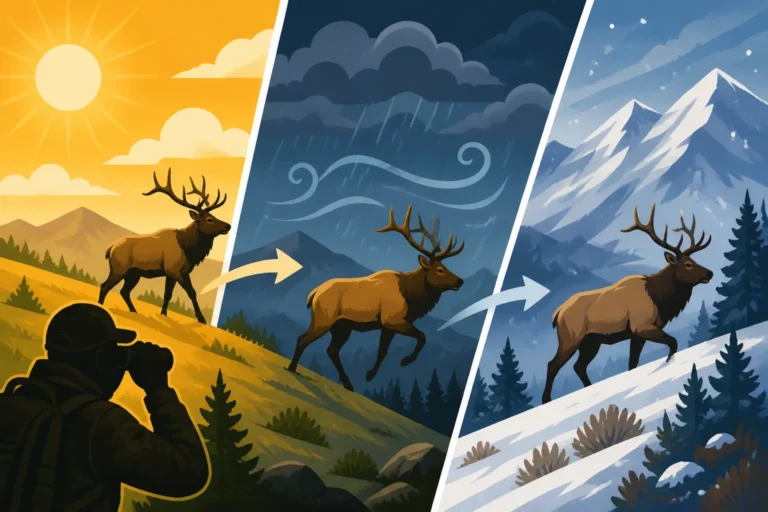
Beyond the physical, there’s the mental game. Elk hunting tests your patience, resilience, and problem-solving skills. You might hike for days without seeing an elk, endure freezing temperatures, or get caught in a sudden snowstorm. The mental fortitude to push through discomfort, stay positive, and continue hunting smart is just as crucial as your physical conditioning. Planning for these challenges, and consciously preparing for them, will make you a much more effective and safer hunter. Looking into resources like How to Physically Prepare for Colorado Elk and Altitude Training for Colorado Hunting can provide structured plans to get you ready.
Proven Strategies for Hunting Elk in Colorado
Once you've done your homework and gotten your body ready, it's time to talk about the actual hunting. Colorado elk can be elusive, but with the right tactics and a good understanding of their habits, you can increase your odds significantly.
Calling Tactics and Situational Awareness
Elk calling is both an art and a science, and it’s arguably one of the most exciting aspects of elk hunting, especially during the rut. There are various calls: bugles to challenge bulls or locate them, and cow/calf calls to entice curious elk or calm an uneasy herd. The key is knowing when and how to use them. During the peak rut, aggressive bugling can draw in a dominant bull, while quieter cow calls might work better on satellite bulls or even cows seeking company. In archery season, How to Call Elk in Colorado is an absolute must-read.
Situational awareness goes hand-in-hand with calling. You need to pay constant attention to the wind, thermals, terrain, and any sign of elk. A perfectly executed call means nothing if the wind carries your scent to an elk's nose. Use the terrain to your advantage, setting up in a way that forces the elk to come to you through an advantageous shooting lane. Always be ready for a quick shot; elk can appear silently and disappear just as fast. It’s a chess match where every move, every sound, and every shift in the breeze matters. For deeper dives into specific calls, check out How to Bugle for Colorado Elk and How to Cow Call Colorado Elk.
Still-Hunting and Spot-and-Stalk Techniques
When calling isn't working, or outside of the peak rut, still-hunting and spot-and-stalk become invaluable tools. Still-hunting involves moving slowly and deliberately through timber, pausing frequently to observe, listen, and glass for movement or parts of an animal. Think of it less as walking, and more as a series of slow, controlled stalks. This method requires immense patience and a keen eye for detail, looking for horizontal lines in a vertical world, or subtle movements in the shadows. Focus on areas with fresh sign, like tracks, droppings, rubs, and wallows. Learning How to Still-Hunt Colorado Timber will pay dividends in pressured elk country.
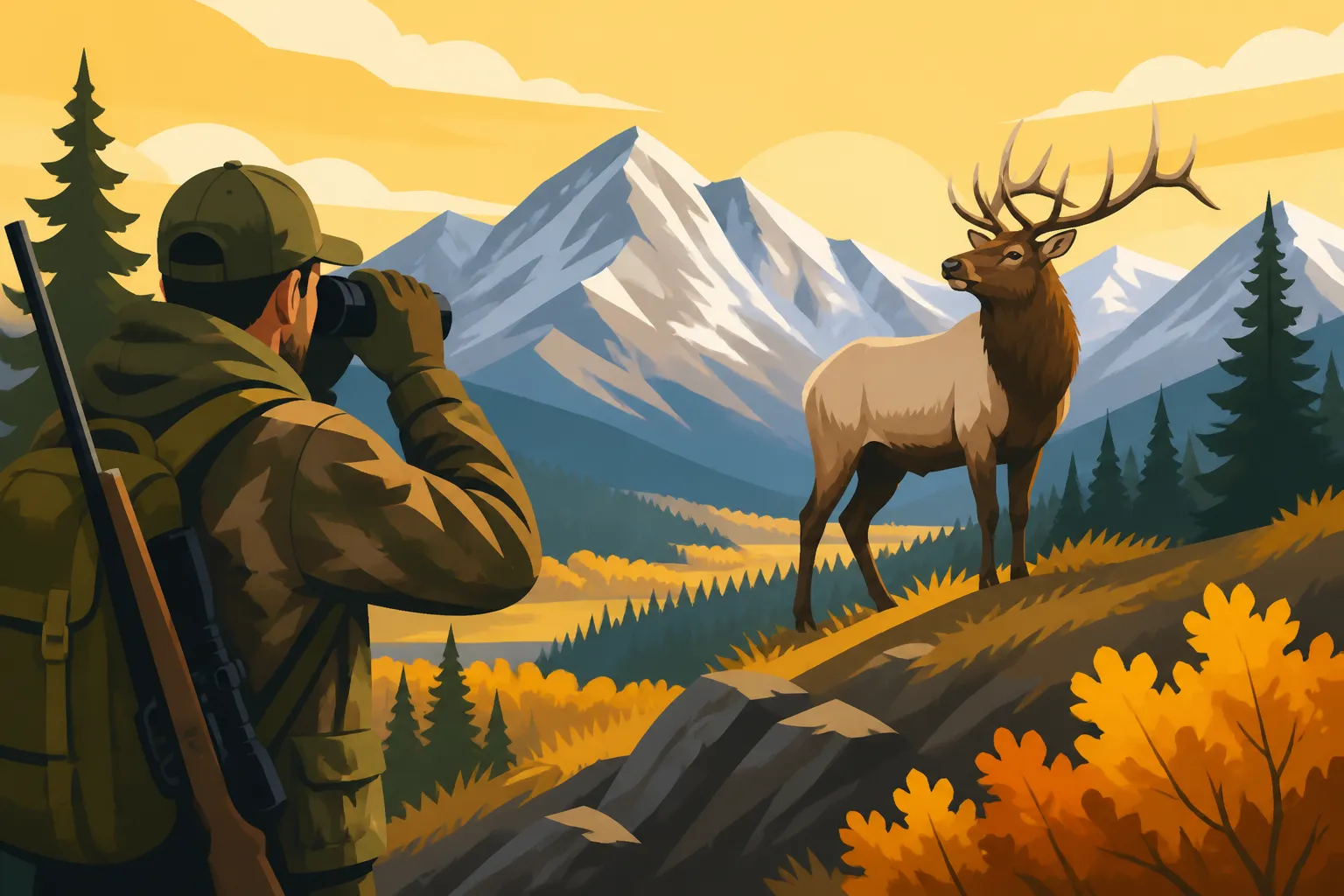
Spot-and-stalk hunting, on the other hand, is all about covering ground with your optics to locate elk from a distance, then carefully planning and executing an approach. This is particularly effective in more open country, high alpine basins, or during seasons when elk are less vocal. You'll need high-quality binoculars or a spotting scope and a good understanding of topography. Once an elk is spotted, the real work begins: analyzing wind, terrain, and cover to get within shooting range without being detected. This method often involves long hikes, significant elevation changes, and sometimes multiple failed stalks before success. For a detailed breakdown of how to approach this, refer to Spot-and-Stalk Hunting in Colorado. Many hunters use digital mapping tools like those offered by GoHunt to identify potential glassing knobs and analyze the terrain for optimal stalking routes from the comfort of their home before the hunt even begins.
Post-Harvest Considerations
Congratulations! You've successfully harvested an elk. But the hunt isn't over yet. The real work, and arguably the most physically demanding part, is just beginning. Proper field care is essential to ensure you bring home high-quality meat.
Field Care and Packing Out Your Elk
Once your elk is down, the clock starts ticking. The first priority is to field dress the animal quickly to allow the carcass to cool. This involves removing the entrails to prevent spoilage, especially in warmer early-season conditions. If you're hunting solo or in remote backcountry, quartering the elk in the field is often the most practical approach. This means breaking the animal down into its major muscle groups (each leg, backstraps, tenderloins, neck meat, etc.) and placing them in breathable game bags. It's tough, messy work, but it’s critical for meat preservation.
Packing out an elk from the backcountry is a monumental task. A mature bull can weigh 700-800 pounds live, meaning you'll be hauling hundreds of pounds of meat, hide, and antlers out of the mountains. This usually requires multiple trips, even with a strong hunting partner. You'll need a robust internal or external frame backpack, durable game bags, and a good plan for navigation. Planning your extraction route before the hunt, including potential water crossings or steep climbs, is just as important as planning your stalk. Make sure your pack is comfortable and fits properly, as it will be your best friend during this grueling process. Detailed guides like How to Pack Out an Elk in Colorado and How to Keep Elk Meat Cool in Warm Weather offer invaluable advice on this critical phase of the hunt. This is another area where GoHunt's mapping tools, which allow you to mark waypoints and plan routes offline, prove incredibly useful for visualizing and preparing for the pack out.
Disclaimer
Hunting is an inherently dangerous activity. This guide provides general information and recommendations but cannot account for all variables or individual situations. Always prioritize safety, adhere to all Colorado Parks and Wildlife regulations, and be prepared for rapidly changing weather and challenging conditions. Responsible hunting practices and ethical conduct are paramount.