Colorado 2nd Rifle Season Dates and Rules
Navigating Colorado's elk hunting seasons can feel like trying to solve a complex puzzle, especially when you're looking beyond the well-known archery rut or late-season migrations. The 2nd Rifle Season, in particular, carries a lot of weight and a good deal of confusion for many hunters, both resident and non-resident. It's often seen as a prime opportunity, but understanding its specific dates, the evolving tag requirements, and the unique challenges it presents is absolutely critical for anyone hoping to punch a tag. This guide aims to clear up all the nuances surrounding Colorado's 2nd Rifle Season, helping you plan with confidence and set realistic expectations for your high-country adventure.
Understanding Colorado's Rifle Season Structure
Colorado offers a unique staggered rifle season structure that spreads hunters out and provides different opportunities throughout the fall. While this system helps manage hunter pressure to some extent, it also means that each season comes with its own set of dates, rules, and typical hunting conditions. Understanding where the 2nd Rifle Season fits into this broader picture is the first step toward a successful hunt.
Overview of All Rifle Seasons
Colorado Parks and Wildlife (CPW) divides the general rifle elk (and deer) seasons into four distinct periods, typically starting in mid-October and running through mid-November. The 1st Rifle Season is generally a short, five-day, limited-draw hunt that often overlaps with the tail end of the elk rut. It's notorious for being tough to draw for many units, requiring a significant number of preference points.
Then comes the 2nd Rifle Season, which is arguably the most popular, especially for those pursuing elk. Following this are the 3rd and 4th Rifle Seasons, which continue into November, often bringing colder temperatures and more significant snow. These later seasons can present incredible opportunities as elk begin their migration to lower elevations, but they also demand even greater physical and mental toughness.
When people talk about the various Colorado Rifle Elk Hunting Guide options, they're typically referring to these four distinct periods. Each offers a different experience, influenced by weather, elk behavior, and hunter density. The tags for these seasons can be either draw-only, requiring successful application in the spring, or, in limited cases, over-the-counter (OTC) licenses. However, OTC opportunities, particularly for elk, have been undergoing significant changes and reductions in recent years, making the draw increasingly important.
Why 2nd Rifle Season Stands Out
The 2nd Rifle Season typically falls in late October, making it a transitional period for elk. While the peak of the bugling rut has usually subsided, residual rutting activity can still occur, especially with younger bulls or in areas where cows are still coming into estrus. This timing also means you're entering a period where Colorado's high country is genuinely starting to feel the bite of winter.
One of the biggest draws of the 2nd Rifle Season is the increased chance of encountering colder temperatures and the first significant snowfall. A fresh blanket of snow can be a hunter's best friend, revealing tracks and pushing elk out of the densest timber into more visible areas as they seek food. However, it also means you need to be prepared for truly unpredictable mountain weather, from mild, sunny days to blizzards that can dump feet of snow overnight.
It's also worth noting that the 2nd Rifle Season, due to its timing and historically greater tag availability (even with recent changes), tends to see the highest hunter pressure. If you're hunting public land, particularly in easily accessible areas, you can expect to encounter other hunters. This means a good strategy often involves getting off the beaten path, diving deep into wilderness areas, or utilizing terrain features to find pockets of unpressured elk. This season strikes a balance between potential rut activity and increasing winter conditions, making it a favorite for many.
Colorado 2nd Rifle Season Dates: What You Need to Know
The specific dates for Colorado's 2nd Rifle Season are crucial for planning your hunt, booking travel, and even making your draw application. While the general timeframe remains consistent year to year, slight shifts can occur, and it's always imperative to consult the official CPW regulations for the most accurate information.
Typical Date Range and Annual Variations
Historically, the 2nd Rifle Season for elk and deer in Colorado generally kicks off in the latter half of October and runs for about nine days, often bleeding into early November. For example, in many recent years, it has started around the 21st or 22nd of October. This specific timeframe places it firmly in the post-rut period, but still within a window where elk are active and often concentrated in certain areas before extreme winter weather forces widespread migration.
It's absolutely vital to remember that these dates are not set in stone for decades. Colorado Parks and Wildlife (CPW) operates on a five-year season structure, which means exact dates can shift slightly within that framework. Before you book anything or make any definitive plans, your first step should always be to download and meticulously review the current year's Big Game Brochure from the CPW website. This official document is your bible for all things related to Colorado Elk Season Dates Guide, including the precise start and end dates for 2nd Rifle. Ignoring this critical step could lead to significant disappointment if your hunt dates are off by even a day.
Impact of Weather on Season Dates and Hunting Conditions
While the CPW sets the season dates, Mother Nature ultimately dictates the hunting conditions, and her influence is especially pronounced during the 2nd Rifle Season. The timing means you're squarely in a period where the high country is preparing for winter, and this brings both challenges and opportunities.
Early snowfalls can dramatically change elk behavior. A significant snowstorm can push elk from higher elevations down into timbered drainages or south-facing slopes, where they can find easier travel and forage. This can be a boon for hunters, as it concentrates animals and makes tracking much easier. However, heavy snow can also make access extremely difficult, closing forest service roads and requiring extensive hiking or even snowshoeing. Hunters planning for this season should certainly include items like gaiters, microspikes, and even emergency bivy sacks in their Colorado Backcountry Hunting Gear List.
Conversely, a mild, dry October means elk might remain scattered across higher elevations for longer, making them harder to locate. Without fresh snow, still-hunting through noisy dry leaves can be a frustrating endeavor. Warm temperatures also pose a challenge for meat care once an animal is on the ground. You'll need to work quickly to quarter and cool the meat, especially if you're not in a deep freeze environment. Understanding these potential weather scenarios and having a flexible hunting strategy, including a plan for dealing with warm or extremely cold conditions, is key to success during 2nd Rifle season.
Rules and Regulations Specific to 2nd Rifle
Beyond the dates, the specific rules and regulations governing Colorado's 2nd Rifle Season are paramount. These cover everything from how you acquire your tag to the legal requirements while in the field. Ignoring any of these rules can lead to serious legal trouble and ruin your hunting trip.
Tag Types and Draw System for 2nd Rifle
This is perhaps the most critical section for anyone considering a 2nd Rifle Season elk hunt. For many years, Colorado was renowned for its over-the-counter (OTC) elk tags for 2nd and 3rd rifle seasons, particularly for bull elk. This allowed hunters, especially non-residents, to simply purchase a tag without going through the draw, making it an incredibly accessible western hunting destination. However, the landscape has changed dramatically.
As of recent years, and particularly with changes implemented or planned for the near future, the OTC option for bull elk during the 2nd and 3rd rifle seasons has been significantly reduced or eliminated in many units. The majority of 2nd Rifle elk tags, particularly for bull elk, are now draw-only. This means you must apply for a specific hunt code in the spring (typically by early April) and be successful in the Colorado Primary Draw Explained to obtain a tag.
This shift means accumulating preference points, especially for non-residents targeting specific units, is more important than ever. If you're curious about your chances or want to analyze draw odds, resources like GoHunt's Insider platform provide incredibly detailed data and analysis that can help you strategize your application. They crunch the numbers, showing you how many preference points were required to draw specific hunt codes in previous years, which is invaluable. For a comprehensive look at the process, check out our guide on How to Apply for a Colorado Hunting License. If you're a non-resident, be mindful of the cap on tag allocations; typically, only 20-25% of limited licenses can go to non-residents, making the draw even more competitive.
General Hunting Regulations and Considerations
Beyond the tag acquisition, several general hunting regulations apply to the 2nd Rifle Season:
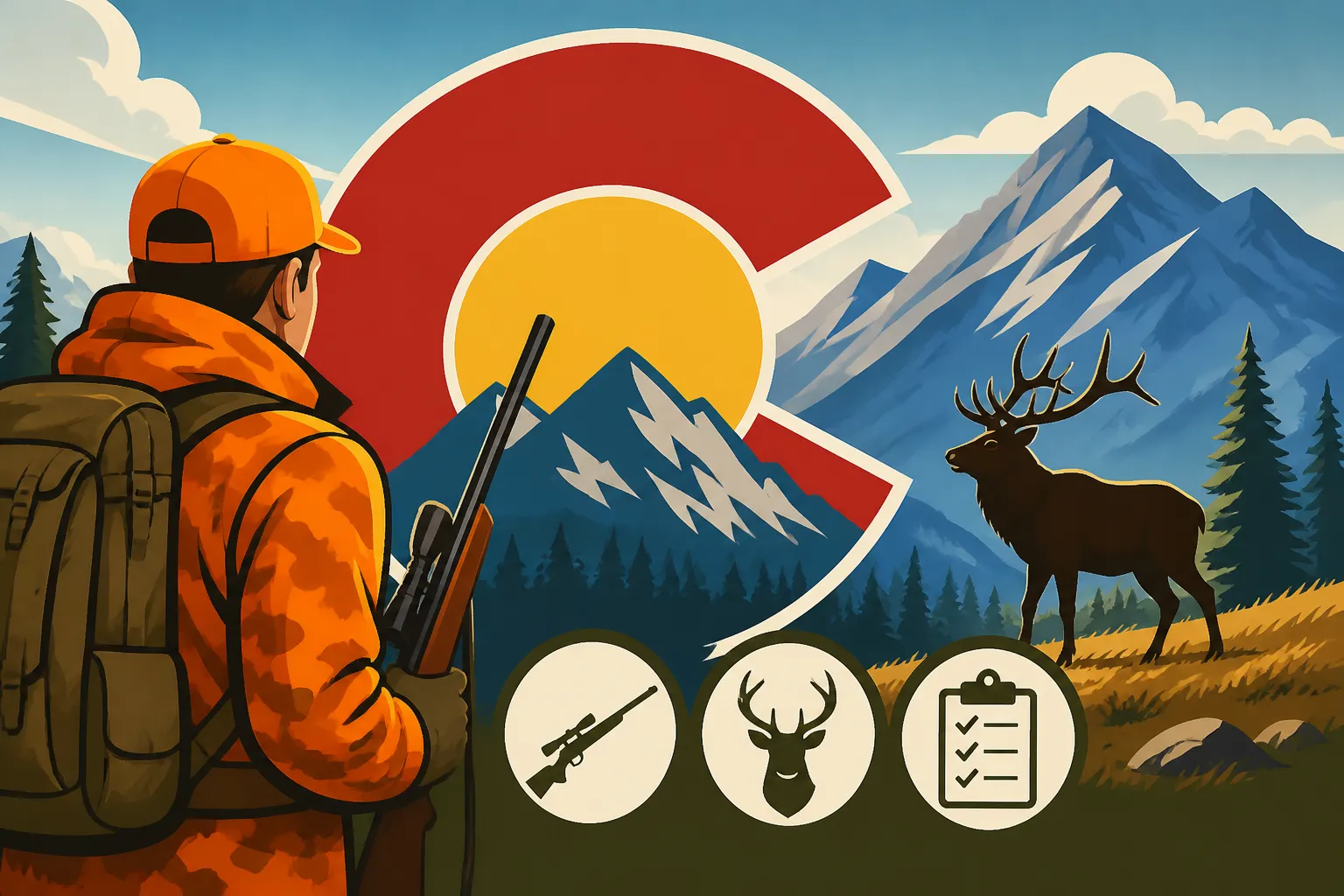
- Hunter Orange: All rifle hunters, including those in the 2nd Rifle Season, are required to wear at least 500 square inches of solid florescent orange or pink material, visible above the waist, on both the chest and back, and a head covering of the same color. This is non-negotiable for safety.
- Weapon Restrictions: For rifle seasons, hunters are generally permitted to use centerfire rifles of various calibers. There are no specific minimum caliber requirements for elk, but ethical hunting dictates using a cartridge powerful enough to humanely dispatch an animal. Popular choices include .30-06, .300 Win Mag, 7mm Rem Mag, and .270 Win. Magazine capacity rules are typically not as restrictive as in some other states, but it's always good to confirm.
- Game Retrieval: Colorado law mandates that hunters make a reasonable effort to retrieve all edible portions of game meat. This means having a plan for How to Pack Out an Elk in Colorado is crucial, whether you tag out close to the road or deep in the backcountry. Wasting meat is illegal and unethical.
- Chronic Wasting Disease (CWD): CWD surveillance is ongoing in Colorado. Hunters harvesting animals in specific Game Management Units (GMUs) may be required to submit a lymph node sample for CWD testing. Be sure to check the current year's regulations for mandatory or voluntary testing areas and instructions. This is a critical component of wildlife management and your participation is essential.
- Public vs. Private Land: Know your boundaries! Whether using a mapping app like onX or paper maps, always be aware of public and private land boundaries to avoid trespassing. Much of Colorado's elk hunting takes place on national forests and BLM land, but private land access requires explicit permission. For a deeper dive into accessing different types of land, our Colorado Public Land Hunting Guide is a great resource.
Always consult the official CPW Big Game Brochure for the most current and detailed regulations, as rules can and do change.
Strategies for a Successful 2nd Rifle Hunt
The 2nd Rifle Season presents a unique set of challenges and opportunities. The elk are no longer in the frantic pace of the rut, but winter hasn't fully set in either. This transitional period requires adaptable strategies and the right mindset to locate and harvest an elk.
Elk Behavior During Late October/Early November
By the time the 2nd Rifle Season rolls around, typically late October, the peak of the elk rut has passed in most areas. Those loud, bugling bulls that were so easy to locate during archery season have usually gone quiet, becoming much more elusive. They're often in a recovery phase, having expended immense energy during the breeding season.
Expect bulls to be seeking out solitude in dense timber, north-facing slopes, or remote canyons where they can feed, rest, and regain their strength. They'll still be with cows, but the large, vocal herds of the rut will have broken up, often forming smaller, quieter groups. This means you’ll need to switch from calling-focused tactics to more subtle approaches. If you're trying to figure out How to Hunt Elk After the Rut, know that this generally means concentrating on food sources, thermal cover, and escape routes. Look for areas with a mix of dark timber for bedding and open parks or south-facing slopes that catch the sun for feeding.
The increasing likelihood of snow during this season also plays a significant role in elk movement. A heavy snowfall at higher elevations can trigger a downward migration, pushing elk into winter range or staging areas at lower altitudes. If there's no snow, they might remain scattered across higher elevations for longer. Their behavior will be heavily influenced by feed availability and pressure, so understanding their needs for food, water, and security becomes paramount.
Tactics and Gear for 2nd Rifle Success
Hunting during the 2nd Rifle Season often requires a shift in tactics from the more aggressive calling of the rut. Here's what you should focus on:
- Glassing and Still-Hunting: With elk moving more quietly, your optics become your best friend. Spend time glassing distant timbered slopes, open parks, and transition areas at first and last light. During the day, slow, methodical still-hunting through prime bedding cover is effective. Move at a snail's pace, stopping frequently to scan and listen. Our guide on Spot-and-Stalk Hunting in Colorado delves into these techniques, which are crucial now. GoHunt's mapping features can help you identify prime glassing points and plan your still-hunting routes through varied terrain, considering aspects like elevation and timber density.
- Scouting and E-Scouting: Pre-season scouting (or thorough e-scouting) for water sources, historical game trails, and bedding areas is incredibly valuable. Elk will still use these established routes. Look for fresh sign: tracks, droppings, and rubbed trees. For more in-depth preparation, consider How to E-Scout Before a Colorado Hunt.
- Dealing with Pressure: The 2nd Rifle Season often sees high hunter numbers, especially on public land. To escape the crowds, be prepared to hike deep into roadless areas, tackle steep terrain, or focus on overlooked pockets that other hunters might pass by. Understanding How to Hunt Elk on Public Land Pressure is vital for success in this popular season.
- Gear for Variable Weather: Colorado weather in late October is famously unpredictable. You might experience 60-degree sunshine one day and a white-out blizzard the next. Layering is critical. Think merino wool base layers, insulating mid-layers, and a waterproof/windproof outer shell. A good backpack, sturdy Best Boots for Colorado Elk Hunting, and reliable navigation tools (GPS, satellite messenger, map/compass, and phone apps like onX) are non-negotiable. Don't forget a quality rangefinder and binoculars.
- Physical Preparation: Hunting elk in Colorado, regardless of the season, is physically demanding. You'll be covering rugged, steep terrain at high altitudes, and the colder weather can make it even more taxing. Begin your How to Physically Prepare for Colorado Elk regimen months in advance, focusing on cardio, strength, and endurance. The fitter you are, the more ground you can cover and the longer you can stay in the hunt.
By understanding elk behavior, implementing effective tactics, and being adequately prepared for the unpredictable Colorado high country, you significantly increase your odds of a successful 2nd Rifle Season hunt.
Comparing Colorado's Rifle Seasons for Elk Hunters
Choosing the right rifle season for your elk hunt in Colorado involves weighing several factors, including tag availability, hunter pressure, typical weather conditions, and elk behavior. While the 2nd Rifle Season is popular, understanding how it stacks up against the other seasons can help you make an informed decision based on your personal preferences and hunting style.
Let's break down the general characteristics of each season:
| Season | Typical Dates (Approx.) | Primary Tag Type | Common Elk Behavior | Typical Weather & Conditions | Hunter Pressure | Key Considerations |
|---|---|---|---|---|---|---|
| 1st Rifle | Mid-October (5 days) | Draw Only (Limited) | Late Rut / Post-Rut | Mild to Cold, some snow possible | Low (due to limited tags) | Hardest to draw, potential for residual rut action, good for unpressured elk if drawn. |
| 2nd Rifle | Late Oct – Early Nov (9 days) | Primarily Draw Only* | Post-Rut, Transitioning | Variable: Mild to Cold, moderate snow likely | High (historically popular) | Most popular, increasing chance of snow, good for tracking, but high pressure requires deep penetration. |
| 3rd Rifle | Early Nov (9 days) | Primarily Draw Only* | Winter Range Migration Starts | Cold, moderate to heavy snow likely | Medium to High | Colder, good for migration patterns, but elk can be concentrated if snow pushes them, still significant pressure. |
| 4th Rifle | Mid-November (5 days) | Draw Only (Limited) | Winter Range, Concentrated | Very Cold, heavy snow common, harsh conditions | Low to Medium (due to conditions) | Toughest conditions, but can be excellent if migration is underway; requires serious cold-weather gear and resilience. |
Note: While 2nd and 3rd Rifle previously offered many OTC options, these have been significantly reduced or eliminated for bull elk in many GMUs. Always verify current CPW regulations.
As you can see, the 2nd Rifle Season presents a unique mix. It’s early enough that extreme winter conditions aren’t guaranteed, yet late enough that snow is a real possibility, which can be a huge asset. The major trade-off is often the hunter pressure, which makes finding unpressured animals a test of endurance and willingness to go the extra mile. For many, the draw odds, the chance of decent weather, and the still-active elk make it a worthwhile pursuit, especially if you're willing to put in the legwork.
Disclaimer
Hunting is an inherently dangerous activity. This guide provides general information and recommendations for hunting in Colorado. Regulations, conditions, and wildlife behavior can change. Always consult the most current Colorado Parks and Wildlife (CPW) regulations, acquire the necessary licenses and tags, and prioritize safety above all else. The author and publisher are not responsible for any accidents, injuries, or legal infractions that may occur during a hunt. Always hunt ethically, legally, and responsibly.