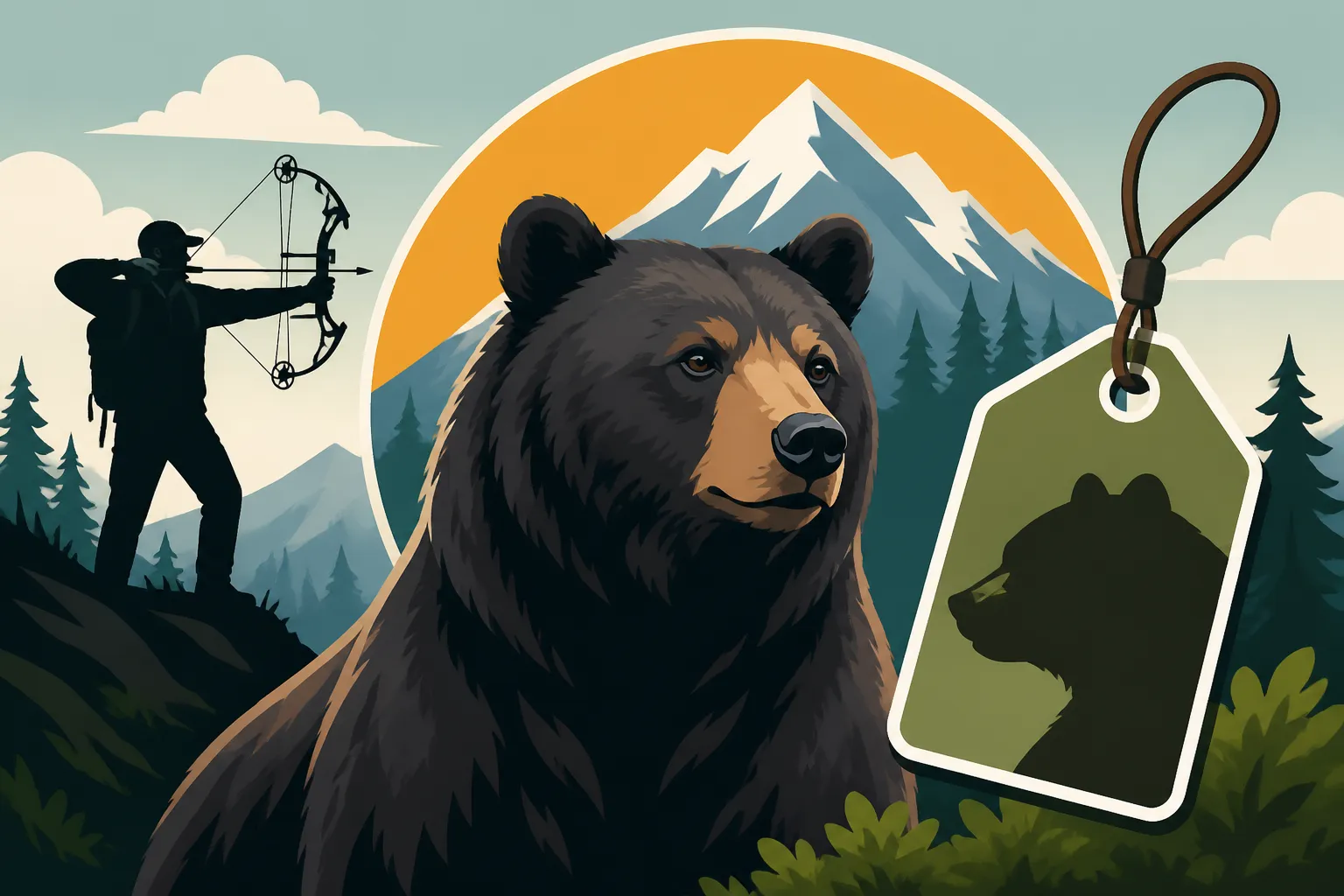
Colorado Spring Bear Season and Tags
Many aspiring hunters dream of adding a bear to their list, and the idea of a crisp Colorado spring morning, tracking a bruin waking from hibernation, sounds absolutely incredible. But let's be realistic for a moment: if you're picturing an easily accessible, widespread spring bear season like you might find in some other states, you might be in for a surprise. Colorado's spring bear hunting is a unique, often elusive opportunity with strict regulations, and this guide is here to walk you through the precise details of what to expect and how to approach obtaining a Colorado spring bear tag.
The Elusive Nature of Colorado's Spring Bear Season
Colorado's approach to bear hunting is quite distinct, largely focusing on fall seasons. This can be a point of confusion and even frustration for hunters coming from states where spring bear hunting is a more common or robust offering. It's not a matter of simply buying an over-the-counter tag and heading into the woods. The reality of spring bear hunting in the Centennial State is far more nuanced, demanding careful planning and a deep understanding of the regulations.
Understanding Colorado's Bear Hunting Calendar
When most people talk about bear hunting in Colorado, they are almost exclusively referring to the fall season. This is when the vast majority of bear tags are available, whether through the draw or, in some cases, over-the-counter (OTC) options, often as a second bear tag in conjunction with a deer or elk license. Fall bear seasons are designed to overlap with deer and elk seasons, allowing hunters to pursue multiple species. This structure also aligns with a time when bears are actively foraging, fattening up before winter, making them more visible and predictable.
The fall bear season typically kicks off in early September for archery and muzzleloader hunters, extending through various rifle seasons, sometimes even into late November or December in specific units. These seasons are generally managed to control bear populations, particularly in areas with high bear-human conflicts or where bear numbers need to be balanced with other wildlife populations. The abundance of fall tags reflects this management strategy, offering more opportunities for both resident and non-resident hunters.
The Very Limited Spring Bear Opportunities
Here's where the rubber meets the road: Colorado's spring bear season is exceptionally limited. It's not a statewide offering, nor is it designed to be a primary bear hunting opportunity. In fact, many hunters aren't even aware it exists because of its rarity. For example, for years, the only "spring" bear hunting opportunities were often tied to specific, very small GMUs (Game Management Units) in very early seasons, typically in May. These tags are almost always draw-only, with extremely low quotas, and require a significant number of preference points to even have a remote chance of drawing.
The Colorado Parks and Wildlife (CPW) implements these highly restrictive seasons for a few key reasons. First, it helps to manage the population without over-harvesting, especially considering sows with cubs are typically still in or just emerging from dens. Secondly, it often targets specific localized issues or management goals rather than a broad population control measure. If you're hoping to find an easy, accessible spring bear hunt, you'll likely be disappointed. These opportunities are truly the "unicorn" of Colorado hunting tags, highly coveted by those who have spent years building points or are incredibly lucky.
Why No Baiting or Hounding Matters Here
One of the most significant differences for bear hunters coming to Colorado is the absolute prohibition of baiting and the use of hounds for bear hunting. This isn't just a spring bear rule; it's a statewide, year-round regulation. This might be a stark contrast to how bear hunting is conducted in many other states, where these methods are common and highly effective. In Colorado, you simply cannot use food, scents, or any attractants to lure a bear, nor can you use dogs to track or tree a bear.
This regulation dramatically impacts hunting strategies. Instead of setting up a bait station or following a pack of dogs, Colorado bear hunters must rely on traditional spot-and-stalk tactics, still-hunting, and extensive glassing. It transforms bear hunting into a much more physically demanding and observational pursuit, especially in the rugged mountain terrain where bears roam. This means understanding bear behavior, their preferred habitats, and their movement patterns becomes paramount. Without the aid of bait or hounds, success hinges on patience, keen observation skills, and the ability to cover ground silently and effectively.
Navigating the Colorado Bear Tag Draw for Spring Potential
Given the highly limited nature of Colorado's spring bear season, understanding the draw system is not just important – it's absolutely critical. Unlike some over-the-counter (OTC) options you might find for fall bear in certain units, spring bear tags are almost exclusively obtained through the state's rigorous draw process. This means strategizing your application well in advance and being realistic about the odds.
The Annual Big Game Draw as Your Gateway
For any bear license in Colorado, including those rare spring opportunities, you'll be participating in the annual big game draw. The application period for this draw typically opens in early March and closes in early April. It's a single, comprehensive draw for elk, deer, antelope, and bear licenses. This means you need to decide your bear hunting strategy long before the season actually begins, often nearly a year in advance if you're aiming for a coveted draw tag.
To apply, you'll need to purchase a qualifying hunting license (like a small game or big game license) and a Habitat Stamp. Once these are secured, you can submit your application online through the Colorado Parks and Wildlife (CPW) website. It's vital to double-check all dates and deadlines on the official CPW website, as they can shift slightly year to year. Missing the application deadline means missing out on any draw opportunities for the entire year, including any chance at those scarce spring bear tags. The draw results are usually released in late May or early June, well after the application period, so you'll have to wait to see if your patience and point accumulation paid off. You can find more details on how to apply through the official process described in our guide on How to Apply for a Colorado Hunting License.
Deciphering Bear Hunt Codes and Point Requirements
When you enter the draw, you won't just apply for "a bear tag." You'll need to select specific hunt codes, which identify the Game Management Unit (GMU), species, sex, and season date. For spring bear, these hunt codes are particularly rare and often have very high demand compared to the number of tags available. For instance, a hunt code might look something like "BM001O1R," where "BM" means bear, "M" is male (or "F" for female, "E" for either sex), "001" is the GMU, "O" indicates the season (often specific and limited), and "R" for rifle.
Preference points play a crucial role here. For bear, like elk and deer, Colorado uses a preference point system. You earn one point for each year you apply and are unsuccessful in drawing your first-choice tag. These points accumulate, increasing your chances of drawing a limited tag in subsequent years. However, for the extremely limited spring bear tags, the number of preference points required can be staggering, often reaching double digits. This is a significant barrier for many hunters and contributes to the rarity of successfully drawing a spring bear license. Tools like GoHunt can be invaluable here. Their "Insider" membership offers detailed draw odds, historical point data, and a unit-by-unit breakdown, allowing you to see exactly how many points were required to draw specific bear tags in previous years. This data is absolutely essential for understanding your realistic chances and for strategically building points for those elusive spring hunts. Make sure to consult comprehensive guides like Colorado Draw System and Preference Points for a deeper understanding.
| Aspect | Spring Bear Hunting (Limited) | Fall Bear Hunting (Primary) |
|---|---|---|
| Availability | Extremely limited, specific GMUs, draw-only. | Widespread, draw-only and some OTC options (often List B tags). |
| Season Dates | Typically May (very short window, unit-dependent). | Early September through November/December (long, varied seasons). |
| Draw Odds | Very low, often requiring high preference points. | Variable, some units easier to draw, some OTC. |
| Methods | Spot-and-stalk, still-hunting, extensive glassing. | Spot-and-stalk, still-hunting, extensive glassing. |
| Bait/Hounds | Prohibited. | Prohibited. |
| Bear Behavior | Emerging from dens, seeking early green-ups, winter kills. | Actively foraging, fattening up for hibernation, more visible. |
| Associated Hunts | Stand-alone hunt (not overlapping big game). | Often concurrent with deer/elk seasons, allowing combination hunts. |
| Weather | Unpredictable, snow, rain, warm spells. | Variable, can range from warm to cold and snowy. |
Realities of Leftover and OTC Bear Tags
Given the extreme rarity of spring bear tags through the primary draw, you might wonder about leftover or over-the-counter (OTC) options. Unfortunately, for spring bear, these are almost non-existent.
Over-the-counter bear tags in Colorado are typically associated with fall seasons, often as "List B" tags. These allow a hunter to purchase a bear tag in addition to their deer or elk license, or sometimes even without drawing a primary big game tag, for specific units and seasons. However, these OTC opportunities are overwhelmingly for fall bear seasons. The concept of an OTC spring bear tag is practically unheard of due to the severely restricted nature of these early season hunts.
Similarly, leftover bear tags – those that weren't drawn in the primary or secondary draws – are almost exclusively for fall seasons. When leftovers become available (usually in August for the upcoming fall seasons), they are generally for units or seasons that had lower demand, or for specific sex/age restrictions (e.g., antlerless or cub-less options). The minuscule number of spring bear tags allocated through the draw means that there are almost never any "leftovers" to be found. The demand for these few tags far outstrips supply, ensuring they are always drawn. So, if you're holding out hope for a walk-up spring bear tag, it's best to pivot your expectations to the fall or commit to the long-term strategy of building preference points for a draw. For more information on how to potentially acquire tags outside the main draw, you might explore resources on Colorado Leftover Tags Explained.
Strategies for Spotting and Stalking Spring Bears
Since baiting and hounding are off the table in Colorado, spring bear hunting becomes a pure test of your woodsmanship, patience, and glassing abilities. Success hinges on understanding bear behavior as they emerge from their winter slumber and adapting your tactics to the unique conditions of early mountain spring.
Early Season Bear Behavior and Habitat Clues
When bears first emerge from their dens in the spring, typically from late April through May, they are often lean, hungry, and driven by a primal need to find food. This is your biggest advantage. They'll gravitate towards the first areas where snow melts and new green vegetation begins to sprout.
Look for:
- South-Facing Slopes: These slopes receive the most sun exposure, causing snow to melt faster and herbaceous growth to appear earlier. Bears will often be seen grazing on these slopes, sometimes for hours. These can be prime areas for finding a hungry bear.
- Lower Elevations: While bears inhabit all elevations, in early spring, they'll generally be found at lower to mid-elevations where the snow recedes first. As spring progresses and the snowline moves up, so too will the bears, following the green-up.
- Riparian Areas and Stream Bottoms: These areas often retain moisture and can produce early vegetation. Bears will also frequent these areas for water and to dig for roots or grubs.
- Winter Kill Sites: Bears are opportunistic omnivores, and a winter-killed deer, elk, or moose can be a major food source. While finding these can be difficult, if you know of an area that experienced a harsh winter and had high ungulate mortality, it could be worth investigating from a distance. Look for scavengers like ravens or magpies that might signal a carcass.
- Fresh Sign: Keep an eye out for fresh tracks in mud or lingering snow patches, scat (especially with green plant matter), and rubs on trees where bears might scratch or leave scent. These clues can tell you if bears are in the area and how recently they've passed through.
Understanding these habitat preferences and behavioral patterns is foundational. Bears are creatures of habit, and their initial movements are often dictated by the availability of sustenance after a long winter fast.
The Art of Glassing and Ground Scouting
Given that you can't rely on bait or hounds, your binoculars and spotting scope become your best friends. Extensive, patient glassing from a vantage point is arguably the most effective spring bear hunting strategy in Colorado. You're not just looking for a bear; you're looking for movement, color variations, or disturbances on a vast, often treed landscape.
- Setting Up: Find a good vantage point that allows you to survey large expanses of south-facing slopes, avalanche chutes, and timbered draws. Think about where the sun will be at different times of the day to minimize glare.
- Systematic Scanning: Don't just haphazardly scan. Break the landscape into grids and systematically go over each section, looking for anything out of place. Use a good tripod for your spotting scope to minimize shake and reduce eye fatigue. High-quality optics are not a luxury; they are a necessity for this type of hunting. You'll spend hours behind them, and clarity makes all the difference. Check out our guide on Best Optics for Colorado Big Game for recommendations.
- Patience is Key: Bears can be incredibly hard to spot. They often blend in with the dark timber or shadowed areas. It might take hours of scanning before you pick up a flicker of movement or the tell-tale black shape against a lighter background. Be prepared to spend full days glassing, especially during the early morning and late evening, when bears are most active.
- Ground Scouting: Even with extensive glassing, boots on the ground are irreplaceable. Before the season, or during the hunt, hike into areas you've identified as potential bear habitat. Look for fresh tracks, scat, and rubbed trees. These physical signs can confirm bear presence and help you pinpoint travel corridors or preferred feeding areas. This type of detailed e-scouting can also be hugely beneficial; for more information, read our article on How to E-Scout Before a Colorado Hunt.
Essential Gear for Variable Spring Conditions
Colorado's mountains in spring are famously unpredictable. You can experience all four seasons in a single day, from warm sunshine to driving snow or freezing rain. Being prepared with the right gear is paramount for comfort, safety, and ultimately, success.
- Layered Clothing: This is non-negotiable. Start with a good base layer that wicks moisture, add insulating layers (fleece, puffy jacket), and top it off with waterproof and windproof outer shells. You'll be shedding and adding layers throughout the day as conditions change. Brands like Sitka Gear or First Lite offer excellent layering systems designed for mountain hunting.
- Footwear: Sturdy, waterproof hiking boots with good ankle support are essential for navigating snow, mud, and uneven terrain. Break them in well before your hunt!
- Backpack: A comfortable daypack or multi-day pack (depending on your hunt style) capable of carrying your optics, food, water, extra layers, and potentially bear meat. If you're planning a multi-day backcountry hunt, our Colorado Backcountry Hunting Gear List can provide a comprehensive overview.
- Navigation: A reliable GPS device or a smartphone with a hunting app like onX Hunt is crucial for understanding public/private land boundaries, marking bear sightings, and navigating dense timber or unfamiliar terrain. Always carry a physical map and compass as a backup.
- Bear Spray: While you're hunting bears, you're not looking for a close encounter. Bear spray is a non-lethal deterrent and an essential safety tool, especially if you're hunting in dense cover or alone. Always carry it readily accessible.
- First-Aid Kit: Be prepared for minor injuries that can occur miles from the nearest road.
- Water and Food: Staying hydrated and fueled is vital for long days of hiking and glassing at elevation.
- Game Bags: If you're successful, you'll need sturdy game bags to protect the meat while packing it out. Consider our guide on How to Pack Out an Elk in Colorado for similar meat care strategies.
Remember, a well-planned and executed spot-and-stalk hunt in Colorado's spring wilderness is a rewarding experience, whether or not you fill your tag. The challenge and connection to nature are profound.
Ethical Practices and Conservation in Colorado Bear Hunting
Hunting in Colorado, especially for a powerful animal like a bear, comes with significant responsibilities. Ethical practices and a commitment to conservation aren't just good ideas; they're fundamental pillars of a sustainable hunting tradition and are enforced by law. Understanding these principles ensures your hunt is respectful, responsible, and contributes positively to wildlife management.
Ensuring a Responsible Harvest
A responsible harvest begins long before you pull the trigger. For bear hunting, it involves meticulous preparation and careful decision-making in the field:
- Positive Identification: This is paramount. Always ensure you have positively identified your target as a bear and, critically, that it is not a sow with cubs. Colorado regulations strictly prohibit the harvest of a sow with cubs. Bears can look similar from a distance, and lighting conditions can play tricks. Take your time, use your optics, and be 100% certain of your target. If there's any doubt, don't shoot.
- Shot Placement: Bears are incredibly tough animals. A clean, ethical kill requires precise shot placement to minimize suffering and ensure efficient recovery. Understand bear anatomy and practice your shooting extensively, especially at varying ranges and angles, which are common in mountain terrain.
- Animal Recovery: After the shot, the work isn't over. You are legally and ethically obligated to make every reasonable effort to retrieve any game animal you wound. Bears can travel significant distances, even when mortally hit, and they can be dangerous when wounded. Take careful note of the animal's last location and direction of travel, wait a reasonable amount of time (often at least 30-60 minutes for bears, sometimes longer), and then begin a slow, methodical track. If hunting alone, consider notifying a hunting partner or friend about your location and intentions.
- Meat Care: Once recovered, properly field dressing and caring for the meat is essential. Bear meat is excellent when handled correctly. Rapid cooling is vital to prevent spoilage, especially if the weather is warm. Get the hide off, quarter the animal, and get the meat into breathable game bags as quickly as possible.
Contributing to Colorado's Wildlife Heritage
Every hunter in Colorado plays a direct role in wildlife conservation. The fees from your hunting licenses and tags, along with the required Habitat Stamp, are the primary funding sources for the Colorado Parks and Wildlife (CPW). These funds go directly back into critical programs like:
- Habitat Restoration and Acquisition: Protecting and improving crucial wildlife habitats across the state.
- Wildlife Research and Management: Funding studies on population dynamics, disease management (like CWD in deer), and setting sustainable harvest quotas.
- Law Enforcement and Education: Supporting wildlife officers and hunter education programs.
Your spring bear tag is more than just a piece of paper; it's a financial contribution to the health and future of Colorado's diverse ecosystems and its incredible wildlife populations.
Furthermore, post-harvest reporting is often a requirement for bear tags. Successful hunters are typically required to check their bear with a CPW officer within a specific timeframe. This provides valuable data to wildlife biologists, helping them monitor populations, assess health, and make informed management decisions for future seasons. By adhering to all regulations and reporting requirements, you're not just enjoying a personal pursuit; you're actively participating in the responsible stewardship of Colorado's natural resources for generations to come.
Disclaimer
The information provided in this guide is for general informational purposes only and is not a substitute for the official regulations published by Colorado Parks and Wildlife (CPW). Hunting regulations, season dates, and unit boundaries are subject to change. Always consult the most current CPW Big Game Brochure and other official CPW publications before planning and undertaking any hunting activity in Colorado. It is the hunter's responsibility to know and follow all applicable laws and regulations.