Colorado Small Game License Cost
The world of hunting licenses can feel like a labyrinth of regulations, fees, and acronyms, leaving many hunters, especially those new to Colorado or just looking for a more accessible outdoor experience, scratching their heads and wondering, "How much is this really going to cost me?" This guide aims to untangle the complexities of obtaining a small game license in Colorado, laying out the costs, requirements, and the sheer value this often-overlooked hunting opportunity offers.
Navigating the Costs of a Colorado Small Game License
It's easy to get overwhelmed when you start looking into hunting regulations, especially in a state as diverse and popular as Colorado. But don't let the paperwork deter you from experiencing the thrill of small game hunting. Understanding the basic license structure is your first step to a successful outing.
What Qualifies as Small Game in Colorado?
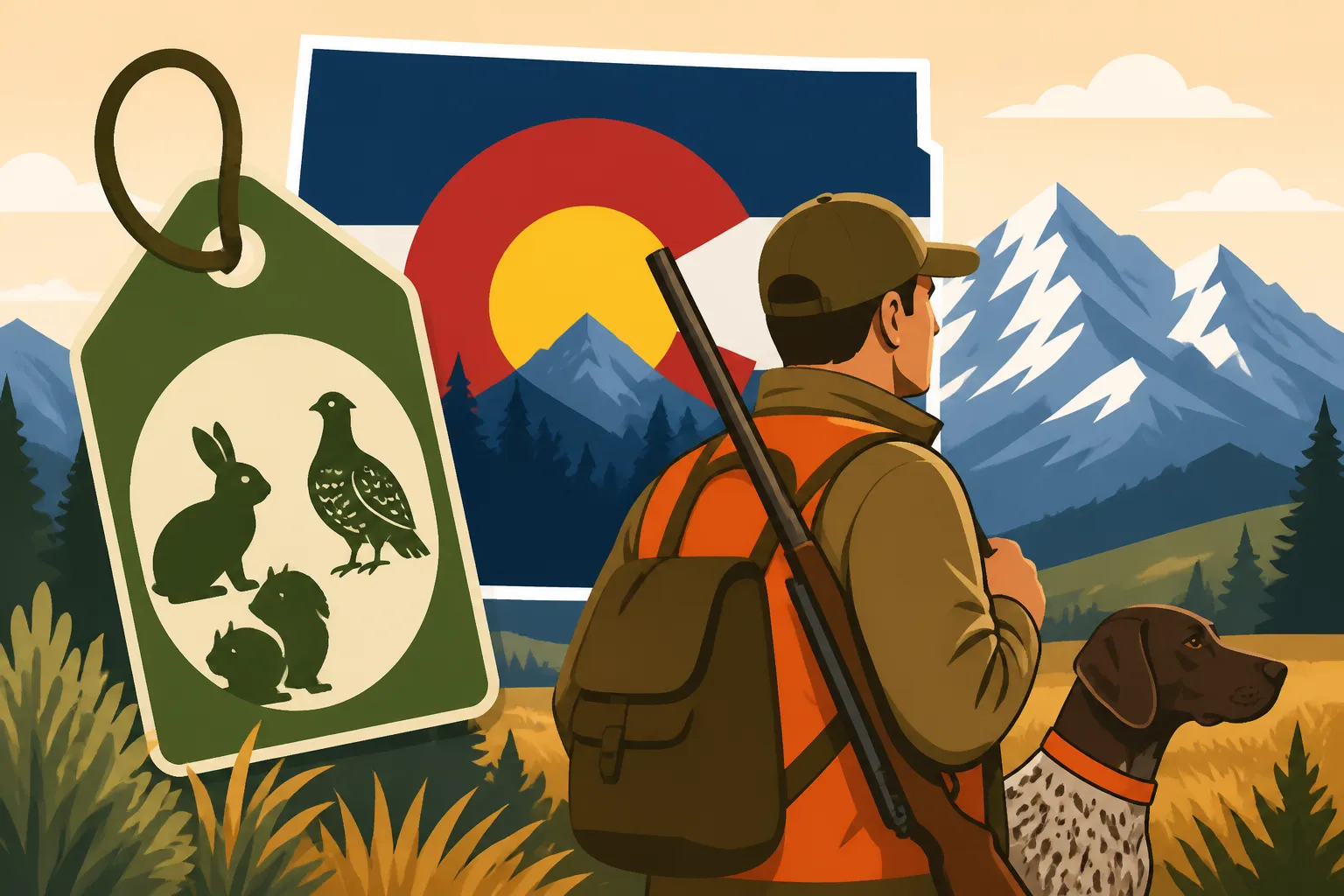
When we talk about "small game" in Colorado, we're discussing a wonderful variety of species that offer fantastic hunting opportunities without the demanding draw odds or physical prowess often associated with bigger quarry like elk or mule deer. Think fast-flushing upland birds and quick-footed rodents. Specifically, Colorado Parks and Wildlife (CPW) categorizes small game to include species like cottontail rabbits, snowshoe hares, tree squirrels (Abert's, fox, gray), and several upland bird species such as dusky grouse, sharp-tailed grouse, greater prairie chickens, pheasant, chukar, and quail. Waterfowl, like ducks and geese, also fall under the small game umbrella, though they have their own specific federal and state stamp requirements in addition to the base small game license.
Hunting small game offers a unique rhythm compared to big game. Instead of glassing vast expanses for hours, you might be meticulously working a brushy draw for cottontails, listening for the tell-tale wing beats of a flushing grouse in the timber, or watching a feisty Abert's squirrel dart up a ponderosa pine. These pursuits are often less physically demanding than high-country elk hunts, making them perfect for hunters of all ages and experience levels, including families or those looking to introduce new folks to the field. It’s a chance to hone your shooting skills, practice field craft, and simply enjoy being outdoors without the immense pressure of a once-in-a-lifetime draw tag.
Who Needs a Small Game License and Why?
The short answer is: almost everyone who plans to hunt small game in Colorado. Like all hunting licenses, the small game license is a critical component of wildlife management and conservation funding. When you purchase a license, your money goes directly into programs that support wildlife habitat, research, law enforcement, and public access projects across the state. It’s a direct investment in the future of Colorado’s natural resources, ensuring that these opportunities remain available for generations to come.
There are, of course, a few exceptions to the general rule. Colorado residents under the age of 18, and non-residents under 18, may have different requirements or even fee exemptions depending on their specific circumstances and what they plan to hunt. For instance, a youth might hunt certain species under the supervision of a licensed adult without needing their own license, or at a reduced cost. However, for most adults, whether you're a long-time Colorado resident or visiting from out of state, a small game license is a mandatory purchase. It's always best to check the current year's regulations directly with Colorado Parks and Wildlife or use a comprehensive resource like GoHunt to ensure you're fully compliant before heading afield. Ignoring this foundational requirement can lead to hefty fines and loss of hunting privileges, which is something no one wants to experience.
Breaking Down Resident and Non-Resident License Fees and Additional Requirements
One of the most common points of frustration for hunters, especially those traveling from out of state, is the difference in license costs. It’s a reality across almost all states, and Colorado is no exception. The idea is to give residents a break since they already contribute to the state's tax base, but it can still feel like a sting for non-residents.
Current License Costs for Residents and Non-Residents
Colorado Parks and Wildlife (CPW) sets the license fees annually, and while they generally remain consistent, it’s always wise to verify the most up-to-date figures. For residents, the cost of a small game license is typically quite affordable, designed to encourage local participation in hunting and conservation. Non-residents, on the other hand, will find their small game license significantly more expensive, reflecting the higher fees common for out-of-state hunters for all types of game.
Let's look at a general breakdown of what you might expect to pay. Keep in mind these are approximate figures for a standard annual small game license and don't include the mandatory Habitat Stamp or any federal stamps for migratory birds.
| License Type | Resident Adult (18-64) | Non-Resident Adult (18+) | Resident Youth (12-17) | Non-Resident Youth (12-17) | Senior Resident (65+) |
|---|---|---|---|---|---|
| Small Game Annual License | ~$35 | ~$90 | ~$10 | ~$15 | ~$10 |
Note: These are illustrative costs. Always check the current year's Colorado Parks and Wildlife official fee schedule for precise figures before purchasing.
As you can see, the difference is substantial, almost triple the cost for non-residents compared to residents. This pricing structure helps ensure that the state's conservation efforts are funded by both local users and those who visit to enjoy Colorado's rich hunting opportunities. While the costs might seem like just another hurdle, remember that every dollar contributes to managing the very populations you hope to pursue.
The Mandatory Colorado Habitat Stamp
Beyond the base small game license, there’s another crucial fee that almost every hunter in Colorado must pay: the Habitat Stamp. This isn't just an optional extra; it's a mandatory purchase for nearly all hunting and fishing license holders aged 18-64 in Colorado. The Habitat Stamp costs a modest amount, typically around $12-$13, and it's valid for a full year from the date of purchase. If you already purchased one for a big game hunt or a fishing trip earlier in the year, you don't need another one.
The purpose of the Habitat Stamp is right in its name: to conserve, protect, and enhance wildlife habitat throughout Colorado. Since its inception, the program has funded countless projects that directly benefit the animals we hunt, including small game species. These projects might involve restoring wetlands for waterfowl, improving forest health for grouse, or managing agricultural lands to provide cover for pheasants and rabbits. So, while it adds a few dollars to your total cost, it's an investment that directly improves the hunting experience for everyone. It's a fundamental part of the state's commitment to ensuring vibrant wildlife populations and healthy ecosystems, and a testament to the North American Model of Wildlife Conservation. You can learn more about this vital contribution to wildlife management in our detailed guide on the Colorado Habitat Stamp Explained.
Understanding Hunter Education and Specific Species Permits
Before you even think about buying a license, many hunters, particularly those born after January 1, 1949, will need to complete a hunter education course. This is a one-time requirement designed to teach safety, ethics, and conservation principles. If you've completed a hunter education course in another state, Colorado generally recognizes it, but you'll need to be able to show proof. This course is foundational for responsible hunting and ensures that everyone heading into the field understands their obligations. For more information, including how to find a course, check out our guide on the Colorado Hunter Education Requirement.
Beyond the general small game license and Habitat Stamp, some specific small game pursuits require additional federal or state stamps. The most notable example is migratory bird hunting. If you plan to hunt ducks, geese, doves, or snipe, you’ll also need to purchase a Federal Migratory Bird Hunting and Conservation Stamp (often called a "Duck Stamp"), which is a federal requirement, and sometimes an additional Colorado Migratory Bird Stamp. These stamps contribute to wetland conservation efforts that benefit a wide array of migratory species. Always check the current year's CPW small game and migratory bird regulations to ensure you have all the necessary permits for the species you intend to hunt. A resource like GoHunt can be incredibly helpful for staying on top of these nuanced requirements, offering state-specific tools to guide you.
The Practicalities of Purchasing Your License and Maximizing Your Small Game Opportunities
Now that you know the costs and requirements, let’s talk about actually getting your hands on that license and why small game hunting in Colorado is such a fantastic pursuit. It’s not just about the numbers; it’s about the experience.
Where and How to Buy Your Colorado Small Game License
Purchasing your Colorado small game license is a straightforward process, thankfully. You won’t be dealing with complex draw systems or preference points like you might for coveted elk or mule deer tags. Small game licenses are generally available over-the-counter (OTC) at any time throughout the open seasons.
Here are your main options for purchase:
- Online via the CPW Website: This is by far the most convenient method for many. You can visit the Colorado Parks and Wildlife website, create an account if you don't have one, and purchase your license with just a few clicks. Your license will be digital, and you can often print a copy or carry it on your phone via their app. This is especially handy for non-residents planning their trip.
- Authorized License Retailers: Many sporting goods stores, local shops, and even larger retailers like Walmart or Bass Pro Shops across Colorado are authorized to sell CPW licenses. This can be a great option if you prefer an in-person transaction, or if you're already at a store picking up other hunting supplies. Just make sure to bring your identification and any required hunter education certification details.
- CPW Offices: You can also purchase licenses directly from any Colorado Parks and Wildlife office during business hours. While perhaps less convenient than online or at a retailer, it's an option if you need direct assistance or have specific questions.
When purchasing, you'll need to provide some basic personal information, including your date of birth, address, and potentially your hunter education certification number. For non-residents, an out-of-state hunting license number might also be requested. The process is generally quick and easy, ensuring you can spend less time on paperwork and more time in the field. Remember, whether you're using the CPW site or a third-party retailer, resources like GoHunt often provide helpful links and guides to streamline this process, ensuring you're aware of any deadlines or specific steps for the current year. Our guide on Colorado Hunting License Costs provides a broader overview of all license types.
Why Small Game Hunting is an Accessible Entry Point in Colorado
Small game hunting in Colorado offers a unique blend of affordability, accessibility, and pure enjoyment that can be hard to match with other big game pursuits. For many, it's the perfect entry point into the hunting world or a way to extend their time in the field outside of major big game seasons.
Firstly, the costs are significantly lower. As we’ve seen, the license itself is much more budget-friendly than a Colorado elk tag, especially for residents. You don't need a huge budget for specialized gear either. A decent shotgun or small-caliber rifle, some good boots, and appropriate clothing will get you started for most small game species. This makes it an excellent choice for beginners or those operating on a tighter budget.
Secondly, small game opportunities are incredibly widespread. Many big game units require extensive scouting, challenging terrain, and can be quite pressured. While small game can also be found in remote areas, there are ample opportunities closer to towns, on accessible public lands like National Forests and BLM land, and even on the Eastern Plains. This accessibility means less travel, potentially less competition, and more time actually hunting. You can find everything from cottontail rabbits in brushy draws to several species of grouse in the high country, and pheasants on agricultural fringes. For those interested in upland birds, our guides on Colorado Dusky Grouse Hunting and Colorado Ptarmigan Hunting offer fantastic insights.
Finally, small game hunting is simply a lot of fun. It’s often fast-paced, requires quick reflexes, and can be incredibly rewarding. It teaches fundamental hunting skills like tracking, stealth, reading cover, and gun dog training, all of which are transferable to big game. It's also an excellent way to introduce youth to hunting in a less intimidating environment, fostering a love for the outdoors and responsible stewardship. Instead of a grueling multi-day pack-in hunt, you can often enjoy a productive morning or afternoon hunt, be back home, and have a delicious meal on the table. Consider exploring other species with our Colorado Small Game Hunting overview to see what appeals to you most. It truly is one of the Best Beginner Species to Hunt in Colorado for a reason.
Disclaimer
Please remember that hunting regulations, fees, and season dates are subject to change. Always consult the official Colorado Parks and Wildlife (CPW) website or the current year's hunting brochures for the most accurate and up-to-date information before planning your hunt. This guide is for informational purposes only and should not replace official state resources.