How to Find Elk Refuge Areas
Hunting elk in Colorado can feel like a relentless game of hide-and-seek, especially when those wily animals disappear into thin air the moment hunting pressure builds. It’s incredibly frustrating to spend days e-scouting and boots-on-the-ground scouting only to find empty draws come opening morning, leaving you wondering where all the elk went. This guide is here to help you unravel the mystery of elk refuge areas, teaching you how to identify these crucial zones and use that knowledge to your advantage for a more successful and less frustrating hunt.
Understanding Elk Refuge Areas
When we talk about "elk refuge areas" in Colorado, it's important to clarify that we're not always referring to officially designated wildlife refuges or federal lands with explicit "no hunting" signs. While those certainly exist and serve as true sanctuaries, for a hunter, an elk refuge is any spot where elk consistently seek safety from human pressure. These are the places where they feel secure enough to feed, bed, and live their lives when the woods get busy. Identifying these havens is a critical step in understanding elk movement and predicting where they'll be when the pressure is on.
What Constitutes an Elk Refuge?
An elk refuge, in the context of hunting, is essentially any piece of terrain that provides a high level of security from human disturbance. This security can come in many forms, but it generally boils down to areas that are difficult for hunters to access, offer abundant cover, or have very little human presence. Think about the nastiest, steepest, thickest, most remote sections of public land you can imagine – those are prime candidates.
These zones often encompass dense timber stands, particularly those on steep, north-facing slopes that offer both thermal cover and limited visibility. They might be deep within wilderness areas where motorized access is prohibited, forcing hunters to hoof it miles from the nearest trailhead. Sometimes, a refuge can even be a secluded canyon or a series of benches that are simply too much work for most hunters to consistently penetrate. These aren't necessarily "no hunting" zones, but rather areas where the physical demands on the hunter naturally create a barrier that elk exploit.
On the flip side, official wildlife refuges or private land where hunting isn't permitted also act as absolute refuges. Elk instinctively know these boundaries and will often spill out onto public lands only under the cover of darkness or during specific times of low pressure, quickly retreating when they sense danger. Understanding these dynamics is key to planning a successful Colorado DIY Elk Hunting Guide strategy.
Why Elk Seek Refuge
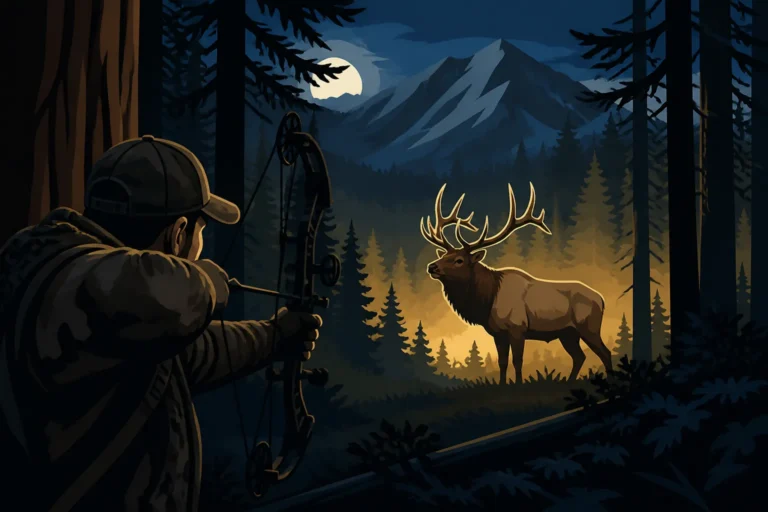
The primary reason elk seek refuge is pure survival instinct. Humans, especially hunters, represent a significant threat, and elk are incredibly adept at learning and adapting to avoid danger. During the early archery seasons, elk might be more visible and vocal, but as soon as rifle season kicks in, their behavior often shifts dramatically.
High hunting pressure forces elk to change their patterns. They become more nocturnal, moving and feeding under the cloak of darkness and bedding down in the thickest, most inaccessible areas during daylight hours. This is why you might hear them bugling one day, and the next, they've gone completely quiet, melting into the landscape. They prioritize security above almost everything else during hunting seasons.
Beyond avoiding hunters, these refuge areas also meet essential habitat needs. They provide critical thermal cover, shielding elk from harsh weather elements like extreme cold, biting winds, or intense sun. They often contain reliable water sources, minimizing the need for elk to travel long distances and expose themselves. And, even within these dense areas, there are usually pockets of forage or browse that can sustain them for extended periods. When you’re trying to find elk when they go quiet, looking to these areas is often the answer.
Identifying Potential Refuge Zones
Finding these hidden sanctuaries requires a keen eye, a good understanding of elk behavior, and a willingness to look beyond the obvious. It’s not just about finding thick woods; it’s about identifying the confluence of features that make a place undesirable for most hunters and, therefore, irresistible to elk.
Topographical Features and Cover
One of the strongest indicators of an elk refuge is the presence of steep, rugged terrain. Canyons, incredibly steep drainages, and remote, high-elevation benches that require significant effort to reach are classic examples. Most hunters naturally gravitate towards easier access, so areas with challenging vertical relief or difficult cross-country travel often see less human intrusion. These are spots where you're more likely to see signs of undisturbed elk activity.
Dense timber also plays a crucial role. Think of vast stands of lodgepole pine or dark timber pockets on shaded slopes. These areas offer low visibility, making it incredibly difficult for hunters to spot elk, and equally difficult for elk to be spotted. Elk will often bed down in these thickets, feeling protected by the dense canopy and undergrowth. While these areas might not hold high-quality forage, their value as security cover during daylight hours is immense. Understanding how to hunt elk in the dark timber is key to success in these areas.
Furthermore, remote water sources within these challenging areas are vital. Elk need water daily, and if they can access a hidden spring, seep, or small creek within a thick, steep refuge, they won't have to venture out into more exposed terrain as frequently. These subtle water points can often be the anchor for a significant elk refuge.
Pressure Points and Human Activity
The inverse of a refuge is a pressure point. Understanding where hunters do go helps you identify where elk don't go, or at least where they spend less time during daylight hours. Roads and established trails are obvious pressure points. The further you get from any motorized or even foot traffic, the higher the likelihood of finding undisturbed elk. This is why a Colorado Backcountry Hunting Guide often emphasizes getting deep into the wilderness.
Trailheads, camping areas, and popular scenic overlooks are magnets for human activity, and elk will typically give these a wide berth, especially once hunting season starts. These are zones you'll want to scout for travel corridors leading away from them, rather than expecting to find elk bedded close by.
Boundary lines are also critical. Wilderness area boundaries, where motorized vehicles cease, often act as invisible walls that elk use to their advantage. They will linger close to these lines on the public land side, knowing they can quickly slip into the true wilderness sanctuary if disturbed. Similarly, private land boundaries are huge. Elk will often move onto private property during the day and venture out onto public lands to feed under the cover of darkness. This pattern is particularly evident during the rifle seasons. When considering how to hunt elk in rifle season pressure, observing these boundaries becomes paramount.
E-Scouting and Boots-on-the-Ground Tactics
Now that we understand what makes an elk refuge, the next step is actually finding them. This is where modern technology meets traditional woodsmanship, and a combination of both will yield the best results.
Leveraging Digital Tools (GoHunt)
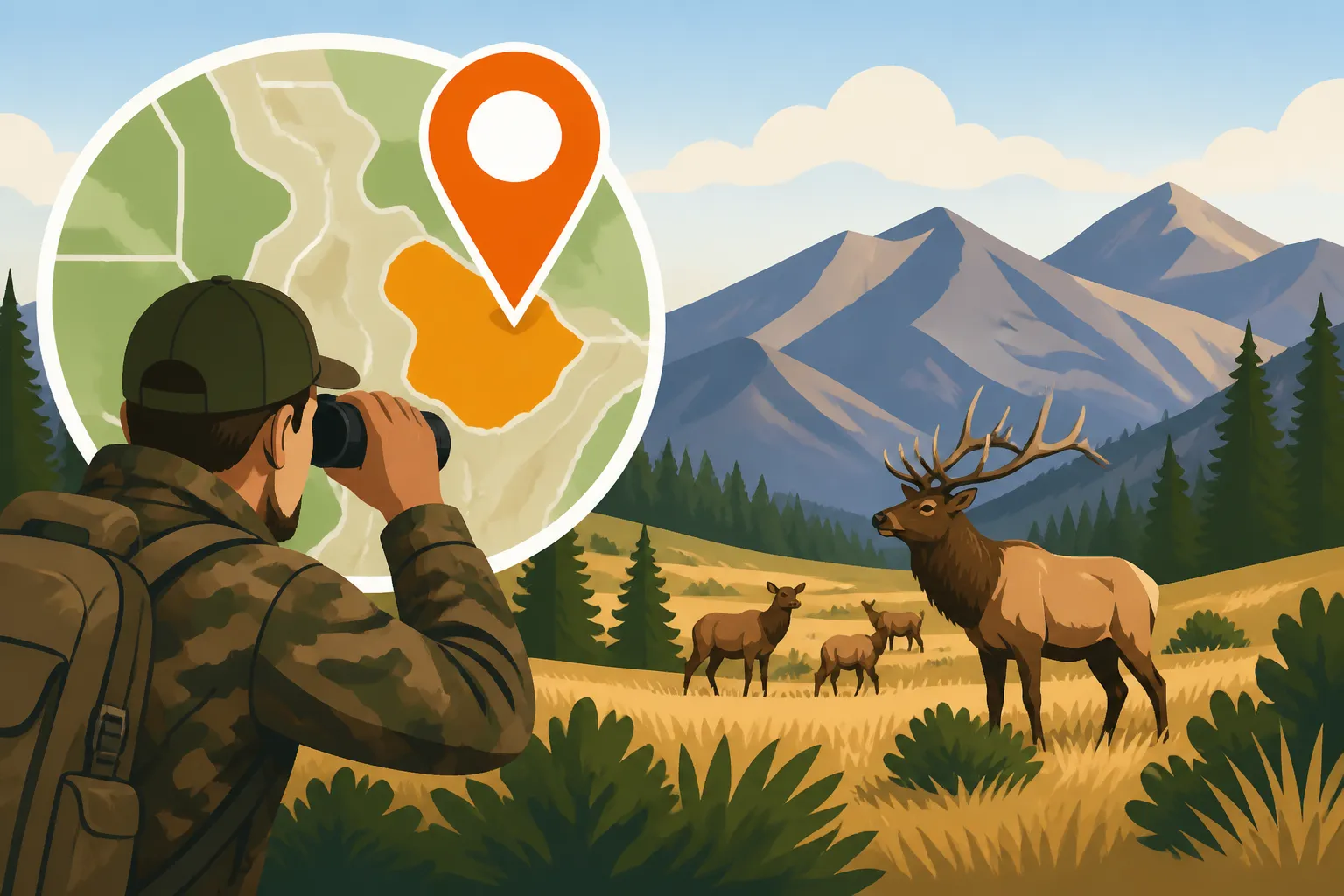
In today's hunting world, e-scouting is an invaluable tool for identifying potential elk refuge areas before you ever set foot on the mountain. Platforms like GoHunt are powerful resources that allow you to analyze vast landscapes from your computer or phone. Start by studying topographic maps and satellite imagery. Look for the extreme terrain features we discussed: steep slopes, deep canyons, and expansive, roadless tracts of land. High-resolution satellite imagery can reveal dense timber stands that might appear impenetrable from the ground.
With GoHunt, you can overlay different map layers to identify public land boundaries, wilderness areas, and even historical burn areas. Burned areas, while often initially barren, can quickly grow back with nutrient-rich forage that attracts elk, especially if these areas are remote and offer good escape cover nearby. Look for patterns of old roads or trails that are now closed or rarely used; these can sometimes offer a path into a remote area that still offers security. Identifying these hard-to-reach pockets, particularly those far from popular trailheads, is crucial. You can also use these tools to scout potential routes for a How to Pack Into the Colorado Backcountry hunt.
Beyond identifying remote topography, these tools can also help you pinpoint subtle features like remote springs or seeps that might not be marked on older paper maps. Water is a non-negotiable for elk, so finding these hidden sources within thick cover can reveal a key component of a refuge. By spending hours digitally dissecting a unit, you can narrow down vast areas to a handful of high-probability refuge zones, saving you valuable time and effort in the field. This detailed preparation is a core component of how to E-Scout Before a Colorado Hunt.
Confirming Refuges Through Scouting
While e-scouting gives you a fantastic head start, there's absolutely no substitute for boots-on-the-ground scouting. Once you've identified potential refuge areas on your maps, it's time to visit them, ideally during the off-season or before your hunt. This allows you to confirm your suspicions without putting additional pressure on the elk during hunting season.
During pre-season scouting, look for old elk sign: well-worn game trails leading into and out of the suspected refuge, old rubs on trees, and dried droppings. These indicate historical use. You're looking for areas that show consistent activity over time, not just a transient passing. Pay close attention to the transition zones—the edges of the thick cover where elk might feed before retreating into the security of the refuge. You'll often find more fresh sign in these areas as elk stage there.
Another highly effective tactic is strategic glassing. From a distant vantage point, spend hours at dawn and dusk patiently sweeping your binoculars or spotting scope across the suspected refuge area. Even if the cover is dense, you might catch a glimpse of an ear twitch, a tail flick, or a faint outline of an elk moving within the timber. This is especially useful on How to Glass Big Colorado Basins, where vast areas can be observed from a single point. If you see consistent movement into or out of these areas, you've likely found an active refuge. Setting up trail cameras on established game trails leading into or out of these areas can also provide valuable intelligence on current elk usage patterns, confirming if the refuge is active during the season.
Finally, during the hunt itself, look for fresh sign. New tracks in the mud, fresh droppings, and recently chewed browse are all indicators that elk are actively using an area. If you find these signs near or within a suspected refuge, you can be confident you're on the right track. Remember, moving quietly through Colorado timber is essential, as these areas are designed for elk security.
Strategies for Hunting Refuge Perimeters
Once you've identified these elusive elk refuge areas, your hunting strategy shifts from searching for elk to intercepting them as they move. Directly busting into a thick, steep refuge is often a low-percentage play, as elk typically hear or smell you long before you see them, and they'll simply disappear into even nastier terrain. The smarter approach is to hunt the perimeter and the travel corridors. This is a critical component of Colorado Elk Hunting Methods Explained.
Intercepting Elk Movement
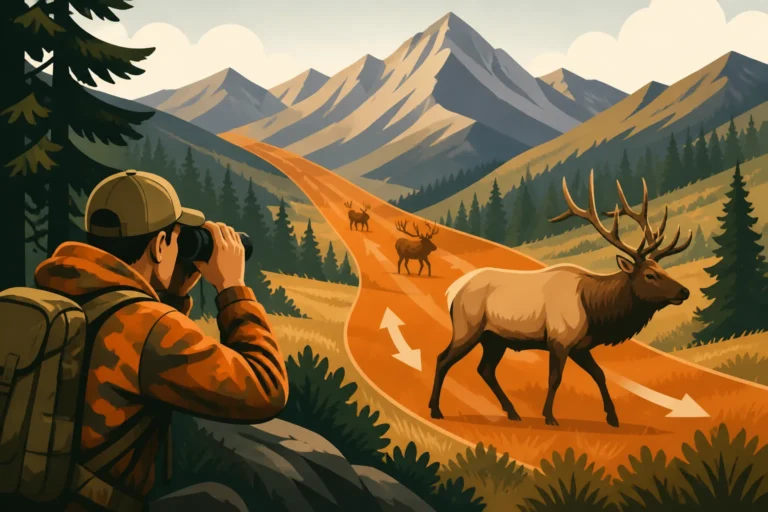
Elk will typically exit their refuge areas to feed and water, often doing so under the cover of darkness or during the very early and late hours of the day. Your goal is to be positioned to intercept them as they transition between security cover and feeding grounds. This often means focusing your efforts on the edges of the refuge, particularly where it transitions into more open parks, meadows, or areas with better forage.
Set up before dawn along known travel corridors or benches where elk would naturally move. Think about saddles connecting ridges, benches below dense timber, or fingers of timber extending into more open feeding areas. These are natural funnels where elk movement is concentrated. You might be focused on glassing these transition zones, or setting up for an ambush if you’ve patterned their movement precisely.
Another strategy is to identify alternative water sources outside the deepest parts of the refuge. While elk might have water inside their sanctuary, they may use more accessible water sources closer to feeding areas during low-light conditions. These can be excellent ambush points. Remember, the elk will be moving cautiously, constantly checking the wind and listening for danger, so your setup needs to be impeccable.
| Refuge Feature Edge | Best Time to Hunt | Strategy | Wind/Thermal Considerations | Key Gear |
|---|---|---|---|---|
| Timber Edge | Dawn/Dusk | Ambush; sit & wait on travel trails. | Predict thermals (down in AM, up in PM). | Rangefinder, binoculars, scent control. |
| Saddles/Benches | Dawn/Dusk | Intercept moving elk; quiet approach. | Crucial for predicting approach/escape routes. | Lightweight pack, good boots. |
| Drainage Heads | Mid-morning | Push/follow through carefully (small groups). | Swirling winds, use to your advantage. | Calling setup, compact rifle/bow. |
| Private Land Line | Dawn/Dusk | Set up on public side, watch for crossings. | Steady wind direction is vital. | Spotting scope, tripod, stealthy clothing. |
| Remote Water | Mid-day (hot) | Patient watch, minimal disturbance. | Position downwind of water source. | Hydration, comfortable sitting pad. |
Pushing and Calling the Edges
While blindly crashing through a refuge is rarely effective, a coordinated push or strategic calling can sometimes coax elk out of their stronghold. If you're hunting with a partner, one person can quietly move through a section of the refuge, while the other is positioned downwind further along a likely escape route or feeding area. The "pusher" isn't trying to spook elk into a dead run, but rather to subtly encourage them to move slowly towards the waiting hunter. This requires careful coordination and communication.
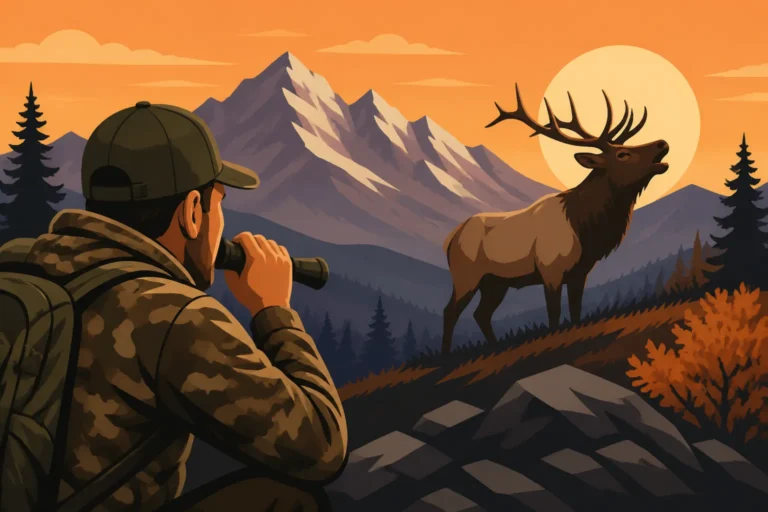
Calling can also be incredibly effective on the edges of a refuge, particularly during the rut or if you've been working a silent bull. Using soft cow calls or even subtle bugles from the perimeter can sometimes pique an elk's curiosity, causing them to move from their dense cover to investigate. However, be prepared for them to circle downwind to scent check, so positioning yourself with the wind in mind is paramount. Knowing How to Call Elk in Colorado effectively can make all the difference.
Always remember that these elk are incredibly wary. A single mistake – a noisy step, a whiff of human scent, or a poorly timed call – can send them deeper into security cover or across a boundary, effectively ending your chances. This is where patience, discipline, and absolute attention to wind direction and thermals become critical. Understanding how to use the wind hunting Colorado elk and how to use thermals in Colorado elk country will maximize your chances of success. It’s also important to have the Best Colorado Elk Hunting Gear to support your efforts.
The Role of Physical Endurance
Hunting refuge areas, by their very definition, means tackling difficult terrain. These are not flat, easy-to-access areas. They are often steep, remote, and require significant physical exertion to reach and effectively hunt. Being physically prepared for Colorado elk hunting is not just an advantage; it's a necessity. You'll need to be able to hike miles, often uphill, with a pack, and still have the stamina and mental fortitude to hunt effectively once you get there.
This is especially true if you plan to hunt at higher elevations, where elk often retreat when pressured. Understanding How to Hunt Elk at High Elevation involves not just strategy, but also proper physical conditioning and acclimatization to the thinner air. Building your physical endurance in the months leading up to your hunt will dramatically increase your chances of successfully penetrating these refuge areas and ultimately, harvesting an elk. It's not just about the shot; it's about getting to where the elk are and having the energy to execute your plan.
Conclusion: Mastering the Art of Refuge Hunting
Successfully finding and hunting elk refuge areas in Colorado is a testament to a hunter's patience, skill, and commitment to understanding elk behavior. It's a challenging endeavor, often requiring you to push beyond comfortable boundaries, both physically and mentally. There will be days of tough climbs and empty sightings, but the reward of outsmarting a wary bull or cow that has vanished into its sanctuary is truly unmatched. By combining diligent e-scouting using tools like GoHunt with thorough boots-on-the-ground reconnaissance, and then executing a disciplined hunting strategy around these crucial areas, you'll dramatically increase your odds of success. Remember, elk are creatures of habit and security, and by learning to read their landscape, you unlock the secrets to their survival, and ultimately, your hunting success.
Disclaimer
Hunting is an inherently dangerous activity. Always prioritize safety, adhere to all Colorado Parks and Wildlife regulations, and respect private property. The information provided in this guide is for educational purposes only and should not replace professional guidance or local regulations. Always be prepared for rapidly changing weather conditions and consult official sources for the most up-to-date hunting laws and season dates.