Best Backcountry Gear for Colorado Elk
The crisp mountain air, the smell of pine, and the sheer vastness of Colorado's elk country can be exhilarating, but the thought of packing everything you need for a multi-day backcountry hunt? That's enough to give even seasoned hunters a headache. It's not just about fitting it all in; it's about making sure you have the right gear that can stand up to extreme weather, keep you safe, and still allow you to be agile enough to pursue elk deep in their domain. This guide will walk you through the essential backcountry gear for Colorado elk hunting, helping you choose wisely so you're prepared for whatever the mountains throw your way.
The Foundation: Your Pack and Shelter System
When you're deep in the Colorado backcountry, far from any trailhead, your backpack and shelter aren't just pieces of gear; they're your mobile home and lifeline. Choosing wisely here can make or break your hunt, impacting your comfort, safety, and ultimately, your ability to stay out longer and hunt harder.
Selecting the Right Backpack
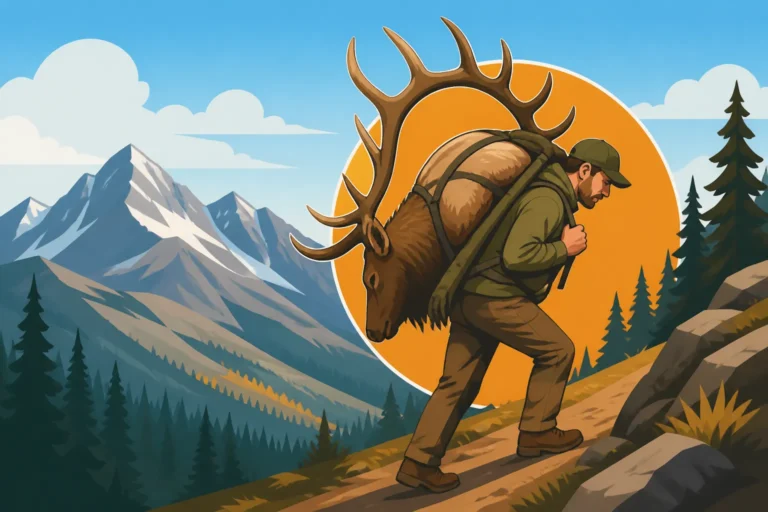
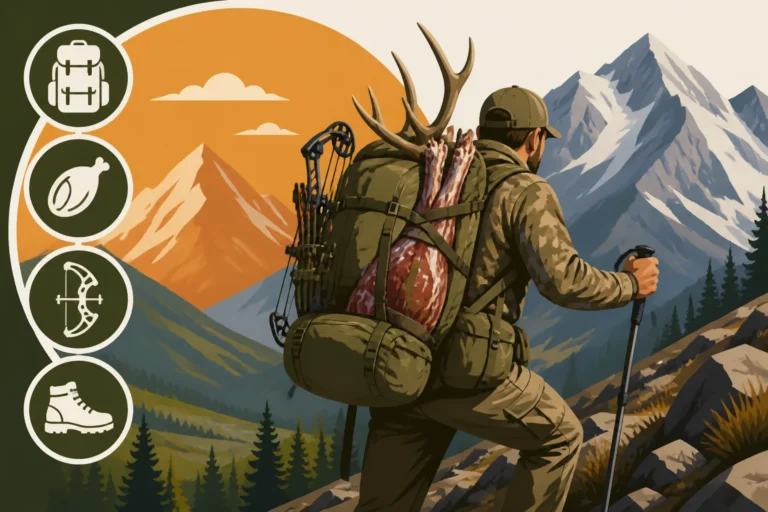
Your backpack is arguably the single most important piece of gear for a backcountry elk hunt. It needs to be comfortable enough to carry heavy loads for miles, durable enough to withstand brush and rocks, and capable of hauling out a substantial amount of meat if you're successful. Many experienced hunters find that a pack in the 65-80 liter range offers a good balance for multi-day trips. This capacity allows for all your camp gear, food, and essentials, with enough room and adjustability to cinch down smaller loads or expand for an elk quarter. Look for packs with a robust internal or external frame system designed to transfer weight effectively to your hips, relieving your shoulders. Brands like Stone Glacier, Kifaru, and Mystery Ranch are favorites among the western hunting community for their load-hauling capabilities and durability. A good pack also needs multiple compression straps and external pockets for quick access to water, optics, or a rain shell. Remember, your pack will become significantly heavier on the way out, so prioritize a frame system that can handle 80-100+ pounds comfortably, even if you don't start with that much. For more detailed insights, check out our guide on finding the Best Backpack for a Colorado Elk Hunt.
Choosing a Backcountry Shelter
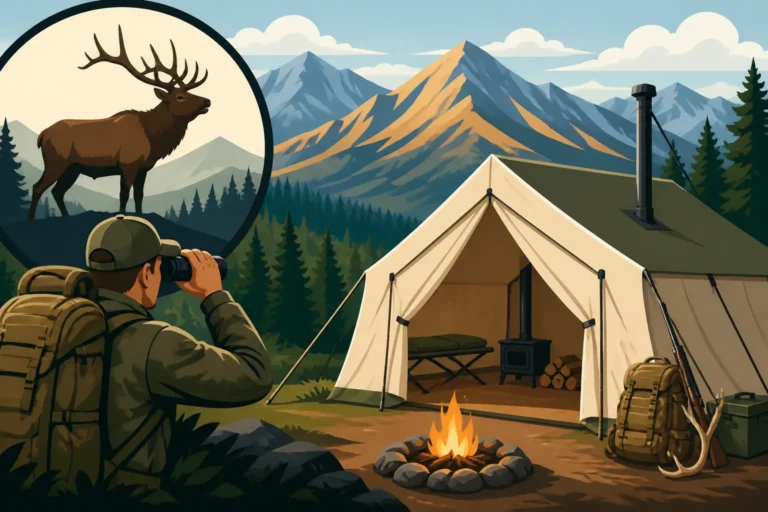
Your shelter system needs to be lightweight, compact, and capable of protecting you from Colorado's notoriously unpredictable weather. From high-altitude snowstorms in September to relentless rain and wind, your tent or bivy must be reliable. For solo hunters or duos, a lightweight two-person tent or a bivy sack are popular options.
- Tents: Look for three-season (or even four-season, depending on the hunt dates) tents made with durable, lightweight fabrics. Double-wall tents offer better condensation management, which is crucial for staying dry over multiple nights. Freestanding designs are often preferred for their ease of setup in rocky or uneven terrain. Pay attention to the packed weight; every ounce matters when you're hiking into remote areas. A tent around 3-5 pounds for a two-person setup is generally considered reasonable for backcountry hunting.
- Bivy Sacks: For the truly minimalist hunter, a bivy sack combined with a small tarp can offer significant weight savings. Bivys provide protection from the elements, but they lack the space and ventilation of a tent. They are best suited for solo hunters who prioritize extreme lightness and don't mind a snug fit. Make sure it's breathable to minimize condensation, especially at altitude.
No matter your choice, practice setting it up at home. You don't want to be fumbling with stakes and poles in the dark, in the rain, or with numb fingers when the weather rolls in unexpectedly. If you're planning a more stationary camp from which to spike out, our article on How to Set Up a Colorado Spike Camp offers more advice.
Staying Comfortable and Effective: Clothing and Sleep Systems
Comfort in the backcountry isn't a luxury; it's a necessity for sustained effort and focus. Hypothermia is a real threat, and a good night's sleep is critical for physical recovery and mental sharpness. Your clothing and sleep system are paramount for achieving this.
Layering for Colorado's Variable Weather
Colorado's mountains can deliver all four seasons in a single day. You might start your morning in freezing temperatures, sweat through a warm midday climb, and face an afternoon thunderstorm followed by a frigid evening. A versatile layering system is the key to managing these extremes.
- Base Layers: Start with moisture-wicking synthetic or merino wool base layers (lightweight for active periods, mid-weight for colder days). Merino wool is a favorite for its warmth-to-weight ratio and ability to retain warmth even when damp, plus it naturally resists odor.
- Mid Layers: A fleece jacket or a puffy synthetic/down jacket serves as your insulation layer. Down offers superior warmth-to-weight but loses insulating properties when wet, so a good synthetic puffy is often preferred for areas with high moisture potential or as a backup.
- Outer Layers (Shells): A waterproof and windproof jacket and pants are non-negotiable. Look for GORE-TEX or similar high-performance membranes that offer breathability while keeping rain and snow out. These should be durable enough to withstand abrasive brush and scrambling over rocks.
- Headwear and Gloves: A warm beanie, a wide-brimmed hat for sun protection, and multiple pairs of gloves (a thin liner pair for dexterity, a mid-weight fleece, and a waterproof outer pair) are essential. Losing heat from your head and extremities can quickly lead to discomfort and impaired judgment.
Understanding How to Layer for a Colorado Elk Hunt properly will not only keep you warm and dry but also help you avoid overheating during strenuous climbs, a common issue when chasing elk in steep terrain.
Essential Sleep System Components
A good night's sleep directly impacts your performance the next day. Skimping here often leads to misery, exhaustion, and potentially unsafe decision-making.
- Sleeping Bag: Your sleeping bag's temperature rating should align with the coldest expected temperatures for your hunt, factoring in your personal comfort level. For early season (September), a 15-20°F bag might suffice, but for later seasons (October/November), a 0°F bag or even colder could be necessary. Down bags offer the best warmth-to-weight, but synthetic is a safer bet if you anticipate consistently wet conditions. Consider a water-resistant down treatment if going with down.
- Sleeping Pad: An insulated sleeping pad is as critical as your sleeping bag for warmth, as the ground will leach heat away from you. Look for an R-value of 3.0 or higher for most Colorado elk seasons. Inflatable pads offer greater comfort and packability than closed-cell foam pads, but always carry a repair kit. Having a comfortable pad also significantly improves sleep quality on hard, uneven ground.
- Pillow: While not strictly essential, a small inflatable pillow can drastically improve your comfort. Many hunters opt to stuff their puffy jacket into a stuff sack for a makeshift pillow, saving weight and space.
Here’s a quick overview of essential gear categories and key considerations:
| Gear Category | Key Items & Considerations | Weight Consideration |
|---|---|---|
| Backpack | 65-80L with robust frame, external pockets, compression straps. | Critical |
| Shelter | Lightweight 2-person tent (3-5 lbs) or bivy sack + tarp. Season-appropriate. | High Priority |
| Sleeping Bag | 0-20°F rating, down (treated) or synthetic. | High Priority |
| Sleeping Pad | Insulated (R-value 3.0+), inflatable, repair kit. | High Priority |
| Base Layers | Merino wool or synthetic, lightweight and mid-weight. | Medium |
| Mid Layers | Fleece, puffy jacket (down or synthetic). | Medium |
| Outer Layers | Waterproof/windproof shell jacket and pants (GORE-TEX or similar). | Medium |
| Footwear | Sturdy, waterproof, broken-in hiking boots, gaiters, multiple sock pairs. | Critical |
| Navigation | GPS device (Garmin InReach/Zoleo), smartphone with mapping app (onX, GoHunt), compass, map. | Medium |
| Optics | Binoculars (10×42/12×50), Spotting Scope (optional but helpful), Rangefinder. | Critical |
| Water Management | Filter/purifier (Sawyer Squeeze), water bottles/reservoir, backup purification tablets. | Critical |
| Cooking | Lightweight stove, fuel, pot, spork. | Medium |
| Food | High-calorie, non-perishable, easy-to-prepare meals (freeze-dried, bars, nuts). | Critical (variable) |
| Safety/First Aid | Comprehensive kit, headlamp, fire starter, knife, signaling mirror, whistle. | Medium |
| Game Processing | Game bags, sharp knife, sharpening tool, cordage, rubber gloves. | Critical (if successful) |
Navigation, Optics, and Essential Tools for the Backcountry
In the vastness of Colorado's mountains, getting lost isn't an option, and spotting elk before they spot you is half the battle. Your navigation tools, optics, and other essential items are your eyes, ears, and lifeline in the wilderness.
Reliable Navigation Tools
GPS technology has revolutionized backcountry hunting, but never rely on just one method. Batteries die, devices fail, and signals drop. A multi-pronged approach is always safest.
- GPS Device: A dedicated handheld GPS unit, like those from Garmin, provides reliable satellite navigation even without cell service. Models with satellite communication capabilities, such as the Garmin InReach or Zoleo, also allow you to send emergency messages or check in with loved ones, which can be invaluable deep in the mountains.
- Smartphone Apps: Apps like onX Hunt or GoHunt have detailed topo maps, public/private land boundaries, and satellite imagery that are incredibly useful for e-scouting and in-field navigation. Download all maps for offline use before you leave home, as cell service is non-existent in much of the elk habitat. Carry a portable power bank (or two!) to keep your phone charged. To learn more about utilizing these tools effectively, see our article on How to E-Scout Before a Colorado Hunt.
- Physical Map and Compass: This is your absolute backup. Learn how to read a topographic map and use a compass before your hunt. Understand declination and practice navigating without electronics. This fundamental skill can literally save your life if your digital tools fail.
Optics for Spotting Elk
Elk are masters of camouflage, and the terrain in Colorado can be unforgivingly vast. High-quality optics are not just helpful; they are essential for efficiently locating animals, especially when you're glassing big Colorado basins.
- Binoculars: A good pair of 10×42 or 12×50 binoculars are a hunter's best friend. They are your primary tool for scanning the landscape. Invest in the best quality you can afford; clarity, low-light performance, and durable construction are key. Consider brands like Vortex, Leupold, or Swarovski.
- Spotting Scope: While a luxury for some, a spotting scope (15-45x or 20-60x) on a lightweight tripod can be a game-changer for evaluating distant animals, especially if you're trying to judge a bull's antler size. If you're hunting open country or glassing huge areas, it's a worthwhile addition.
- Rangefinder: Crucial for ethical shots. Knowing the exact distance to your target is non-negotiable, especially when shooting uphill and downhill at elk, where angles can significantly affect bullet trajectory. Many modern rangefinders also offer angle compensation features.
For more on selecting these crucial pieces of equipment, you might find our guide on Best Optics for Colorado Big Game particularly helpful.
Essential Tools and Safety Items
Don't overlook the small stuff. These items often get forgotten but can be critical in an emergency or for maintaining comfort.
- Headlamp: Carry two! One primary, one backup. Essential for navigating in the dark, setting up camp, and processing game. Ensure you have extra batteries.
- First-Aid Kit: A comprehensive kit tailored to your group size and trip length. Include pain relievers, blister treatment, bandages, antiseptic wipes, any personal medications, and a tourniquet. Consider taking a wilderness first-aid course.
- Knife(s): A sharp, sturdy fixed-blade knife for general utility and a dedicated game processing knife (or replaceable blade system like Outdoor Edge or Havalon) are critical. Don't forget a sharpening tool or extra blades.
- Fire Starter: Waterproof matches, a lighter, and a ferro rod or other reliable fire starter are non-negotiable for warmth and signaling.
- Communication Device: Beyond your GPS, a personal locator beacon (PLB) or satellite messenger offers a critical layer of safety for emergencies where cell service is absent.
- Repair Kit: Duct tape, cordage (paracord), sewing needle, safety pins. Small tears in gear can quickly become big problems without a way to fix them.
Fueling Your Hunt: Food, Water, and Safety Preparedness
You can have the best gear in the world, but if you're not properly fueled and hydrated, your body and mind will break down. Planning for food, water, and unexpected emergencies is crucial for a successful and safe backcountry elk hunt.
Strategic Food and Water Planning
Hunting elk in Colorado involves significant physical exertion at high altitudes. Your body will burn calories at an accelerated rate, and dehydration is a constant threat.
- Food: Pack high-calorie, nutrient-dense foods that are lightweight and easy to prepare. Freeze-dried meals are popular for dinner, while bars, nuts, jerky, and dried fruit are excellent choices for breakfast and lunch. Plan for roughly 3,000-4,000 calories per day, depending on your metabolism and exertion level. Always pack an extra day or two of food in case of unexpected delays.
- Water Management: This is where many new backcountry hunters make mistakes. You cannot carry enough water for an entire multi-day trip.
- Filtration/Purification: A reliable water filter (like a Sawyer Squeeze or Katadyn BeFree) is essential. Carry a backup method like purification tablets (Katadyn Micropur) or a SteriPEN.
- Containers: Use a hydration reservoir in your pack (2-3 liter capacity) for easy access while hiking, and carry at least one Nalgene or collapsible bottle for camp and quick refills.
- Source Scouting: Before your hunt, use GoHunt or onX Hunt to identify potential water sources near your planned route and camp. Streams, springs, and high-country lakes are common, but they can dry up in late summer or freeze in late fall. Always filter all water.
Game Processing and Pack Out Gear
The moment of truth—when you successfully harvest an elk—is just the beginning of the hardest work. Having the right gear for field dressing and packing out is non-negotiable. Our guide on How to Pack Out an Elk in Colorado delves deeper into these steps.
- Game Bags: Synthetic, breathable game bags (like those from Argali or KUIU) are essential for protecting meat from dirt, flies, and allowing it to cool properly. Bring at least five large bags.
- Knives and Sharpener: As mentioned, a dedicated game processing knife (or replaceable blade system) is critical. A small sharpening stone or ceramic stick is a must.
- Gloves: Several pairs of disposable nitrile or latex gloves for sanitary field dressing.
- Cordage: 50 feet of strong cordage (paracord) for hanging meat, securing loads, or improvising repairs.
- Headlamp: Again, essential for processing an animal in low light or darkness.
Dealing with the Unexpected
The backcountry is unforgiving. Being prepared for emergencies means having the tools and the mindset to handle challenging situations.
- Signaling Devices: A whistle and a small signaling mirror can attract attention in an emergency. Your satellite communication device serves this purpose too.
- Emergency Shelter: A lightweight emergency bivy or space blanket can provide critical warmth if you're stranded or forced to spend an unexpected night out.
- Bear Spray: While elk hunting, you're also in bear country (both black bears and grizzlies in some adjacent states, though mostly black bears in Colorado). Carrying bear spray and knowing how to use it is a wise precaution.
- Physical and Mental Toughness: No gear can substitute for physical conditioning and mental resilience. Prepare your body by following a solid Colorado Elk Hunt Fitness Plan, and prepare your mind by understanding the risks and challenges of hunting at high elevation.
| Gear Item | Purpose | Why it Matters in Colorado |
|---|---|---|
| GoHunt App | E-scouting, land ownership, topographic maps, unit data | Essential for pre-hunt planning and in-field navigation where cell service is nonexistent. |
| Insulated Sleeping Pad | Prevents heat loss to the ground | High altitude means cold nights, even in early seasons. Ground insulation is key to warmth. |
| Waterproof Shell | Protection from rain, snow, wind | Mountain weather is unpredictable; sudden storms are common and can lead to hypothermia risks. |
| Binoculars (10x-12x) | Spotting elk in vast, complex terrain | Elk blend in well; high-quality glass is crucial for effective scouting over long distances. |
| Headlamp (2 total) | Night visibility for hiking, camp, game processing | Days are shorter, and you often hike in the dark or process game after sunset. |
| Game Bags | Protecting and cooling harvested meat | Necessary for sanitation and preventing spoilage, especially if you have a long pack out. |
| First-Aid Kit | Treating injuries and illnesses | Medical help is hours away in the backcountry; self-reliance is paramount. |
| Power Bank | Charging electronics (phone, GPS, headlamp) | Devices are critical for navigation and safety, but batteries drain quickly in cold or with heavy use. |
| Water Filter | Access to safe drinking water | You can't carry enough water; safe access to natural sources is vital for hydration. |
Ultimately, your gear choices should reflect the specific season you're hunting, the terrain of your chosen unit, and your personal hunting style. A September archery hunt might allow for slightly lighter gear than a November rifle season. Regardless, investing in quality gear that you've tested and trust is a foundational step toward a successful and safe Colorado elk hunting adventure.
Disclaimer
Hunting in the Colorado backcountry carries inherent risks, including but not limited to adverse weather conditions, wildlife encounters, difficult terrain, and potential injuries. The information provided in this guide is for informational purposes only and should not be considered a substitute for professional training, personal experience, or adherence to all state and federal hunting regulations. Always prioritize safety, inform others of your plans, and be prepared for emergencies.