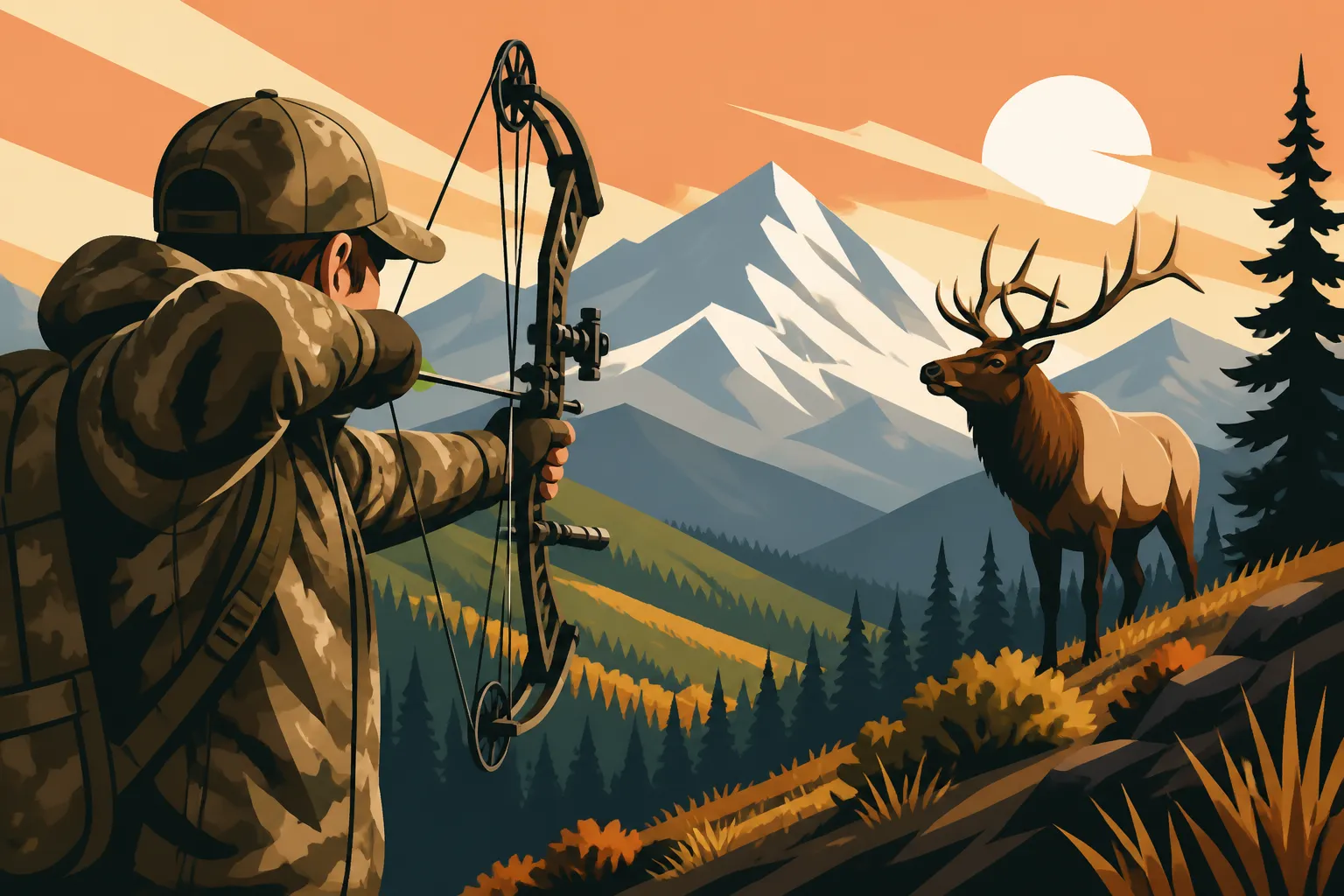
How to Hunt Colorado Archery Elk Solo
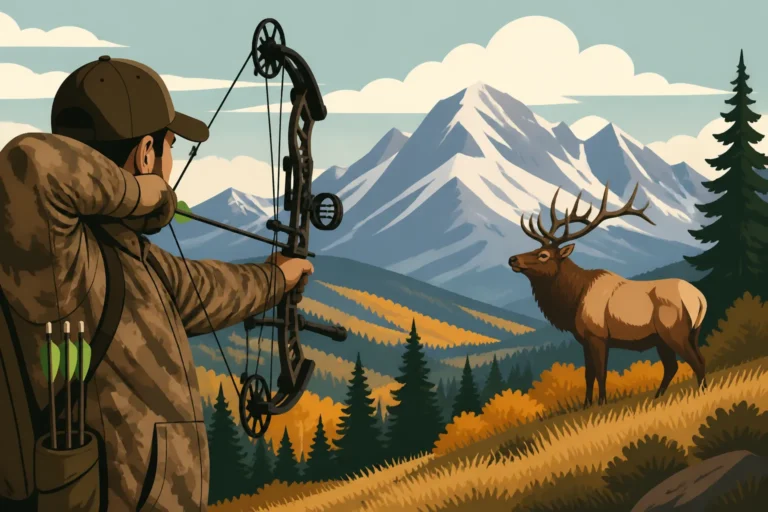
Venturing into the vast, rugged wilderness of Colorado with a bow in hand, alone, to pursue an elk is an experience that calls to the deepest parts of a hunter's soul. However, the sheer thought of going it alone can be incredibly daunting, especially when you consider the immense physical demands, complex logistics, and the critical need for absolute self-reliance. This comprehensive guide is designed to empower you, the solo archery elk hunter, by breaking down the unique challenges and offering actionable strategies to maximize your chances of success and, most importantly, ensure your safety in the backcountry.
The Unique Challenges of Solo Archery Elk Hunting
Solo archery elk hunting in Colorado isn't just a physical test; it's a profound mental and logistical undertaking that amplifies every aspect of the hunt. When you're out there by yourself, every decision, every movement, and every setback lands squarely on your shoulders.
Mental Fortitude and Physical Demand
The psychological weight of a solo hunt is unlike any other. There's no partner to bounce ideas off of, no one to share the burden of a heavy pack, and no one to offer encouragement when you're questioning every step. You become your own motivator, strategist, and support system. This can lead to decision fatigue, where the constant need to evaluate terrain, wind, elk sign, and your own physical limits can become exhausting. Imagine hiking for hours through steep, dark timber, only to realize the elk have moved out of the basin, and you have to decide, entirely on your own, whether to push deeper, change direction, or set up camp. That mental grind is constant.
Beyond the mental game, the physical demands are immense. You're responsible for carrying all your gear, water, and food, often through elevations ranging from 7,000 to over 11,000 feet. If you're fortunate enough to harvest an elk, the real work begins: quartering and packing out an animal that can weigh upwards of 700 pounds, often over multiple trips, all by yourself. There’s no one to help with the first cut, no one to hold a leg, and no one to carry the other half of a quarter. It's a true test of grit and endurance, especially when you're already fatigued from days of intense hunting.
Logistics and Safety Without a Partner
When you're alone, every logistical detail becomes a potential point of failure if not meticulously planned. Communication with the outside world is paramount. Cell service is non-existent in much of Colorado's prime elk habitat, meaning you need reliable satellite communication to check in with loved ones or, more critically, to call for help in an emergency. Without a partner, an injury, even a minor one like a twisted ankle, can turn into a life-threatening situation quickly if you can't self-evacuate or signal for assistance.
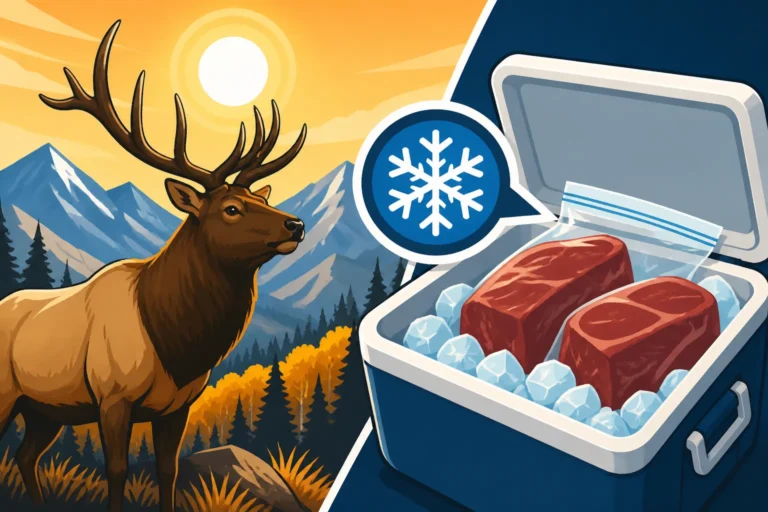
Then there's the critical aspect of meat care. An elk is a massive animal, and in the often-warm early archery season, getting that meat cooled and off the bone quickly is essential to prevent spoilage. Doing this solo, efficiently and cleanly, while maintaining situational awareness for other hunters or wildlife, requires a practiced system and a calm demeanor. Navigating alone in vast wilderness areas, especially in unfamiliar territory or unexpected weather, also carries inherent risks. A compass and map are your best friends, but even the best tools require a clear head and experience to use effectively when you're physically and mentally drained.
Increased Pressure and Stealth Requirements
In a solo archery setup, you are both the hunter and the hunted in a way. There's no second person to run a calling sequence from a distance, drawing a bull closer while you set up for the shot. You have to be the caller, the listener, and the shooter, all at once. This means your stealth, movement, and calling prowess must be impeccable. Any misstep, any noise, any wrong wind direction, and your opportunity can vanish.
Elk, particularly older bulls, are incredibly wary, especially during the archery season when they're still in bachelor groups or just starting to rut. Without the ability to create a "decoy" caller, you must rely on subtle, precise calling that doesn't scream "lone hunter." You need to be able to move through timber like a ghost, using every bit of cover and thermal to your advantage, to get within bow range. This increased pressure to perform perfectly adds another layer of challenge to an already demanding hunt.
Strategic Planning for Your Solo Archery Elk Hunt
Success in solo archery elk hunting in Colorado hinges on meticulous preparation long before you ever set foot in the mountains. This isn't a hunt you can wing; it demands detailed research, smart gear choices, and a commitment to physical and mental conditioning.
E-Scouting and Unit Selection
Electronic scouting (e-scouting) is your secret weapon, especially when hunting solo. Tools like GoHunt's Insider platform, OnX Hunt, or BaseMap allow you to pore over satellite imagery, topo maps, and land ownership data from the comfort of your home. You're looking for prime elk habitat: north-facing slopes with dark timber for bedding, south-facing slopes for early season feeding, water sources (springs, seeps, wallows), saddles and benches that serve as travel corridors, and potential escape routes. Pay close attention to public land access points and roads, aiming to find areas that require a longer hike to deter other hunters. The further you're willing to go, the more likely you are to find undisturbed elk.
When choosing a unit (GMU), research is key. Look into herd numbers, success rates for archery elk, and recent harvest data. Consider OTC (Over-the-Counter) units, especially if you're building preference points or if it's your first solo venture. Some GMUs, like those in the Flat Tops Wilderness Area or portions of the White River National Forest, offer vast public land suitable for extended backcountry hunts. However, these areas can also see significant pressure. Utilize GoHunt's "filtering" tools and draw odds data to identify units that might align with your desired hunting style and realistic expectations, whether you're chasing a trophy or simply seeking meat. Don't forget to study historical weather patterns and fire activity for your chosen area, as these can drastically impact elk behavior and access. A thorough e-scout can save you days of wasted hiking and help you focus on high-potential areas, which is critical when you're operating alone. Learn more about How to E-Scout Before a Colorado Hunt and dive deeper into understanding Colorado Hunting Units (GMUs) Explained to make informed decisions.
Gear Selection for Solo Success
Every item you pack on a solo hunt carries greater significance. Weight is a huge factor, but so is reliability and versatility. You need robust gear that can withstand the rigors of the Colorado backcountry without failure.
- Communication Device: A satellite messenger, like a Garmin InReach or Zoleo, is non-negotiable. It allows you to send check-in messages, share your location, and trigger an SOS in an emergency. Test it thoroughly before you leave.
- Navigation: While GPS on your phone (with downloaded offline maps from OnX or BaseMap) is great, always carry a physical map and compass and know how to use them. Electronics can fail, and getting lost alone is a terrifying prospect.
- Shelter: A lightweight, durable backpacking tent or bivy sack that can withstand mountain winds and rain is essential.
- Sleep System: A warm sleeping bag and pad appropriate for the expected night temperatures (which can drop significantly even in early September) are crucial for recovery.
- Backpack: Invest in a high-quality, load-hauling backpack designed for packing out meat. Look for models with an external frame or a strong internal frame system. This will be your lifeline if you're lucky enough to harvest an animal. A good pack can make the difference between a successful pack out and multiple, agonizing trips. Choosing the Best Backpack for a Colorado Elk Hunt is a decision you won't regret.
- Water Filtration: A reliable water filter (e.g., Sawyer Squeeze, Katadyn BeFree) is a must. Carrying all your water is impractical; plan to filter from natural sources.
- First-Aid Kit: A comprehensive kit, specifically tailored for backcountry injuries, including pain relievers, blister care, wound dressing, and any personal medications.
- Meat Care: Lightweight game bags (like Argali or KUIU), a sharp knife, and a small bone saw are vital. Plan for how you'll keep meat cool.
- Optics: High-quality binoculars and a spotting scope (if long-range glassing is part of your strategy) are essential for locating elk efficiently, minimizing unnecessary movement.
- Clothing Layers: Layering is critical for fluctuating mountain temperatures. Pack moisture-wicking base layers, insulating mid-layers, and a waterproof/windproof outer shell.
- Weapon & Broadheads: Ensure your bow is perfectly tuned and your broadheads are sharp and tested. Practice shooting at various angles and distances.
- Fire Starter: Multiple reliable methods (lighter, waterproof matches, ferro rod).
Redundancy for critical items (knife, fire starter, headlamp batteries) is a smart play when you're solo. Consider a comprehensive Colorado Backcountry Hunting Gear List to ensure you're fully equipped.
Physical and Mental Preparation
Colorado elk hunting is often described as a marathon, not a sprint. When you're solo, you have to be ready to run that marathon without a relief runner. Your physical conditioning must be top-notch. Start months in advance with a regimen that includes:
- Cardio: Incorporate high-intensity interval training (HIIT), trail running, and long hikes with elevation gain. Simulating mountain conditions on a Stairmaster or treadmill with incline is also beneficial.
- Strength Training: Focus on compound movements like squats, deadlifts, lunges, and core work to build overall strength and endurance, especially for carrying heavy loads.
- Hiking with Weight: Crucially, train by hiking with the same weight you anticipate carrying in your pack, gradually increasing the load. This not only builds strength but also toughens your feet and conditions your shoulders and hips.
- Altitude Acclimatization: If you're coming from sea level, plan to arrive in Colorado a few days early to acclimate. Even a couple of days at elevation can make a significant difference. Hydrate constantly. Learn more about Altitude Training for Colorado Hunting and How to Physically Prepare for Colorado Elk for optimal performance.
Mentally, visualize the hunt. Prepare for moments of doubt, loneliness, and extreme fatigue. Practice problem-solving scenarios in your head. Develop a strong "why" for your hunt – whether it's the challenge, the meat, or the experience – to draw upon when the going gets tough. Self-talk, positive affirmations, and a realistic expectation of the challenges will serve you well. Being alone means you have to be your own cheerleader when motivation wanes.
On-the-Ground Tactics for Solo Archery Success
Once you're in the field, solo archery elk hunting demands a refined approach. Every decision carries more weight, and your ability to adapt and execute flawlessly is paramount.
Locating and Approaching Elk Quietly
The first step to a successful solo hunt is finding the elk. Early mornings are prime for listening for bugles, especially as the rut approaches. Use high vantage points to glass vast basins and distant timbered slopes. A good pair of binoculars, like the Maven B.6 10×50, can save you miles of walking by spotting animals or signs from afar. Once you locate potential elk activity, the approach becomes critical.
When you're alone, you can't afford to be sloppy. Move slowly, deliberately, and quietly through the timber. "Still-hunting" where you take a few steps, then pause and scan, listening intently, is key. Use the wind and thermals to your advantage; always try to keep the wind in your face or quartering. In the mornings, thermals rise, so approach from below. In the evenings, thermals fall, so approach from above. Utilize every piece of cover – downed timber, thick brush, terrain features – to break up your silhouette. Closing the distance on a wary bull in thick timber, without another hunter to act as a distraction or draw, requires exceptional woodsmanship and patience. It's often a game of inches and silent steps. To enhance your skills, learn How to Glass Big Colorado Basins and master How to Move Quietly Through Colorado Timber.
Solo Calling Strategies
Calling alone is a different beast compared to hunting with a partner. You are the entire show. The classic "shooter in front, caller behind" strategy is off the table. This means your calling needs to be more subtle, less aggressive, and often executed from your shooting position.
- Diaphragm Calls: Master a diaphragm call. This allows you to call hands-free, so your bow remains ready. Practice cow calls, mews, and soft bugles.
- Location vs. Attraction: Early in the hunt, use a bugle to locate distant bulls, then move in quietly. Once you're closer, switch to softer, more inquisitive cow calls and mews. A loud, aggressive bugle from a lone hunter can sometimes spook a bull, especially one that has been pressured.
- Ambush Setups: Once you've located a bull or fresh sign, find a good ambush point. This means a spot with good cover, a clear shooting lane, and an escape route if the elk hangs up or circles downwind. Set up facing downwind, if possible, allowing the elk to approach into the wind. Call softly, and be ready to draw as soon as you hear a response or see movement.
- "Stand and Deliver": Sometimes, a bull will commit hard and fast. You need to be ready to draw and shoot quickly. Practice drawing your bow silently from various positions, including kneeling or standing, with all your gear on.
Remember, the goal of calling solo is not to have a bugling match, but to entice an elk into bow range. Being proficient in How to Call Elk in Colorado and specifically How to Cow Call Colorado Elk will significantly boost your odds.
Shot Placement and Post-Shot Protocol
Ethical shot placement is paramount in any hunting scenario, but especially so when you're alone. There's no partner to help you track, no one to share the burden of a long night if the shot isn't perfect. Wait for a broadside or slightly quartering-away shot at a comfortable distance. Never take a risky shot that you're not 100% confident in.
After the shot, the solo protocol is crucial:
- Mark the Spot: Immediately fixate on the exact spot the elk was standing when you shot. Pick out a specific tree, rock, or other landmark. This is your "impact site."
- Observe and Listen: Note the elk's reaction, direction of travel, and listen for any crashing or sounds indicating it went down.
- Wait: This is the hardest part, but vital. For a good lung or heart shot, wait at least 30-60 minutes. For a marginal hit (gut shot, leg), wait 4-6 hours, or even until morning if the shot was late in the day. Use this time to calm your nerves, replay the shot, and mentally prepare for the track.
- Track Carefully: At the impact site, look for blood, hair, bone, or other sign. Mark each piece of sign with flagging tape (easily removable after the track) as you go. Track slowly and meticulously. If the blood trail peters out, stop, get on your hands and knees, and systematically grid the area. Don't push too fast and risk bumping a wounded animal. If you lose the trail entirely, circle widely. If you do find your elk, take a moment to be thankful. Then, the real work begins. Understanding How to Quarter an Elk in the Field and planning for How to Pack Out an Elk in Colorado are essential next steps.
Essential Safety and Contingency Planning
When you're alone in the Colorado wilderness, being prepared for the unexpected isn't just a good idea—it's a necessity. Your life, and the success of your hunt, depend on it.
Communication and Emergency Protocols
The remoteness of Colorado's elk country means that help is often hours, if not days, away. Your personal safety net must be robust. Before you even leave home, create a detailed "float plan." This document should include your exact hunting unit, your planned itinerary, primary and secondary camping locations, expected return date, and emergency contacts. Share this with at least two trusted individuals, and instruct them on when to raise the alarm if they don't hear from you.
Your satellite messenger (like a Garmin InReach or a comparable device that GoHunt often recommends for backcountry reliability) is your lifeline. Learn how to use it proficiently, including how to send custom messages, track your location, and initiate an SOS. Always keep it charged and easily accessible. In addition to a satellite device, a whistle can be an effective way to signal for help over short distances, especially if you're injured and need to alert nearby hikers or search parties. Carry a well-stocked first-aid kit and know how to use its contents for common injuries like cuts, sprains, and severe bleeding. Consider taking a wilderness first aid course; knowing how to manage an injury until help arrives can be a game-changer when you're alone.
Meat Care and Preservation Solo
Harvesting an elk is a monumental achievement, but the work isn't over. In fact, it's just beginning. Preserving the meat when you're alone and potentially far from your vehicle is one of the biggest challenges. Colorado archery season can be surprisingly warm, especially in early September, and meat can spoil rapidly if not properly cared for.
- Field Dressing/Quartering: As soon as the animal is down and safe to approach, start working. Get the hide off the side that's facing up. If possible, roll the elk over or split the sternum and pelvis to remove the guts. If you can't roll it, try the gutless method. The goal is to get the quarters, backstraps, tenderloins, neck meat, and any other desirable cuts off the bone and into game bags as quickly as possible. This process is time-consuming and physically demanding when done solo.
- Hang the Meat: Once bagged, get the meat off the ground. Hang it from a sturdy tree branch to allow air circulation and deter scavengers. If trees are scarce, spread the meat out on clean ground or rocks in the shade. The faster you can cool the internal temperature of the meat, the better.
- Cooling and Transport: If temperatures are warm, consider packing out the most critical cuts first (backstraps, hindquarters) and making multiple trips. You might need to make a "meat cache" and return for it later. Ice can be packed in to cool the meat in transit if you're close to a vehicle, but in the deep backcountry, this isn't usually an option. Keeping the meat cool in warm weather can be a real headache, so research strategies thoroughly before you leave.
Always carry at least 6-8 large, breathable game bags made of a durable material (like those from reputable brands such as Argali or KUIU). These protect the meat from flies and dirt while allowing it to cool. Plan your pack-out strategy: how many trips will it take? How far is the nearest trail or road? How much weight can you comfortably carry at elevation? Mastering How to Keep Elk Meat Cool in Warm Weather is critical for a solo hunter.
Navigating Public Land Pressure as a Solo Hunter
Colorado offers vast amounts of public land, but it also attracts a lot of hunters, especially during archery season. When you're solo, avoiding crowds and finding solitude can be challenging but is often key to finding unpressured elk.
- Go Deeper, Go Higher: Most hunters stick close to roads and easily accessible trails. The further you are willing to hike into wilderness areas or roadless country, the less hunter pressure you'll encounter.
- Hunt Mid-Week: If your schedule allows, plan your hunt for weekdays when many weekend warriors are back at work.
- Target Less Obvious Terrain: Don't just focus on the "honey holes" everyone e-scouts. Look for overlooked pockets of timber, small drainages, or steep, nasty country that others might avoid. Elk often seek refuge in these areas.
- Be Patient and Adaptable: If you encounter heavy pressure in your chosen area, don't be afraid to change your plans. Having a few backup units or areas e-scouted can be a lifesaver. This flexibility is crucial when you're alone and can make quick decisions without needing to consult a partner.
- Situational Awareness: Always be aware of other hunters. Wear blaze orange or pink when packing meat, even in archery season, for safety. Being able to navigate How to Hunt Elk on Public Land Pressure effectively is a learned skill that pays dividends.
By embracing these comprehensive planning and tactical strategies, you'll be well-equipped to face the unique, rewarding, and often humbling challenge of solo archery elk hunting in the Colorado mountains.
| Aspect | Solo Archery Hunting | Partner Archery Hunting |
|---|---|---|
| Decision Making | Entirely on your shoulders, faster but higher stakes | Shared input, slower but potentially more balanced |
| Physical Load | All gear and pack-out burden handled by one person | Distributed gear, shared pack-out effort |
| Safety | Requires robust self-reliance and communication | Built-in buddy system, direct immediate assistance |
| Logistics | Every detail managed by one hunter | Shared responsibilities, easier task division |
| Calling Tactics | Shooter is also the caller, more subtle methods | Can use "caller behind shooter" strategies, more dynamic |
| Stealth | Requires absolute perfection in movement and noise | One person can distract while another stalks |
| Motivation | Self-driven, mental fortitude is paramount | Shared encouragement and support |
| Flexibility | Highly adaptable, can change plans quickly | Requires group consensus, potentially slower to adapt |
| Meat Care | Physically demanding, precise method needed by one | Two sets of hands, faster and more efficient |
Disclaimer
Hunting is an inherently dangerous activity. This guide provides general information and recommendations. Always prioritize safety, adhere to all Colorado Parks and Wildlife regulations, and obtain proper licenses and tags. Ensure you have the necessary skills, physical conditioning, and equipment for any hunt, especially solo backcountry expeditions. Consult official sources for the most current rules and safety guidelines.