How to Hunt Colorado Late-Season Migration
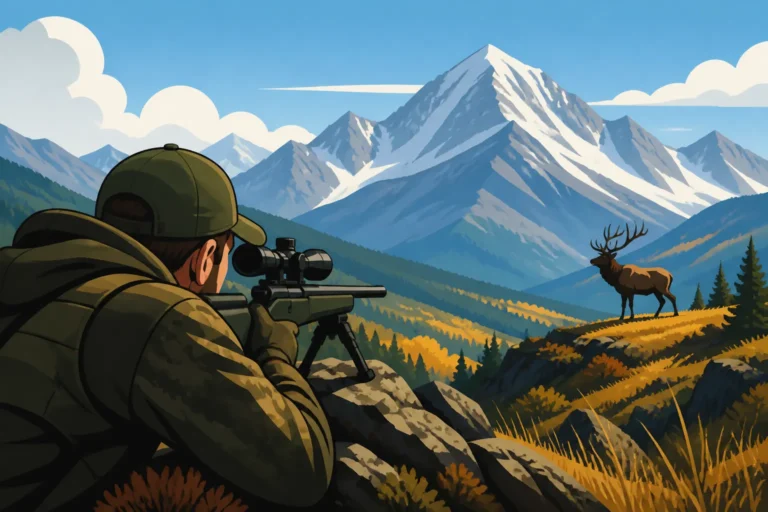
The crisp, often brutal reality of late-season elk hunting in Colorado can be a shock to those used to the vibrant, bugle-filled days of the rut. Trying to track down elusive elk when they’ve shifted their entire existence to survive winter, often moving significant distances, feels like chasing ghosts in a blizzard. This guide is here to break down the complexities of hunting Colorado’s late-season migration, helping you understand where the elk go and how to adapt your strategies for success in the colder months.
Understanding Colorado's Late-Season Migration Patterns
When the snow starts to pile up in the high country and the temperatures plummet, Colorado elk begin one of their most significant annual movements: the migration from summer to winter range. This isn't just a casual stroll; it's a critical survival instinct driven by a complex interplay of environmental factors. If you don't understand these drivers, you'll be hunting empty mountains.
The Influence of Snowfall and Temperature
The most obvious trigger for elk migration is snow, but it's not just the depth; it's the persistence and the associated cold. Early season snows might push elk down temporarily, only for them to return to higher elevations if a warm spell hits. However, once the snow sets in for good, especially after the first major, widespread dumps in October and November, it acts like a giant snowplow, pushing animals off the highest peaks and plateaus.
Imagine being an elk trying to forage through two or three feet of heavy, wet snow. It’s exhausting, burns precious calories needed for winter survival, and makes finding palatable forage incredibly difficult. Their natural instinct is to conserve energy and seek out areas where food is more accessible and snow depth is manageable. This often means moving to lower elevations, particularly south-facing slopes, which catch more sun and therefore melt off faster, revealing crucial browse. Areas with thick timber on north-facing slopes can also offer refuge from biting winds, though snow can still accumulate deeply there. The consistent, bitter cold further prompts them to seek thermal cover and areas requiring less energy expenditure. Hunters often get frustrated searching familiar summer grounds only to find them devoid of animals; the elk have simply gone where the snow dictates.
Identifying Winter Range and Transition Zones
Elk aren't just dropping down random mountainsides; they're heading towards established winter ranges. These are specific habitats, typically at lower elevations than their summer grounds, characterized by more accessible forage and better protection from harsh weather. Think of areas with a mix of sagebrush, bitterbrush, aspen, and pine forests, often in foothills, river bottoms, or vast mesa systems. These areas might be completely different from where you scouted during the summer or hunted during the early rifle seasons.
Transition zones are the pathways and stopovers elk use between their summer and winter homes. These can be critical bottlenecks for hunters. Ridgelines, saddles, benches, and specific drainages that offer a gradual descent and good cover become highways for migrating herds. Using tools like GoHunt's mapping features and historical data can be incredibly insightful for pinpointing these zones. Look for "winter range" overlays on maps provided by agencies like Colorado Parks and Wildlife (CPW), but understand that elk don't read maps. Their actual movements will be influenced by current conditions and hunting pressure. If you've been focused on high-country basins, you need to completely re-evaluate your target areas for late season. A good strategy here is to start from areas where you last saw elk at higher elevations and follow the most logical, terrain-dictated paths downwards, constantly looking for fresh sign. Remember, these movements can span many miles, and anticipating them is half the battle.
Key Strategies for Hunting Migrating Elk
Hunting elk during their late-season migration requires a complete shift in mindset and tactics compared to the rut. Gone are the days of bugling duels; now, it's about stealth, patience, and adapting to the conditions. You're hunting survival-driven animals, not breeding-driven ones.
Locating Animals in Wintering Areas
Finding elk during the late season boils down to finding their winter food sources and bedding cover that offers protection from the elements. This means focusing on lower elevations, south-facing slopes, and areas with good thermal cover like dense conifer stands. Begin by scouting areas known for winter range, often at elevations between 6,000 and 9,000 feet, though this can vary wildly by region.
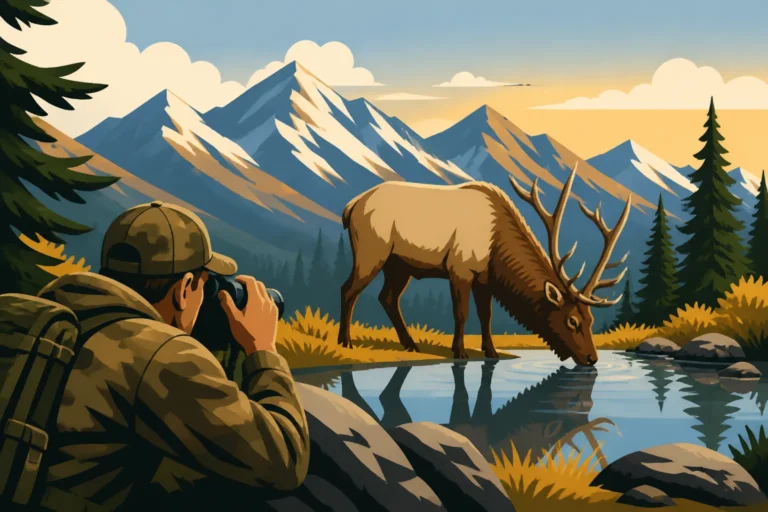
Once you've identified potential winter range, look for sign. Fresh tracks in the snow are your best friend. Pay attention to how many elk are in the group, their direction of travel, and how fresh the tracks appear. Look for disturbed snow from feeding, chewed browse, and fresh droppings. Elk will often follow specific migration corridors year after year, especially if they lead to sheltered areas with good forage. These routes might be just below steep cliffs or along specific drainages. Utilize good optics, like a high-quality spotting scope and binoculars, to pick apart distant hillsides. With the absence of leaves on deciduous trees, visibility can actually improve, allowing you to glass vast amounts of country from strategic vantage points. This is where a methodical approach, often involving sitting and glassing for extended periods, really pays off. Think of it less as an active chase and more as intercepting traffic.
| Feature/Season | Early to Mid-Season | Late-Season Migration |
|---|---|---|
| Primary Driver | Rutting activity, forage availability | Snowfall, cold, thermal cover, accessible forage |
| Typical Habitat | High-elevation basins, dark timber, aspens, meadows | Lower elevation foothills, south-facing slopes, dense conifers, river bottoms |
| Elk Behavior | Vocal, active, breeding-focused, can be aggressive | Quiet, elusive, survival-focused, conserving energy, often in larger herds |
| Hunting Tactic | Calling (bugling/cow calls), spot-and-stalk, still-hunting | Glassing, ambushing migration corridors, tracking in snow, still-hunting bedding areas |
| Key Gear | Lightweight layers, calls, hydration pack | Heavy insulation, snowshoes/spikes, large pack for meat, thermos |
| Challenge | Finding responsive bulls, navigating dense cover | Locating migration routes, dealing with extreme cold/snow, quiet elk |
Still-Hunting and Ambush Tactics
With elk focused on survival, they become incredibly wary and quiet. Aggressive calling tactics that work during the rut are usually ineffective and can even be detrimental now. Instead, focus on still-hunting and setting up ambushes.
Still-hunting involves moving very slowly and deliberately through timbered areas or along known travel corridors. Take one step, then stop and scan, listening intently. With snow on the ground, sound carries, and quiet movement is paramount. Pay close attention to the wind and thermals, which can be fickle as the day warms and cools. You’ll be looking for bedded elk or animals slowly moving between bedding and feeding areas. This method is particularly effective in areas of patchy timber or where you've identified fresh tracks leading into a drainage. It's mentally taxing, but the reward of sneaking up on a wary herd is immense. For more on this, check out our guide on How to Still-Hunt Colorado Timber.
Ambush tactics are potent during migration. Once you've identified a likely migration corridor or a choke point between bedding and feeding areas, set up well in advance of daylight. Look for natural funnels like saddles, narrow valleys, or breaks in dense timber. Position yourself downwind, with good cover, and a clear shooting lane. Elk will often move in low light, so being in position before dawn is critical. This approach capitalizes on the elk's predictable movements between security and sustenance. Using e-scouting tools like those from GoHunt to study terrain, historical snow depths, and potential escape routes can give you a significant advantage in planning these ambushes. Our article on How to Ambush Elk on Public Land offers even more tactical insights.
Using Snow to Your Advantage
Snow isn't just a barrier; it's a powerful tool for the late-season hunter. Fresh snow can provide a perfect canvas for tracking. You can determine not only the presence of elk but also their direction of travel, herd size, and the freshness of their activity. A light, fresh snowfall can even quiet your footsteps, allowing for stealthier movement.
However, deep, crusty snow presents its own challenges. Consider using snowshoes or skis to navigate efficiently and quietly, especially in backcountry areas. Tracking in deep snow requires patience and determination. Follow tracks carefully, paying attention to changes in gait or direction, which might indicate an animal has become aware of your presence. Remember that elk will try to find the path of least resistance, often following old game trails or contours that minimize energy expenditure. The ability to read these signs and persist through challenging conditions is what separates successful late-season hunters from those who pack it in early. Learn more about hunting in these conditions in our detailed guide on How to Hunt Elk in the Snow.
Essential Gear and Preparation for Late-Season Success
Late-season hunting in Colorado is an entirely different beast when it comes to gear and physical demands. The weather is unforgiving, and being unprepared can not only ruin your hunt but also put you in dangerous situations.
Layering for Extreme Cold and Changing Conditions
Forget lightweight early-season gear. Late season demands a serious layering system that can handle temperatures well below freezing, biting winds, and wet snow. Your base layers should be wool or synthetic, designed to wick moisture away from your skin. Mid-layers should provide insulation, such as fleece or puffy jackets. Your outer shell needs to be waterproof, windproof, and durable.
A critical mistake many hunters make is overheating during the hike in, leading to sweat, which then turns to dangerous cold when you stop. Manage your layers actively. Start cold, knowing your body will warm up. As you stop, quickly add layers. Always carry an extra insulating layer, like a heavy puffy jacket, in your pack. A good hat, gloves (with liners and heavier outer gloves), and a neck gaiter are non-negotiable. Cold extremities mean a miserable hunt. Check out our comprehensive guide on How to Layer for a Colorado Elk Hunt for detailed advice.
Navigation, Optics, and Traction Aids
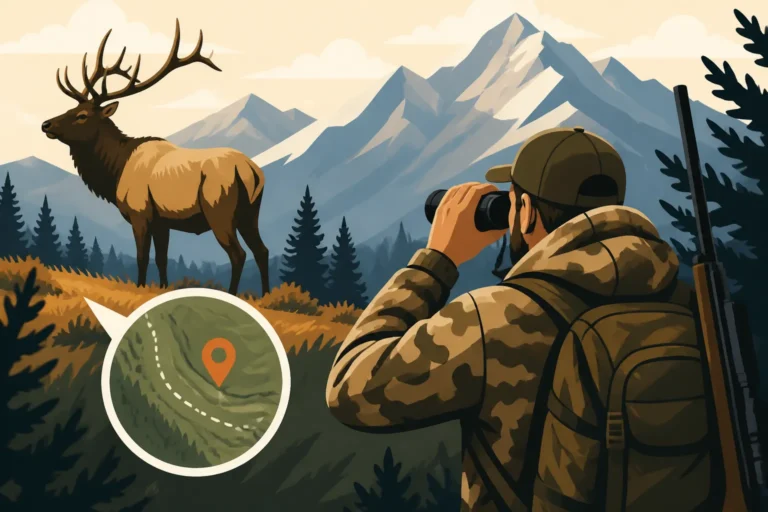
Reliable navigation is paramount. With heavy snow, familiar landmarks can disappear, and trails can become indistinguishable. A GPS device, whether a dedicated unit or a robust app like those offered by GoHunt on your phone, is essential. Always carry a physical map and compass as a backup, and know how to use them. Mark your truck, camp, and any crucial waypoints.
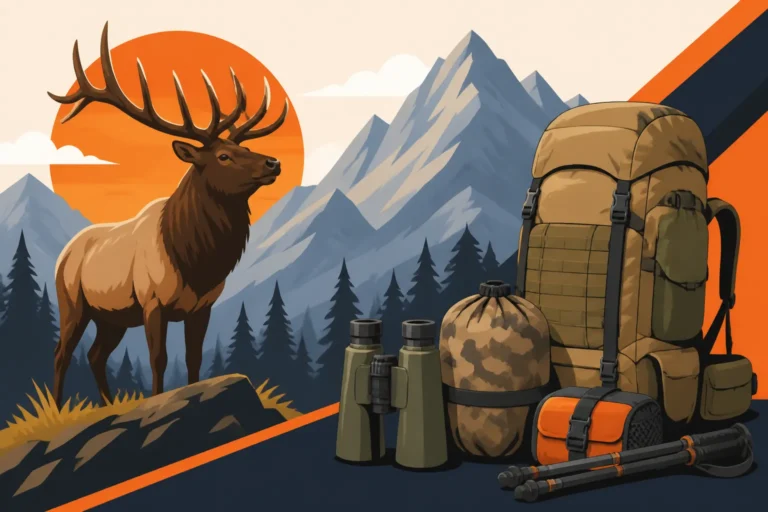
Optics are your most valuable tool for locating distant elk on open, snowy hillsides. A good pair of 10x or 12x binoculars and a high-quality spotting scope (20-60x or similar) will allow you to pick apart terrain for hours, spotting animals that would be invisible to the naked eye. Invest in lightweight, durable optics that perform well in low light.
Traction aids like microspikes or even full snowshoes are often necessary. Climbing steep, snow-covered slopes can be treacherous without them. For deeper snow or longer treks into roadless areas, snowshoes are indispensable for covering ground efficiently and safely. Having the right footwear is also crucial; our guide on the Best Boots for Colorado Elk Hunting can help you select appropriate insulated, waterproof boots for these conditions.
Food, Hydration, and Emergency Preparedness
Your body burns more calories just staying warm in cold weather. Pack high-energy, easy-to-eat snacks like nuts, jerky, and energy bars. A thermos filled with hot coffee, tea, or soup can be a morale booster and a lifesaver in extreme cold. Water is still vital, even if you don't feel as thirsty. Consider insulated water bottles or a hydration bladder with an insulated tube to prevent freezing.
Always carry an emergency kit. This should include a first-aid kit, fire-starting materials (waterproof matches, lighter, fire starter), a headlamp with extra batteries, an emergency shelter (space blanket or bivy), and enough extra food for an unexpected overnight stay. Tell someone your exact hunting plans and when you expect to return. Backcountry travel in late season is no joke, and conditions can change rapidly. For a comprehensive list, check out our Colorado Backcountry Hunting Gear List. Being physically prepared for the demands of hunting in the high country, especially in cold and snow, is also critical; consider reviewing our tips on How to Physically Prepare for Colorado Elk.
Disclaimer
Hunting is a challenging and potentially dangerous activity. This guide provides general information and recommendations. Always consult Colorado Parks and Wildlife regulations, obtain necessary licenses, and prioritize safety. Conditions in the mountains can change rapidly, and hunters should be prepared for all contingencies.