What Drives the Cost of a Colorado Elk Hunt
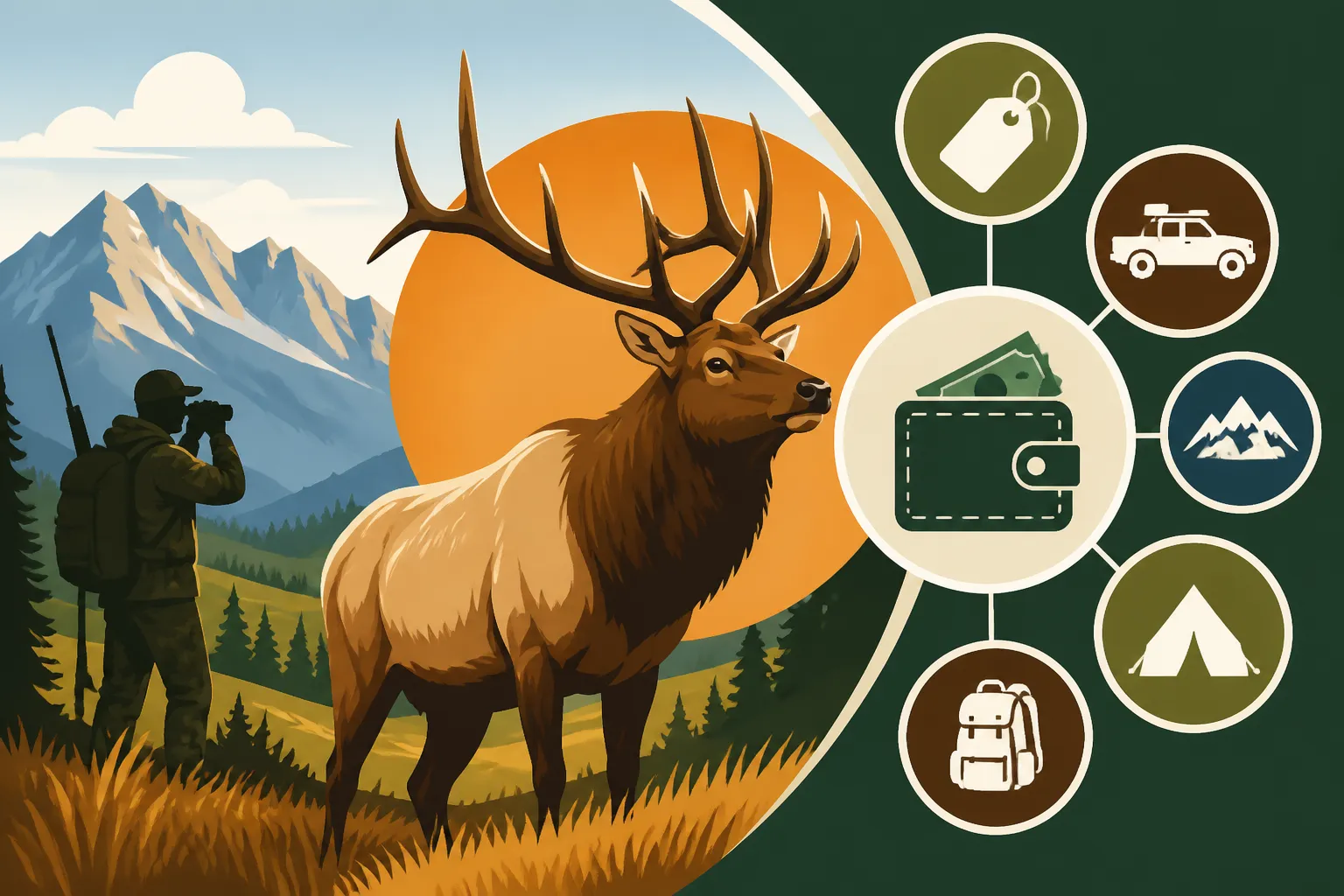
The dream of chasing elk through the majestic Colorado mountains is a powerful one, but for many, the practical reality of planning such an adventure hits hard when they start looking at the price tag. It's easy to feel overwhelmed and even a little discouraged when you first see the numbers associated with a Colorado elk hunt, especially if you're coming from out of state or are new to big game hunting. This guide is here to unravel the mystery of those costs, breaking down exactly what drives the price of a Colorado elk hunt, from the bare essentials to the luxury experiences, so you can plan your adventure with confidence and a clear budget in mind.
Understanding the Fundamental Costs of a Colorado Elk Hunt
Before you even start thinking about what kind of hunt you want, there are some unavoidable baseline costs that every hunter pursuing elk in Colorado will encounter. These are the foundation upon which your entire hunt budget is built, and they vary significantly based on your residency status.
License and Tag Fees: Resident vs. Non-Resident Realities
Let's be blunt: the biggest initial shock for many aspiring Colorado elk hunters, especially those from out of state, is the cost of the hunting license and the elk tag itself. Colorado Parks and Wildlife (CPW) sets these fees, and they are structured to be substantially higher for non-residents. This isn't unique to Colorado; it's a common practice across Western states to manage wildlife populations and ensure residents have a fair opportunity.
For a resident, an elk tag might feel like a manageable expense, often in the range of $50-100 for a bull or cow tag, plus the annual hunting license fee which is also quite reasonable. You're already living here, contributing to the state's economy and conservation efforts in other ways, so the state extends a more accessible rate. This allows many local hunters to head out year after year, sometimes even picking up multiple tags if opportunities arise.
However, if you're a non-resident, prepare for a significant leap. A non-resident elk tag for a bull or either-sex can easily run you over $700, and a non-resident annual hunting license is usually a prerequisite, adding another chunk of change. This is a substantial upfront investment, and it's important to factor this into your budget right from the start. Many hunters also opt for a small game license or a fishing license if they plan on enjoying other outdoor pursuits during their trip, which adds a bit more to the total. Keep in mind that these fees are subject to change annually, so always check the latest CPW regulations before applying.
The Mandatory Habitat Stamp
Beyond your primary hunting license and elk tag, Colorado requires all hunters and anglers to purchase a Habitat Stamp. This isn't just an extra fee; it's a direct investment in the state's wildlife conservation efforts. The funds generated from these stamps go towards protecting critical wildlife habitats, improving public access for hunting and fishing, and supporting various conservation programs across Colorado. It's a small but mighty contribution to the health of the ecosystems you'll be hunting in.
The cost of a Habitat Stamp is relatively modest, typically around $10 for residents and slightly higher for non-residents, with an option for a lifetime stamp. While it might seem like a minor addition, it's one of those mandatory items that often gets overlooked in initial budget calculations. Failing to account for it can lead to a last-minute scramble or a slightly higher unexpected total at checkout. Think of it as your personal contribution to ensuring that the wild places and the animals that call them home will be there for future generations of hunters.
The Spectrum of Hunt Styles and Their Price Tags
Once you've got the basic license and tag fees squared away, the next major factor influencing the cost of your Colorado elk hunt is the style of hunt you choose. This is where your personal comfort level, experience, physical fitness, and financial resources really come into play, offering a wide range of options from ultra-DIY to fully catered luxury.
DIY Public Land: The "Cheapest" Option (with hidden costs)
For many, the allure of a Do-It-Yourself (DIY) public land elk hunt is irresistible. It conjures images of rugged independence, pristine wilderness, and the satisfaction of earning every inch of your success. On the surface, this often appears to be the most budget-friendly option, as you're not paying for guides or private land access. And yes, in terms of direct fees for services, it absolutely can be. You secure your Colorado OTC Elk Tags Explained if you're going that route, or you try your luck in the draw for a limited license, and then you hit the mountains.
However, "cheapest" here comes with a significant asterisk. The costs associated with a DIY hunt often manifest in other areas, like gear and time. If you're starting from scratch, outfitting yourself for a backcountry elk hunt can quickly add up. You'll need reliable boots, a quality backpack, optics, a tent, sleeping system, cooking gear, and appropriate clothing layers for unpredictable mountain weather. For a Colorado Backcountry Hunting Gear List, the initial investment can easily run into thousands of dollars. Then there's the travel – gas for your truck (often a 4×4 is essential), food for your camp, and maybe even a hotel for a night before or after your hunt. Moreover, the time commitment for scouting, both physically on the ground and through e-scouting with tools like GoHunt, is immense. While not a direct monetary cost, your time has value, and a successful DIY hunt demands a lot of it. Don't underestimate the physical preparation, too; being ready for the strenuous demands of hunting at high elevations requires dedicated effort, which is an investment in itself.
Semi-Guided and Drop Camps: A Middle Ground
If the full DIY experience feels a bit too daunting, or you're looking for a balance between independence and support, semi-guided hunts and drop camps present an excellent middle ground. These options significantly reduce some of the logistical burdens while still allowing you to hunt largely on your own terms.
A drop camp typically involves an outfitter packing you and your gear into a remote location, setting up a basic camp (often a wall tent with a stove), and then leaving you to hunt independently for a set number of days. They return at a pre-arranged time to pack you and your game out. This eliminates the need for you to own pack animals or navigate complex wilderness areas with heavy loads, which can be a huge relief, especially in areas like the Flat Tops Wilderness or the San Juan Mountains. The cost for a drop camp can range from a few thousand dollars per person for a week-long hunt, depending on the remoteness, amenities, and number of hunters in your party. While you still need your own hunting gear and food, the heavy lifting of logistics is handled. For those exploring options, searching platforms like BookYourHunt can help you compare various drop camp services and pricing.
Semi-guided hunts fall somewhere between a drop camp and a fully guided experience. An outfitter might provide transportation to hunting areas, advice on where to hunt, and perhaps even assistance with game retrieval, but they won't be with you every step of the way, making calls or spotting elk for you. This allows for more flexibility and a lower price point than a fully guided hunt, while still offering crucial support. These options are often chosen by hunters who have some experience but want to increase their odds or reduce stress in unfamiliar territory. You can often find detailed explanations of what each type of hunt entails by looking into Colorado Drop Camp Hunts Explained resources.
Fully Guided Hunts: Convenience at a Premium
For the ultimate in convenience, local expertise, and a significantly higher chance of success, a fully guided elk hunt is the premium choice. This is where you hand over most of the logistical planning and execution to seasoned professionals. When you book a fully guided hunt, you're not just paying for access to an area; you're investing in the knowledge, experience, and hard work of the outfitter and their guides.
A typical fully guided hunt will include lodging (which could be a comfortable lodge, a rustic cabin, or even a backcountry spike camp), all your meals, professional guides who will lead you to and from hunting areas, assist with spotting, calling, tracking, field dressing, and often packing out your game. Transportation within the hunting area, whether by truck, ATV, horseback, or foot, is also usually included. The sheer amount of labor, specialized equipment (like horses or ATVs), food, fuel, and lodging required to run a professional outfitting business drives these costs up significantly. For this reason, Colorado Guided Elk Hunt Cost can range from $5,000 to well over $10,000 per hunter for a 5-7 day hunt, depending on the outfitter's reputation, the quality of the hunting area (trophy potential), and the level of luxury provided. This option is particularly attractive for non-residents who might not have the time to e-scout extensively, want to maximize their chances, or simply desire a less strenuous and more comfortable experience. Websites like BookYourHunt offer a comprehensive listing of reputable outfitters and their packages, allowing you to explore various options and read reviews.
Private Land Access: Leasing and Landowner Vouchers
Hunting on private land in Colorado often presents a different set of challenges and opportunities, and with it, a unique cost structure. While much of Colorado boasts vast stretches of public land (like national forests and BLM land), private ranches can offer exceptional hunting experiences, often with less pressure and higher game densities. Accessing these lands, however, comes at a price.
One common route is through leasing private land. This can involve anything from a multi-year lease agreement for an entire ranch to a daily or weekly fee to hunt a specific parcel. Lease costs vary wildly based on acreage, location, game quality, and amenities, but they can easily run into the tens of thousands of dollars per season, often split among a small group of hunters. This is typically an option for dedicated groups or individuals with substantial budgets looking for consistent, high-quality hunting opportunities without the crowds of public land.
Another significant driver of private land hunt costs, particularly for non-residents, is the use of landowner vouchers. In certain game management units (GMUs), private landowners are allocated a certain number of elk tags as an incentive to manage their land for wildlife. These vouchers essentially guarantee you a draw tag without needing to accumulate preference points, which can be invaluable for highly sought-after units. However, these vouchers are often sold by the landowner or an outfitter for a substantial premium, sometimes adding several thousand dollars to the already high non-resident tag fee. While it bypasses the competitive Colorado draw system, it's an expense that needs to be factored in, as it can elevate the overall hunt cost considerably. Understanding Colorado Landowner Vouchers Explained can help clarify this pathway to obtaining a tag.
Additional Expenses That Always Add Up
While the core costs of tags, licenses, and the chosen hunt style form the bulk of your budget, there are numerous ancillary expenses that can quietly add hundreds or even thousands of dollars to your total. Neglecting to account for these "hidden" costs is a common pitfall for hunters planning their trip.
Travel and Logistics: Getting to the Mountains
Simply getting to your hunting destination in Colorado can be a significant expense, especially if you're traveling from afar. The sheer size of the state and the rugged terrain mean that travel within Colorado is also a factor.
- Transportation to Colorado: Are you driving or flying? Driving your own vehicle, particularly a truck or SUV capable of handling rough mountain roads, saves on rental costs but eats up gas money, especially with current fuel prices. If you're flying into Denver International Airport (DIA) or a regional airport like Grand Junction (GJT) or Montrose (MTJ), you'll have airfare, plus the cost of checking your rifle or archery gear. Then, you'll likely need to rent a vehicle, and remember, a standard sedan won't cut it for most elk country. A 4×4 truck or SUV rental is often essential, and these come at a premium, especially during peak hunting seasons.
- Lodging before/after the hunt: You might arrive a day early to acclimate to the elevation or stay an extra night after a successful hunt to organize your meat and gear. These hotel or Airbnb nights, while necessary, add up. Sometimes, a full day of travel on either end means a minimum of two extra nights of lodging beyond your actual hunting days.
- Vehicle Maintenance: For DIY hunters especially, ensuring your vehicle is in top shape for mountain travel is critical. This could mean new tires, a tune-up, or unexpected repairs if you hit a rough patch. Breaking down deep in the backcountry is an adventure you don't want.
Gear and Equipment: Investing in Success
While we touched on this with DIY hunts, the reality is that all hunters, regardless of hunt style, need proper gear. The mountains of Colorado are unforgiving, and investing in reliable, high-quality equipment isn't just about comfort—it's about safety and success.
- Hunting Apparel: Layers are key in Colorado. You'll need good base layers, insulating mid-layers, and waterproof/windproof outer shells. Camouflage patterns appropriate for the high country are a plus. Brands like Sitka, Kuiu, and First Lite are popular but come with a higher price tag. Expect to spend several hundred to over a thousand dollars on a complete clothing system if you're starting fresh.
- Boots and Backpack: These are arguably your most important pieces of gear. High-quality, broken-in mountain hunting boots are non-negotiable for navigating steep, rocky terrain. A well-fitting, comfortable pack capable of carrying gear for days and potentially packing out meat is also essential. Check out resources on Best Boots for Colorado Elk Hunting and Best Backpack for a Colorado Elk Hunt for guidance.
- Optics: Binoculars, a spotting scope, and a rangefinder are crucial for finding and evaluating elk in vast Western landscapes. Good optics represent a significant investment, but they are tools that directly contribute to your success and enjoyment. Consider what Best Optics for Colorado Big Game are recommended.
- Weapon and Ammunition: Whether it's a new rifle and scope, a bow setup, or a muzzleloader, ensuring your weapon is accurate and reliable adds to the cost. Don't forget practice ammunition, broadheads, or specialized muzzleloader supplies. For rifle hunters, understanding Colorado Long-Range Shooting Considerations might mean investing in advanced optics.
Meat Processing, Shipping, and Taxidermy
A successful hunt means meat for the freezer and, for some, a trophy for the wall. These outcomes, while rewarding, come with their own set of costs that are often forgotten in the pre-hunt excitement.
- Meat Processing: If you're successful, you'll have hundreds of pounds of elk meat. Are you prepared to field dress, quarter, and pack it out yourself, then process it at home? Or will you take it to a commercial processor? Commercial processing can range from $200-$500 or more, depending on the services (e.g., steaks, roasts, burger, sausage, jerky). For those wondering How to Quarter an Elk in the Field, that can save on some processing time, but the cutting and wrapping still take effort.
- Shipping Meat: For non-residents, shipping frozen meat back home is a logistical puzzle and a costly endeavor. This typically involves specialized coolers, dry ice, and expedited shipping services, which can add several hundred dollars to your total.
- Taxidermy: If you harvest a trophy bull, you might want to preserve it. A shoulder mount for an elk can easily cost $1,000-$2,000 or more, and that's before shipping costs if you don't live near your chosen taxidermist. These are investments that last a lifetime but require significant upfront payment.
How to Budget for Your Colorado Elk Adventure
Now that we’ve broken down the various components that drive the cost of a Colorado elk hunt, let’s talk about how to realistically approach budgeting for this incredible experience. It’s not about finding the absolute cheapest way, but finding the right way for your goals and financial situation.
Realistic Financial Planning and Saving
The first step in budgeting for a Colorado elk hunt is to be brutally honest with yourself about what you can afford and what you’re willing to spend. This isn't a cheap hobby, and a premier elk hunt is a significant investment. Start by listing out all the potential costs we've discussed, from license fees to gear to travel to processing. Research current prices for tags, fuel, hotels, and outfitters. Don't pull numbers out of thin air; use concrete figures from CPW, airline websites, and outfitter quotes.
Once you have a realistic estimate, create a savings plan. If you're looking at a multi-thousand-dollar hunt, you might need to start saving months or even years in advance. Consider setting up a dedicated savings account and making regular contributions. Look for areas in your daily life where you can cut back, even small amounts, to fund your elk dream. Maybe it's fewer takeout meals, canceling unused subscriptions, or taking on extra work. Every dollar saved gets you closer to those high country aspirations. If you're a first-time Western hunter, start with a more accessible hunt like an OTC archery tag and a DIY approach, which can significantly reduce the initial financial outlay compared to a fully guided rifle hunt for a trophy bull. This allows you to gain valuable experience without breaking the bank.
Here’s a simplified breakdown of potential cost ranges based on hunt style:
| Hunt Style | Elk Tag (Non-Res) | Hunting License (Non-Res) | Habitat Stamp | Travel/Lodging | Gear (Initial) | Food/Supplies | Processing/Shipping | Outfitter/Access Fees | Total Estimated Range |
|---|---|---|---|---|---|---|---|---|---|
| DIY Public Land | $700 – $800 | $50 – $100 | $10 – $25 | $500 – $1500 | $1000 – $4000 | $200 – $500 | $200 – $700 | $0 | $2,660 – $7,625+ |
| Drop Camp/Semi-Guided | $700 – $800 | $50 – $100 | $10 – $25 | $500 – $1500 | $1000 – $3000 | $100 – $300 | $200 – $700 | $2000 – $6000 | $4,560 – $12,425+ |
| Fully Guided (Public) | $700 – $800 | $50 – $100 | $10 – $25 | $300 – $1000 | $500 – $2000 | $0 (incl.) | $200 – $700 | $5000 – $10000 | $6,760 – $14,625+ |
| Fully Guided (Private) | $700 – $800 | $50 – $100 | $10 – $25 | $300 – $1000 | $500 – $2000 | $0 (incl.) | $200 – $700 | $8000 – $15000 (inc. voucher) | $9,760 – $19,625+ |
Note: These are estimated ranges and can fluctuate significantly based on individual choices, brand preferences, specific outfitter pricing, and market changes. Initial gear costs are higher for new hunters.
Leveraging Resources and Research Tools
In today's digital age, there are incredible resources available to help you plan and budget for your hunt, ultimately helping you understand How to Plan a Colorado Backpack Hunt or any other type. Don't be afraid to use them! Websites like GoHunt are invaluable for researching draw odds, unit information, and understanding the complex preference point system in Colorado. Their Insiders program often provides detailed data and insights that can help you make informed decisions about where and when to apply, potentially saving you wasted application fees or maximizing your chances of drawing a desirable tag. Knowing the draw odds for specific units, as outlined in articles like Colorado Elk Draw Odds by Unit, can directly influence your tag acquisition costs, especially if you're trying to avoid expensive leftover tags or landowner vouchers.
For guided hunts, platforms such as BookYourHunt allow you to browse and compare dozens of outfitters, read reviews, and get price quotes. This transparency helps you vet potential guides and understand what's included in different packages, ensuring you're getting good value for your money. Don't just pick the first outfitter you find; do your homework. Ask outfitters detailed questions about what's included, success rates, guide-to-hunter ratios, and their cancellation policies. Comparing several options will allow you to find the best fit for your budget and hunting style, ensuring you know How to Choose a Colorado Hunting Outfitter.
Finally, don't underestimate the power of networking. Join online hunting forums, engage with local hunting clubs, and talk to other hunters who have experience in Colorado. Their insights can save you from costly mistakes, offer tips on gear, and even suggest more budget-friendly approaches to travel or lodging. A well-researched and thoughtfully planned hunt is not only more likely to be successful but also more enjoyable and less financially stressful.
Disclaimer
Please be aware that hunting regulations, license fees, and season dates in Colorado are subject to change annually by Colorado Parks and Wildlife (CPW). While we strive to provide accurate and up-to-date information, it is the hunter's responsibility to verify all regulations, seasons, and licensing requirements directly with CPW before planning and embarking on any hunt. This guide is for informational purposes only and does not constitute legal advice or an exhaustive list of all requirements.