Tipping a Colorado Hunting Guide
You've just wrapped up an incredible hunt in the Colorado high country, maybe even tagged that bull you've dreamed of for years. The adrenaline is fading, gratitude is swelling, and then… the awkward question hits: "How much do I tip my guide?" It's a question many hunters grapple with, often feeling uncertain about the unspoken rules. This comprehensive guide will demystify the art of tipping a Colorado hunting guide, ensuring you show proper appreciation for their hard work and dedication.
Why Tipping is Important in the Guiding Industry
Let's be honest, talking about money, especially tips, can feel a bit uncomfortable. But in the world of guided hunts, understanding the role of gratuity isn't just about good manners; it's about recognizing the economic realities and deep commitment of the professionals who make our outdoor dreams possible. Guides are more than just escorts; they're skilled experts, problem-solvers, and often, the reason your hunt moves beyond a scouting trip into a successful experience.
Understanding a Guide's Income Structure
Many folks assume guides are making bank on the base price of a hunt. The reality, however, is often quite different. A significant portion of a guide's income comes directly from tips. Outfitters have substantial overheads—leases, equipment maintenance, insurance, food, transportation, and staffing. After these costs are covered, the guide's daily wage might be modest. Tips are designed to compensate them for their long hours, specialized knowledge, physical exertion, and the intensely personal nature of their service. Think of it like a waiter at a restaurant; while they get an hourly wage, tips truly make up the bulk of their earnings, especially for stellar service.
Imagine your guide, "Jake," who’s been up before dawn every day, scouting, preparing meals, packing gear, and tracking animals for your elk hunt near Steamboat Springs. He’s putting in 12-16 hour days, often away from his own family, living in basic camp conditions. That base fee you paid covers the cost of the camp, the food, the outfitter’s general expenses, and a salary for Jake, but it’s the tip that truly rewards his individual effort and makes the demanding lifestyle sustainable for him and his family.
Recognizing the Hard Work and Dedication
Guiding isn't a 9-to-5 job. It's a lifestyle that demands an incredible amount of passion, resilience, and expertise. Colorado hunting guides are responsible for everything from pre-season scouting, ensuring you're hunting in productive areas, to physically packing out an animal when you're successful. They teach you how to call elk in Colorado, track game, navigate treacherous terrain, and adapt to rapidly changing mountain weather.
Consider the physical toll: hiking miles in rugged terrain, often at high altitude, carrying heavy packs, all while staying alert and positive. Then there's the mental aspect: managing client expectations, maintaining safety protocols, staying calm under pressure, and constantly strategizing. A guide’s dedication also extends to their knowledge of the land, animal behavior, and hunting regulations. They've likely spent years honing their craft, investing in gear, and studying the specific units, whether it's the Flat Tops Wilderness or the San Juan Mountains. Your tip acknowledges this immense effort and the unique skillset they bring to the table.
The Impact on Future Service and the Industry
A fair and generous tip does more than just fill a guide's wallet; it fosters a culture of excellence and professionalism within the guiding industry. When guides feel appreciated, they're motivated to continue providing top-tier service. They're more likely to stay in the profession, pass on their knowledge to new guides, and maintain the high standards that draw hunters to Colorado year after year.
Think about it from another angle: outfitters rely on good guides to run successful operations. Guides who consistently receive generous tips are happier, more engaged, and more likely to stick with a particular outfitter, contributing to a stable, experienced team. This benefits future clients like yourself, as it helps ensure that when you come back for another Colorado Elk Hunting Guide experience, you’ll be met with knowledgeable, enthusiastic professionals. In a challenging industry with high turnover, a good tip is a powerful incentive for dedicated individuals to remain in the field and continue sharing their passion.
Standard Tipping Percentages and Practices for Colorado Hunts
So, what's the magic number? While there's no official rulebook, established norms exist that can help you navigate the tipping landscape for your Colorado hunting adventure. These guidelines are based on industry standards and reflect what guides typically expect and what is considered fair for their services.
General Guidelines for Colorado Elk and Deer Hunts
For most guided elk and deer hunts in Colorado, a widely accepted tipping range is 10-20% of the total hunt cost. This percentage reflects a sliding scale based on the quality of the experience, the guide's effort, and your overall satisfaction.
Let's say you booked a 5-day rifle elk hunt for $5,000.
- Good service, met expectations: You'd likely be looking at a tip in the 10-15% range, so $500-$750.
- Excellent service, guide went above and beyond, truly memorable experience: A tip in the 15-20% range ($750-$1,000) would be appropriate and well-deserved.
- Exceptional service, once-in-a-lifetime experience, guide was truly phenomenal, perhaps you harvested a trophy animal: Consider the higher end of the spectrum, or even slightly above, if you feel compelled.
It's crucial to remember that this percentage is typically based on the total cost of the hunt, not just the guide's portion of the fees, as the guide's effort contributes to the entire experience, from logistics to fieldcraft. When researching different options, platforms like BookYourHunt often detail what's included in various hunt packages, which can help you mentally budget for the tip as part of the overall expense.
Adjustments for Different Species and Hunt Styles
While 10-20% is a solid baseline, you might adjust it slightly depending on the species you're pursuing or the unique challenges of the hunt.
- Trophy Hunts (e.g., specific high-point mule deer or big bull elk in limited draw units): These hunts often demand even more extensive scouting, specialized knowledge, and higher stakes. If your guide delivered on a trophy-class animal, leaning towards the higher end of the percentage, or even slightly exceeding 20%, is not uncommon.
- Pronghorn or Bear Hunts: While still demanding, these might sometimes involve less strenuous physical activity than a high-country elk hunt. However, success can depend heavily on the guide's ability to locate specific animals quickly. For a successful and well-guided Colorado bear hunt or a plains pronghorn hunt, the 10-15% range is generally suitable, with the higher end reserved for truly exceptional effort or a specific trophy target met.
- Drop Camps and Semi-Guided Hunts: If you've booked a Colorado drop camp or a semi-guided experience where the guide only packs you in/out and offers advice, but doesn't actively hunt with you daily, the tip might be adjusted downwards. You're still tipping for their logistical support and knowledge, but not for the intensive daily guiding. In these cases, 5-10% might be appropriate for the services rendered. Make sure you understand what's included in a Colorado drop camp before you go.
Here’s a quick overview:
| Hunt Type / Duration | General Tip Range (% of Hunt Cost) | Notes |
|---|---|---|
| Fully Guided Multi-Day Elk/Deer | 15% – 20% | Standard for full-service, active guiding. Higher end for exceptional effort, challenging conditions, or trophy harvest. |
| Fully Guided Day Hunts | 10% – 15% | For single-day outings (e.g., bird hunting, local deer). Still reflects direct guide effort, but generally less logistical overhead. |
| Trophy Hunts (Specialty) | 15% – 25% | For specific high-value animals or challenging draw tags. Guides often invest more personal time. May exceed 20% for outstanding success. |
| Bear/Pronghorn Hunts | 10% – 15% | Depends on the specific hunt. Might be less physically demanding than elk but still requires keen tracking and locating skills. Higher end for exceptional guiding. |
| Drop Camps / Semi-Guided | 5% – 10% | For logistical support, pack-in/out services, pre-scouting, and general advice. Not for daily, active guiding. Tip based on the value of the support provided. |
| Unsuccessful Hunt | 10% – 15% | Always tip based on effort and experience, not just success. If the guide worked tirelessly, deserved a good tip regardless of outcome. This is a common point of confusion for many. |
Considering Hunt Type: Day Hunts vs. Multi-Day Backcountry
The length and intensity of your hunt also naturally play a role in tipping expectations. A multi-day backcountry hunt in a remote wilderness area like the West Elk Wilderness demands a different level of commitment and physical endurance from a guide than a single-day hunt on a private ranch.
- Multi-Day Backcountry Hunts: These are the most demanding. Your guide is essentially living with you, managing all aspects of the camp, food, and hunting strategy for days on end. They're your lifeline and your expert. The upper end of the 15-20% range, or even slightly more for exceptional service, is generally expected for these arduous adventures. For instance, if you're undertaking a Colorado Backcountry Hunting Guide experience, the sheer physical and mental demand on your guide warrants a thoughtful tip.
- Day Hunts: For single-day outings, perhaps for birds or a quick deer hunt, the total hunt cost is lower, and the guide's time commitment is less intense. While the 10-15% range still applies, the absolute dollar amount will naturally be smaller. It’s still important to acknowledge their specific efforts for that day.
- DIY Assist Hunts: Sometimes, hunters arrange for specific services, like a guide packing horses into a remote area and leaving you for a DIY hunt, then returning to pack out your animal. In these situations, you're tipping for a service, not a full guiding experience. A pre-negotiated flat fee or a smaller percentage based on the specific service provided (e.g., 5-10% of the packing fee) is customary.
The key takeaway here is flexibility and consideration. The percentages are guidelines, but your personal experience and assessment of the guide's performance should ultimately dictate your final decision.
Factors That Influence Your Tip Amount
Okay, so we have a general range. But how do you decide if you're leaning toward 10%, 15%, or a generous 20% or more? Several factors come into play, and they often boil down to the quality of the experience, not just whether you tagged out. This is a common point of confusion, and it’s important to separate your personal success from the guide’s performance.
Effort and Attitude of the Guide
This is arguably the most crucial factor. Did your guide, let's call him "Mike" from a Durango outfitter, put in maximum effort every single day? Was he genuinely enthusiastic, knowledgeable, and proactive? Did he adapt when conditions changed, or when the elk just weren't cooperating?
- Exceptional Effort: Mike might have scouted tirelessly for months, put you on elk daily even when they were silent, hiked miles to cut fresh tracks, stayed positive despite bad weather, and consistently went the extra mile to make your hunt enjoyable and safe. This level of dedication clearly warrants a higher tip.
- Competent and Professional: He did his job well, was punctual, safe, and knew the area. You saw game, had opportunities, and felt well-supported. This falls squarely within the middle of the suggested range.
- Lacking Effort or Poor Attitude: Unfortunately, sometimes guides just don't click or don't seem to care. If a guide appeared disengaged, didn't seem to know the area, or exhibited a negative attitude, it's reasonable to consider a lower tip. However, even in these cases, a minimum tip (perhaps 5-10%) is usually still extended as a professional courtesy, unless the service was truly egregious or unsafe.
Remember, a guide's personality and how well you connect can vary. While friendliness is a bonus, professional effort and a positive, persistent attitude are paramount. You can learn a lot about what to expect on a guided Colorado elk hunt by asking the right questions before you book.
Successful Harvest vs. Quality Experience
This is where many hunters get stuck. There's a common misconception that a tip is solely dependent on whether you kill an animal. This is absolutely not the case. Hunting is inherently unpredictable, especially for wild animals like Colorado elk. A guide cannot guarantee a harvest.
- Focus on the Experience: The tip should primarily reflect the quality of the experience the guide provided. Did they give you opportunities? Did they work hard to put you in position? Did you learn something new? Did you feel safe and comfortable? If the answer to these is a resounding "yes," then a good tip is warranted, regardless of whether you pulled the trigger or released an arrow.
- Scenario: You spent five days hunting a tough unit with your guide, Sarah. She showed you incredible country, taught you how to identify rubs and wallows, and called in a bull that just wouldn't present a shot. You didn't get an elk, but you had an amazing, educational, and physically challenging experience. Sarah's effort was 110%. She absolutely deserves a great tip, probably in the 15-20% range.
- Successful Harvest is a Bonus: Of course, if you do harvest an animal, especially a trophy, it makes the entire experience even more rewarding. This often naturally elevates your gratitude and, consequently, your tip. It acknowledges the guide's role in making that success happen.
It's about the journey, not just the destination. A good guide's job is to maximize your chances and provide an outstanding adventure, not to deliver a guaranteed kill.
Unexpected Challenges and Adaptability
The Colorado mountains are a wild place, and things rarely go exactly according to plan. How your guide handles unforeseen circumstances is a strong indicator of their professionalism and worthiness of a generous tip.
- Weather Extremes: A sudden blizzard, unexpected heatwave, or persistent rain can derail a hunt. Did your guide have backup plans? Did they ensure your safety and comfort while still trying to hunt? Did they help manage your gear in these conditions?
- Equipment Failure: A broken-down vehicle, a malfunctioning piece of camp gear, or a lost item can create major headaches. How quickly and effectively did your guide troubleshoot and resolve these issues?
- Uncooperative Animals: Sometimes, the animals just aren't there, or they're not acting like they should. Did your guide remain patient and adaptable, changing strategies, trying new areas, or digging deeper into their knowledge base to find a solution? Did they work tirelessly to find alternative spots, even when facing challenging conditions or unexpected changes in animal patterns?
A guide who can pivot, problem-solve, and maintain a positive attitude in the face of adversity is invaluable. This adaptability often means the difference between a frustrating, uncomfortable trip and a memorable, albeit challenging, adventure. Many hunters use resources like GoHunt to e-scout and plan before their hunt, giving them a taste of the complexity a guide handles daily. When a guide navigates these complexities seamlessly, it truly adds to the value of their service.
When and How to Deliver Your Tip
The timing and method of tipping can be just as important as the amount. You want to ensure your gesture of appreciation is received graciously and professionally.
Timing Your Tip Appropriately
The best time to present your tip is typically at the very end of the hunt, before you depart from the camp or the outfitter's base. This allows you to fully assess the entire experience and ensures the guide receives it directly.
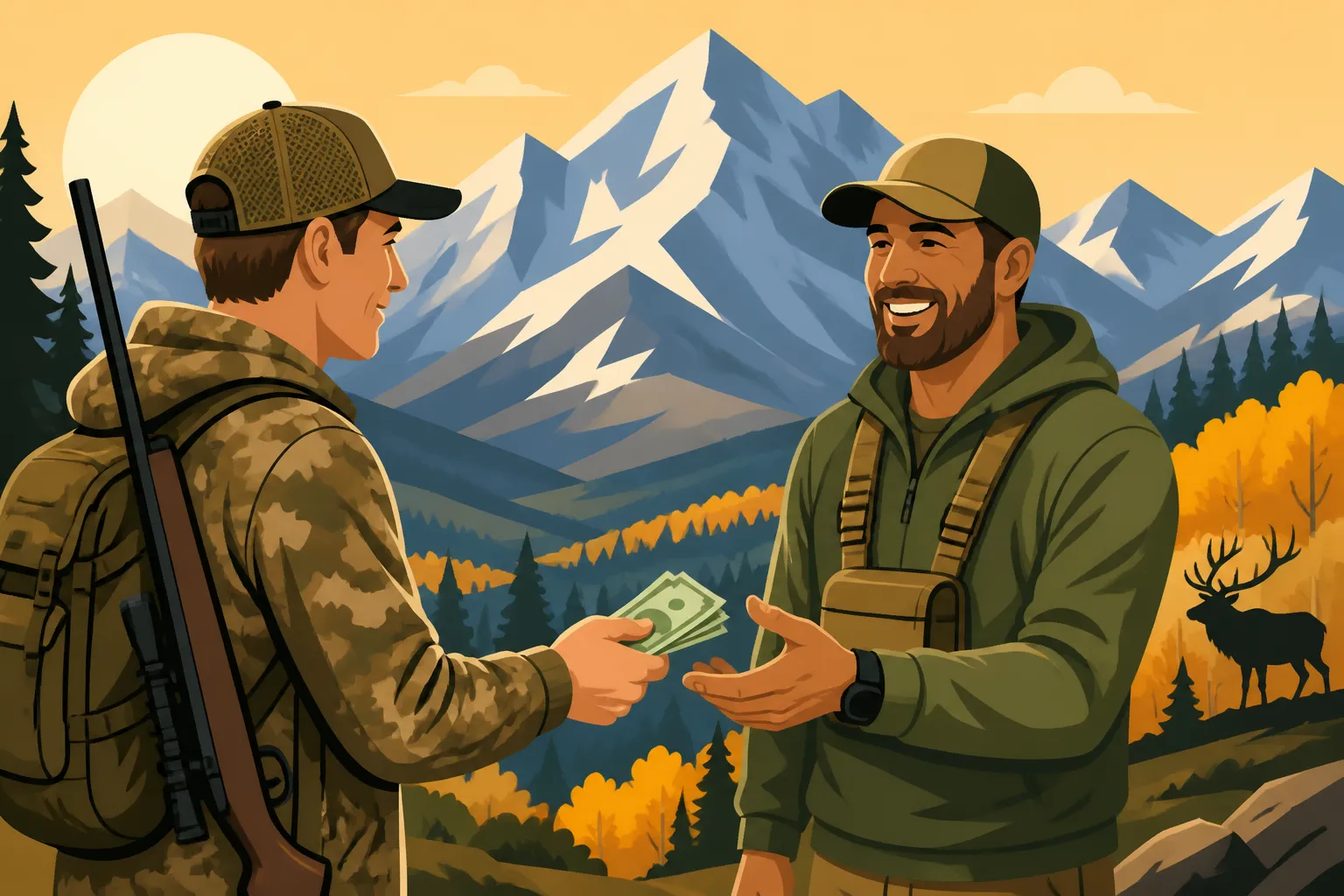
- Before Departure: As you're packing up, shaking hands, and saying your goodbyes, discreetly hand your guide their tip. This allows for a private moment of appreciation. If there are multiple guides, you might give the lead guide their tip and separately tip any assistant guides or camp staff you wish to acknowledge.
- Avoid Tipping Mid-Hunt: Don't tip your guide in the middle of the hunt, regardless of how well things are going. It can feel awkward and might create an expectation that could affect the remainder of the trip.
- Post-Hunt Follow-up: If for some reason you couldn't tip in person (e.g., you had to leave early, or the guide wasn't present at your departure), you can always mail a check or contact the outfitter to arrange a transfer. While less personal, it ensures the guide still receives their due.
Cash vs. Other Payment Methods
Cash is king when it comes to tipping guides. It's direct, immediate, and ensures the guide receives the full amount without any deductions or delays.
- Cash is Preferred: Always try to have cash on hand for your tip. It’s discreet and universally appreciated. Plan this in advance, as ATMs might be scarce in many Colorado hunting units.
- Checks: If you don't have enough cash, a personal check made out directly to the guide is a perfectly acceptable alternative. Make sure you know their full name in advance if you plan to do this.
- Digital Payments/Venmo: Some younger guides might be open to digital payment apps like Venmo or PayPal. However, don't assume this is an option. Always ask beforehand if you're considering this, as they might prefer cash or check for tax reasons or simply for ease of access in remote areas.
- Credit Card via Outfitter: Most outfitters prefer not to process tips via credit card, as it incurs processing fees that would then be deducted from the guide's tip. If it’s your only option, be prepared to accept that the guide might receive slightly less than your intended amount, or clarify with the outfitter if they absorb the fee. It's almost always best to handle the tip directly with the guide.
Group Hunts and Individual Contributions
When hunting with a group, the tipping dynamic can get a bit tricky. The goal is to ensure each guide is properly compensated for their individual effort.
- Individual Tips to Specific Guides: If you had a dedicated guide just for you or your small sub-group, it's best to tip that guide directly and individually.
- Pooled Group Tip: If you were part of a larger group that shared guides or rotated guides, the group can pool the tip money together. The designated leader or one responsible individual should then present the combined tip to the head guide, with clear instructions on how it should be distributed among the other guides and camp staff.
- Scenario: Your group of four hunted with a lead guide, "Dave," and an assistant guide, "Mark." Collectively, you decide on a $2,000 tip. One person collects $500 from each hunter. This person then hands the $2,000 to Dave, stating, "This is for you and Mark, thank you for an amazing hunt." It's generally understood that the lead guide will distribute it fairly, but clear communication helps.
- Camp Staff: Don't forget about the unsung heroes! If you had a dedicated cook, packer, or other camp staff who enhanced your experience (e.g., always having hot coffee ready, keeping the camp spotless), a smaller separate tip for them is a thoughtful gesture. This can be given directly to them or included in the pooled tip for the head guide to distribute.
The key here is transparency within your group and clear communication with the outfitter or head guide regarding your intentions for tip distribution.
Beyond the Cash: Other Ways to Show Appreciation
While a monetary tip is the primary and most expected form of gratitude, there are many other ways to show your appreciation for a Colorado hunting guide that can have a lasting impact on their career and reputation.
Publicly Acknowledging Excellence
In today's interconnected world, a positive review or public shout-out can be incredibly valuable for a guide and their outfitter.
- Online Reviews: Take the time to write a detailed, positive review on platforms like Google, Facebook, or hunting forums. Mention your guide by name and highlight specific instances where they excelled. Prospective hunters often rely on these reviews when trying to find the Best Colorado Outfitters for Non-Residents or simply the most reputable operations.
- Outfitter Feedback: Send a personal email or letter to the outfitter, specifically commending your guide. This helps the outfitter recognize and reward their top talent, and it also reinforces the guide's value to the operation.
- Social Media: If you're active on social media, share photos from your hunt and tag your guide (with their permission) or the outfitter. A public thank you can go a long way in boosting their profile.
This type of public endorsement costs you nothing extra but can provide immense professional benefit to your guide, helping them attract more clients in the future.
Referrals and Repeat Business
The highest compliment you can pay a guide is to send them new clients or to book another hunt with them yourself.
- Word-of-Mouth Referrals: If a friend or family member is considering a Colorado hunting trip, enthusiastically recommend your guide and outfitter. A personal referral is gold in the guiding industry.
- Book Again: If you had an exceptional experience, consider booking another hunt with the same guide or outfitter. This not only provides them with repeat business but also shows a deep level of trust and satisfaction that is highly valued. Whether you're planning a Colorado Mule Deer Hunting Guide trip next or another elk hunt, seeking out that same guide reinforces their excellent service.
- Future Planning: Even if you can't book immediately, expressing your desire to return and hunt with them again in the future can be a powerful motivator and a long-term benefit.
These actions directly contribute to a guide's livelihood and the longevity of the outfitting business, far beyond the initial tip.
Small Gestures and Gear Contributions
Sometimes, a thoughtful non-monetary gesture can make a significant difference, especially if you know your guide well or have developed a friendship.
- Hunt Photos: Share high-quality photos and videos from your hunt with your guide. They often don't get many good pictures of themselves in action or with successful clients, and these can be invaluable for their personal memories or for the outfitter's marketing materials.
- Gift of Gear: If you notice your guide is using worn-out gear or expresses a need for a specific item, a practical gift can be highly appreciated. This could be a quality headlamp, a good knife, durable gloves, or a piece of technical clothing. Only do this if you know exactly what they need and would use, to avoid gifting something they won't.
- Meals or Drinks: Offering to buy dinner or drinks after the hunt (if appropriate and convenient) is another way to extend your gratitude in a social setting.
- Homemade Goods: For guides who spend weeks away from home, a care package of homemade cookies, jerky, or other comfort items can be a surprisingly cherished gesture.
These gestures demonstrate a personal connection and thoughtful consideration beyond the transactional nature of a tip, showing that you truly valued their presence and service throughout the hunt.
Common Tipping Misconceptions and Etiquette
Navigating the nuances of tipping can be challenging, and there are several common misunderstandings that can lead to awkward situations or unintended slights. Let's clear up some of these misconceptions.
Tipping for a "Guaranteed Kill"
This is perhaps the biggest and most damaging misconception in the hunting world. As discussed earlier, no ethical guide or outfitter can guarantee a kill. Wildlife is wild, and success depends on countless variables: weather, animal movement, your shooting ability, and sheer luck.
- Unrealistic Expectations: If you go into a guided hunt with the expectation that a tip is only earned if you tag an animal, you're setting yourself up for disappointment and unfairly judging your guide. Their job is to put you in the best possible position and provide the best possible experience, not to magically make an animal appear in your crosshairs.
- Focus on Effort: Even if the hunt was unsuccessful in terms of a harvest, if your guide worked tirelessly, scouted hard, adapted to conditions, and showed you a great time, they deserve a tip that reflects that effort. Withholding a tip solely because you didn't kill an animal is a significant slight and shows a misunderstanding of their profession.
- Scenario: Your guide, Jessica, took you into a remote unit for a challenging archery elk hunt. She bugled in multiple bulls, stalked through thick timber to get you within bow range, and helped you navigate treacherous terrain. You missed a shot, or the animals just didn't cooperate. Jessica's effort was extraordinary. She absolutely earned a tip in the higher percentage range, despite you not filling your tag. She provided an incredible Colorado Archery Elk Hunting Guide experience, even without a harvest.
The "All-Inclusive" Package Myth
The term "all-inclusive" can be misleading. While many guided hunt packages include lodging, food, and guiding services, it rarely includes the guide's tip.
- Always Assume Tip is Extra: Unless explicitly stated in writing by the outfitter that gratuities are included (which is very rare and often not preferred by guides), you should always budget for a separate tip. If you have any doubts, politely ask the outfitter when booking: "Does the hunt cost include guide gratuities, or should I budget for that separately?" This is a perfectly acceptable question and shows you are being thoughtful.
- Transparency is Key: Reputable outfitters will be transparent about their pricing structure. If they say "all-inclusive," clarify what that truly means. Some outfitters, especially those found through platforms like BookYourHunt, will clearly delineate what’s covered, including any notes on tipping.
- It's a Disadvantage to the Guide: If an outfitter claims tips are included, it often means the guide gets a predetermined, smaller amount, which they have no control over. Giving the tip directly ensures the guide receives the full amount of your appreciation.
Splitting Tips Among Multiple Guides
When you have more than one guide on your hunt, or a lead guide plus camp staff, it's crucial to ensure everyone who contributed to your experience is fairly recognized.
- Clarify Distribution: If you're giving a pooled tip to a head guide for distribution among a team, make your intentions clear. For instance, "This $1,500 is for you and your two assistant guides, and the cook, for an outstanding hunt." This helps the head guide allocate the funds appropriately.
- Individual Contributions: If you had a primary guide you spent 90% of your time with, and only interacted briefly with an assistant or cook, you might give your primary guide their full tip and then provide smaller, separate tips directly to others as you feel appropriate.
- Camp Staff Consideration: Don't overlook the camp staff. The cook, the wrangler, the camp jack – they all contribute to your comfort and the overall success of the operation. A smaller cash tip ($50-$100 per person for a multi-day hunt, depending on their role and your satisfaction) directly to them, or given to the head guide with instructions, is a very kind gesture.
Always err on the side of generosity and clear communication. A little planning and understanding go a long way in showing genuine appreciation for the hard-working individuals who make your Colorado hunting dreams a reality.
Disclaimer
The information provided in this guide is for general informational purposes only and does not constitute professional advice. Tipping customs can vary, and it is always recommended to clarify expectations with your specific outfitter or guide prior to your hunt. Hunting is an inherently dangerous activity, and all participants should prioritize safety and adhere to local regulations and ethical hunting practices.