How to Set Up a Colorado Drop Camp
The idea of a backcountry hunt in Colorado, far from the road and the crowds, is a dream for many, but the sheer logistical nightmare of getting all your gear and food deep into the wilderness can quickly turn that dream into an overwhelming stressor. You want the independence of a DIY hunt without the crushing burden of hauling hundreds of pounds of equipment yourself. This guide is all about how to navigate that sweet spot: setting up a Colorado drop camp, allowing you to establish a comfortable base deep in elk country without breaking your back.
Understanding the Colorado Drop Camp Experience
For many hunters, a fully guided trip feels too much like being a passenger, while a pure DIY backpack hunt is an exhausting ordeal that requires an extreme level of fitness and minimalist gear. A drop camp offers a fantastic middle ground, blending the self-sufficiency of a DIY hunt with crucial logistical support.
What Exactly is a Drop Camp?
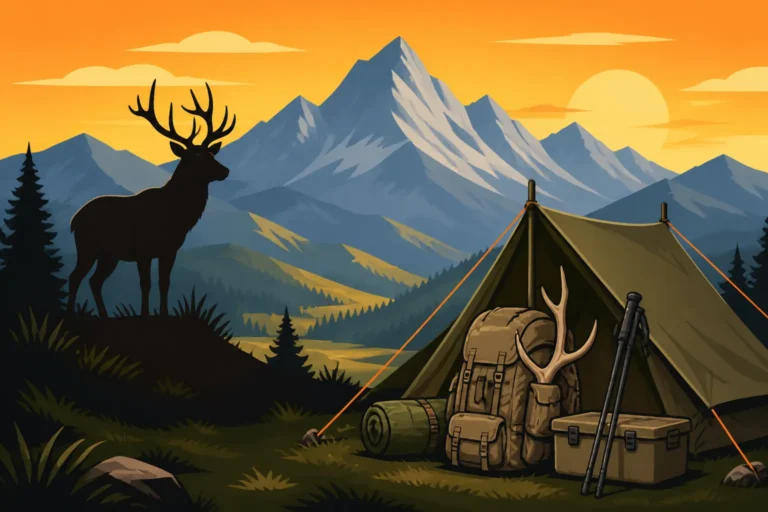
Imagine this: you've e-scouted a prime piece of Colorado wilderness, miles from any trailhead. You've identified a promising area where elk are likely to be. Instead of shouldering a massive pack laden with a wall tent, stove, and enough food for a week, you hire an outfitter. This outfitter, using horses or mules, packs in all your heavy gear – your tent, stove, food, water filters, and other comforts – to a pre-determined location deep in the backcountry. They "drop" it off, sometimes even helping you set it up, and then they leave. You and your hunting partners are then left to hunt independently for the duration of your trip. At the end of your hunt, they return to pack you and your harvest out.
It's fundamentally different from a fully guided hunt where a guide is with you every step of the way, showing you where and how to hunt. In a drop camp scenario, you are responsible for all hunting decisions, navigation, cooking, and daily camp management. It's also distinct from a true DIY backpack hunt because you're not carrying the entire load on your back. The outfitter handles the heavy lifting of getting your base camp established and retrieved. This model provides an invaluable service, especially in rugged areas like the San Juan Mountains or the Flat Tops Wilderness, where access can be challenging.
Why Choose a Drop Camp for Your Colorado Hunt?
The allure of a drop camp lies in its unique balance of independence and convenience. You get to experience the raw, untamed beauty of Colorado's backcountry without the crushing physical demands of packing in a full camp yourself. For many, this means a significantly more comfortable and effective hunt.
First off, accessibility. Many of the best elk hunting spots in Colorado are deep within wilderness areas or national forests, miles from any road. These are often areas where public land pressure is lower because fewer people are willing or able to hike that far in. A drop camp allows you to access these prime, remote locations that would otherwise be out of reach for a typical backpack hunter or even a day-hunter. You can establish a base camp close to where the elk are, meaning less travel time to and from your hunting grounds each day. Secondly, comfort. Let's be honest, hunting for a week out of a small backpacking tent can be grueling, especially when Colorado weather turns nasty. A drop camp often allows for a larger, more comfortable wall tent, complete with a wood stove to dry gear and warm up after a long day in the snow. You can bring better food, proper cooking supplies, and even a cot for a decent night's sleep. This level of comfort can dramatically improve morale and energy levels throughout a demanding hunt. Thirdly, it's often more cost-effective than a fully guided hunt, allowing you to stretch your budget further while still benefiting from professional logistical support. This hybrid approach often means a richer, more immersive hunting experience without sacrificing too much of your budget or autonomy.
The Trade-offs: What to Consider Before Committing
While drop camps offer fantastic advantages, they aren't without their considerations. It’s important to go in with eyes wide open to ensure this style of hunt aligns with your expectations and capabilities.
One significant trade-off is the planning burden. While the outfitter handles transportation, you are still the hunting manager. This means you're responsible for all the detailed e-scouting, understanding the terrain, knowing the elk's habits in that specific unit, and making all tactical decisions once on the ground. You need to be competent in navigation, first aid, field dressing, and potentially dealing with unexpected weather or wildlife encounters. You are essentially on your own once the outfitter leaves. Another point to consider is the cost. While cheaper than a fully guided hunt, it's still an investment. Prices for a Colorado drop camp can vary widely depending on the outfitter, location, duration, and services included, but you should expect to pay several thousand dollars for a quality experience. Finally, there's the inflexibility. Once your camp is dropped, it's set. If the elk decide to move miles away due to pressure or weather, you don't have the mobility to easily pick up and move your entire camp. You'll be making longer day hunts from your fixed location, which can add to the physical demands. It requires a commitment to a specific area, so your pre-hunt scouting and unit selection need to be spot on.
Meticulous Planning: The Foundation of a Successful Drop Camp
A successful Colorado drop camp isn't just about showing up; it's about meticulous planning that starts months, if not a year, in advance. This foundational work will dictate the success of your hunt more than almost anything else.
Unit Selection and Scouting
Choosing the right Game Management Unit (GMU) is paramount, and it requires deep dives into data, maps, and local knowledge. You'll want to research units known for good elk populations, public land access, and suitable terrain for a drop camp. Many hunters find tools like GoHunt invaluable for this phase. Their platform provides detailed statistics on draw odds, success rates, public land percentages, and crucial habitat information for various units across Colorado. You can analyze historical data to identify trends in elk movement and hunter pressure.
Once you’ve narrowed down a few potential GMUs, it’s time to e-scout relentlessly. Utilize satellite imagery, topographic maps, and GPS apps like onX Hunt to identify potential camp locations, water sources, natural travel corridors, bedding areas, and feeding grounds. Look for north-facing slopes where elk might bed in warmer weather, or dark timber stands that offer cover. Pay attention to changes in elevation and vegetation type. Understanding how to E-Scout Before a Colorado Hunt is a skill that will pay dividends. Consider areas with varied terrain, offering both high-elevation basins for early season and timbered slopes for later rifle seasons. Ideally, you want an area that holds elk consistently and provides reasonable access for pack animals. Don't be afraid to reach out to the outfitter you're considering; they often have extensive knowledge of specific areas and can offer insights into the feasibility of a drop camp in your chosen spot.
Navigating Regulations and Permitting
Colorado's hunting regulations can feel like a labyrinth, but understanding them is non-negotiable for a legal and ethical hunt. This includes not just your hunting license and tag, but also any specific rules pertaining to wilderness areas or national forests where your drop camp will be located.
First, ensure you have the correct tags for the season and GMU you plan to hunt. Whether you're targeting archery elk or a specific rifle season, Colorado Hunting Seasons Explained will clarify the timelines. You’ll need to understand the Colorado Draw System and Preference Points if you're going for a limited draw tag, or research Colorado OTC Elk Tags Explained for over-the-counter options. Beyond your hunting license, be aware of wilderness area regulations. Many prime drop camp locations are within designated wilderness, which comes with its own set of rules, such as restrictions on mechanized transport (no ATVs), group size limits, and strict Leave No Trace policies. Some areas might require specific permits for campfires or overnight stays. Always check with the local Forest Service or BLM office for the specific area you'll be hunting to understand all applicable rules and ensure your outfitter is also compliant with their operating permits.
Assembling Your Hunting Party and Defining Roles
A drop camp hunt is a team effort, and the success of the trip often hinges on the dynamics and preparedness of your hunting party. You're going to be relying on each other, often in remote and challenging conditions.
Carefully select your hunting partners. Look for individuals who are physically capable, have similar hunting styles and expectations, and possess a good attitude. Someone who complains constantly or isn't willing to pull their weight can quickly sour the experience for everyone. Discuss individual fitness levels openly; a Colorado Backcountry Hunting Guide stresses the importance of physical conditioning. Before you even leave home, assign specific roles and responsibilities. Who is the primary navigator? Who is responsible for cooking and meal planning? Who has the first aid expertise? Who will manage the water filtration? Defining these roles upfront avoids confusion and ensures that all critical tasks are covered. Have a clear chain of command or decision-making process, especially for critical situations. A good group dynamic means everyone contributes, shares the workload, and supports each other when challenges inevitably arise, whether it's navigating rough terrain or helping to quarter and pack out an elk.
Essential Gear for Your Remote Colorado Camp
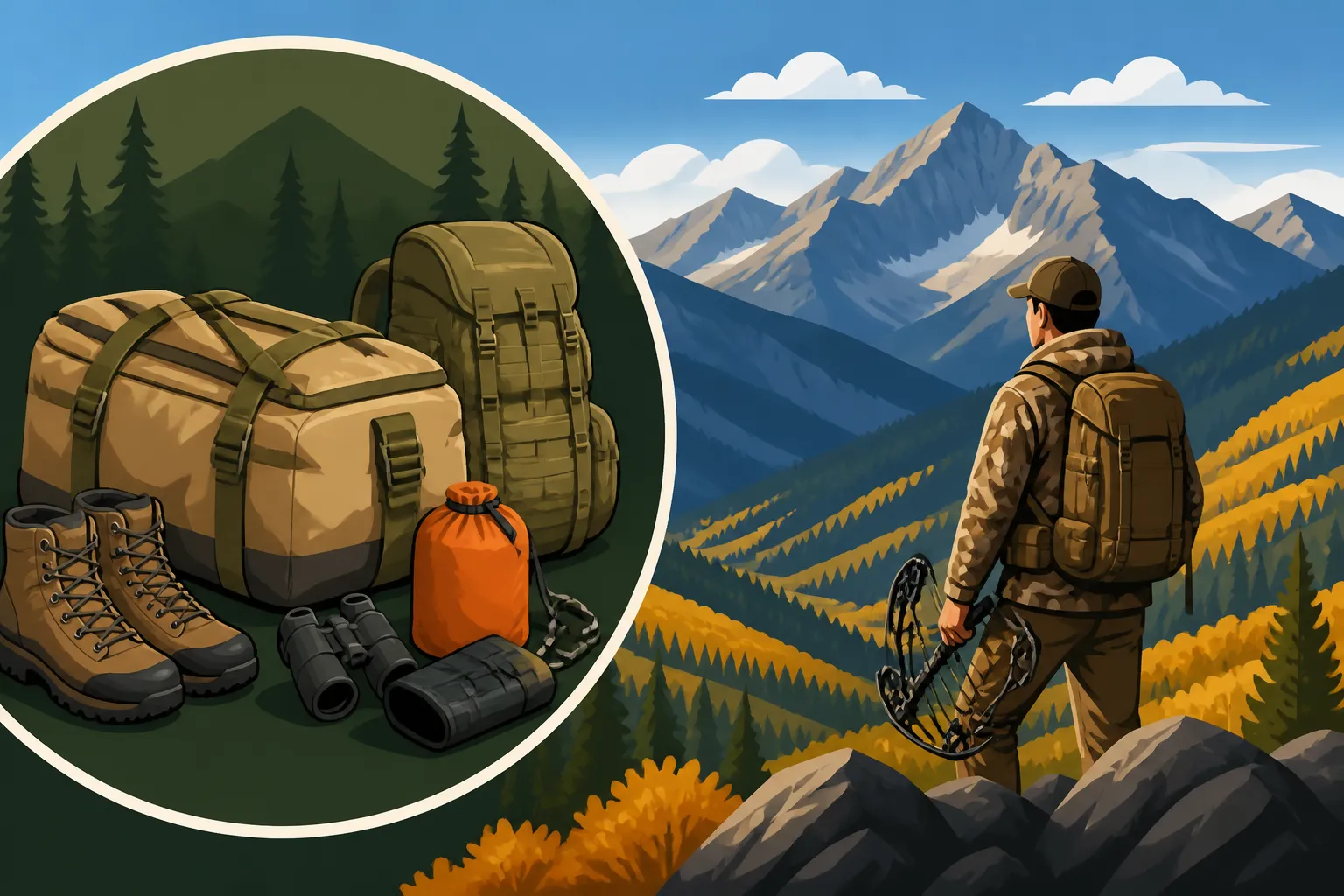
One of the biggest advantages of a drop camp is the ability to bring more comfortable and robust gear than a traditional backpack hunt. However, every item still needs to be justified, as the outfitter will have weight and volume limits. It’s all about striking that balance between necessity and luxury.
Shelter and Sleeping Systems
Your shelter is your sanctuary in the backcountry, especially when the infamous Colorado weather decides to roll in with a vengeance. For drop camps, a sturdy wall tent is often the preferred choice, offering ample space and the ability to heat with a wood stove.
A quality canvas wall tent, typically 10×12 or 12×14 feet, can comfortably house 2-4 hunters with gear. These tents, while heavy, provide unparalleled protection from wind, rain, and snow. Crucially, they can be equipped with a portable wood stove, transforming a frigid mountain evening into a cozy respite. A good stove allows you to dry wet clothes, cook meals comfortably, and ensure a warm start to your morning. Don't skimp on a durable tent floor or a tarp underneath to keep moisture out. For sleeping, cots are a game-changer compared to sleeping pads on the ground. They get you off the cold earth and significantly improve sleep quality. Pair these with a high-quality, cold-weather sleeping bag rated for the temperatures you expect to encounter. Even in early archery season, nights in the Colorado high country can drop below freezing, so a 0-degree Fahrenheit or even -20-degree bag isn't overkill, particularly if you run cold. The goal is to maximize recovery and comfort so you can perform your best each day.
Cooking and Food Management
Good food is morale, and a drop camp allows for a much more varied and satisfying menu than dehydrated meals. However, efficient cooking and meticulous food storage are essential for safety and comfort.
You’ll want a robust cooking setup. A propane camp stove with multiple burners is ideal for preparing meals, boiling water, and making coffee. Bring enough fuel for the entire trip, plus a little extra. Cast iron skillets, a pot for boiling, cooking utensils, and a good cutting board will make meal prep easier. For food, plan a menu that offers a good mix of calories, protein, and comfort. Think breakfast burritos, hearty stews, pasta dishes, and even fresh fruits and vegetables for the first few days. Don’t forget snacks for the trail, such as energy bars, jerky, and nuts. For safety, bear-resistant food storage is absolutely critical. This could involve bear-proof containers, hanging food from a tree, or storing it securely inside your tent if it's explicitly designed for that. Given that you're in prime black bear habitat, and occasionally grizzly sightings occur in border areas (though extremely rare in Colorado), secure food storage is non-negotiable. Plan your meals carefully to minimize waste and ensure you have enough for the entire duration, accounting for potentially strenuous days.
Navigation, Communication, and Safety Gear
In the vastness of the Colorado backcountry, relying solely on your phone is a recipe for disaster. Robust navigation, communication, and safety gear are non-negotiable.
Your primary navigation tools should include a reliable GPS device (Garmin InReach or similar), detailed topographic maps, and a compass. Learn how to use them all proficiently before you leave home. While GPS is excellent, batteries die, and electronics fail; knowing how to navigate with a map and compass is a crucial backup skill. For communication, a satellite messenger or satellite phone is highly recommended. Cell service is non-existent in much of Colorado’s wilderness. Devices like the Garmin inReach or Zoleo allow you to send texts, check in with loved ones, and most importantly, call for emergency help if needed. Every member of the party should carry a personal first aid kit, and there should be a comprehensive group first aid kit in camp, stocked with supplies for severe injuries, altitude sickness, and common backcountry ailments. Don't forget bear spray, especially if you're in areas known for high bear activity, and know how to deploy it effectively. Other critical safety items include a headlamp with extra batteries, fire-starting tools, a multi-tool, and a knife. Remember, you’re often many hours, if not days, from professional medical help, so preparation is key. A comprehensive Colorado Backcountry Hunting Gear List will outline all the essentials.
Personal Hunting Gear and Optics
Your personal hunting gear needs to be top-notch and suited for the challenging demands of a Colorado elk hunt. Every item should be reliable and field-tested.
This includes your weapon of choice – whether it's your rifle, muzzleloader, or bow. Ensure it's sighted in accurately and you've practiced shooting at various distances and angles, as you’ll likely be shooting uphill and downhill at elk. Layering is critical for clothing, as temperatures can swing wildly from freezing mornings to warm afternoons. Think merino wool base layers, a fleece mid-layer, and a waterproof/windproof outer shell. Sturdy, broken-in hunting boots are arguably the most important piece of gear; invest in quality, waterproof boots that provide excellent ankle support. A comfortable, well-fitting backpack is essential for your daily hunts, capable of carrying extra layers, water, snacks, and potentially game meat on a short pack out. For optics, don't skimp. High-quality binoculars (10×42 or 12×50) are crucial for glassing vast expanses, and a spotting scope can be invaluable for evaluating distant animals. Learn how to Use Optics for Colorado Big Game effectively to spot bedded elk or identify legal animals. A rangefinder is also a must-have for accurate shot placement in steep terrain.
Executing the Drop: Setting Up Your Backcountry Base
Once all the planning is done and the outfitter is ready to go, the actual process of getting into your drop camp and setting it up is the next critical phase. This is where your preparations truly come to life.
Choosing Your Camp Location
Even after extensive e-scouting, the final selection of your camp location might come down to an on-the-ground decision. There are several key factors to consider to ensure both comfort and strategic advantage.
First, water is paramount. You need a reliable, accessible water source – a spring, stream, or lake – that can be filtered or treated for drinking. Proximity to water saves immense effort. Second, consider protection from the elements. Look for a location nestled among timber that offers a buffer from strong winds and provides shade. Avoid setting up in a low-lying basin where cold air settles, or on an exposed ridge where you'll be constantly buffeted by wind. Third, think about your hunting strategy. While you want to be deep in elk country, avoid setting up directly in a prime bedding area or a major travel corridor. You don't want to spook elk from your immediate vicinity. Instead, choose a location that allows for good glassing opportunities, easy access to multiple hunting zones, and multiple escape routes if you need to quickly move downwind or to different terrain. Fourth, evaluate the ground itself. You want a relatively flat, well-drained area for your tent, free from rocks or depressions that could collect water. Pay attention to how thermals might affect the area, especially in the mornings and evenings; you don't want your scent consistently blowing into prime elk habitat.
Transportation and Haul-In Logistics
This is the "drop" part of the drop camp, and it’s where your outfitter earns their fee. Understanding the process and what to expect will help things go smoothly.
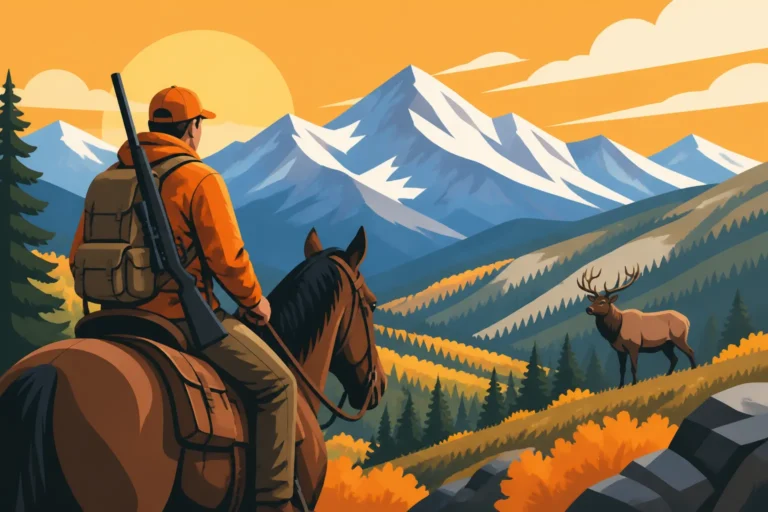
Typically, you'll meet your outfitter at a designated trailhead or meeting point. All your gear will be weighed and packed onto horses or mules. Outfitters are experts at packing, but ensure your gear is in sturdy, weather-resistant bags or containers. Label everything clearly! The journey into the backcountry can be slow and arduous, often taking several hours or even a full day, depending on the distance and terrain. You might ride in on horses provided by the outfitter, or you might hike in alongside the pack string. During the haul-in, pay close attention to the trail and landmarks. While your GPS is vital, having a mental map of your ingress route can be helpful, especially if you're hiking in yourself. Upon arrival at your chosen camp location, the outfitter will unload your gear. Some outfits will assist with setting up the main wall tent and stove, while others will simply drop the gear off. Clarify this beforehand. Once everything is on the ground, the outfitter will depart, leaving you to your hunt. They’ll usually establish a clear communication plan for when they'll return, and what to do in case of an emergency extraction. For those looking to understand more about getting gear into the wild, articles like How to Pack Into the Colorado Backcountry offer great insights.
Setting Up Your Camp Efficiently
Once the outfitter has left, it's game on. Setting up your camp efficiently and strategically is crucial for a comfortable and functional base for the next week or more. This is no time for guesswork; have a plan.
Start with the main wall tent. Choose the flattest, most sheltered spot, paying attention to door orientation for wind and sun. Get the tent pitched securely, with all guy lines taut, capable of withstanding high winds and snow. Next, assemble your stove and get it running safely. Ensure proper ventilation and a good supply of firewood. Lay out your sleeping cots and bags, creating personal spaces. Designate a "kitchen" area that is organized and easy to keep clean. This should ideally be a short distance from your sleeping area to minimize scent contamination and potential bear issues. Set up your water filtration system immediately and start filling water containers. Hydration is critical at altitude. Finally, establish a strict bear-proofing protocol. All food, trash, scented items, and cooking gear must be stored securely away from your sleeping quarters – either in bear-resistant containers, hung from a tree, or in a designated "kitchen tent." This systematic approach not only makes camp more comfortable but also instills a sense of order and safety for the duration of your stay. Consider reading up on How to Set Up a Wall Tent Elk Camp for more detailed instructions.
Hunting from Your Drop Camp: Daily Strategy and Tactics
With your camp established, the real work begins. Your drop camp is your base, but the success of your hunt depends entirely on your daily strategy, your ability to adapt, and your execution in the field.
Establishing a Routine and Covering Ground
Consistency and a clear daily plan are vital when hunting from a fixed camp. Every day should have a purpose and a structure to maximize your chances.
Your daily routine should start well before daylight. Wake up early, get the stove going, have a quick, high-energy breakfast, and be out of camp before first light. The first and last hours of daylight are often the most productive for elk movement. Plan your daily hunting routes meticulously, focusing on areas you’ve e-scouted as high probability elk zones. This might involve long hikes to different drainages, climbing to high vantage points for glassing, or still-hunting through timbered areas. Don’t be afraid to cover significant ground. Elk often move several miles between bedding and feeding areas. During mid-day, when elk typically bed down, you can use this time for silent still-hunting through dense timber, or you can return to camp for a hot lunch, resupply water, and perhaps a short rest, then head back out for the evening hunt. However, avoid spending too much time in camp during peak hunting hours. The goal is to maximize your time in the elk's preferred habitat, always moving with the wind in your favor. Knowing the Colorado Elk Hunting Methods Explained can help you tailor your approach.
Adapting to Conditions and Game Movement
The mountains are unpredictable, and elk are constantly reacting to their environment. Your ability to adapt your tactics to changing conditions is a huge factor in your success.
Weather in Colorado can change on a dime, from sunny and warm to snowing blizzard conditions in a matter of hours. Always carry appropriate layers, rain gear, and emergency supplies. A sudden cold front or snowstorm can trigger elk migration or push them into thicker cover. Pay attention to wind direction and thermals throughout the day; your scent is your biggest enemy. How to Use the Wind Hunting Colorado Elk and understanding thermals in the mountains are critical skills. If hunter pressure increases in your immediate area, elk might move to more secluded spots, often in thicker timber or steeper, more rugged terrain. Be prepared to hunt these less accessible areas. Food sources also play a role; as the season progresses, green forage might disappear, and elk will focus on specific types of browse or acorns. Stay observant for fresh sign – tracks, droppings, rubs, and wallows – which can tell you where elk have been and where they might be headed. Don't be afraid to adjust your plans based on what the elk are telling you on the ground. A good resource for understanding elk behavior is How to Find Elk When They Go Quiet.
Field Care and Meat Preservation
The moment you harvest an elk, the hunting isn't over; the real work has just begun. Proper field care is paramount to preserving your hard-earned meat, especially when you’re miles deep in the backcountry.
Immediately after a successful harvest, get to work. Time is of the essence, particularly if temperatures are warm. The first step is to gut the animal to allow the carcass to begin cooling internally. Then, quarter the elk. This involves systematically removing the four main quarters, backstraps, and tenderloins. Knowing How to Quarter an Elk in the Field quickly and efficiently is a skill you should practice beforehand. Get the meat into breathable game bags immediately. This protects it from dirt, insects, and scavengers, while allowing air circulation for cooling. Hang the quarters in a cool, shady spot, preferably off the ground, where air can circulate freely around them. This is critical for preventing spoilage. In warm weather, you might even need to hang the meat overnight before packing out, especially if you have a long haul. If temperatures are consistently cold, the meat will keep well for several days if properly aired and protected. However, always monitor the meat carefully. The ultimate goal is to get that meat cooled down as quickly as possible and keep it clean for the journey out.
Breaking Down Camp and the Final Pack Out
As your hunt draws to a close, the final phase involves systematically breaking down your camp and the often-grueling task of packing out your gear and, hopefully, your elk. This is where fitness and teamwork truly shine.
Leave No Trace Principles in Action
One of the fundamental ethics of backcountry hunting is to leave the area cleaner than you found it. This isn’t just good practice; it's often a strict regulation in wilderness areas.
Before you start packing, make sure you've collected every last piece of trash, no matter how small. This includes food wrappers, spent casings, toilet paper, and any other man-made items. Pack out everything you packed in. When dismantling your camp, take the time to restore the site as much as possible. Disperse any fire rings, scatter any cut branches, and try to make it look like no one was ever there. If you had a latrine, fill it in completely. Ensure no food scraps are left behind that could attract scavengers or teach them to associate humans with food. The goal is to minimize your impact on the natural environment and leave it pristine for future generations of wildlife and hunters. Adhering to Leave No Trace principles is a reflection of respect for the land and the animals we pursue.
Efficiently Breaking Down Camp
Just like setting up camp efficiently, breaking it down in a systematic way saves time, effort, and ensures nothing is forgotten.
Start by packing personal items and non-essential gear first. Clean out the tent, sweep the floor, and take down any internal structures like cots or drying lines. Carefully dismantle the stove and ensure it's completely cooled before packing. Roll up the tent and ground tarps neatly and compactly. Organize all cooking gear, food containers, and water filtration systems. Double-check all areas of the camp to ensure no small items have been overlooked. Pack items in a logical order, considering how they will be loaded onto the pack animals. Heavy items on the bottom, fragile items protected. Keep a small "go-bag" with essentials for your hike out if you're not riding. This might include a snack, water, rain gear, and your GPS. The more organized you are, the smoother the retrieval process will be for the outfitter, and the less likely you are to leave something behind.
The Ultimate Physical Test: Packing Out Meat and Gear
This is often the most physically demanding part of a drop camp hunt, especially if you've been successful. Even with an outfitter retrieving your heavy camp gear, you’ll still be responsible for getting the meat from the kill site to the pickup point.
If you’ve harvested an elk, you'll need to get the quarters from where they've been hanging to a designated pickup point for the outfitter. This might mean multiple trips, or a strenuous, heavy single trip if the distance isn't too far. Knowing How to Pack Out an Elk in Colorado, even solo if necessary, is crucial. If the outfitter is packing out your entire harvest and camp from the kill site, you've hit the jackpot. More commonly, you'll need to transport the meat yourself to the main camp, where the outfitter will then pack it out. This is where your physical conditioning and your team's strength truly come into play. Use sturdy frame packs designed for heavy loads. Even with an outfitter picking up your meat and camp, you'll still have your daily hunting pack, personal items, and any remaining food to carry out. The high altitude and rugged terrain will amplify the effort. Communicate constantly with your hunting partners, take breaks as needed, and hydrate often. The sense of accomplishment after successfully packing out an elk is immense, making all the planning and hard work worth every ounce of effort.
Disclaimer
Hunting is an inherently dangerous activity. This guide is for informational purposes only and does not constitute professional advice. Always prioritize safety, adhere to all local, state, and federal hunting regulations, and be prepared for potential hazards in the backcountry. It is your responsibility to ensure you are properly licensed, equipped, and trained for any hunting activity.