Best Time to Hunt Mountain Goat in Colorado
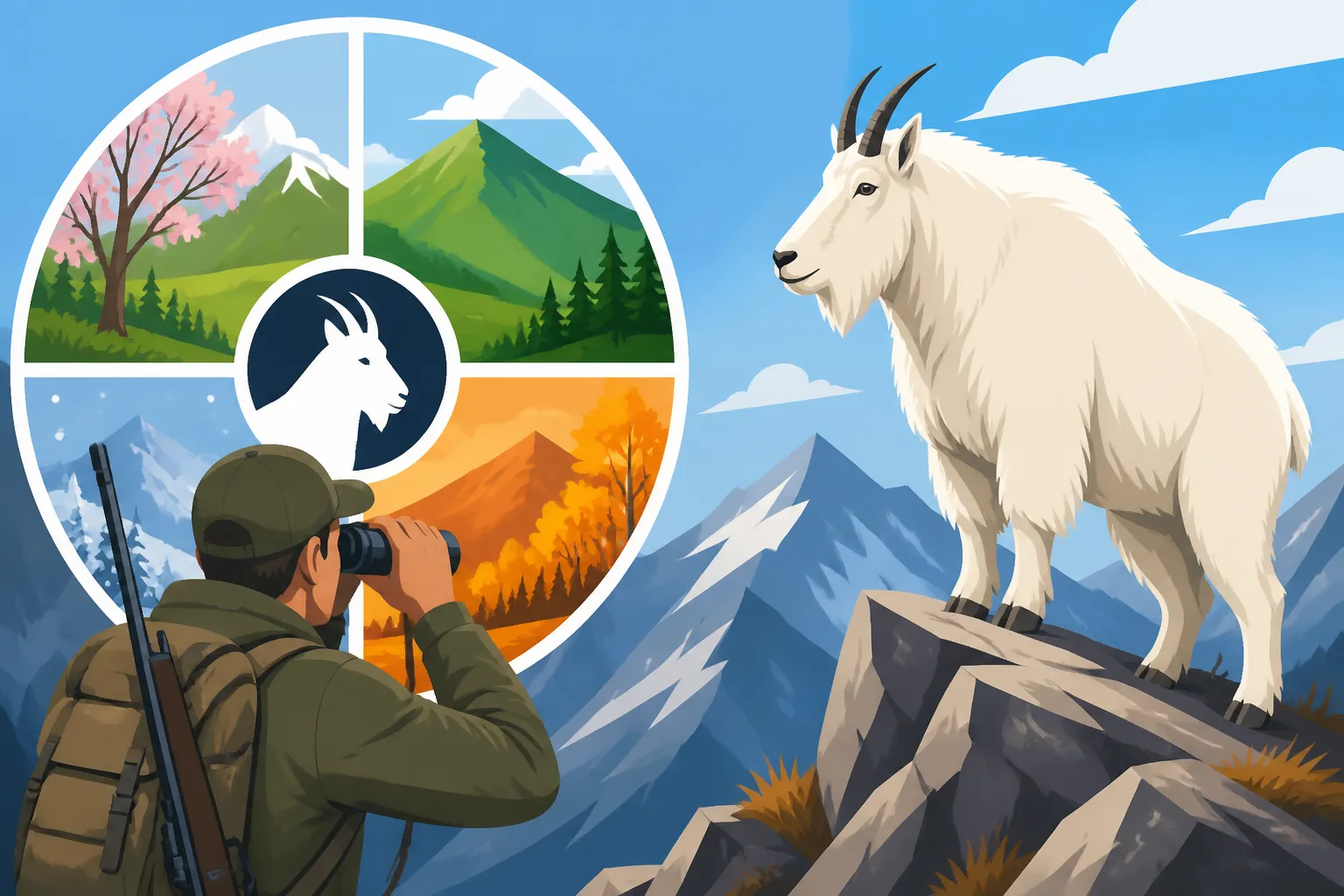
Chasing mountain goats in Colorado is truly an experience unlike any other, but nailing down the 'best' time to hunt these incredible animals can feel like solving a complex puzzle. It's not just about when the season opens, but understanding how weather, rutting activity, and goat behavior shift throughout the limited season that truly impacts your success. This guide will walk you through the nuances of Colorado's mountain goat seasons, helping you pinpoint the ideal window for your once-in-a-lifetime hunt.
Understanding Colorado's Mountain Goat Seasons
Hunting mountain goats in Colorado isn't like your typical deer or elk hunt where you might have multiple seasons or even over-the-counter opportunities. Mountain goat tags are some of the most coveted and difficult to draw in the state, often requiring a significant number of preference points and a dose of pure luck. Because of their limited population and the desire to manage them carefully, Colorado Parks and Wildlife (CPW) offers very specific, generally late-season hunts.
The Draw System and Limited Tags
First things first, you're not just deciding when to go; you're hoping to draw a tag for a specific unit and season. The tags are almost exclusively obtained through the primary draw, which has deadlines typically in early April. It’s a competitive process, and many hunters will spend years building preference points for a chance at one of these elusive tags. You can find detailed information on the draw system in our comprehensive guide to the Colorado Draw System and Preference Points. These are often once-in-a-lifetime opportunities, which makes choosing the right season even more critical. Researching specific unit draw odds through platforms like GoHunt can give you a realistic picture of the commitment needed.
Typical Season Structure
Colorado mountain goat seasons usually run from early September through the end of October, and sometimes even into November, depending on the specific Game Management Unit (GMU) and hunt code. Unlike elk or deer, where you have distinct archery, muzzleloader, and rifle seasons, mountain goat hunts are generally considered "any legal method" during the designated dates. This means if you draw a tag, you can use your bow, rifle, or muzzleloader within the specified timeframe. However, the exact timing of your hunt within that window will heavily influence conditions and goat behavior. It's worth noting that the later you hunt, the more unpredictable the weather becomes in the high country, which is where these magnificent creatures thrive.
Factors Influencing Mountain Goat Behavior Throughout the Season
Mountain goats are animals of the extreme high country, perfectly adapted to their rugged, alpine environment. Their behavior is intrinsically linked to the time of year, weather patterns, and the onset of the rut. Understanding these shifts is key to strategizing your hunt.
Early Season Considerations September
The early part of the mountain goat season, generally September, offers distinct advantages and challenges. The weather is typically more stable, though afternoon thunderstorms are always a possibility in the Colorado high country. Temperatures are generally milder, making hiking and setting up camp more comfortable. This is when the goats are still in their summer patterns, often found in smaller groups or as solitary billies high on open slopes and rocky outcroppings.
During September, the goats haven't been pressured much, and they're focused on feeding, packing on weight for the colder months ahead. Their coats are usually still coming in, and while thick, they won't have the full, shaggy splendor of their winter phase. This time of year often means a lot of glassing wide-open basins, using powerful optics to locate animals that blend surprisingly well into their surroundings. They'll be feeding on alpine grasses and forbs, and you'll typically find them above treeline, making for some truly breathtaking views – and often, some truly brutal climbs. Preparing for high-altitude hunting is paramount if you plan an early season hunt, as you'll be spending considerable time well above 10,000 feet, often much higher.
Late Season Challenges and Opportunities October-November
As October rolls around and especially into November, the Colorado high country undergoes a dramatic transformation. Snow becomes a real factor, and bitter cold can set in quickly. This is when mountain goats begin to develop their full winter coats, making them even more stunning. More importantly, this is when the rut kicks in. The mountain goat rut typically occurs from mid-October through November, which can be a game-changer for hunters.
During the rut, billies (males) become more active, often covering more ground in search of nannies (females). They can be less wary and more focused on breeding, occasionally leading them into slightly more accessible terrain or making them more predictable in their movements. The downside, of course, is the weather. Late-season hunting means dealing with deep snow, icy conditions, and extreme cold. Access to certain areas can become impossible due to snowpack, and avalanches are a serious concern. However, fresh snow can also make goats more visible against the white backdrop and can sometimes push them to lower elevations or into timbered areas seeking shelter, which might change their typical high-alpine patterns. For those willing to brave the elements, late season can offer incredible opportunities and an unforgettable, rugged experience. You’ll need a robust packing list and excellent gear, similar to what you’d consider for a Colorado backcountry hunting guide.
Weather, Rut, and Terrain
The primary drivers of mountain goat behavior throughout the hunting season are inextricably linked. Milder early-season weather means goats stick to the highest, most exposed areas for feeding. As temperatures drop and snow begins to accumulate, they may seek more sheltered areas, though they rarely drop significantly in elevation unless forced by extreme conditions. The rut overlays this, creating periods of increased activity and vulnerability for the males.
Using tools like the GoHunt research platform can really help pinpoint historical weather patterns for specific GMUs, allowing you to anticipate conditions. It’s also crucial to monitor forecasts leading up to and during your hunt. A sudden snowstorm can shut down a hunt or create dangerous conditions quickly. Knowing how to use the wind hunting Colorado elk is also applicable here, as thermals and wind shifts are critical in steep, mountainous terrain.
Strategies for Timing Your Colorado Mountain Goat Hunt
Deciding on the "best" time really boils down to your personal preferences, physical capabilities, and what you prioritize in a hunt. There’s no single perfect answer, but understanding the trade-offs can help you make an informed decision when applying for those coveted tags.
Early Season Advantages and Disadvantages
| Factor | Early Season (Sept) | Late Season (Oct-Nov) |
|---|---|---|
| Weather | Generally milder, less snow, possible thunderstorms | Colder, significant snow, extreme conditions |
| Goat Behavior | Summer patterns, focused on feeding, in high terrain | Rutting activity, billies more mobile, less wary |
| Coat Quality | Developing, still good, but not full winter phase | Full, shaggy winter coat, prime |
| Visibility | Blend into rock/alpine vegetation, good glassing conditions | Stand out against snow, potentially pushed lower |
| Access | Generally open, easier hiking | Can be limited by snow, icy, treacherous |
| Pressure | Typically less hunter presence | Higher hunter presence around the rut |
| Physical Demands | Still extremely high, but less extreme cold | Extreme, with added challenge of snow and ice |
Advantages of Early Season (September):
- More Predictable Weather: Fewer chances of getting snowed in or facing truly brutal cold snaps. This can make for a more enjoyable experience for those less accustomed to extreme mountain conditions.
- Easier Access: Trails and alpine roads are typically open and clear, allowing for easier ingress and egress from hunting areas.
- Longer Days: More daylight hours translate to more time for glassing and stalking, crucial in such expansive terrain.
- Established Patterns: Goats are often in predictable summer feeding patterns, making them findable if you know their typical habitat.
Disadvantages of Early Season (September):
- Less Prime Hair: While still beautiful, their coats aren't as long and full as they will be later in the year. If a trophy-quality hide is a priority, this might be a consideration.
- No Rut Activity: You won't benefit from the increased movement and potentially decreased wariness of billies during the rut.
- Camouflage: Goats blend in incredibly well with the rocky, muted colors of the late summer high country, making them harder to spot at a distance.
Late Season Advantages and Disadvantages
Advantages of Late Season (October-November):
- The Rut: This is the big draw for many. Billies are on the move, actively seeking nannies. This can make them more visible and, at times, less cautious, potentially bringing them into areas they might not frequent otherwise.
- Prime Winter Coats: If a magnificent, shaggy hide is your goal, late season is undeniably the best.
- Increased Visibility: Fresh snow can make it easier to spot white goats against a contrasting backdrop. Tracks in the snow can also reveal travel routes.
- Lower Elevation Opportunities (Sometimes): Heavy snow can occasionally push goats to slightly lower, more accessible elevations, though this is not a guarantee and depends heavily on the specific unit and weather event.
Disadvantages of Late Season (October-November):
- Extreme Weather: This is the most significant hurdle. Expect bitter cold, high winds, blizzards, and deep snow. This dramatically increases the physical demands and the gear required. Safety becomes an even greater concern.
- Limited Access: Many roads and trails in the high country will be closed or impassable due to snow, forcing longer hikes or even cutting off certain areas entirely.
- Shorter Days: Less daylight means less hunting time and more time navigating in the dark.
- Higher Physical Demands: Moving through deep snow, dealing with ice, and combating extreme cold all add layers of difficulty to an already demanding hunt.
For those planning to hunt in the backcountry, understanding how to pack out an elk in Colorado provides an excellent conceptual framework for the physical demands of packing out any large animal in challenging terrain, including a mountain goat.
Key Considerations for a Successful Mountain Goat Hunt
Regardless of when you manage to draw that coveted tag, there are universal truths to hunting mountain goats in Colorado. These majestic animals demand respect, preparation, and a deep understanding of their habitat.
Physical Conditioning and Altitude Acclimation
This cannot be stressed enough: mountain goat hunting is incredibly physically demanding. You'll be operating at extreme elevations, often above 12,000 feet, traversing steep, rugged, rocky terrain. Your fitness needs to be top-tier. Start an intensive physical preparation plan months in advance, focusing on cardio, strength training, and especially hiking with a loaded pack. Getting acclimated to Colorado elevation is also critical. Arrive a few days early if possible to allow your body to adjust to the thinner air. Trying to hunt a mountain goat when you’re not physically ready is a recipe for misery and potential failure.
Essential Gear for High-Altitude Hunting
Your gear can make or break a mountain goat hunt. Think light, durable, and functional. Here's a quick rundown of critical items:
- Optics: High-quality binoculars (10x-15x) and a spotting scope (20-60x or higher) are non-negotiable for finding goats in vast basins. A good tripod is essential for stable glassing. Look into our guide on Best Optics for Colorado Big Game.
- Layered Clothing: The weather in the mountains can change in minutes. Pack layers that can be added or removed to regulate your temperature. Think moisture-wicking base layers, insulating mid-layers, and a waterproof/windproof outer shell. Brands like Sitka Gear or KUIU offer excellent technical apparel for these conditions.
- Footwear: Sturdy, broken-in mountain boots with excellent ankle support and stiff soles are paramount for navigating rocky terrain.
- Backpack: A capable pack, ideally 60-80 liters, that can comfortably carry all your gear and then securely pack out meat and your trophy. Our guide on the Best Backpack for a Colorado Elk Hunt offers relevant considerations.
- Navigation Tools: A reliable GPS device or a smartphone app like onX Hunt, along with a compass and map, is essential. Know how to use them, especially for those moments when fog rolls in or darkness falls unexpectedly. GoHunt also integrates well with mapping features for pre-hunt scouting.
- Shelter: If you're going deep into the backcountry, a lightweight, four-season tent or bivy system is necessary.
- Emergency Gear: First-aid kit, fire starting supplies, headlamp, extra batteries, satellite communication device (like a Garmin inReach), and plenty of water purification tablets or a filter.
- Trekking Poles: These are absolute game-changers for stability and reducing strain on your knees, especially on steep ascents and descents.
Scouting and Planning
Even with a rare tag in hand, pre-season scouting, both physically and through e-scouting, is vital. Use resources like the Colorado Hunting Atlas to identify suitable habitat and access points. Analyze topographical maps to find potential bedding areas, feeding zones, and escape routes. Tools like GoHunt's mapping and research capabilities allow you to overlay public and private land, wilderness boundaries, and even historical harvest data for your specific unit. Understanding how to E-Scout Before a Colorado Hunt will give you a significant advantage. This thorough preparation will ensure you spend your limited hunting days efficiently, rather than just wandering.
Ultimately, the best time to hunt mountain goats in Colorado is largely determined by when you draw a tag and what conditions you are best prepared to face. Each season offers a unique set of challenges and rewards, but the one constant is the need for meticulous preparation, exceptional physical fitness, and respect for these incredible animals and their formidable high-alpine environment.
Disclaimer
Hunting is an inherently dangerous activity. Always prioritize safety, understand and follow all Colorado Parks and Wildlife regulations, and be prepared for rapidly changing mountain conditions. This information is for educational purposes only and should not replace professional guidance or personal due diligence.