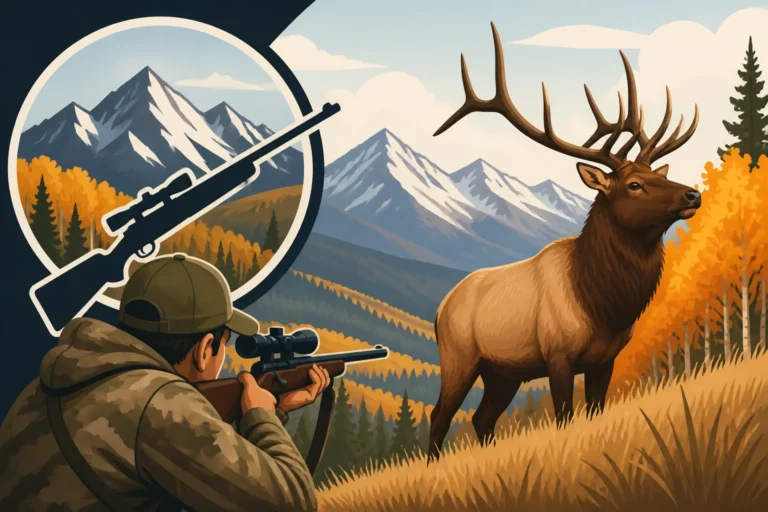
Colorado Mule Deer OTC vs Draw Tags Explained
It's incredibly frustrating, isn't it? You hear about "OTC" (Over-the-Counter) tags in Colorado and think, "Great, an easy way to get a mule deer tag!" But then you dive into the Colorado Parks and Wildlife (CPW) regulations, and suddenly that initial excitement turns into a tangled mess of hunt codes, preference points, and draw odds. It feels like you need a Ph.D. in Colorado hunting regulations just to understand how to get a tag. This guide is here to untangle that knot, specifically breaking down the crucial differences between Colorado mule deer OTC and draw tags, so you can confidently plan your next hunt.
Understanding Colorado's Mule Deer Tag Landscape
When it comes to hunting mule deer in the Centennial State, the tag system can feel like a labyrinth, especially if you're used to simpler systems elsewhere. Colorado, with its robust mule deer population and strong hunting heritage, has a carefully managed system designed to balance hunter opportunity with herd health. For mule deer, this primarily means navigating the draw.
The Nuance of Over-the-Counter (OTC) Mule Deer Tags
Let's address the elephant in the room right away: for most mule deer hunters eyeing a buck, the concept of an "Over-the-Counter" (OTC) tag in Colorado is largely a myth, especially for general rifle seasons. Unlike elk, where a significant number of units offer OTC archery or second and third rifle season bull tags, Colorado's mule deer buck tags are almost exclusively obtained through the limited-entry draw system. This is a critical distinction that often trips up new hunters or those accustomed to other states.
What might be considered "OTC" for mule deer typically falls into very specific, limited categories. For instance, you might find antlerless mule deer tags available over-the-counter in certain plains units or late seasons, often aimed at population control on private land. There might also be extremely limited archery opportunities in a few specific game management units (GMUs) that are designated as OTC, but these are rare and usually come with very low success rates due to high pressure and difficult hunting conditions. So, if your dream is to chase a big mule deer buck in the mountains with a rifle, don't count on walking into a store and buying an OTC tag like you might for an elk. It's a fundamental difference in how these two species are managed in Colorado.
The Colorado Draw System for Mule Deer
Given the rarity of true OTC buck tags, the Colorado Draw System and Preference Points is overwhelmingly the primary method for acquiring a mule deer tag in Colorado. This system is designed to allocate tags for desired species and units based on demand, often for areas with higher quality animals, better buck-to-doe ratios, or less hunter pressure. Hunters apply in a "primary draw" period, typically in spring, for a specific hunt code. If more applications are received than tags available, the system uses preference points to determine who gets the tags.
The beauty of the draw is that it allows Colorado Parks and Wildlife (CPW) to manage individual herd units more precisely. They can limit hunter numbers in sensitive areas or units known for producing trophy animals, ensuring sustainable populations and quality hunting experiences. While it means you can't just decide to hunt on a whim, it also means that the tags you do draw often lead to more rewarding hunts. This system rewards patience and strategic planning, providing access to units that would otherwise be overwhelmed with hunters. Understanding how this draw works is paramount for any serious Colorado mule deer hunter.
Deciphering the Draw: Preference Points and Hunt Codes for Mule Deer
Successfully navigating the Colorado draw system for mule deer requires a solid grasp of preference points and the seemingly complex world of hunt codes. These two elements are the keys to unlocking quality hunting opportunities.
Accumulating and Using Preference Points for Mule Deer
Preference points are essentially loyalty points you earn by applying for a limited license but not drawing it. For species like mule deer, where demand for quality tags far outstrips supply, these points become incredibly valuable. Each year you apply for a draw tag and are unsuccessful, you accrue one preference point. The more points you have, the higher your priority in future draws for those highly sought-after units. It's a system that favors those who are willing to put in the time.
However, it's not always a straightforward accumulation. You also need to understand "point creep," which describes the phenomenon where the minimum number of points required to draw a particular tag increases over time. This happens as more hunters accumulate points and apply for the same limited tags. What might have taken 5 points to draw a few years ago might now require 7 or 8. This means constantly checking draw odds and historical data to ensure your point strategy remains viable. For an in-depth look, you might want to read our guide on How Many Preference Points for Colorado Mule Deer. You can choose to apply for a tag and potentially draw it, or you can opt to simply purchase a preference point to add to your bank for a future, higher-quality hunt. Many hunters, especially non-residents or those seeking a true trophy buck, spend years accumulating points for their dream unit.
Navigating Colorado's Mule Deer Hunt Codes
If preference points are your currency, then hunt codes are the specific items you're trying to purchase in the draw. A Colorado hunt code is an alphanumeric string that tells CPW exactly what you're applying for. It specifies the species, sex, weapon type, season, and Game Management Unit (GMU). For example, a hunt code like "DM040O2R" might break down to:
- D: Deer (Mule Deer)
- M: Male (Buck)
- 040: GMU 40
- O: Rifle
- 2R: Second Rifle Season
Understanding how these codes are structured and what each segment means is absolutely crucial. A single digit or letter error can result in you applying for the wrong unit, wrong season, or even the wrong animal, essentially wasting your points and your application fee. CPW publishes a detailed list of all available hunt codes each year in their big game brochure. Resources like GoHunt also provide excellent tools to search, filter, and understand these hunt codes, often linking them directly to draw odds and unit information. It’s important to research the units and seasons thoroughly before committing to a hunt code. For more details on this, our article on Colorado Hunt Codes Explained is a great resource.
Strategies for Securing a Colorado Mule Deer Tag
With the draw being the dominant path for mule deer, especially for bucks, developing a smart strategy is key. It's about balancing ambition with realism and knowing where to look for potential opportunities.
The OTC Path: Realities and Limited Opportunities for Mule Deer
As we've discussed, the idea of an "OTC buck mule deer tag" for general rifle seasons in Colorado is largely a misconception for the vast majority of units. If you're hoping to hunt a quality mule deer buck, a draw tag is almost always the answer. However, there are a few niche scenarios where you might encounter something resembling an OTC deer tag:
- Archery Seasons: A handful of GMUs might offer OTC archery deer tags. These units often experience high hunting pressure and can be challenging, but they provide an immediate opportunity if you're willing to put in the work and have good archery skills. Remember, success rates can be low, and the hunting is often tough. If you're considering this, check out our Colorado Mule Deer Hunting: Archery Tactics guide.
- Antlerless Deer Tags: Some units, particularly on the Eastern Plains or specific private land areas, will offer antlerless (doe) deer tags OTC or with very few preference points. These are management tags and are excellent for meat hunters or those looking to gain experience. They aren't about trophy bucks, but they are a way to hunt deer immediately.
- Private Land Only Tags: Sometimes, specific private land deer tags might be available without going through the main draw, often directly through an outfitter or landowner. These are typically expensive and not "OTC" in the traditional public land sense.
The bottom line here is managing expectations. For the quintessential Colorado mule deer buck hunt, your focus should be on the draw, not on an elusive OTC tag.
Mastering the Draw: Strategic Application for Quality Mule Deer
This is where the real game begins for most mule deer hunters in Colorado. Mastering the draw means understanding current trends, unit quality, and your own hunting goals. It starts with thorough research. Websites and platforms like GoHunt provide invaluable data on draw odds, success rates, and unit characteristics. They allow you to filter by GMU, weapon, season, and even species to see how many points it took to draw a particular tag in previous years.
Your strategy might involve:
- Building Points: For the most sought-after trophy units, you might decide to simply apply for a preference point each year, foregoing a hunt for several seasons to build enough points for a premier tag. This requires patience but can pay off with a truly exceptional hunt.
- Point Strategy: For hunters with a moderate number of points, the challenge is finding a unit that offers good quality hunting without requiring a decade of waiting. This involves looking at units where the point requirements are stable or perhaps have even slightly decreased, or tags that are available in the secondary draw.
- Group Applications: You can apply as a group in Colorado, and your application will be considered based on the lowest number of preference points among all group members. This is vital to remember if you're hunting with buddies who have fewer points than you.
Always refer to the official CPW brochures for the most up-to-date regulations and application periods. You'll want to review Colorado Mule Deer Draw Odds Explained and How to Draw a Colorado Mule Deer Tag for more detailed guidance on formulating your strategy.
Considering Leftover and Landowner Vouchers for Mule Deer
Even if you don't draw a primary tag, there are still avenues to explore, albeit with their own set of challenges and costs.
- Leftover Licenses: After the primary and secondary draws are complete, any remaining tags are sold on a first-come, first-served basis, often online. While this sounds like a great "OTC" opportunity, prime mule deer buck tags rarely, if ever, make it to the leftover list. What you'll typically find are antlerless tags, private land tags, or tags for extremely difficult-to-access areas. They can be a good option for meat hunters or those looking for a specific management hunt, but not generally for a mountain mule deer buck.
- Landowner Vouchers: This is a distinct and often expensive option. In Colorado, landowners in certain GMUs can receive vouchers that can be transferred to hunters. These vouchers allow a hunter to bypass the draw for a specific limited license. The cost of a landowner voucher can range from a few hundred dollars to several thousand, depending on the unit, the season, and the perceived quality of the hunt. Many outfitters specialize in providing guided hunts on private land using these vouchers. This is a path to a guaranteed tag, often on private land with less pressure, but it comes at a premium. For a deeper dive, check out Colorado Landowner Vouchers Explained.
Table: Colorado Mule Deer Tag Acquisition Methods
| Method | Typical License Type | Availability (Bucks) | Preference Points Needed | Cost (Excluding License Fees) | Pros | Cons |
|---|---|---|---|---|---|---|
| Draw System | Limited-Entry (Buck or Doe) | High (for quality buck tags) | Yes (often many) | Application Fee | Access to best units, lower pressure, higher quality | Requires patience, no guaranteed tag, point creep |
| Over-the-Counter (OTC) | Archery (limited units), Antlerless, Private Land | Extremely Limited (for buck tags) | No | License Fee | Immediate access (if available), no waiting | Very low odds for bucks, high pressure, difficult units |
| Leftover Licenses | Antlerless, Private Land, Difficult Units | Very Rare (for quality buck tags) | No | License Fee | Last-minute opportunity, no waiting | Tags often for lower quality or challenging areas |
| Landowner Vouchers | Limited-Entry (Buck or Doe) | High (if purchased) | No (bypasses draw) | Voucher Cost (High) | Guaranteed tag, often on private land, less pressure | Very expensive, additional costs for guided hunts |
Making the Right Choice: OTC vs. Draw for Your Hunt Goals
Deciding between trying to find a mythical OTC mule deer tag and investing in the draw system boils down to your personal hunting goals, timeline, and resources. There’s no single right answer, but there’s definitely a smarter approach for most hunters.
When an OTC Mule Deer Tag Might Work for You
Let's be unequivocally clear: if your primary goal is to harvest a mature mule deer buck with a rifle in a general season, chasing an OTC tag in Colorado is almost certainly a misguided effort. Colorado's management strategy for mule deer bucks is highly reliant on the draw to control harvest and maintain herd quality. However, there are a couple of very specific instances where an "OTC" or immediately available deer tag could be a viable option:
- Archery "OTC" Units: As mentioned, a very small number of GMUs may offer over-the-counter archery deer tags. These are typically areas that are less desirable, see higher pressure, or have unique access challenges. If you're an experienced bowhunter looking for an immediate opportunity, are willing to scout heavily, and are okay with potentially lower odds, this might be an option. But it's far from a guaranteed buck.
- Antlerless Deer (Doe) Tags: If your primary goal is to fill the freezer with delicious venison and gain hunting experience, rather than specifically pursuing a trophy buck, then OTC or low-point antlerless tags can be a fantastic opportunity. These are more frequently available, especially in plains units or during late seasons, and can often be purchased without preference points. This allows you to get into the field and experience Hunting in Colorado firsthand.
- Private Land Opportunities: While not truly OTC in the public land sense, gaining access to private land through a lease, landowner permission, or an outfitter often circumvents the public draw process. This provides a "guaranteed" tag that feels similar to OTC, but it comes at a significant financial cost.
For the most part, hunters should consider these scenarios as exceptions rather than the rule when planning a mule deer buck hunt in Colorado.
The Advantages of Drawing a Mule Deer Tag
For any hunter serious about pursuing mule deer bucks in Colorado, the draw system is undeniably the superior path. The advantages far outweigh the inconvenience of waiting and accumulating points:
- Higher Quality Units: Draw units are typically those with better buck-to-doe ratios, older age-class bucks, and more favorable habitat. These units are managed for quality, offering a higher probability of encountering mature animals. Our Best GMUs for Mule Deer in Colorado guide delves into some of these prime areas.
- Reduced Hunter Pressure: Limiting the number of tags in a unit directly translates to fewer hunters in the field. This can significantly enhance your hunting experience, making it feel more like a true wilderness pursuit and less like a crowded public park. Less pressure often means deer behave more naturally and are less spooky.
- Better Success Rates: While drawing a tag doesn't guarantee a harvest, the units accessible through the draw often boast higher overall success rates compared to any limited OTC opportunities that might exist. This is a direct result of better deer populations and lower hunter density.
- Strategic Planning: The draw system forces you to plan ahead, which can be a huge benefit. You'll spend more time e-scouting (as detailed in How to E-Scout Before a Colorado Hunt), researching unit specifics, and physically preparing, all of which contribute to a more successful and fulfilling hunt. This long-term approach aligns perfectly with the challenge and reward of hunting big game in the Rockies.
Understanding the Risk vs. Reward
Ultimately, the choice comes down to a risk vs. reward calculation based on your hunting desires.
If you're seeking immediate gratification and are okay with very limited buck opportunities, high pressure, or focusing solely on antlerless animals, then the rare "OTC" or leftover scenarios might appeal to you. The "risk" is a potentially less-than-ideal hunt, and the "reward" is getting into the field this season.
However, if your "reward" is a truly memorable hunt for a quality Colorado mule deer buck, then the "risk" of accumulating preference points and waiting a few years is often a small price to pay. The investment of time and patience into the draw system yields access to better animals, less crowded hunting grounds, and a higher chance of a successful and satisfying experience. Tools like GoHunt become indispensable here, helping you track your points, analyze odds, and make informed decisions about when and where to apply. The comprehensive Colorado Mule Deer Hunting Guide covers all these aspects, reinforcing that the draw system is the backbone of Colorado mule deer hunting.
Disclaimer
Please remember that hunting regulations, season dates, and tag availability in Colorado can change annually. It is your responsibility to consult the most current Colorado Parks and Wildlife (CPW) regulations and brochures before applying for any tags or heading into the field. This guide provides general information and should not be considered a substitute for official CPW resources.