Colorado 5-Year Season Structure Explained
It can feel incredibly daunting to plan a Colorado hunting trip when season dates and regulations seem to shift like mountain weather. Trying to project even a year or two out feels like guesswork, leaving many hunters frustrated and unsure how to commit to long-term plans. This guide aims to clear the fog around the Colorado 5-Year Season Structure, helping you understand how it works, what it means for your hunts, and how to effectively plan your adventures for years to come.
Understanding the Colorado 5-Year Season Structure
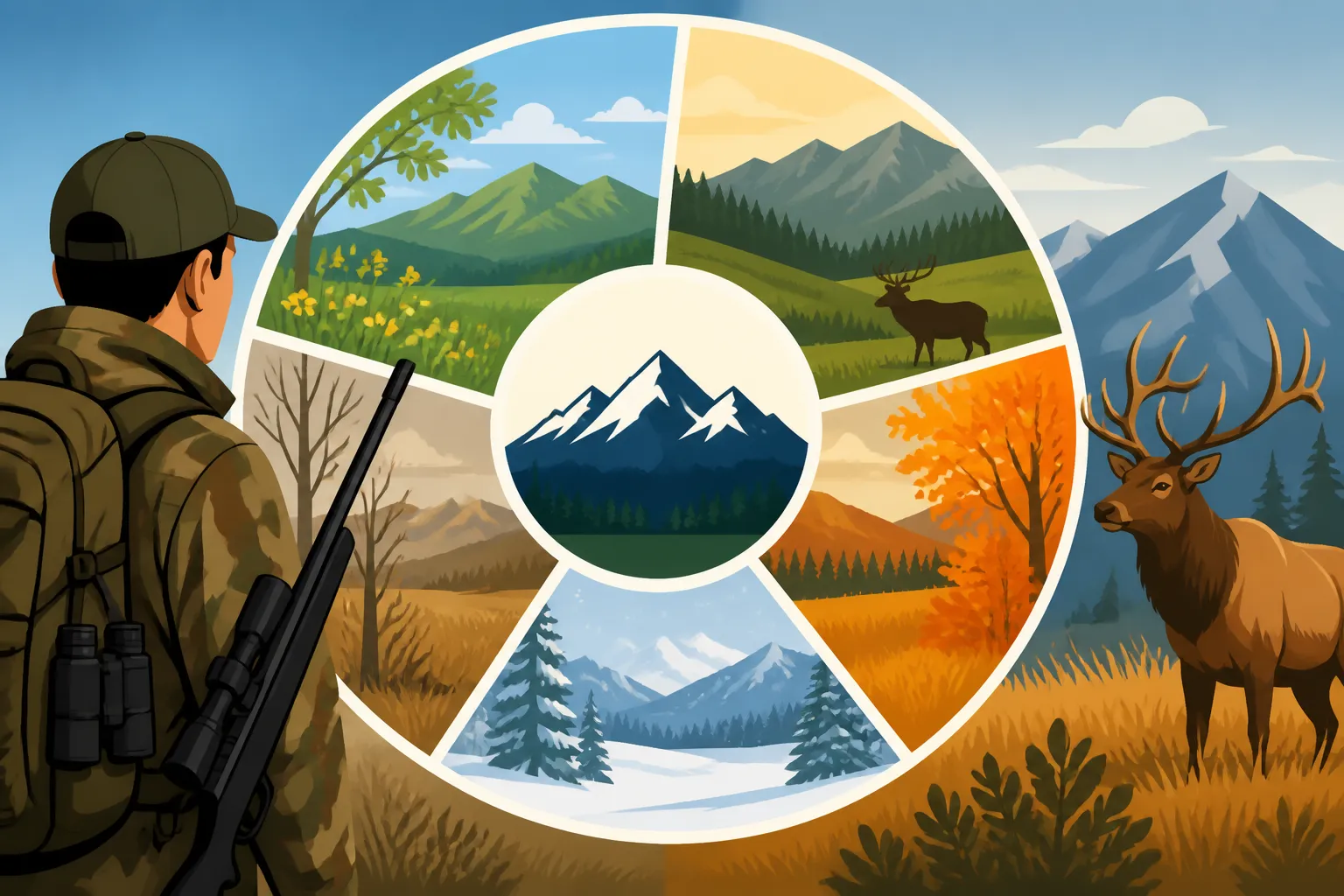
Colorado Parks and Wildlife (CPW) implements a five-year season structure for big game hunting, a system designed to provide hunters and wildlife managers with a degree of stability and predictability. Instead of annual, drastic overhauls, the framework sets out the general big game season dates and structures for multiple years in advance. This approach is a huge benefit because it allows CPW to manage herd health and habitats with a longer-term vision, while also giving hunters like us a more stable foundation for planning our prized trips.
Essentially, this structure outlines the general calendar for archery, muzzleloader, and rifle seasons for elk, deer, and other big game. Think of it as a broad stroke painting of the next five years, where the major season dates are largely set in stone, especially for the popular rifle seasons. This means you can often look ahead and have a pretty good idea of when the second rifle season, for example, will fall in 2026 or 2027. This foresight is critical for non-resident hunters who need to book travel, arrange time off work, and coordinate with hunting partners well in advance. Without it, we’d all be scrambling every single year, trying to decipher a completely new calendar. It helps manage expectations and makes the complex Colorado draw system a little less intimidating when you know the general framework isn't going to vanish overnight. When you're using tools like those offered by GoHunt to scout units and analyze draw odds, knowing the long-term season dates provides an invaluable constant.
Key Components and How They Affect Your Hunt
While the 5-year season structure provides a stable backbone, it's important to understand which elements are typically fixed and which still have room for minor adjustments. This nuance is where many hunters get tripped up, thinking "fixed" means absolutely nothing will ever change.
Fixed Season Dates and Their Implications
The most "fixed" elements within the 5-year plan are generally the rifle season dates. These are usually set to fall within specific calendar windows, typically starting on a particular Saturday and running for a set number of days. For instance, the first, second, third, and fourth rifle seasons for elk and deer will consistently open on certain dates, often relative to the second Saturday in October for the first season, and so on. This consistency is a massive relief for planning. If you've been building preference points for years, knowing when to expect the rifle seasons to occur can help you decide when to burn those points. This stability means you can confidently circle those dates on your calendar years out and start coordinating your schedule with your hunting buddies.
However, "fixed" doesn't mean immutable. While the structure of rifle seasons is fixed, things like specific unit regulations, herd objectives, or even minor date tweaks due to unforeseen circumstances (like extreme wildfire conditions, though rare) can still happen. The 5-year plan creates a strong baseline, but it's never a set-it-and-forget-it situation entirely. For example, if you're planning a trip around the peak of the Colorado rut, knowing when the 2nd rifle season is generally scheduled helps you align your expectations with the biological realities of elk behavior, even if the absolute peak varies slightly year-to-year.
Flexible Elements and Annual Adjustments
On the other hand, some elements of the season structure are more flexible or subject to annual review. Archery and muzzleloader season dates, while following a general pattern, can sometimes see slight shifts based on calendar alignment or specific wildlife management objectives for certain game management units (GMUs). These variations are usually minor but can sometimes impact hunters who are trying to hit a very specific window, such as the early archery season for bulls in velvet or the late muzzleloader season.
More importantly, the 5-year structure sets the framework, but the specifics of over-the-counter (OTC) versus draw tags, particularly for elk, are subject to ongoing analysis and can change more frequently. For example, in recent years, CPW has been evaluating the sustainability of certain OTC elk units, leading to discussions about potential future changes. While the broader season dates might be outlined, the availability of certain types of tags within those seasons can be adjusted based on herd data, hunter pressure, and habitat conditions. This is where staying informed through CPW announcements or platforms like GoHunt's tag research tools becomes vital. Even antler point restrictions, though part of broader management strategies, can sometimes be tweaked in specific units if CPW determines it's necessary for herd health or trophy potential. It's a dynamic system, and while the major season periods are stable, the fine print can evolve.
Navigating Changes and Planning Ahead
Even with a 5-year season structure in place, the world of big game hunting in Colorado isn't entirely static. Wildlife populations, habitat conditions, and hunter interest are always in flux, which means a certain degree of adaptability is always required from us as hunters.
Staying Informed About Potential Adjustments
The most critical step in navigating any potential changes is to stay consistently informed. The primary source for all official updates is the Colorado Parks and Wildlife (CPW) website. They release annual Big Game brochures that detail the current year's regulations, often with notes or previews of upcoming changes based on the 5-year plan. Subscribing to CPW newsletters or following their social media channels can also provide timely alerts.
Beyond official sources, many reputable hunting platforms and forums keep a close eye on CPW’s discussions and proposals. Resources like GoHunt, for instance, often provide in-depth analysis of proposed regulation changes, draw odds, and how the 5-year plan might impact specific units or tag types. They can help distill complex CPW jargon into actionable insights. It’s not just about knowing the season dates; it’s about understanding the why behind potential shifts in tag availability or unit restrictions, which might give you an edge in future draw applications or scouting efforts. Remember, proactive planning prevents last-minute panic. If you’re serious about your annual Colorado elk hunting, you'll want to be abreast of any discussions surrounding future OTC elk tags explained, for instance.
Strategizing Your Hunts with the Long-Term View
Understanding the 5-year plan allows for sophisticated long-term hunting strategies. If you’re a non-resident looking to hunt specific trophy units, you’ll likely need to accumulate preference points over several years. Knowing the fixed season dates helps you plan your point-building strategy, ensuring that when you finally draw that coveted tag, you already have your time off and travel arrangements mentally mapped out.
Consider this table for a general overview of fixed versus potentially variable elements:
| Element of Season Structure | Generally Fixed within 5-Year Plan | Potentially Variable/Adjustable Annually |
|---|---|---|
| Rifle Season Dates (Open/Close) | Yes, consistent calendar windows | No, very stable |
| Archery Season Dates (Open/Close) | Mostly, minor calendar shifts possible | Yes, slight shifts based on calendar alignment |
| Muzzleloader Season Dates | Mostly, minor calendar shifts possible | Yes, slight shifts based on calendar alignment |
| Overall Season Durations | Yes, e.g., 5 days for 1st Rifle | No, duration is stable |
| OTC Tag Availability | No, subject to herd objectives/pressure | Yes, ongoing evaluation for unit-specific availability |
| Draw Tag Quotas | No, set annually based on herd data | Yes, unit-specific quotas fluctuate |
| Antler Point Restrictions (APR) | Mostly, but can be adjusted in specific units | Yes, unit-specific changes possible |
| Unit Boundaries (GMUs) | Yes, very stable | No, typically only major boundary changes over longer periods |
| Hunting License Costs | No, subject to legislative review | Yes, can change with state budget cycles |
For those just starting out, knowing that seasons are predictable can help you choose a Colorado hunting season that aligns with your experience level and desired method, whether it's exploring Colorado Archery Elk Hunting Guide or diving into the Colorado Muzzleloader Hunting Guide. This structured approach helps reduce the anxiety of the unknown and lets you focus on the enjoyable aspects of scouting, preparation, and anticipation. Whether you're researching Colorado DIY Elk Hunting Guide options or mapping out specific areas on the Colorado Hunting Atlas explained, the 5-year structure gives you a dependable starting point. It’s a game-changer for serious hunters who appreciate the predictability, especially when planning multi-year endeavors like building preference points to hunt prime areas for Colorado mule deer hunting.
Disclaimer
Please remember that hunting regulations, season dates, and tag availability can change. While the Colorado 5-Year Season Structure provides a stable framework, it is always your responsibility to consult the most current Colorado Parks and Wildlife (CPW) regulations and brochures before planning and participating in any hunt. This guide is for informational purposes only and does not supersede official CPW publications.