Colorado Hybrid Draw Explained
Hunting in Colorado feels like a rite of passage for many, but the constantly evolving draw system can leave even seasoned hunters scratching their heads. Trying to understand how to secure a coveted elk or deer tag when the rules seem to change and preference points sometimes feel like a sunk cost is incredibly frustrating. This guide is here to demystify the Colorado Hybrid Draw, explaining exactly how it works, why it exists, and how you can navigate its complexities to boost your chances of drawing a tag.
Understanding the Colorado Hybrid Draw System
For years, Colorado operated on a pretty straightforward preference point system. The more points you had, the better your chances of drawing a desirable tag. Simple, right? Well, not exactly. What started as simple eventually led to what we call "point creep," where the number of points needed for certain tags grew steadily each year, making it feel impossible for new hunters or those with fewer points to ever catch up. The Colorado Parks and Wildlife (CPW) recognized this growing frustration, leading to the implementation of the hybrid draw system. This system is designed to strike a balance, still rewarding those who've built up points over time, while also throwing a bone to those who are just starting out or prefer to take a chance on a lower-point draw.
The Evolution of Colorado's Draw System
Before diving into the hybrid model, it’s helpful to understand where we came from. Imagine a system where if a unit required 10 points to draw an elk tag, and you had 9, you were guaranteed to not draw that tag. You had to wait another year, earn your 10th point, and hope the requirement hadn't jumped to 11. This created a scenario where some of the most sought-after units had point requirements so high that hunters were literally waiting decades for a chance. It meant that a lot of people, especially non-residents looking for a once-in-a-lifetime hunt, felt completely locked out. This wasn't sustainable for hunter recruitment or overall satisfaction.
Preference Points: Still a Cornerstone
Even with the "hybrid" element, preference points remain a significant part of the Colorado draw. For most limited-entry big game species like elk, mule deer, and pronghorn, preference points still act as a primary method of allocating tags. When you apply for a limited license, your preference points determine your ranking among other applicants. If you're applying for a specific unit and have accumulated enough points to meet or exceed the lowest point total that successfully drew a tag the previous year, you have a very good chance of drawing. However, the hybrid part means it's not the only factor anymore, especially for a portion of the tags available.
The Introduction of the Random Draw Element
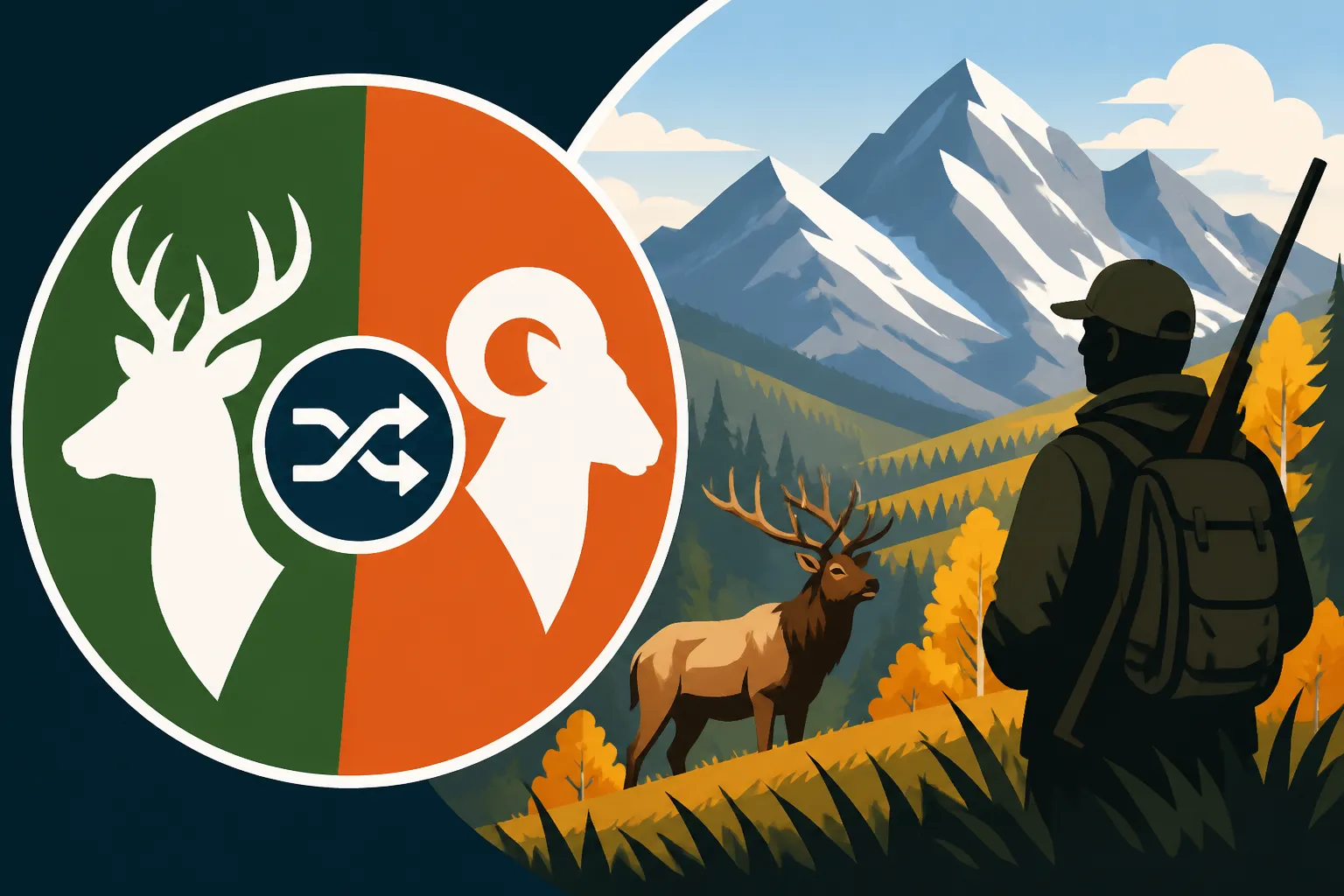
Here's where the "hybrid" truly comes into play. For many of those desirable limited-entry tags, a certain percentage of the available licenses are now set aside for a completely random drawing. This means that a portion of the tags are drawn purely by chance, regardless of how many preference points an applicant has. So, even if you have zero points, you technically have a shot at drawing one of these tags. This provides a glimmer of hope for new hunters or those who haven't accumulated a significant number of points, injecting an element of pure luck into the draw. It aims to offer some instant gratification, or at least the possibility of it, rather than just an endless waiting game.
Why Colorado Switched to a Hybrid Draw
The decision to move to a hybrid draw wasn't made lightly; it was a response to very real problems and frustrations within the hunting community. Hunters across the board, from residents to non-residents, and from new enthusiasts to seasoned veterans, were expressing concerns about the fairness and accessibility of the old system. The CPW listened to these concerns and enacted changes designed to create a more equitable and sustainable draw process for everyone hoping to hunt in Colorado.
Addressing Point Creep and Hunter Frustration
The most significant driver for the change was undoubtedly the issue of point creep. Imagine dedicating years, even decades, to building up preference points for a specific unit, only to see the point requirement for that unit climb higher and higher each year. It felt like chasing a moving target, and for many, it became incredibly disheartening. Hunters felt trapped, either forced to apply for tags they didn't truly want just to earn a point, or resigned to the idea that they might never hunt their dream unit. This long-term frustration was a major factor in CPW deciding a change was necessary to re-engage and satisfy the hunting public.
Balancing Opportunity for All Hunters
The hybrid draw is fundamentally about balancing opportunity. The old system, while predictable for high-point holders, effectively shut out many others. The new system attempts to provide a pathway for hunters at all point levels. It ensures that those who have diligently built points are still rewarded, often securing the majority of the tags. However, it also creates an entry point, albeit a smaller one, for those with fewer points to get a foot in the door. This means a rookie hunter, with zero preference points, can potentially draw a tag for a unit that traditionally required many, many points. This balance is crucial for encouraging new hunters and keeping the sport vibrant and accessible.
The Non-Resident Perspective and Tag Allocation
Non-residents often face additional hurdles when applying for Colorado tags, and the hybrid draw also impacts their strategy. Colorado has regulations that limit the percentage of certain limited-entry big game licenses that can be issued to non-residents, typically capping it at around 35%. This means that competition for non-resident tags is already fierce. The hybrid draw, by creating a random draw pool, potentially offers a slightly different avenue for non-residents who might not have accumulated as many points as long-time residents. However, it also means that the strategy for non-residents becomes even more critical, often requiring a deep dive into draw statistics and unit analyses. Websites like GoHunt provide valuable insights into these complex non-resident draw odds, helping hunters make informed decisions.
How the Hybrid Draw Actually Works
Understanding the "why" is one thing, but knowing the "how" is where the rubber meets the road. The mechanics of the Colorado Hybrid Draw can still be a bit murky, but breaking down the application process and how your points (or lack thereof) are factored in can make it much clearer. It's not a one-size-fits-all system, as different species and hunt codes may have slight variations, but the core principles remain consistent.
The Application Process and Requirements
First things first: before you even think about the draw, you need to ensure you meet Colorado's basic hunting requirements. This typically includes purchasing an annual hunting license and a Habitat Stamp. For those seeking limited-entry licenses, you’ll then apply for specific hunt codes during the primary draw period, usually in April. You can apply for up to four choices for your desired species, listing them in order of preference. During this application, you can also opt to apply for a preference point only if your primary goal is to build points for future years, rather than trying to draw a tag in the current year. This foundational step is crucial, and overlooking any detail can lead to a forfeited application. You can find detailed instructions on How to Apply for a Colorado Hunting License on the CPW website.
How Preference Points are Applied in the Hybrid System
When the draw takes place, the system doesn't just toss all applications into one big pot. Instead, it prioritizes based on points for a significant portion of the tags. For many limited-entry hunt codes, the majority of the available licenses (often around 75-80%) are allocated based strictly on preference points, starting with the highest point holders. If you have 15 points and a tag requires 14, you're in a very strong position to draw. This ensures that the time and effort invested in building points are still heavily weighted. You might want to refer to Colorado Preference Points Explained for a deeper dive into point mechanics.
The Random Pool: Who Gets In and How
After the preference point portion of the tags has been allocated, the remaining 20-25% of licenses for that hunt code are then shifted into a random draw pool. This is where the hybrid aspect truly shines for those with fewer points. Every applicant who applied for that specific hunt code and didn't draw in the preference point round – regardless of their point total, even those with zero points – is entered into this random draw pool. In this pool, everyone has an equal chance, making it truly a lottery. This mechanism provides a genuine opportunity for new hunters or those who haven't committed years to point building to still draw a highly desirable tag, which was nearly impossible under the old pure preference point system.
Understanding Weighted Points and Group Applications
Some specific species in Colorado, like moose, bighorn sheep, and mountain goats, utilize a "weighted preference point" system. Here, for every point you have, your name is entered into the draw an additional time, theoretically increasing your odds. This isn't the same as the hybrid system for elk or deer, but it’s another variation to be aware of.
Group applications also play a role. If you apply as a group, your application will be processed using the lowest preference point total among all members of your group. For example, if one person has 10 points and another has 5, the application will be considered with 5 points. This is important to remember when forming hunting parties, as it can significantly impact your draw odds. Make sure everyone in your group understands this dynamic before submitting a joint application.
Navigating the Hybrid Draw for Different Species
The Colorado Hybrid Draw impacts various big game species differently, largely due to demand, population numbers, and whether over-the-counter (OTC) options exist. Understanding these nuances is key to crafting a successful application strategy, whether you're chasing a bull elk or a plains pronghorn.
Elk Tags: OTC vs. Draw in the Hybrid System
Elk hunting is arguably the most popular big game pursuit in Colorado, and the hybrid draw has a significant impact here. While many coveted limited-entry bull elk tags fall under the hybrid system, Colorado is also famous for its robust over-the-counter (OTC) elk options. Archery elk tags, and tags for the second and third rifle seasons in many Game Management Units (GMUs), are available OTC. This means you don't need to apply through the draw at all – you can simply purchase the tag. However, these OTC units often see higher hunter pressure and can be more challenging. For those pursuing a specific, high-quality bull tag in a limited-entry unit, the hybrid draw comes into play. You might have 10 points for a specific unit, greatly increasing your odds for the preference point portion of the draw, but even someone with 0 points has a chance in the random pool. It's a dual strategy: apply for a dream tag, but always have an OTC unit as a solid backup. Learn more about your options with Colorado OTC Elk Tags Explained.
Mule Deer and Pronghorn Strategies
For mule deer and pronghorn, many of the prime units are typically draw-only and can require a substantial number of preference points. The hybrid draw offers a slight twist here. While high point totals still dominate the allocation for top-tier mule deer and pronghorn tags, the random draw component gives a slim chance to those with fewer points. This means it might be worth applying for a highly desired unit, even if you don't have many points, just for that lottery ticket opportunity in the random pool. However, for a more reliable draw, building up points for these species is often a long-term play. Platforms like GoHunt are excellent for analyzing past draw odds, showing exactly how many points were needed and what the random draw success rates were for various mule deer and pronghorn units.
Applying with Few or No Points
If you're new to Colorado hunting, or simply haven't focused on building points, don't despair! The hybrid draw was specifically designed to give you a fighting chance. Your best bet is to carefully research units that have a higher percentage of tags allocated to the random draw, or units that have a lower overall demand. While the odds might still be long for truly prime units, applying for a few such units in your preferred order gives you a legitimate shot. Remember, even one tag in the random draw pool is a chance you wouldn't have had under the old system. Alternatively, consider starting by hunting OTC elk seasons to gain experience while simultaneously applying for a preference point only each year for a species like mule deer. This builds your points without the pressure of drawing a tag immediately. You can check out Colorado Elk Hunting for Beginners for more entry-level advice.
Using Data and Tools for Strategic Planning
With the added complexity of the hybrid draw, leveraging data and strategic tools has become more important than ever. CPW provides annual draw recap reports that detail how many points were needed for each hunt code and how many tags were allocated in the random draw. For many hunters, however, making sense of this raw data can be overwhelming. This is where dedicated hunting analysis platforms come in. Tools like GoHunt Insider are invaluable, aggregating this data and presenting it in user-friendly formats, complete with draw odds calculators and unit breakdown analyses. Using such resources can help you identify trends, understand the true cost in points, and strategically choose hunt codes that align with your point total and risk tolerance. It’s an essential part of the modern Colorado hunter’s toolkit.
Maximizing Your Odds in the Colorado Hybrid Draw
Given the hybrid system's blend of preference points and random chance, a smart strategy is crucial. It’s no longer just about accumulating the most points; it’s about understanding where and how to apply to best utilize the system to your advantage.
Strategic Point Building
For those looking to eventually draw a top-tier tag, strategic point building is still paramount. If you don't plan on hunting this year, or if you consistently strike out on your dream units, applying for a preference point only is a wise move. This ensures you continue to accumulate points without using them up on a tag you might not want. For elk, many hunters will alternate between hunting OTC seasons and applying for points in limited-entry units. For species like mule deer or pronghorn, where OTC options are rarer, applying for points consistently is often the only path to a desirable tag. Planning for the long game means understanding how many points you need for a target unit and diligently accruing them year after year.
Researching Hunt Codes and Draw Odds
This cannot be stressed enough: do your homework! Before applying, thoroughly research the draw statistics for the specific hunt codes you're interested in. Look at how many points were required in previous years for the preference point portion of the draw, and critically, look at the success rate for the random draw portion. Some units might have a very low random draw success rate, but it's still a non-zero chance.
Here’s a table showing a hypothetical comparison of draw results, illustrating how the hybrid system works:
| Hunt Code | Species | Tags Offered | Points Required (Preference) | Non-Residents (Preference) | Random Draw Success (All Applicants) |
|---|---|---|---|---|---|
| ELK-E-001 | Bull Elk | 100 | 10 (avg.) | 12 (avg.) | 3% |
| ELK-E-002 | Bull Elk | 150 | 5 (avg.) | 7 (avg.) | 7% |
| MD-M-003 | Mule Deer | 50 | 8 (avg.) | 10 (avg.) | 2% |
| PR-M-004 | Pronghorn | 75 | 3 (avg.) | 5 (avg.) | 5% |
Note: These are hypothetical numbers for illustrative purposes and do not reflect actual draw odds.
As you can see, even if you don't have the points for the preference draw, there's a chance in the random pool. Platforms like GoHunt are indispensable for hunters; they compile this kind of detailed data, offering visual representations and tools to help you analyze your specific odds based on your point totals and chosen hunt codes. Understanding Colorado Draw Odds by Unit is crucial for making informed choices.
Choosing Your Application Strategy
Your application strategy should be tailored to your goals. Are you focused on a trophy hunt in a specific, high-demand unit, even if it means years of waiting? Then focus on building points and taking your shot when the numbers align. Are you more interested in just getting out and hunting elk every year? Then prioritize OTC options and perhaps apply for a random draw tag as a long shot. Do you have some points but want to hunt sooner rather than later? Target units that might be slightly below the highest demand but still offer quality opportunities, where your points will be competitive. It's a dynamic decision-making process that often changes year to year based on your available points and current draw odds. For those planning a bigger adventure, consider looking into Colorado Backcountry Hunting Guide for some challenging but rewarding options.
The Importance of a Backup Plan
No matter how well you plan, the draw is still just that – a draw. There's no guarantee you'll get your first, second, or even third choice. This is why having a solid backup plan is absolutely essential. For elk hunters, this often means knowing which units offer over-the-counter tags for archery or later rifle seasons. For other species, it might involve looking at Colorado Leftover Tags Explained, which become available after the primary and secondary draws, or considering hunts in different units or even different states. Don't put all your eggs in one basket. Mentally preparing for not drawing your desired tag and having a viable alternative will prevent disappointment and ensure you still get to experience the Colorado wilderness.
Disclaimer
Please remember that hunting regulations, season dates, and draw specifics in Colorado can change. Always consult the official Colorado Parks and Wildlife (CPW) website and their most current Big Game Hunting Brochure for the definitive and most up-to-date information before planning your hunt or submitting any applications. This guide is intended for informational purposes only.