Colorado Antlerless Deer Tags Explained
You've decided to tackle deer hunting in Colorado, and you're already hitting a snag: understanding the difference between all the various tags, especially those elusive antlerless deer tags. It can feel like deciphering a secret code, leaving many hunters scratching their heads, wondering if they're even applying for the right thing or missing out on opportunities. This comprehensive guide is here to untangle the complexities of Colorado antlerless deer tags, breaking down what they are, why they matter, and how you can successfully secure one for your next hunting adventure.
Understanding Colorado Antlerless Deer Tags
When you start looking at Colorado's deer hunting regulations, the term "antlerless" might jump out at you, and if you're new to the Western hunting scene, it can be a bit confusing. It's not just about harvesting any deer; it's about being strategic and understanding your role in wildlife management.
What Exactly is an Antlerless Deer Tag?
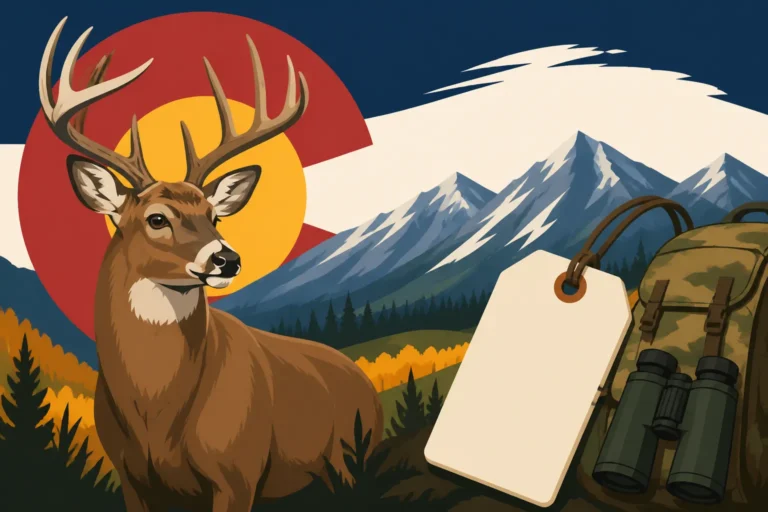
Simply put, an antlerless deer tag authorizes you to harvest a female deer (doe) or a fawn of either sex. In Colorado, deer fawns typically don't have antlers, which is why they fall under the "antlerless" classification. This is distinct from an "either-sex" tag, which allows you to harvest either a buck with antlers of a certain minimum size or an antlerless deer. It’s also different from an "antlered" tag, which is exclusively for bucks meeting specific antler point restrictions.
The Colorado Parks and Wildlife (CPW) uses these specific tag types as a primary tool for managing deer populations across various Game Management Units (GMUs). Each tag type, and the number of tags issued, is carefully determined to achieve specific population goals, herd health, and buck-to-doe ratios in particular areas. So, when you hold an antlerless tag, you're not just going hunting; you're participating directly in a science-backed management strategy designed to keep Colorado's deer herds thriving and balanced. For more insights into the broader regulatory landscape, you might want to read our guide on Colorado Hunting Seasons Explained.
Why Hunt Antlerless Deer?
There are a multitude of compelling reasons why an antlerless deer tag might be exactly what you need for your Colorado hunt. For many, it's about putting high-quality, organic meat on the table. Does often provide excellent meat, especially earlier in the season before the rut, when bucks can sometimes be less palatable due to their intense activity and hormonal changes. A successful antlerless hunt can fill your freezer and provide sustenance for your family throughout the year.
Beyond the dinner plate, antlerless tags offer incredible opportunities for new hunters, youth hunters, or those simply looking to gain more hunting experience without the added pressure of pursuing a trophy buck. The focus shifts from antler size to honing your stalking skills, improving your shot placement, and learning animal behavior. It's a fantastic way to develop foundational hunting skills in a more forgiving environment, as doe tags are often more numerous and easier to draw in many units compared to highly coveted buck tags.
The Role of Antlerless Tags in Herd Management
The issuance of antlerless tags is a cornerstone of responsible wildlife management in Colorado. Deer herds, particularly mule deer, can sometimes grow beyond the carrying capacity of their habitat in certain GMUs. When this happens, resources become stretched, leading to poorer body condition for the deer, increased disease susceptibility, and potential damage to vegetation. By issuing antlerless tags, CPW actively manages the overall population size, especially the female segment, which directly impacts the reproductive rate of the herd.
This management strategy helps maintain healthy buck-to-doe ratios, which are vital for a sustainable and robust deer population. An unbalanced ratio can lead to issues like fewer mature bucks or decreased overall herd health. Furthermore, in areas with agricultural damage or high deer-vehicle collision rates, antlerless tags can be instrumental in reducing localized populations, providing a practical solution to human-wildlife conflicts. Understanding this bigger picture adds significant meaning to carrying an antlerless tag; you're not just a hunter, you're a steward of the land and its wildlife.
Navigating the Draw System for Antlerless Tags
The Colorado draw system can be a beast to understand, especially when you're trying to figure out how to get your hands on specific tags like antlerless deer. It's a process that demands attention to detail, a bit of research, and sometimes, a whole lot of patience.
Preference Points and Draw Odds for Antlerless Deer
Unlike some of the highly sought-after buck tags that can require many years, even decades, of accumulating preference points, many antlerless deer tags are much easier to draw. In fact, you'll often find a good number of antlerless tags available in the primary draw for 0 preference points, particularly in GMUs with healthy or over-target deer populations. This is fantastic news for hunters who are just starting out or those who prioritize meat hunting and want a more predictable tag.
However, "easy to draw" doesn't mean "guaranteed." Even for antlerless tags, the demand can fluctuate, and some units might require a point or two, especially if they are known for quality habitat or public land access. Utilizing resources like the CPW's annual Draw Recap reports or third-party platforms like GoHunt can give you crucial insights into past draw odds and point requirements for specific GMUs and seasons. This is how savvy hunters make informed decisions, increasing their chances of success. Our detailed guide on How Colorado Preference Points Work offers a deeper dive into the mechanics of the system.
Applying for Antlerless Tags: Step-by-Step
The application process for antlerless tags generally follows the same procedure as any other big game draw in Colorado. Here’s a simplified breakdown:
- Obtain a Qualifying License: Before you can even apply for a big game tag, you need to purchase a qualifying license. For deer, this typically means a small game license, fishing license, or a Colorado Habitat Stamp. Make sure you get this done well before the application deadline, which is usually in early April.
- Research Hunt Codes: This is where your homework comes in. Colorado uses specific hunt codes (e.g., D-M-007-O1-A) to identify the species (D for deer), sex (M for male, F for female/antlerless, E for either-sex), GMU, season, and weapon type. You’ll need to find the specific hunt code for the antlerless deer tag you want to apply for in your chosen GMU and season. CPW's annual Big Game Brochure is your bible for this.
- Submit Your Application Online: Head to the CPW website during the application period. You'll enter your personal information, qualifying license number, and the hunt codes for your 1st, 2nd, 3rd, and 4th choices. While many antlerless tags are 0-point, it's always wise to have backup choices, including units that might be very easy to draw, even if they're not your top pick.
- Confirm and Pay: Double-check all your selections before confirming. You'll be charged a small application fee, and your card will be authorized for the full tag amount, though you'll only be charged if you draw. Don't miss the deadline!
It’s a good idea to create an account on the CPW website well in advance and familiarize yourself with the interface. When you're dealing with the complexity of Colorado's system, every bit of preparation helps. You can also learn more about the specifics of Colorado Big Game Draw Deadlines to ensure you don't miss crucial dates.
Understanding Leftover and Reissued Antlerless Tags
Didn't draw your first choice? Don't despair! Colorado often has a healthy supply of "leftover" antlerless deer tags that become available after the main draw. These are tags that weren't picked up in the primary or secondary draws. The availability of these tags is typically announced in July or August, and they are sold on a first-come, first-served basis online and at licensed vendors.
Leftover tags can be a fantastic opportunity, especially for non-residents or hunters without many preference points. While the "trophy" units might be gone, there are usually plenty of units with good populations where you can still secure an antlerless tag. Additionally, "reissued" tags sometimes become available throughout the season if drawn tags are turned back in by hunters who can no longer make their hunt. Keeping an eye on the CPW website for these opportunities, especially if you're flexible with your hunting dates and locations, can pay off big time. Many hunters find success by diligently checking for these later opportunities, detailed further in our article on Colorado Leftover Tags Explained.
Key Considerations for Antlerless Deer Hunting
Having an antlerless tag is just the first step. To make your hunt successful, you need to think strategically about where you'll go, how you'll hunt, and what rules you absolutely must follow. Colorado's diverse landscapes mean that techniques for deer hunting can vary wildly from one region to another.
Choosing the Right GMU for Antlerless Deer
Selecting the perfect GMU for your antlerless deer hunt involves a bit of homework and self-reflection. Are you looking for a backcountry adventure, or do you prefer easier access? What kind of terrain are you comfortable navigating? Are you willing to travel to less-pressured areas, or do you need a unit closer to amenities?
Start by consulting the Colorado Big Game Brochure and the Colorado Hunting Atlas. Look for GMUs with high deer populations and a good percentage of public land, especially if you're planning a DIY hunt. Tools like GoHunt can be invaluable here, allowing you to filter GMUs by public land access, success rates, and even historical draw odds for antlerless tags. Units in regions like the White River National Forest or parts of the Gunnison Basin often hold robust deer populations and offer ample public access, making them popular choices for antlerless opportunities. Remember, sometimes the best units aren't the ones everyone talks about for trophy bucks, but rather those with consistent deer numbers that are easily accessible for a meat hunt.
Hunting Strategies for Antlerless Deer
While the ultimate goal of harvesting an antlerless deer might seem straightforward, the strategies employed can be incredibly varied and nuanced. Often, the best approach is still-hunting through timbered areas or along transition zones where deer move between bedding and feeding areas. Does tend to be less solitary than mature bucks, often moving in small groups or with fawns, which can make them slightly easier to locate once you find their general area.
Glassing large basins or open slopes during early morning and late evening can be highly effective, especially in more open, high-country terrain. Using high-quality optics to scan for movement, or even just patches of deer-colored hide, from a vantage point is a classic Western hunting technique. Don't underestimate the power of simply covering ground quietly, paying attention to fresh tracks, droppings, and browse. Since you're not targeting a specific large buck, any sign of deer activity is good sign. For those venturing into the mountains, our guide on How to Hunt Elk at High Elevation provides valuable tips that are often transferable to deer hunting in similar terrain.
Ethical Considerations and Regulations
Adhering to ethical hunting practices and understanding all regulations is paramount. Always be sure of your target and what's beyond it. With antlerless tags, you must be absolutely certain that the deer you're targeting is indeed antlerless. This means waiting for a clear shot, identifying the animal properly, and not making assumptions. If you're unsure, let it walk.
Regulations can vary significantly by GMU and season, covering aspects like legal shooting hours, weapon restrictions (archery, muzzleloader, rifle), and specific unit boundaries. Always carry your tag and necessary licenses, and be prepared to validate your harvest according to CPW requirements, which often involve checking stations or online reporting. For an overall understanding of game species and their regulations, check out our Colorado Big Game Species Guide. It's also critical to review Colorado Antler Point Restrictions Explained if you ever consider going for an antlered deer.
Maximizing Your Success with Antlerless Tags
So you've drawn your antlerless tag, researched your unit, and you're ready to hit the field. Now, let's talk about how to really dial in your approach to ensure a successful and rewarding hunt. It's about combining preparation with smart field tactics.
Scouting and E-Scouting for Antlerless Opportunities
Effective scouting is non-negotiable, whether you're chasing a trophy bull or an antlerless deer. For antlerless deer, the focus shifts slightly from identifying bedding areas of specific mature animals to finding general areas of high deer density and consistent movement patterns. Does and fawns will often stick to areas with abundant food and water sources, as well as decent cover for security.
E-scouting is a powerful modern tool. Platforms like GoHunt offer detailed mapping layers, including public/private land boundaries, topographical features, water sources, and historical wildfire data. You can identify potential feeding areas (like aspen groves or clear-cuts), bedding areas (dense timber on north-facing slopes), and travel corridors (saddles, benches, and creek bottoms) all from your computer. Once you've identified promising areas, if possible, conduct a pre-season boots-on-the-ground scout. Look for fresh tracks, droppings, rubs, and active browsing. Even game trails can tell you a lot about deer movement. Understanding How to E-Scout Before a Colorado Hunt will significantly boost your confidence before you even step foot in the woods.
Gear Essentials for Antlerless Deer Hunting
While you might not need the specialized gear for an extreme backcountry trophy hunt, certain essentials are crucial for any Colorado deer hunt.
- Optics: A good pair of binoculars (10×42 is a versatile choice) and a spotting scope (if hunting wide-open country) are vital for locating deer at a distance. Don't forget a rangefinder for ethical shot placement.
- Layered Clothing System: Colorado weather is notoriously unpredictable. Dress in layers to adapt to rapidly changing temperatures and conditions, from warm afternoons to freezing mornings. Merino wool base layers are always a smart choice.
- Backpack: A comfortable day pack or a slightly larger pack for multi-day hunts is essential to carry water, food, extra layers, first-aid, and crucially, to pack out meat.
- Navigation: A reliable GPS device or a smartphone with a robust hunting app (like OnX Hunt or BaseMap) is critical for staying found and understanding property boundaries. Always carry a physical map and compass as a backup.
- Field Dressing Kit: Sharp knives, game bags, and gloves are non-negotiable for quickly and cleanly processing your harvest.
- Footwear: Sturdy, broken-in hunting boots appropriate for the terrain you'll be covering are paramount. Whether you prefer lightweight hikers or heavy-duty mountaineering boots, make sure they fit well. Our guide on Best Boots for Colorado Elk Hunting offers insights applicable to deer hunting as well.
Post-Harvest: Field Care and Regulations
Congratulations, you've harvested an antlerless deer! Now the real work begins. Proper field care is essential to ensure your venison is high quality. Immediately after the shot, focus on safely approaching the animal, confirming it's expired, and then begin the field dressing process. This involves gutting the animal to allow the carcass to cool as quickly as possible. In warm weather, speed is even more critical to prevent spoilage.
If you're deep in the backcountry, you'll need to quarter the animal to pack it out efficiently. Our guide on How to Quarter an Elk in the Field provides detailed steps that are easily adaptable for deer. Once quartered, place the meat in breathable game bags, keep it as clean as possible, and get it cooled down. Never stack warm meat directly on top of itself. Once back at camp or your vehicle, transport it promptly to a meat processor or begin your own butchering process. Always remember to validate your tag as per CPW regulations and report your harvest within the specified timeframe.
Disclaimer
Please remember that hunting regulations, season dates, and tag availability in Colorado can change. Always consult the most current Colorado Parks and Wildlife (CPW) Big Game Hunting Brochure and their official website before planning any hunt. This guide is for informational purposes only and should not replace official CPW resources.