How Many Preference Points for Colorado Elk
The world of Colorado elk hunting can feel incredibly intimidating, especially when you first dive into the preference point system. Many of us stare at those draw statistics, scratching our heads, wondering exactly how many points we'll need to even sniff a decent tag. It's a common frustration, feeling like you're trying to crack a secret code just to plan a hunt. This comprehensive guide is here to untangle that complexity, giving you a clear, realistic picture of Colorado elk preference point requirements so you can strategize your next move with confidence.
Demystifying Colorado's Preference Point System for Elk
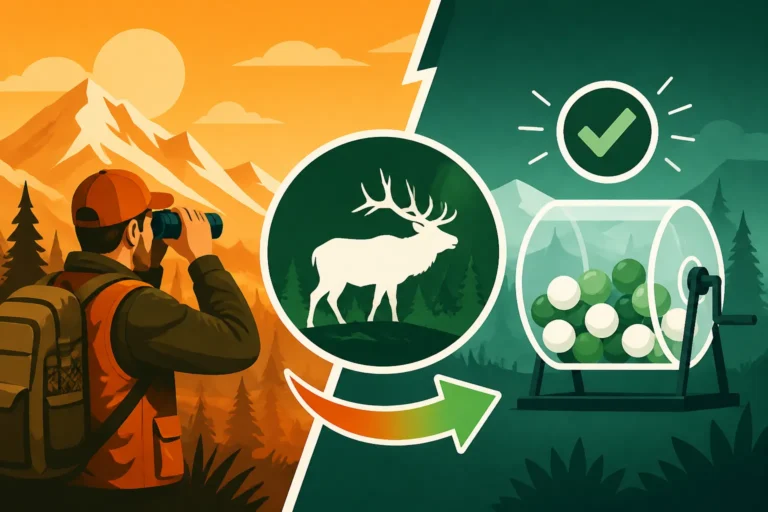
Colorado's preference point system is designed to reward hunters who consistently apply for limited draw tags but aren't successful. Think of it as a loyalty program: the more times you apply and don't draw your first choice, the more points you accumulate, which in turn gives you a better chance in future draws. It's a crucial distinction from a "bonus point" system, where points simply add your name to the hat multiple times, but the draw itself is still essentially random each year. With preference points, the person with the most points for a given tag will draw that tag before someone with fewer points, given enough tags are available at their point level.
You earn one preference point each year if your first choice unit/season code for a limited draw tag is unsuccessful. Alternatively, you can opt to apply for a "point only" during the application period. This is a savvy move for many hunters who might not be able to hunt that particular year, or who are intentionally building points for a highly coveted, future hunt. By applying for just a point, you avoid tying up a tag fee but still gain a valuable preference point, steadily increasing your standing for those dream units. It’s a commitment, requiring a small fee and annual attention, but it pays off in the long run. To really dig into the mechanics, you might want to read our full guide on the Colorado Draw System and Preference Points.
Why do preference points matter so profoundly for elk in Colorado? Simply put, many of the most desirable elk hunting opportunities, especially for bull elk in less-pressured areas, are allocated through a limited draw. While Colorado famously offers over-the-counter (OTC) elk tags for specific seasons and units, these often come with higher hunter density and can be physically demanding. If you’re eyeing a specific unit known for its trophy potential, or a rifle season hunt in an area with lower pressure, you’re almost certainly looking at a limited draw tag, and that means preference points. Understanding how Colorado Preference Points Explained can really shift your hunting strategy from hopeful to methodical.
Real-World Preference Point Requirements for Colorado Elk Tags
Let's cut to the chase: there isn't a single, straightforward answer to "How many preference points for Colorado elk?" It's not like ordering a coffee where you know exactly what you'll get. The number of points required fluctuates wildly based on several critical factors: the specific game management unit (GMU) you're applying for, whether you're chasing a bull or a cow, your chosen weapon (archery, muzzleloader, or rifle), and whether you're a resident or non-resident. Trophy units, for instance, typically demand significantly more points than general harvest units, and non-residents almost always need more points than residents for the same tag.
To get a true picture of current point requirements, you need to dive into the data. Colorado Parks and Wildlife (CPW) publishes annual draw statistics that show the minimum and maximum points drawn for each hunt code. This data is invaluable, but it’s historical. For a more predictive analysis and user-friendly interface, many hunters turn to research platforms like GoHunt. GoHunt's Insider service, for example, crunches these numbers, offering insights into draw odds and point trends, helping you visualize what it takes to draw a specific tag. It’s about looking at what successful applicants actually had, not just what the minimum was, to gauge the true competitiveness of a tag. This kind of research is essential to avoid the dreaded "point creep," where point requirements gradually increase year after year, leaving you perpetually a few points short.
Let's look at some real-world point ranges to give you a tangible idea. Keep in mind these are broad estimates and can change annually. For a deep dive into specific unit odds, our guide on Colorado Elk Draw Odds by Unit is a must-read.
| Tag Type (Weapon, Sex) | Typical Preference Points Needed (Range) | GMU Characteristics (General) | Notes |
|---|---|---|---|
| Trophy Bull (Rifle/Muzzleloader) | 15-25+ | Highly managed, low-pressure, large elk | Very competitive, especially for non-residents. Long-term strategy. |
| Quality Bull (Rifle) | 8-14 | Good access, consistent harvest | Mid-tier units, often offer good hunting if you have patience. |
| General Bull (Archery/Muzzleloader) | 3-7 | More physically demanding, specific areas | Often a faster path to a limited bull tag, requires specific skills. |
| Cow Elk (Any Weapon) | 0-3 (sometimes OTC) | Management tags, accessible areas | Excellent for meat hunters, can often be drawn quickly. |
| Over-the-Counter (OTC) Bull (Archery/2nd/3rd Rifle) | 0 | High pressure, physically demanding | No points needed, but require different strategies due to crowds. |
As you can see from the table, the range is vast. A non-resident aiming for a trophy bull in a unit like GMU 2 or GMU 10 might be looking at a multi-decade commitment, accumulating 20+ points, whereas a resident might draw a solid archery bull tag with 5-7 points. For cow elk, many units offer tags for 0-3 points, and some rifle seasons even have over-the-counter options for antlerless animals. This highlights why understanding How Many Points for a Colorado Elk Tag is not just about a number, but about your personal hunting goals and timeline.
Strategic Approaches to Building and Utilizing Your Points
When it comes to preference points in Colorado, a "set it and forget it" mentality won't serve you well. A smart strategy often involves playing the long game. Even if you can't commit to a hunt every year, consistently applying for a preference point ensures you're always improving your odds for that dream tag. It's like a savings account for your future hunting adventures. Many seasoned hunters will purchase a preference point annually, sometimes for decades, specifically to accumulate enough to eventually draw a truly premier, limited-entry bull elk tag. This commitment is the backbone of securing some of Colorado's best hunting opportunities. You can learn more about this by exploring How to Build Preference Points in Colorado.
Another crucial aspect of your strategy is balancing immediate hunting desires with long-term goals. You don't have to sit out every year while building points. Many hunters choose to participate in Colorado's robust Over-the-Counter (OTC) Elk Tags Explained opportunities for a few years, allowing them to gain valuable experience in the field while steadily banking preference points for a more exclusive draw unit. Or, you might target units that require fewer points (say, 2-5 points) for a good, but not necessarily "trophy," hunt, burning those points to get into the field, then restarting your point accumulation. Tools like GoHunt are fantastic for analyzing different scenarios, showing you units that might be within reach with your current point total or just a few more years of patience. They can project future point needs, helping you make informed decisions about When to Burn Colorado Preference Points.
It's absolutely vital to research draw odds and point requirements annually. The draw landscape is dynamic; it's affected by changes in tag quotas, hunter demand, and point creep. A unit that required 8 points last year might demand 10 this year, or perhaps even drop slightly if tag allocations increase or demand shifts. Staying informed ensures your strategy remains relevant. For instance, the Colorado Primary Draw Timeline is a critical period where all applications are submitted, and understanding the nuances of how these applications are processed can impact your point strategy. Consider applying as a group if you hunt with partners, but be aware that group applications are awarded based on the lowest preference point total among all applicants in the group. This ensures fairness but means everyone needs to be on the same page regarding point accumulation.
Navigating the Colorado Draw: Tips for Success
Beyond just understanding preference points, truly navigating the Colorado draw system effectively requires attention to detail. First and foremost, you must thoroughly understand Colorado Hunt Codes Explained. Each hunt code is a specific combination of species, sex, game management unit (GMU), and season (e.g., EL050O1R – Elk, Bull, GMU 50, first rifle season). A single mistake in entering this code can lead to your application being rejected or, worse, drawing a tag you didn't intend to pursue, potentially wasting years of accumulated points. Always double-check your chosen codes against the current year's regulations.
Flexibility is another key ingredient for success. While it's great to have a dream unit in mind, getting fixated on one specific unit or season can lead to years of disappointment if the point requirements remain out of reach. Be open to adjusting your target unit or even your weapon choice. Sometimes, an archery or muzzleloader tag in a particular unit might require significantly fewer points than a rifle tag for the same unit, offering a quicker path to a quality hunt. Leveraging platforms like GoHunt allows you to compare various hunt codes and their associated draw odds side-by-side, helping you find those sweet spots where opportunity meets your point total.
Don't overlook the power of "second choice" or "third choice" applications, especially for cow elk tags. While preference points are only considered for your first choice, many cow tags, and sometimes even less popular bull tags, can be drawn with zero or very few points as a second or third choice. This allows you to still get into the field and hunt while continuing to build points for that premier first-choice bull tag you're truly aiming for. This strategy is particularly effective for those who primarily seek meat for the freezer but still want to improve their chances for a trophy bull down the line.
Finally, and this is a common pitfall for new applicants, remember the qualifying license requirement. To apply for a preference point or any big game tag in Colorado, you must first purchase a valid Colorado hunting license. This isn't just about the big game tag; even if you're only applying for a point, you need this foundational license. For non-residents, this means purchasing a small game or fishing license to make you eligible for the big game draw, which adds to the overall cost but is absolutely non-negotiable. Knowing How to Apply for a Colorado Hunting License and understanding the Colorado Qualifying License Requirement are fundamental steps to ensure your hard-earned points aren't squandered by an administrative oversight. Always confirm the Colorado Elk Season Dates Guide before finalizing your application.
Disclaimer
Please be aware that hunting regulations, season dates, and preference point requirements in Colorado are subject to change annually by Colorado Parks and Wildlife (CPW). The information provided in this guide is for general informational purposes only and should not be considered legal advice. Always consult the most current official CPW Big Game Brochure and regulations before applying for any licenses or planning your hunt.