How to Hunt Colorado with Horses
The vast, rugged landscapes of Colorado can feel insurmountable when you're planning an elk hunt. Covering serious ground, getting deep into the backcountry, and then, if you're lucky, packing out a ton of meat can exhaust even the most seasoned hunter. This guide will walk you through the ins and outs of how to hunt Colorado with horses, offering a realistic look at how these incredible animals can transform your elk hunting experience, from preparation to packing out.
Why Consider Hunting with Horses in Colorado
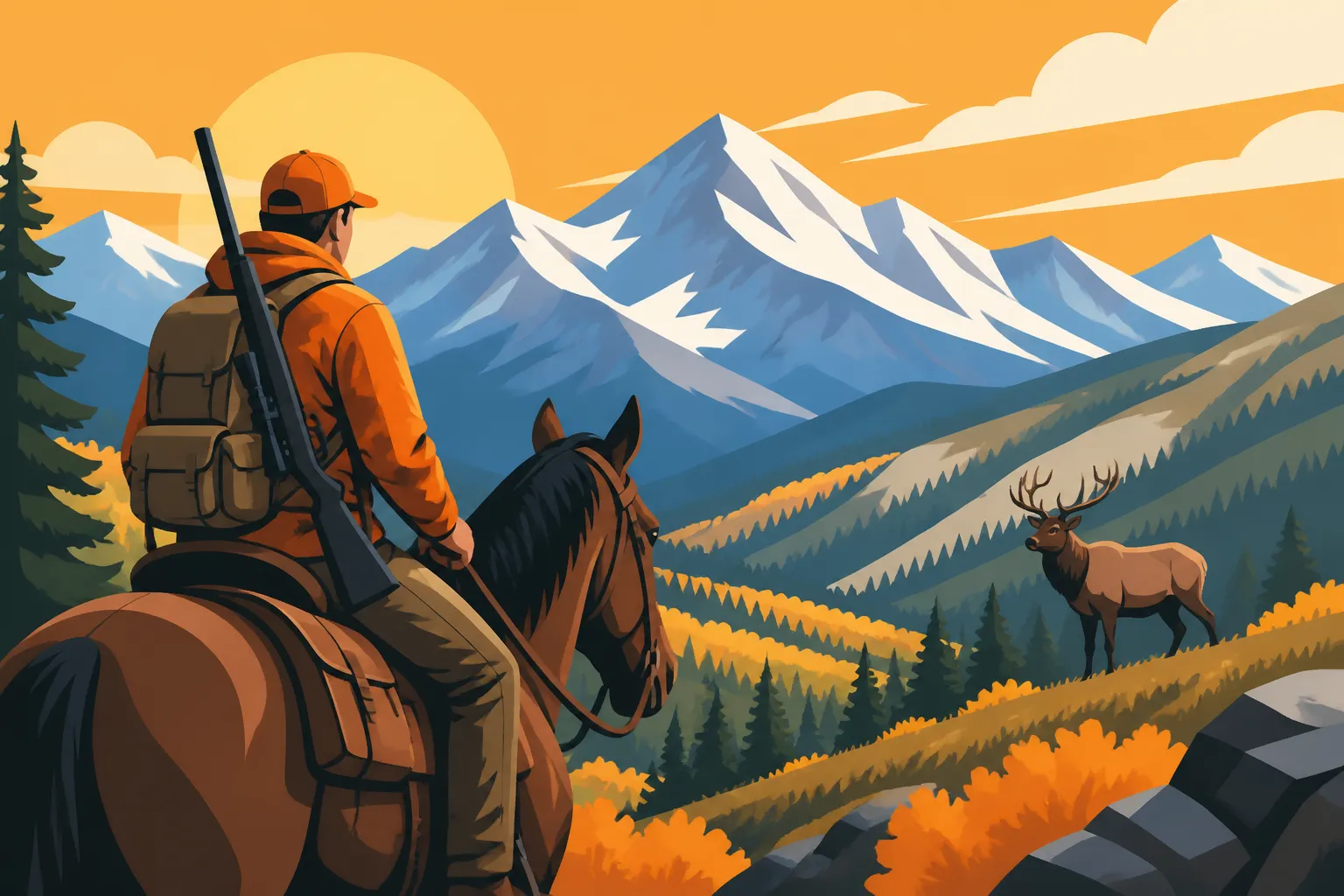
For many, the idea of a horseback hunt conjures images of old Westerns, but for hunting in Colorado, it's a deeply practical method that offers unique advantages and challenges. The sheer scale of public land, from the expansive White River National Forest to the rugged San Juan Mountains, often means elk are miles from the nearest road, tucked away in areas few hunters on foot can consistently reach.
Accessing Remote Terrain and Covering More Ground
One of the most compelling reasons to use horses in Colorado is their ability to access remote, roadless areas that are often miles from trailheads. While you might be able to hike deep, horses allow you to do so with significantly less effort and in less time. This means you can get further away from the pressure of other hunters who stick closer to roads and established trails, finding those quiet pockets where elk feel safe.
Imagine staring at a topographical map, seeing a promising basin five miles in, with another steep ridge beyond it. On foot, that might be a day's hike just to get there and set up camp. With horses, that five miles can be covered in a few hours, even with a full pack train. This improved mobility means you can explore more country, react quickly to elk movement, and reposition your camp if necessary. This capability is especially critical when you're learning How to Find Elk When They Go Quiet or tracking them during adverse weather conditions.
Increased Packing Capacity for Longer Hunts
Let's face it: a Colorado elk hunt, especially a multi-day backcountry venture, requires a lot of gear. From a robust tent and sleeping system to a full camp kitchen, extra clothing for rapidly changing mountain weather, and essential safety equipment, your pack can quickly become overwhelmingly heavy. Adding in water for yourself and maybe a buddy, along with enough food for a week, makes a serious dent in your comfort and mobility.
Horses eliminate this burden. A single packhorse can carry hundreds of pounds of gear, freeing you up to ride unencumbered or hike alongside with just a day pack. This means you can bring more creature comforts – a bigger tent, a more substantial sleeping pad, even a small camp chair – which can significantly boost morale and stamina on a long hunt. More importantly, it means you can bring the right emergency gear and enough supplies to truly be self-sufficient for an extended period, which is a cornerstone of any good Colorado Backcountry Hunting Guide.
The Downside: Costs and Specialized Knowledge
While the advantages are clear, hunting with horses isn't without its hurdles. The initial investment in horses, tack, trailers, and feed is substantial. Even if you lease or hire an outfitter for a drop camp hunt, the costs can be significant. Beyond the financial aspect, there's a steep learning curve. Horses require specialized knowledge: understanding their behavior, proper packing techniques, navigation in challenging terrain, and knowing how to handle emergencies like a lame horse or an unexpected river crossing. This isn't a skillset you acquire overnight; it demands dedication, practice, and a healthy respect for these powerful animals. Ignoring the demands of horse care and handling in the rugged Colorado mountains can quickly turn a dream hunt into a nightmare.
Planning Your Horseback Hunt
Successful horseback hunting in Colorado starts long before you ever load a horse into a trailer. It requires meticulous planning, understanding regulations, and assembling the right equipment. This strategic groundwork ensures both your safety and the well-being of your equine partners in the demanding mountain environment.
Scouting Units and Understanding Regulations
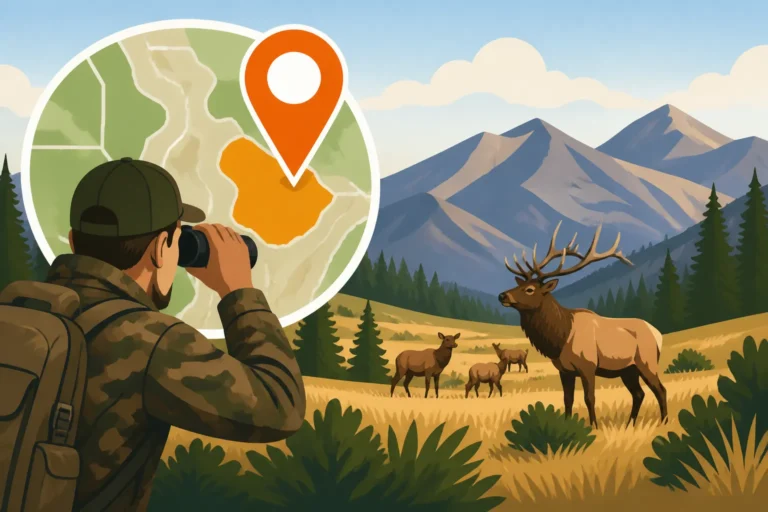
Choosing the right hunting unit (GMU) is paramount, especially when bringing horses. Not all public lands are equally accessible or even permit horses. Wilderness Areas, for example, often have specific regulations regarding group size, certified weed-free hay, and even where you can tie up animals. It's crucial to consult the Colorado Parks and Wildlife (CPW) regulations for the specific GMU you're considering. Online tools like GoHunt can be invaluable here. They often layer public land ownership, wilderness boundaries, and even historical hunter pressure data, allowing you to identify areas where horses are permitted and where they might give you an edge in reaching less-pressured areas.
When e-scouting, look for trail systems that extend deep into the backcountry, water sources for your horses, and potential camping spots that offer good feed and protection from the elements. Consider the elevation changes – will your horses be conditioned for the steep climbs and descents common when you're looking to How to Hunt Elk at High Elevation? Are there areas with heavy deadfall that might make horse travel difficult or dangerous? Pay close attention to the details of potential routes and escape plans in case of unforeseen circumstances.
Essential Gear for Horse and Hunter
Packing for a horseback hunt is a delicate balance of bringing everything you need without overpacking. Your gear list will be more extensive than a typical backpack hunt because you're supporting not only yourself but your horses as well.
For the Horses:
- Saddles and Tack: Ensure saddles fit properly to prevent sores, and that all cinches, bridles, and reins are in excellent condition. Always carry spares for critical components.
- Pack Saddles: If you're using packhorses, invest in quality pack saddles (e.g., Decker or Sawbuck) and learn proper diamond hitch or other secure packing methods.
- Panniers and Scabbards: Heavy-duty panniers protect your gear, and a sturdy scabbard is essential for safely carrying your rifle or bow.
- Feed: Certified weed-free hay is often required in National Forests and Wilderness Areas. Bring enough for the entire trip, plus a little extra for emergencies. Grain or pellets can supplement their diet.
- Veterinary Kit: A comprehensive first-aid kit for horses is non-negotiable. Include wound care supplies, pain relievers, hoof pick, wraps, and any necessary medications.
- Hoof Care: Carry extra shoes, nails, and shoeing tools if you or someone in your party is capable of an emergency repair.
- Highline/Picket Gear: Equipment for securing horses at camp to prevent them from wandering, while also minimizing impact on vegetation.
For the Hunter (in addition to standard hunting gear):
- GPS and Maps: Reliable navigation is critical. A Garmin InReach or similar satellite communicator is highly recommended for emergencies in areas without cell service. GoHunt apps are also excellent for offline maps.
- First-Aid Kit: A robust human first-aid kit is just as important as the equine one.
- Appropriate Clothing: Layers are key for Colorado's unpredictable mountain weather. Think durable, quiet materials suitable for riding and hiking.
- Game Processing Supplies: Sharpened knives, game bags, and a lightweight game hoist are crucial, especially if you're planning on How to Quarter an Elk in the Field.
- Water Filtration: A reliable water filter is essential for human consumption, though you'll also need to identify water sources for your horses.
Here's a sample table outlining critical gear considerations:
| Category | Essential Items for Horseback Hunting | Notes |
|---|---|---|
| Horse Gear | Riding saddle, pack saddle, bridle, reins, lead ropes, hobbles | Check for fit, condition; spares for critical items |
| Panniers, scabbard, saddlebags | Heavy-duty, waterproof for gear protection | |
| Certified weed-free hay/feed, collapsible water bucket | Ensure sufficient supply, adhere to regulations | |
| Equine first-aid kit, hoof pick, extra shoes/nails (optional) | Comprehensive; consider farrier tools if experienced | |
| Highline rope, tree savers, picket pins, bells | For securing animals at camp; minimize environmental impact | |
| Hunter Gear | Durable layered clothing, waterproof outer shell | Suitable for riding, hiking, and unpredictable mountain weather |
| GPS device (e.g., Garmin), physical maps, compass | Redundancy in navigation; GoHunt app for detailed maps | |
| Satellite communicator (e.g., InReach) | Essential for emergency communication outside cell service | |
| Large game bags, sharp knives, sharpening stone | For efficient and clean meat packing | |
| Headlamp/flashlight, extra batteries | Night travel and camp tasks | |
| Personal first-aid kit, medication | Tailored to individual needs and potential backcountry emergencies | |
| Camp Gear | Robust tent/shelter, sleeping system | Comfortable and durable for extended backcountry stays |
| Camp stove, fuel, cooking utensils, food | Plan meals that are easy to prepare and calorie-dense | |
| Water filtration system, backup purification tablets | Access to safe drinking water for humans |
Conditioning Horses and Riders
Hunting in Colorado's mountains is physically demanding for both hunters and horses. Your horses need to be in peak physical condition to handle steep, rocky trails, high altitudes, and potentially heavy loads. Start a conditioning program months in advance, gradually increasing the duration and intensity of rides, incorporating varied terrain. Horses accustomed to flat pastures will struggle immensely on a week-long hunt in the Flat Tops Wilderness or the San Juan Mountains.
As for the riders, don't underestimate the physical toll of riding for hours each day, often navigating challenging terrain, and then dismounting to hunt on foot. Prepare yourself with a fitness plan that includes cardio, strength training, and flexibility. You'll also need to be adept at leading pack animals, tying hitches, and generally being comfortable and confident around horses in a wild setting. This holistic preparation is key to a successful and safe experience, just as physical preparation is critical for any hunter looking to physically prepare for Colorado Elk.
Practical Aspects of Hunting with Horses
Once you're actually in the field, hunting with horses presents a whole new set of considerations, from navigating trails to handling a harvested animal. These practical skills are what truly set a successful horseback hunter apart.
Navigating Trails and Managing the Pack String
Moving quietly and efficiently through the timber or across open meadows with horses requires skill and constant awareness. You'll need to know How to Move Quietly Through Colorado Timber, even with animals. Lead horses should be calm and responsive, setting a steady pace. Keep enough distance between animals to prevent squabbles or tangles, but close enough to maintain control. Pay attention to the terrain: avoid boggy areas, steep cutbanks, and narrow passes that could pose a risk to your animals or gear.
Using a satellite mapping system like the one offered by GoHunt, or a traditional GPS, will be your lifeline for navigation. Always know where you are, where you're going, and potential alternative routes. Remember that horses leave a scent trail, and their presence can certainly impact elk movement. So, strategically using the wind and thermals becomes even more important. Understanding How to Use the Wind Hunting Colorado Elk and How to Use Thermals in Colorado Elk Country is paramount, especially when you dismount to stalk or call.
Field Dressing and Packing Out an Elk
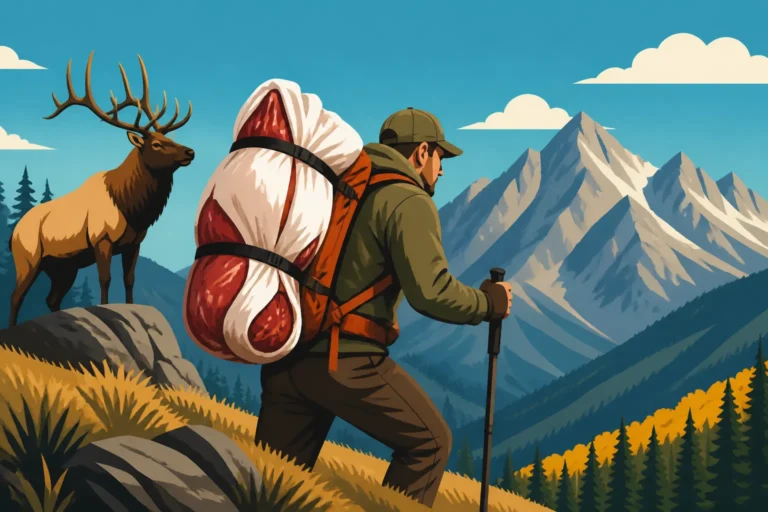
This is where horses truly shine. Imagine you've finally connected on a bull elk deep in a remote drainage. The thought of packing out hundreds of pounds of meat on your back is daunting, if not impossible, for many. With packhorses, the task becomes manageable.
Once the animal is down, the process begins. Field dress the elk quickly and efficiently. Many horseback hunters opt to quarter the animal to make it easier to cool and transport. You might use a lightweight game hoist or simply position the elk on a slope to assist with the process. Once quartered and placed in good quality game bags, the real work of packing begins. Each quarter, along with the head, cape, and backstraps, needs to be evenly distributed and securely lashed to a pack saddle. Uneven loads can create sores on your horse and make the animal unstable on the trail. This is a skill that requires practice – don't attempt it for the first time with a fresh elk in the mountains.
The journey out will be slow and deliberate. Take frequent breaks to check your cinches and load security. Prioritize the safety and comfort of your horses, as a strained or injured animal deep in the backcountry can quickly turn into a critical situation. This is precisely why knowing How to Pack Out an Elk in Colorado with horses is a game-changer, allowing you to bring home all your hard-earned meat efficiently.
Essential Horse Care and Safety in the Backcountry
Your horses are partners in the hunt, and their health and safety are paramount. Neglecting their needs in the rugged Colorado backcountry can lead to serious consequences, not just for the animals, but for your entire hunting trip.
Daily Care and Health Monitoring
Every morning and evening, a thorough check of your horses is essential. Look for any signs of injury, especially rubs or sores under the saddle or pack saddle. Check their legs for cuts, scrapes, or swelling, and meticulously pick their hooves to remove any rocks or debris. Observe their demeanor – are they eating and drinking normally? Are they moving freely? Any change in behavior or physical condition warrants immediate attention.
Ensure they have access to clean water, which can sometimes mean packing water in or filtering it, depending on the camp location. Provide adequate feed; certified weed-free hay is crucial not only for regulations but also for the health of the ecosystem. If you're utilizing natural forage, ensure it's safe and abundant. Remember, these animals are working hard, and proper nutrition is vital for their endurance and recovery.
Securing Animals at Camp and Trail Etiquette
When you establish camp, proper horse management is critical. The most common and effective method for securing horses in the backcountry is a highline. A highline involves running a rope between two strong trees, well above the horses' heads, allowing them to move freely along the line without getting tangled or damaging vegetation. Use tree savers to protect the bark. Ensure the highline is set up in a location where horses can access water and feed, but away from your sleeping and cooking areas for hygiene and safety. Hobbles can be used as a secondary measure if your horses are accustomed to them, or if you need to let them graze for short periods.
On the trail, always be mindful of other users. Hikers, mountain bikers, and other hunters will be present on public lands. Communicate clearly and politely. Yield to uphill traffic. Keep your horses under control and move at a reasonable pace. Practice Leave No Trace principles diligently; scatter horse manure away from trails and water sources, and pack out any trash, including any grain sacks or feed bags. Being a responsible and courteous backcountry user reflects positively on all hunters.
Emergency Protocols for Horse-Related Incidents
Even with the best preparation, emergencies can happen. A horse could go lame, get injured, or spook and run off. Having a clear emergency protocol is vital.
- Injury/Illness: If a horse becomes injured or ill, your equine first-aid kit will be your first line of defense. Know how to assess common issues like colic, lameness, or severe cuts. Your satellite communicator (like a Garmin InReach) allows you to call for assistance if necessary, providing your exact location to a pre-programmed contact or emergency services. This is not just a convenience; it's a potentially life-saving tool in remote areas.
- Lost Horse: Implement immediate search protocols. Track their prints, listen for bells (if they're wearing them), and send riders in different directions. Knowing your horses' habits and common grazing areas can aid in recovery.
- Evacuation: In a worst-case scenario, you might need to evacuate an injured horse. This could involve leading a slow animal out, or in extreme situations, working with rescue services, which will be a complex and expensive operation. Always consider your exit strategy and the limitations of your horses and resources before venturing too deep into truly inaccessible terrain.
Hunting Colorado with horses is an incredible experience that bridges tradition with modern hunting strategy. It requires dedication, a significant learning curve, and a deep respect for both the animals and the wilderness. But for those willing to put in the effort, it opens up a world of remote hunting opportunities that few others can reach, making for truly unforgettable adventures in the high country.
Disclaimer
Hunting in Colorado involves inherent risks, including but not limited to adverse weather, challenging terrain, wildlife encounters, and physical exertion. This guide provides general information and recommendations. It is crucial to always prioritize safety, adhere to all Colorado Parks and Wildlife regulations, and be prepared for emergencies. Seek professional guidance and training for all aspects of horsemanship and backcountry travel if you are inexperienced. The author and publisher are not responsible for any injuries, accidents, or other incidents that may occur while following this information.