What Gear a Colorado Outfitter Provides
One of the biggest anxieties when planning a Colorado hunting trip, especially if you're working with an outfitter, is figuring out what gear you actually need to bring. It's a significant investment in time and money, and nobody wants to show up to a remote trailhead only to realize they've forgotten something critical or, worse, packed a bunch of unnecessary weight. This guide will meticulously break down what gear a Colorado outfitter typically provides, and just as importantly, what essential items you'll still be responsible for, ensuring you're perfectly prepared for your adventure.
Understanding the Outfitter's Gear Provision Role
When you invest in a guided or drop-camp hunt with a Colorado outfitter, you're essentially buying their expertise, their knowledge of the land, and access to their logistical infrastructure. Part of that infrastructure usually includes certain pieces of gear that would be cumbersome, expensive, or impractical for individual hunters to transport and set up themselves. However, it's rarely an "everything included" scenario. The key is to understand where their responsibility generally ends and yours begins.
The Outfitter's Foundation of Support
Think of an outfitter as providing the "bones" of your camp and the heavy-duty logistics. They're handling the big-ticket items that make a remote camp possible and getting your harvest out of the backcountry. This usually means things like large canvas wall tents, the means to cook and purify water for the group, and crucially, the animal power (horses or mules) or mechanical advantage (ATVs, UTVs) required to haul gear and game through rugged Colorado terrain. Their goal is to streamline your experience, removing the headaches of large-scale camp setup and breakdown so you can focus solely on the hunt. For instance, a quality outfitter will have robust, well-maintained pack strings ready to take you and your gear deep into a wilderness area, something very few DIY hunters can manage on their own. This critical support system allows you to access areas that would otherwise be virtually impossible to hunt without significant personal effort and specialized equipment.
How Hunt Style and Terrain Dictate Gear Provision
The type of hunt you book profoundly influences what an outfitter will provide. A fully guided, lodge-based hunt on a private ranch in the lower elevations of the Eastern Plains, for example, will look vastly different from a remote backcountry drop camp for elk in the San Juan Mountains.
For a lodge-based hunt, you might find that almost everything short of your personal hunting weapon and clothing is provided. Meals are often served in a dining area, sleeping is in comfortable beds, and even some optics might be available for shared use. Transportation to and from hunting areas might be via pickup truck or UTV. In contrast, a drop camp, particularly those offered by outfits operating in areas like the Flat Tops Wilderness, provides a much more minimalist experience. The outfitter will pack in a wall tent, a stove, a water source, and perhaps some cooking essentials, but your personal comfort and hunting success will depend far more on the gear you personally bring. They might pack in food for you, or you might be responsible for all your own meals. It's truly a spectrum, and understanding where your chosen hunt falls on that spectrum is paramount. Websites like BookYourHunt often detail the specific amenities and gear provided for each hunting package, making it easier to compare and choose an option that aligns with your expectations and preparation level.
Key Gear Categories Most Outfitters Supply
When you’re preparing for a Colorado hunt with an outfitter, it’s helpful to categorize the gear they typically handle. This often includes the communal living necessities, the heavy lifting equipment, and sometimes, general hunting support items that benefit the entire group.
Camp and Lodging Essentials
For many outfitted hunts, particularly those involving spike camps or remote base camps, the outfitter provides the core infrastructure for living comfortably in the wilderness. This is where a significant portion of their investment in equipment comes into play. You can usually expect a sturdy, weather-resistant shelter, often a large canvas wall tent, especially for hunts in the later rifle seasons when cold weather is a real factor. Inside these tents, many outfitters provide cots for sleeping, moving you off the cold ground and offering a much more comfortable rest after a long day of hiking. They will also typically furnish a heat source, such as a wood-burning stove with a supply of firewood, which is an absolute game-changer when temperatures drop.
Beyond shelter and heat, outfitters often supply essential cooking and dining gear. This can include a propane camp stove, pots, pans, utensils, plates, and cups. They'll also manage a potable water source, whether that's a filtration system, hauled-in jugs, or directing you to a clean natural source. Some outfits might even have lanterns or other lighting for the main camp area. For example, on a late-season elk hunt near Pagosa Springs, a good outfitter will have a cozy wall tent camp with a roaring fire in the stove, making the cold mornings much more bearable. This setup eliminates the need for you to pack in a bulky tent, cooking equipment, and the worry of finding and purifying water—all critical elements for a successful stay in the backcountry.
Transportation and Pack-Out Gear
Perhaps the most valuable gear an outfitter provides is the means to navigate the rugged Colorado landscape and, more importantly, to get your trophy and meat out once you've been successful. For many backcountry hunts, this means horses and mules. These animals are indispensable for hauling heavy camp gear, supplies, and eventually, quartered game. Trying to pack out a bull elk several miles on your back is a monumental task, and having an outfitter's pack string available makes the difference between a triumphant harvest and a logistical nightmare.
In areas less restricted by wilderness designations, outfitters might utilize ATVs or UTVs for transportation to trailheads or to retrieve game from accessible areas. These machines can cover ground quickly and carry significant weight, saving you immense physical effort. They will also generally provide heavy-duty game bags for your meat, ensuring it stays clean and protected during the pack out. An outfitter who hunts in a unit like GMU 43, known for its steep and vast terrain, will have a well-oiled system for game retrieval, which is one of the primary reasons many hunters opt for a guided experience. This service is a huge relief, particularly when you're already exhausted from the hunt itself. For more insights on this, you might find our guide on How to Pack Out an Elk in Colorado helpful.
Basic Hunting Support Items
While outfitters generally expect you to bring your personal hunting equipment, there are often some shared hunting support items they provide that benefit the entire group. This isn't usually extensive, but it can include things like a high-quality spotting scope setup for glassing distant slopes, especially if you're in a unit with expansive basins. They might also carry a large, comprehensive first-aid kit for the camp, designed to handle more significant injuries than what a personal kit could address. In certain areas or for specific situations, they might have satellite communication devices or two-way radios for emergency use or to coordinate movements within the hunting party.
Furthermore, some outfitters might supply a basic set of tools for field dressing or processing an animal, though bringing your own sharp knife is always recommended. They also come equipped with their own maps and GPS devices, which are essential for navigating the units they operate in. When researching options, remember to ask about these items. You can use platforms like GoHunt to e-scout units and then ask your chosen outfitter what kind of navigational and spotting tools they'll be bringing along, complementing your own personal gear.
What You'll Still Need to Bring Yourself
Even with a full-service outfitter, there's a significant amount of personal gear you'll be responsible for. These are the items tailored to your specific hunting style, comfort, and safety, and they make all the difference between a miserable trip and an enjoyable one.
Your Personal Hunting Equipment
This category is probably the most obvious. An outfitter is not going to provide you with your personal weapon of choice. You'll need to bring your own rifle, bow, or muzzleloader, along with ample ammunition or arrows. This isn't just about legality; it's about familiarity and proficiency. You should be intimately familiar with your equipment, having practiced extensively with it before your hunt.
Beyond the primary weapon, your personal optics are crucial. This includes your binoculars, a rangefinder, and any specialized spotting scope you prefer for your individual hunting style, separate from any shared camp scope. You'll also need your hunting knife, a headlamp with extra batteries, and any specific elk or deer calls you plan to use. Don't forget items like a compass, a personal GPS device (like a Garmin InReach or a smartphone with a mapping app like onX Hunt), and scent-control products if those are part of your strategy. Even if an outfitter provides game bags for the pack-out, having a couple of sturdy, lightweight game bags for initial quartering or smaller portions isn't a bad idea. For bowhunters, consider specialized items like a release aid, an armguard, and broadheads specifically tuned for your setup. For more detailed information on archery-specific gear, check out our Best Archery Setups for Colorado Elk guide.
Clothing and Layering Systems
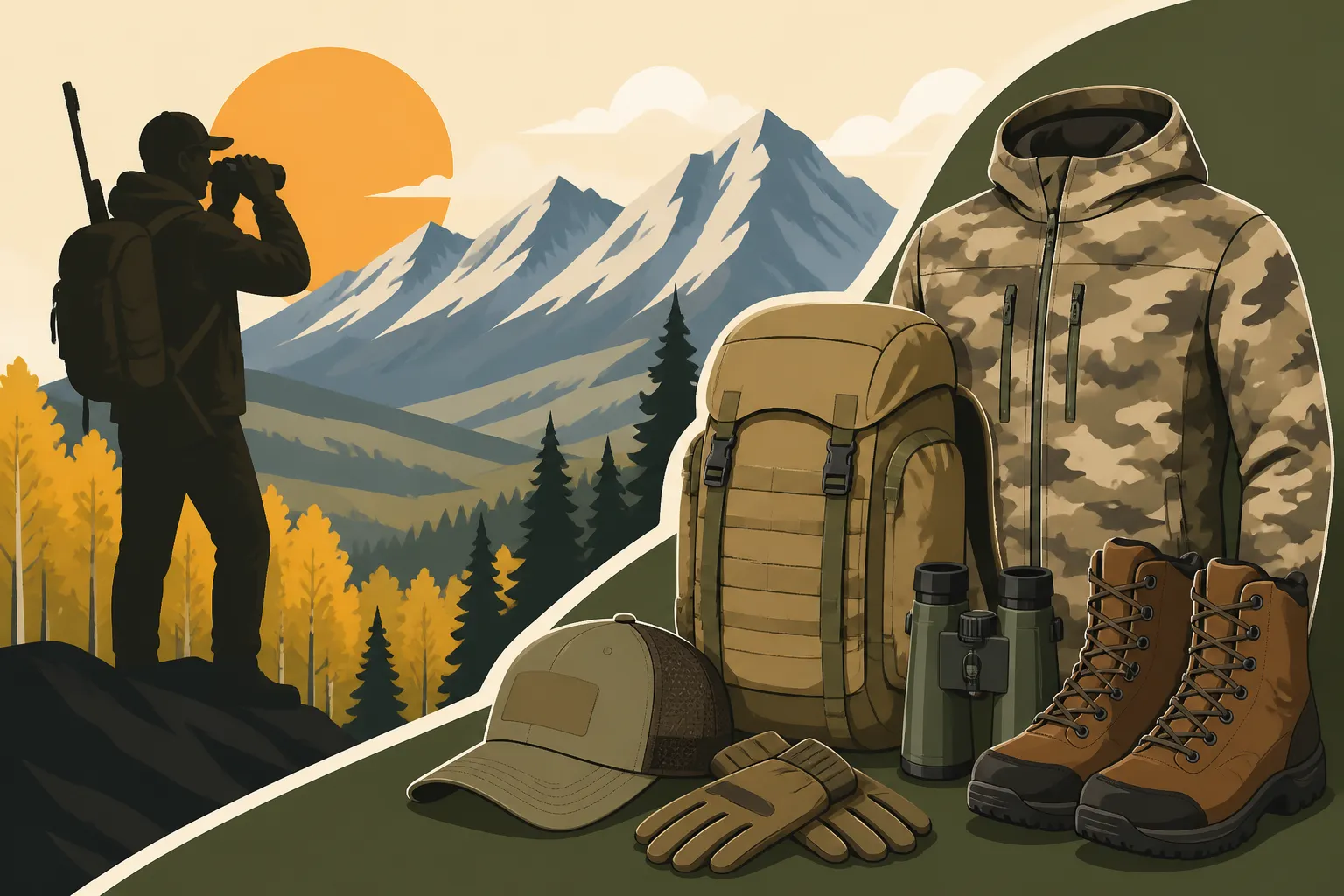
Colorado weather in the high country is notoriously unpredictable. You can experience all four seasons in a single day, or even within a few hours. Because of this, a comprehensive layering system is absolutely critical, and this is almost always your responsibility. Outfitters do not provide personal clothing. You'll need a good base layer (merino wool or synthetics are best) to wick moisture, a mid-layer for insulation (fleece or puff jacket), and a bombproof outer shell that is both waterproof and windproof. Rain gear, even if the forecast looks clear, is non-negotiable.
Don't forget robust, broken-in hunting boots that can handle steep, rocky, and potentially wet terrain. There's nothing worse than wet, blistered feet miles from camp. Bring multiple pairs of wool socks, a warm hat, gloves or mittens, and gaiters to keep debris out of your boots. The temperature can swing from freezing cold pre-dawn to surprisingly warm midday sun, then back to frigid rain or snow by evening. Packing smart means being prepared for every eventuality. It’s not just about comfort; it’s about safety and preventing hypothermia. Our guide on Colorado Backcountry Hunting Gear List offers a deep dive into necessary apparel.
| Category | Typically Provided by Outfitter (Communal) | You Are Responsible For (Personal) |
|---|---|---|
| Shelter/Camp | Wall tent, cot, camp stove, cooking gear, water filter/supply, wood stove, basic camp lighting | Sleeping bag, sleeping pad, pillow, personal toiletries, small personal first-aid kit |
| Transportation | Horses/mules (for pack-in/out), ATVs/UTVs (if permitted), game retrieval | N/A (unless using your own vehicle to trailhead) |
| Hunting Support | Group spotting scope (sometimes), heavy-duty game bags, large camp first-aid kit, satellite comms (for emergencies) | Personal rifle/bow/muzzleloader, ammunition, binoculars, rangefinder, hunting knife, calls, headlamp, GPS/mapping app, personal game bags, scent control |
| Clothing | N/A (almost never) | All layering system (base, mid, outer, rain gear), hunting boots, multiple pairs of socks, gaiters, hat, gloves/mittens |
| Food/Drink | All meals (fully guided), some food (drop camp), general water supply | Personal snacks, hydration system (bladder/bottles), specific dietary items, electrolytes, coffee/tea if desired |
| Miscellaneous | Basic camp tools, fire starting supplies | Lighter/fire starter, small repair kit, power bank for electronics, book/entertainment, sunglasses, sunscreen, lip balm |
Personal Comfort and Health Items
While an outfitter handles the big picture, your personal well-being is largely in your hands. This means bringing a quality sleeping bag rated for colder temperatures than you anticipate, as well as a comfortable sleeping pad. A small, inflatable pillow can make a huge difference in your sleep quality. Don't underestimate the importance of hygiene items – a toothbrush, toothpaste, biodegradable soap, and wet wipes will go a long way in making you feel human after days in the wild.
Crucially, bring any personal medications you need, clearly labeled and in sufficient quantity for the entire trip, plus a few extra days. A small personal first-aid kit with blister treatment, pain relievers, and any other specific needs is also smart. Finally, think about little comfort items: a headlamp with spare batteries (beyond your primary one), a power bank to charge your phone or other electronics, sunscreen, lip balm, and perhaps a small book or playing cards for downtime in camp. These might seem minor, but they contribute significantly to your overall experience. Don't forget your specific dietary needs; while many outfits cater to common allergies, bringing your own specific snacks or supplements ensures you're fueled and happy. Planning is key, and our Colorado Guided Hunt Packing List can provide an even more exhaustive inventory.
Asking the Right Questions Before You Book
The best way to avoid surprises and ensure you're packing appropriately is through clear, proactive communication with your chosen outfitter. Don't assume anything; ask detailed questions well in advance of your hunt.
Clarifying Gear Lists and Expectations
When you're comparing Colorado hunting outfitters, whether through platforms like BookYourHunt or directly, make sure to get a precise, itemized list of what they provide. Don't be shy about asking specifics. For instance, if they say "cooking gear," does that include plates and silverware, or just pots and pans? If they provide "water," is it bottled, filtered, or sourced from a stream you'll need to treat? Do they provide sleeping pads, or just cots? Are towels supplied for a lodge-based hunt?
It's also important to understand the condition of the gear. Are the tents well-maintained and waterproof? Are the horses reliable? These details matter significantly to your comfort and safety. A reputable outfitter will be happy to answer all your questions thoroughly, as they want you to be prepared and have a positive experience. If they're vague or dismissive, that's a potential red flag. Think about realistic scenarios. If you're planning a Colorado Backcountry Hunting Guide type of trip, you need to know exactly what heavy gear they're shouldering versus what you must carry in your pack. This level of detail helps prevent costly mistakes or uncomfortable situations in the field.
Understanding Contingencies, Rentals, and Hidden Costs
Beyond what's provided, inquire about contingencies. What happens if an essential piece of their gear breaks down? Do they have backups? What is their policy on rentals? Some outfitters might offer rental sleeping bags, backpacks, or even rifles for an additional fee, which can be convenient for non-residents or those new to hunting who don't want to invest in expensive gear immediately.
Crucially, ask about any hidden costs related to gear. Is there an extra charge for game retrieval if you harvest an animal far from camp? Are fuel costs for ATVs included? What about game processing once you're back to civilization? While not strictly gear, these can impact your overall budget. Many experienced hunters use resources like GoHunt to research potential units and then cross-reference that information with outfitter services, looking for those that clearly outline all costs and provisions. A transparent outfitter is a trustworthy outfitter. Don't hesitate to ask these Questions to Ask a Colorado Outfitter before you put down that deposit.
Disclaimer
Please remember that hunting in Colorado carries inherent risks, including but not limited to severe weather, rugged terrain, wildlife encounters, and altitude sickness. Always prioritize safety, adhere to all Colorado Parks and Wildlife regulations, and ensure you are physically prepared for your hunt. This guide is for informational purposes only and should not replace professional advice, direct communication with your outfitter, or official state hunting regulations.