Colorado Guided Bighorn Sheep Hunt: What to Expect
Dreaming of a bighorn sheep hunt in Colorado is a goal many avid hunters share, but the reality of drawing a tag and successfully pursuing these incredible animals in their rugged high-country domain can feel utterly overwhelming. This guide is designed to demystify the process of undertaking a guided bighorn sheep hunt in the Centennial State, outlining precisely what you can expect from the initial planning stages to the exhilarating moments in the field and beyond.
Understanding the Allure of a Colorado Bighorn Sheep Hunt
A bighorn sheep hunt isn't just another big game pursuit; it's often considered the pinnacle of North American hunting. The sheer difficulty, the breathtaking landscapes, and the incredible animals themselves combine to create an experience unlike any other. For many, it's a once-in-a-lifetime endeavor, and for good reason.
The Rarity and Challenge of Bighorn Sheep Tags
Let's be real, drawing a bighorn sheep tag in Colorado is like winning the lottery. The frustration of accumulating preference points for years, only to see your name not called, is a feeling many of us know all too well. Colorado manages its bighorn sheep populations with extreme care, resulting in very limited tags issued each year. This scarcity drives up the value of every tag and makes securing one through the draw system incredibly challenging, often requiring decades of consistent applications and substantial luck. Hunters pour over draw odds, use resources like GoHunt to strategize, and cross their fingers every spring. It’s a true test of patience and perseverance before you even step foot in the mountains.
Why a Guided Hunt Becomes Essential
Given the rarity of the tag, when you finally beat the odds, you want to stack everything in your favor. This is precisely where a guided hunt transitions from a luxury to an almost essential component for many successful bighorn sheep hunters. These animals inhabit some of the most unforgiving, remote, and physically demanding terrain in Colorado – think sheer cliffs, treacherous scree slopes, and dizzying altitudes in areas like the San Juan Mountains or the Collegiate Peaks. Without intimate knowledge of these specific areas, years of experience tracking sheep, and the specialized gear and physical prowess required, a DIY hunt can quickly become a monumental, and potentially dangerous, undertaking. Guides bring not only their hunting expertise but also crucial safety protocols and local knowledge that can literally make or break your hunt, ensuring you have the best possible chance at success and a safe return.
The Pre-Hunt Preparation with Your Outfitter
The actual hunt might last a week or two, but the preparation with your chosen outfitter can span months, even years. This foundational work is critical and lays the groundwork for a successful and enjoyable experience.
Initial Consultations and Expectation Setting
Once you've secured that coveted bighorn tag, the first step is an in-depth conversation with your outfitter. This isn't just a quick chat; it's a detailed discussion about your specific Game Management Unit (GMU), the type of ram you're hoping for, your physical capabilities, and any concerns you might have. A good outfitter will manage your expectations, providing realistic insights into the terrain, potential weather, and the challenges unique to that specific hunt. They’ll want to know about your prior hunting experience, your comfort level with high altitudes, and your shooting proficiency. This is also the time when an outfitter might help you navigate the intricacies of the draw system or even apply for a Colorado hunting license, ensuring all your paperwork is in order.
Physical and Mental Conditioning Requirements
Let me tell you, a bighorn sheep hunt is not for the faint of heart or the out-of-shape. Your outfitter will emphasize, repeatedly, the critical need for peak physical and mental conditioning. We're talking about traversing extreme elevations, often above 11,000 feet, climbing thousands of vertical feet daily with a heavy pack, and navigating steep, unstable rockfalls. Preparing for a Colorado Elk Hunt physically is a good baseline, but sheep hunting often exceeds it in sustained intensity. You'll want to focus on rigorous cardiovascular training, leg strength, and endurance. Simulating mountain conditions with weighted pack hikes is invaluable. Equally important is mental toughness – the ability to push through discomfort, remain positive during long days of glassing with no sheep in sight, and maintain focus when a shot opportunity finally arises after a grueling stalk. Acclimating to Colorado elevation before your hunt is also a crucial step many hunters overlook, impacting performance and safety.
The Hunt Itself: What to Expect in the Field
Stepping into bighorn sheep country is an experience that humbles even the most seasoned hunter. The scale of the landscape and the acute senses of these animals demand the utmost respect and strategic thinking.
Scouting and Locating Rams
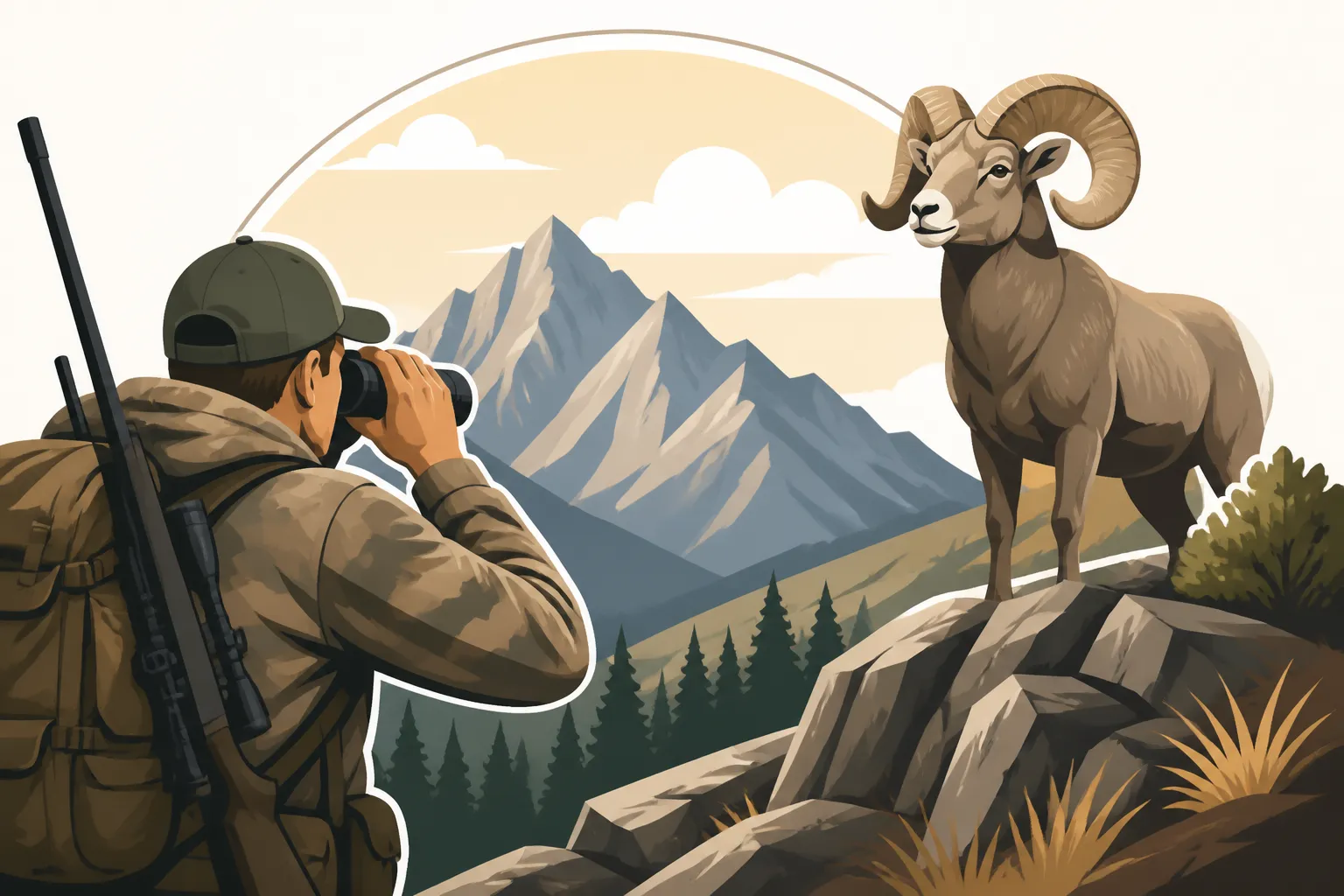
A significant portion of your guided bighorn sheep hunt will involve meticulous glassing, often for hours on end, scanning vast alpine basins and rocky ledges for the tell-tale white patch of a ram's rump or the curl of his horns. Your guide will arrive days, sometimes weeks, before you, pre-scouting the unit to locate bachelor groups of rams. They'll use top-tier optics, like high-powered spotting scopes and binoculars (think Swarovski or Kowa), not just to spot sheep but to meticulously evaluate their size and assess their trophy potential. They know the preferred bedding areas, escape routes, and feeding grounds. You'll spend sun-up to sundown behind glass, patiently breaking down massive mountainsides, following sheep movements, and identifying potential stalk routes. Knowing how to glass big Colorado basins effectively is a skill your guide will possess and utilize constantly.
The Stalk and Shot Opportunity
Once a suitable ram is spotted, the real chess match begins: the stalk. This is where your guide's expertise in reading terrain, wind, and sheep behavior is invaluable. Stalks can be incredibly long, arduous, and frustrating, often involving several hours of slow, careful movement, crawling through rocks, using every scrap of cover, and enduring physical discomfort, all while trying to keep the wind in your favor. You might climb up and then down a thousand feet, only to realize the sheep have moved, forcing a retreat and a new plan. When you finally get into a shooting position, often on a steep incline or decline, the adrenaline will be pumping. Being prepared to shoot uphill and downhill at elk, and other big game, is a skill that translates directly here, requiring precise rangefinding and understanding bullet ballistics at various angles and elevations. The shot opportunity can be fleeting, demanding calm nerves and a steady hand.
Post-Harvest Logistics
Should you be fortunate enough to harvest a ram, the work is far from over. The real physical test often begins after the shot. Bighorn sheep typically fall in some of the most remote and challenging locations imaginable. Your guide will expertly field dress the animal, cape it meticulously for taxidermy, and quarter it into manageable sections. Knowledge of how to quarter an elk in the field is a valuable skill that applies directly to sheep. Then comes the monumental task of packing it out. This often means multiple trips under heavy loads, navigating treacherous terrain, sometimes in rapidly changing weather conditions. Keeping elk meat cool in warm weather is important for any big game, and even more so for sheep meat in potentially exposed, sun-drenched alpine environments. You'll likely share the load with your guide, carrying not only meat and cape but also your camp gear and personal items back to a designated pickup point or vehicle.
Costs and Considerations for a Guided Bighorn Sheep Hunt
A guided bighorn sheep hunt in Colorado is a significant investment, both in time and money. It's crucial to understand all the financial components and what goes into selecting the right professional to accompany you.
Breaking Down the Investment
Let's not sugarcoat it: a guided bighorn sheep hunt is one of the most expensive hunts you can undertake in North America. The price tag for the outfitter alone can range dramatically, often starting around $10,000 and easily climbing to $25,000 or more, depending on the outfitter's reputation, the length of the hunt, and the services provided. On top of that, you have the non-resident Colorado hunting license costs, which are substantial, and the bighorn sheep tag itself, which can be several hundred dollars. This doesn't even include travel expenses, specialized gear (high-quality optics, boots, a suitable backpack from your Colorado backcountry hunting gear list), taxidermy, and meat processing. For those looking to budget or find options, platforms like BookYourHunt can provide an overview of various outfitter packages and what they include.
| Expense Category | Estimated Cost Range (Non-Resident) | Notes |
|---|---|---|
| Outfitter Fees | $10,000 – $25,000+ | Varies by guide, duration, and services. Does not include tag. |
| Colorado Big Game License | ~$40-$50 | Required to apply and hunt. |
| Bighorn Sheep Tag (Draw) | ~$300-$500 | Price for a rifle or archery bighorn sheep tag, if drawn. |
| Travel & Lodging (Pre/Post) | $500 – $2,000+ | Flights, gas, hotels before/after the hunt. |
| Gear & Equipment | $1,000 – $5,000+ | High-quality boots, optics, clothing, backpack. Can be less if you already own suitable gear. |
| Taxidermy & Meat Processing | $1,500 – $4,000+ | Depending on the mount type and amount of meat processed. |
| Gratuities | 10-20% of Outfitter Fee | Customary for guides and camp staff. |
| Total Estimated Investment | $13,800 – $36,500+ | This is a significant investment and should be planned for well in advance. |
Choosing the Right Outfitter
Selecting the right outfitter is arguably as important as drawing the tag itself. This is a person you'll be entrusting with your safety, your once-in-a-lifetime opportunity, and a substantial financial investment. Don't rush this decision. Start by thoroughly researching potential guides. Look for outfitters with a proven track record specifically with bighorn sheep in Colorado. Ask for a comprehensive list of references, and don't just call one or two; call them all. Inquire about their success rates, their guide-to-hunter ratio, and what specific services are included in their package (e.g., meals, lodging, field transportation, trophy care). A good outfitter will be transparent about everything. Understand how to choose a Colorado hunting outfitter by asking critical questions about their experience, safety protocols, and what happens in emergency situations. Ensure their values align with yours, especially regarding fair chase and ethical hunting practices.
Disclaimer
Please remember that hunting regulations, license costs, and season dates can change. Always consult the official Colorado Parks and Wildlife (CPW) website for the most current and accurate information before planning any hunt. This guide is for informational purposes only and does not constitute official legal or regulatory advice.