How Much Is a Guided Pronghorn Hunt in Colorado
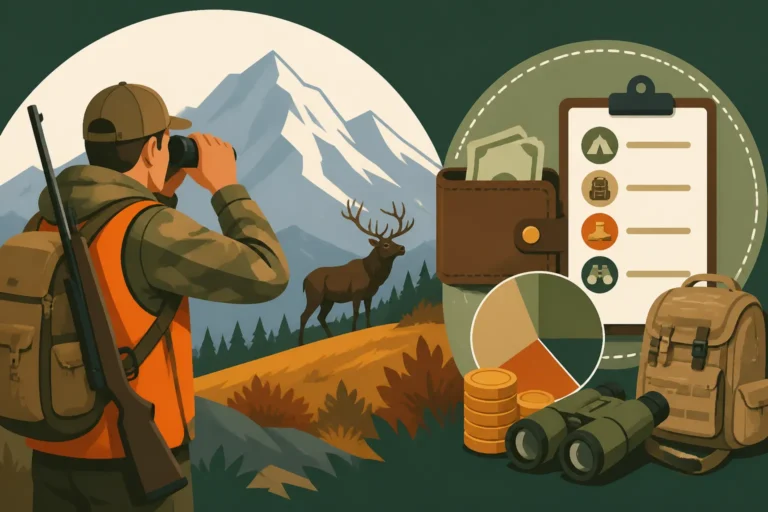
If you're dreaming of a Colorado pronghorn hunt, you've probably already realized that a guided experience can take a lot of the guesswork out of pursuing these speedy antelope across the plains. But the big question that often stops hunters in their tracks is: "How much is this going to set me back?" Figuring out the true cost of a guided pronghorn hunt in Colorado goes beyond just the outfitter's fee, encompassing everything from licenses to tips. This guide will meticulously break down the various factors influencing the price, helping you budget for your antelope adventure.
The Real Cost Factors for a Guided Colorado Pronghorn Hunt
Understanding the sticker price of a guided pronghorn hunt is only the first step. To truly grasp the financial commitment, you need to dissect what contributes to that cost. Several key elements play a significant role, ranging from what's included in the package to the outfitter's reputation and the type of land you'll be hunting.
Understanding Inclusions and Exclusions
Not all guided hunts are created equal, and the price tag often reflects the level of service and what's explicitly bundled into your package. A "fully guided" hunt, for instance, generally means that your guide will be with you from dawn till dusk, actively spotting, stalking, and assisting with every aspect of the hunt, including field dressing your animal. Some outfits might also include lodging and meals, often in a comfortable lodge or a rustic hunting camp, which significantly adds to the convenience and, naturally, the cost.
Conversely, a "semi-guided" hunt might offer less hands-on assistance, perhaps providing you with a map to known pronghorn areas, advising on tactics, and helping with game retrieval after the shot. These are typically more affordable, as they require less direct labor from the outfitter. It's crucial to clarify these details upfront. Are transportation during the hunt, field dressing, caping for taxidermy, or even initial meat processing services included? These seemingly small details can quickly accumulate into substantial extra expenses if not accounted for in your initial budget. For example, some outfitters might charge an additional fee for a non-hunting companion to join, or for extra days if the hunt extends beyond the planned duration.
Guide Experience and Reputation
Just like any specialized service, the experience and reputation of your guide and outfitter command a certain price. A seasoned outfitter with decades of experience chasing pronghorn across Colorado’s eastern plains or sagebrush flats will likely charge more than a newer, less established operation. This premium often comes with the assurance of intimate knowledge of the area, proven success rates, and a well-oiled logistical machine. They know how to anticipate pronghorn behavior, read the subtle nuances of the terrain, and adjust tactics based on weather or hunting pressure.
Outfitters who consistently deliver high-quality experiences and have a strong reputation for ethical hunting and client satisfaction are in high demand, and their prices reflect that. You might find reviews and testimonials on platforms like BookYourHunt, which can give you a good idea of an outfitter's standing. While it might be tempting to opt for the cheapest option, investing in a reputable guide often translates to a higher likelihood of a successful and enjoyable hunt, minimizing frustrations and maximizing your time in the field. These experienced guides often have a deeper understanding of game behavior, as detailed in our guide on Colorado Pronghorn Behavior and Biology.
Location and Land Access
Colorado offers diverse landscapes for pronghorn hunting, from the sprawling private ranches of the Eastern Plains to certain public land tracts. The specific location and the type of land access heavily influence the cost of a guided hunt. Hunts conducted on vast private ranches, especially those that are meticulously managed for wildlife and offer exclusive access, will almost always be more expensive. These ranches often limit hunter numbers, providing a less pressured environment and potentially higher success rates for trophy-quality animals. Landowner permission alone can be a significant cost for an outfitter to secure.
Public land pronghorn hunts, while less common for fully guided operations due to logistics and increased hunting pressure, might be offered by some guides at a slightly lower price point. However, these often require more effort and scouting on the part of the hunter and guide, and success rates can vary more widely due to unpredictable factors. The best Colorado pronghorn hunting areas might span both private and public access, but the guided experience is often tailored to maximize opportunities in exclusive areas. Knowing the specifics of Colorado Pronghorn Draw Explained can also inform your choices, as private land tags might be easier to come by through an outfitter, bypassing the public land draw system entirely.
Typical Price Ranges for Colorado Guided Pronghorn Hunts
Now, let's talk numbers. The cost of a guided pronghorn hunt in Colorado can vary significantly, usually falling into distinct tiers based on the level of service and exclusivity. It's not a one-size-fits-all scenario, and your budget will dictate the type of experience you can expect.
Budget-Friendly Options
For hunters looking to get their feet wet without breaking the bank, budget-friendly guided pronghorn hunts in Colorado typically range from $1,500 to $2,500. These hunts are often shorter in duration, usually 2-3 days, and may be semi-guided or involve hunting on less exclusive private lands or larger tracts of public land. Lodging and meals might not be included, meaning you'll need to arrange your own accommodations and food, often in a nearby town.
These options are excellent for hunters who are comfortable with a bit more DIY effort but still want the advantage of local knowledge and assistance with spotting, identifying legal animals, and tracking. The focus here is generally on harvesting a good eating animal, perhaps a decent buck, rather than a top-tier trophy. While the price is lower, the experience can still be incredibly rewarding, offering a fantastic introduction to western hunting. You might find outfitters offering these types of hunts through more direct booking or by searching for specific packages on booking platforms.
Mid-Range and Premium Hunts
Stepping up in price, mid-range guided pronghorn hunts typically fall between $2,500 and $4,000. At this level, you can generally expect a fully guided experience, often on private land with limited pressure, which significantly increases your chances of success and the quality of the animal. Lodging and meals are frequently included, ranging from comfortable ranch houses to established hunting lodges, providing a more all-inclusive and convenient experience. These hunts are often 3-4 days long, allowing more time to hunt and account for variable conditions.
Premium guided hunts, aimed at those seeking a top-tier experience and a higher probability of harvesting a trophy-class pronghorn, can range from $4,000 upwards to $6,000 or more. These hunts almost always take place on highly managed private ranches, often with excellent genetics and strict harvest management to ensure mature bucks. Expect luxurious accommodations, gourmet meals, and dedicated one-on-one guide service. These outfitters pride themselves on personalized attention, meticulous scouting, and often have a reputation for consistent success with Boone & Crockett or Pope & Young caliber animals. For those serious about a specific trophy, these premium options offer a significant advantage, particularly in areas like Colorado's Eastern Plains for Colorado Pronghorn on the Eastern Plains.
Non-Resident vs. Resident Costs
It's a fact of western hunting life: non-residents typically pay more, and Colorado is no exception. The most significant difference comes in the cost of hunting licenses and tags.
For a resident, a Colorado hunting license and a pronghorn tag will be considerably less expensive, often totaling a few hundred dollars. This makes a guided hunt more accessible overall.
Non-residents, however, face substantially higher fees. A non-resident annual small game/furbearer license (required for most big game applications) and a pronghorn tag can easily cost upwards of $400-$500, if not more, depending on the specific tag and any required qualifying licenses. This difference alone adds a substantial amount to the overall cost of a guided hunt. It's crucial for non-residents to factor in these higher tag fees when budgeting, as they are a mandatory expense separate from the outfitter's fee. You can dive deeper into these costs by reviewing our guide on Colorado Non-Resident Hunting License Guide. Additionally, securing a non-resident tag often requires navigating the draw system, and while outfitters can assist with applications or provide access to landowner tags, these options can also influence the overall expense.
Beyond the Base Price: Hidden Costs and How to Prepare
Many hunters make the mistake of only budgeting for the outfitter's fee. However, there are several "hidden" costs that can quickly add up and significantly increase the total investment in your Colorado guided pronghorn hunt. Being aware of these additional expenses and planning for them is key to a stress-free experience.
License and Tag Fees
This is perhaps the most significant additional cost. Colorado Parks and Wildlife (CPW) issues all hunting licenses and tags, and these are separate from your outfitter's fee. As mentioned, non-resident fees are substantially higher than resident fees. For a guided pronghorn hunt, you'll need an annual small game/furbearer license (or a qualifying big game license if you're also hunting other species) and a specific pronghorn tag, which is usually obtained through the draw system.
It’s absolutely critical to understand the draw process and deadlines. While an outfitter might assist with the application, the financial responsibility for the tag itself rests solely with you. Sometimes, outfitters have access to guaranteed landowner tags, which can bypass the draw process, but these tags typically come with an additional premium, often integrated into the overall hunt cost or purchased separately. Researching Colorado Pronghorn Draw Odds Explained can help you understand the likelihood of drawing a tag on your own versus needing alternative solutions.
Travel, Lodging, and Logistics
Unless your outfitter offers an all-inclusive package with transportation from a major airport and pre-hunt lodging, you'll need to account for travel expenses. This includes:
- Airfare or Fuel Costs: Getting to Colorado (e.g., Denver International Airport, Colorado Springs, or smaller regional airports like Grand Junction or Pueblo, depending on your hunting unit) and then driving to the outfitter's meeting point or nearest town.
- Rental Car: You'll likely need a rental car to get around, especially if your lodging isn't directly with the outfitter. A four-wheel-drive vehicle might be necessary depending on the time of year and terrain.
- Pre and Post-Hunt Lodging: If you arrive a day early or stay a day late, you'll need to budget for hotel stays.
- Food and Drink: Even if meals are included during the hunt, you'll have expenses for travel days, snacks, drinks, and any meals eaten outside of the camp.
- Miscellaneous Travel Costs: Parking fees, tolls, and other unexpected travel incidentals.
These logistical costs can easily add hundreds, if not over a thousand dollars, to your trip. Planning your itinerary carefully and comparing prices for flights, rentals, and hotels can help you manage this segment of the budget.
Gear, Meat Processing, and Taxidermy
Hunting requires specialized gear, and while you likely have most of the essentials, there might be specific items recommended by your outfitter or necessary for Colorado's conditions.
- Gear Upgrades: Quality optics, appropriate clothing layers for varied weather (especially on the plains where temperatures can fluctuate wildly), and a reliable rifle capable of accurate shots at longer ranges often associated with pronghorn hunting are crucial. Don't forget a sturdy backpack for day hunts.
- Meat Processing: Once you harvest a pronghorn, you'll need to get the meat processed. Your outfitter will field dress it, but taking it to a local processor is typically your responsibility. Processing fees can range from $150 to $300, depending on the animal size and desired cuts. Many hunters opt to bring coolers to transport the meat home.
- Taxidermy: If you plan to get your pronghorn mounted, taxidermy costs are a significant consideration. A shoulder mount can easily run anywhere from $700 to $1,500 or more, plus shipping to your home if you don't pick it up directly.
- Shipping: If you're flying, you'll need to budget for shipping your meat or antlers, which can be expensive.
These items contribute to the total experience and are essential to consider when preparing for a Colorado hunt. It's wise to consider the "How to Pack for a Colorado Backcountry Hunt" even for pronghorn, as layered clothing and good boots are universal necessities.
Gratuities: Tipping Your Guide
An often-overlooked, but expected, expense is tipping your guide. This is a customary practice in the hunting industry and a way to show appreciation for their hard work, knowledge, and dedication. A typical gratuity for a guided hunt ranges from 10% to 20% of the total hunt cost.
For example, on a $3,000 guided pronghorn hunt, a 15% tip would be $450. It’s important to budget for this in cash, as guides often prefer it, and it might be difficult to add to a credit card payment. Your guide works incredibly hard, often before dawn and after dark, to ensure your success and safety. A generous tip reflects their efforts and the quality of your experience.
| Expense Category | Typical Cost Range (Resident) | Typical Cost Range (Non-Resident) | Notes |
|---|---|---|---|
| Guided Hunt Fee | $1,500 – $6,000+ | $1,500 – $6,000+ | Varies based on inclusion (fully/semi-guided), duration, land access, outfitter reputation |
| Colorado Hunting License | $30 – $50 | $30 – $50 (annual small game) | Required. Must purchase a qualifying license for big game application |
| Pronghorn Tag | $40 – $100 | $300 – $500 | Obtained via draw, or landowner tag (may increase hunt fee) |
| Travel (Airfare/Fuel) | Varies | $300 – $1,000+ | Depends on distance and mode of transport |
| Rental Car (if needed) | Varies | $300 – $700+ | Daily rates, often need 4×4 for hunting access |
| Lodging (Pre/Post-hunt) | Varies | $100 – $300/night | If not included in hunt package |
| Food/Drink (extra) | $50 – $200 | $100 – $300 | Snacks, travel meals, alcoholic beverages |
| Meat Processing | $150 – $300 | $150 – $300 | Local butcher fees, varies by cuts and services |
| Taxidermy (optional) | $700 – $1,500+ | $700 – $1,500+ | Shoulder mount costs, plus shipping if applicable |
| Shipping Meat/Antlers | Varies | $200 – $500+ | If flying, significant cost for coolers/crate freight |
| Gratuities (Guide Tip) | 10-20% of hunt fee | 10-20% of hunt fee | Customary, budget $150 – $1,200+ depending on hunt cost and satisfaction |
| Miscellaneous Gear/Ammo | $100 – $500 | $100 – $500 | Small items, last-minute purchases, rifle ammo |
| Estimated Total Range | $2,300 – $9,500+ | $3,200 – $10,500+ | These are estimates; actual costs can vary widely |
Making the Most of Your Investment
A guided pronghorn hunt in Colorado is an investment, both financially and in your valuable time. To ensure you get the most out of your experience and maximize your chances of success, strategic planning and preparation are paramount.
Researching and Vetting Outfitters
Don't jump on the first outfitter you find. Thorough research is your best friend. Start by looking for outfitters specifically advertising guided pronghorn hunts in Colorado. Websites like BookYourHunt or GoHunt can be excellent resources for finding and comparing different operations. Pay close attention to their success rates, client testimonials, and what's explicitly included in their packages.
Once you have a shortlist, contact several outfitters. Ask detailed questions about their typical hunt duration, success rates (and how they define "success"), the type of land they hunt (private vs. public, and the percentage of each), guide-to-hunter ratio, and what happens if you don't harvest an animal. Ask for references from past clients and actually call them to get honest feedback about their experience. Ensure the outfitter is properly licensed in Colorado; reputable guides will be transparent about this. Our comprehensive guide on How to Choose a Colorado Hunting Outfitter offers even more in-depth advice on this critical step.
Planning and Booking Strategically
Pronghorn tags in Colorado, especially for good units, are often difficult to draw for non-residents, and even for some residents. Booking your hunt well in advance is crucial, often 1-2 years out, especially if you're targeting a highly sought-after outfitter or a specific time frame. This also gives you ample time to apply for the draw, or for your outfitter to secure a landowner tag if that's part of your plan.
Understand the Colorado draw system deadlines (typically in early April) and ensure all your license applications are submitted correctly and on time. If you plan to hunt with a specific outfitter, discuss their tag strategy early – whether you'll be drawing a tag, or if they have landowner tags available. Some outfitters may require a deposit to hold your spot, with the remainder due closer to the hunt date. Having this timeline clear will help you manage your finances and ensure all paperwork is in order.
Physical and Shooting Preparation
While pronghorn hunting doesn't typically involve the same strenuous backcountry climbs as elk hunting, it's far from a leisurely stroll. You'll often cover many miles on foot, either spotting from vantage points or executing long, fast-paced stalks across open, uneven terrain under the sun. The dry, often dusty conditions can be taxing. Being in good physical condition will make the hunt more enjoyable and increase your chances of success, especially if you need to quickly cover ground to get into position on a wary antelope.
Equally important is your shooting preparation. Pronghorn are notoriously keen-sighted, making close approaches difficult. Shots often occur at longer distances than for deer or elk, frequently between 200-400 yards, in windy conditions. Practice shooting from various field positions – prone, kneeling, and off shooting sticks – at these distances. Familiarize yourself with your rifle and ammunition, understanding bullet drop and wind drift. Being proficient with your weapon will build confidence and ensure an ethical harvest when the moment of truth arrives. Consider studying specific advice on topics like Colorado Long-Range Shooting Considerations to truly hone your skills for this unique challenge.
Disclaimer
Please remember that hunting regulations, season dates, and license costs are subject to change by Colorado Parks and Wildlife (CPW) annually. Always verify current information directly on the official CPW website before making any plans or purchases. This guide provides general information and estimates based on current trends and common practices in the Colorado hunting industry.