Colorado Hunting Outfitters Near Salida
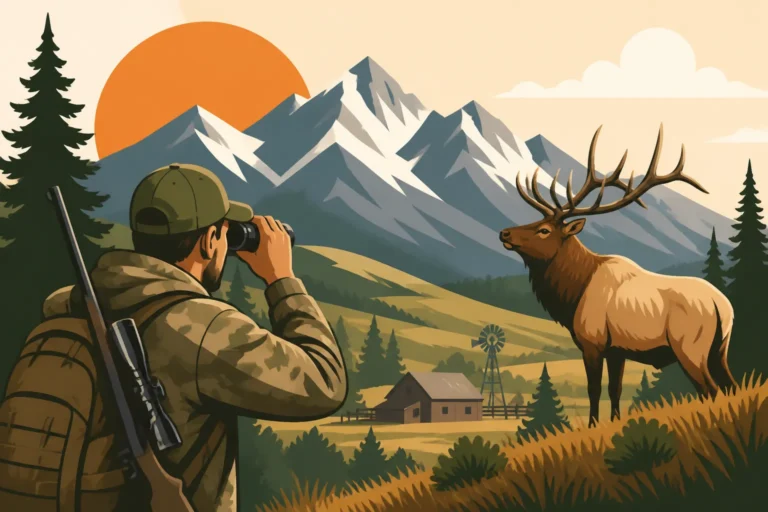
Finding the right hunting outfitter in a vast state like Colorado can feel like trying to find a needle in a haystack, especially when you're targeting a specific, sought-after region like Salida. The beautiful, rugged landscape around Salida offers incredible opportunities for elk, mule deer, and more, but it also presents unique challenges. This guide is here to walk you through everything you need to know about locating, vetting, and planning an unforgettable hunt with a reputable outfitter near Salida, ensuring your adventure is well-prepared and successful.
Why Consider an Outfitter Near Salida, Colorado?
Salida, nestled in the heart of the Rocky Mountains, is a gem for outdoor enthusiasts, and that absolutely includes hunters. But let's be real, Colorado hunting isn't for the faint of heart or the unprepared. The terrain is brutal, the weather is unpredictable, and the animals are smart. This is where a local outfitter truly shines, transforming a potentially overwhelming trip into a focused, productive, and memorable experience.
The Unique Appeal of the Salida Region
The area surrounding Salida boasts some truly iconic Colorado landscapes. To the west, you have the edge of the vast San Juan Mountains, and to the east, the dramatic peaks of the Sangre de Cristo Range stand tall, forming a natural corridor for wildlife. This region is a melting pot of varied habitats: high-elevation timber, alpine basins, thick aspen groves, and sagebrush draws along the Arkansas River valley. It’s primarily within or borders the San Isabel National Forest and segments of the Rio Grande National Forest, offering immense public land opportunities, but also vastness that can swallow an unprepared hunter whole.
For hunters, this diverse landscape means a healthy population of elk and mule deer. You'll find pockets of black bear, and even opportunities for bighorn sheep in certain units. The sheer scale and ruggedness of these mountains, though breathtaking, can be daunting. An outfitter who lives and breathes this country understands the nuances of animal movement, water sources, and bedding areas – knowledge that takes decades to acquire on your own. They know where the elk are likely to be bugling during the rut, or where the mule deer will be seeking refuge during late-season snowstorms.
Navigating Public vs. Private Land Challenges
Colorado's land ownership can be a complex mosaic of public and private parcels, often creating frustrating "checkerboard" situations where public land access is difficult without crossing private property. While the San Isabel National Forest offers millions of acres of public access, knowing where to go within those vast tracts to avoid crowds and find game is an art. Many prime hunting areas are found on public lands that are difficult to access, or they border private ranches where animals often retreat.
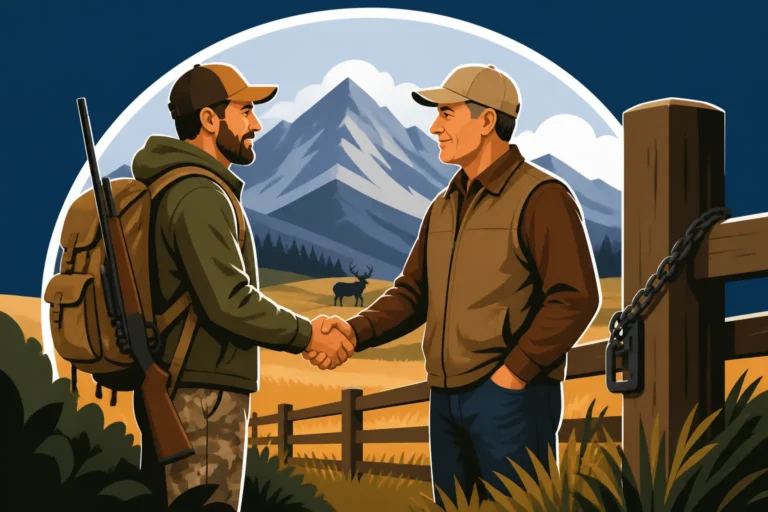
An outfitter based near Salida often has established relationships with private landowners or holds special use permits for specific national forest areas. This can be a game-changer. Imagine having exclusive access to a private ranch that borders a known elk migration corridor, or a permit to hunt a remote basin in the wilderness that few DIY hunters ever reach. These advantages can significantly increase your chances of success, allowing you to focus on the hunt rather than constantly checking your GPS for property lines or battling crowds on heavily pressured public areas. They can also guide you through remote stretches, teaching you How to Find Elk Refuge Areas where undisturbed game tends to hold up.
What to Look For in a Colorado Hunting Outfitter Near Salida
Choosing the right outfitter is arguably as important as drawing a good tag. It can make or break your hunting experience. Don't rush this decision. Do your homework, ask tough questions, and ensure they're a good fit for your hunting style and expectations.
Experience and Reputation
When you're looking for an outfitter near Salida, experience in that specific geographic area is paramount. A guide who has hunted the San Isabel National Forest for twenty years will have invaluable insight into the local elk herds and mule deer patterns that someone new to the area simply won't possess. Ask them about their tenure in the Salida region. What species do they primarily hunt? While many offer both elk and deer, some might have a stronger track record with one over the other.
Reputation isn't just about success rates; it's about the entire client experience. Look for outfitters with a solid history of client satisfaction, ethical hunting practices, and clear communication. Don't just rely on testimonials on their website; ask for a list of recent references. Talk to past clients about their experience, paying attention to details like guide professionalism, camp conditions, food quality, and the overall atmosphere of the hunt. It's also crucial to verify their licensing. All legitimate Colorado outfitters must be licensed by the Colorado Outfitter and Guides Association or through the Division of Professions and Occupations. This ensures they meet professional standards and carry appropriate insurance. You can often check this through the Colorado Parks and Wildlife website or the DORA (Department of Regulatory Agencies) database.
Types of Hunts Offered
Outfitters near Salida generally offer a few different types of hunting packages, each with varying levels of service and cost. Understanding these options will help you choose what's best for your budget and preferred hunting style.
-
Fully Guided Hunts: This is the most comprehensive package. You typically arrive at a base camp, often a lodge or wall tents, where all your meals, lodging, and transportation in the field are taken care of. A dedicated guide (or guides, depending on the hunter-to-guide ratio) will accompany you in the field each day, scout for game, call animals, help with tracking, and assist with field dressing and packing out your animal. This is ideal for first-time western hunters, those new to the area, or anyone who wants a truly immersive, hands-off experience where all the logistics are handled. Most outfitters offering Colorado Archery Elk Hunting Guide or Colorado Rifle Elk Hunting Guide will have fully guided options.
-
Semi-Guided Hunts: These hunts offer a middle ground. An outfitter might provide a camp setup, food, and maybe even show you some promising areas, but you'll do most of the actual hunting on your own or with your group. They might assist with packing out an animal if you harvest one. This option suits hunters who have some western hunting experience and prefer more independence but still appreciate the convenience of a pre-set camp and local advice.
-
Drop Camp Hunts: For the truly adventurous DIY hunter who still needs help with logistics, a drop camp is a fantastic option. The outfitter packs you and your gear (and often food, if arranged) into a remote backcountry location, sets up a camp (usually sturdy wall tents), and then leaves you to hunt independently. They return on a pre-determined date to pack you and any harvested game out. This provides access to incredible wilderness areas without the physical burden of packing in all your own gear, or knowing How to Set Up a Colorado Drop Camp. These hunts demand a higher level of self-sufficiency, navigation skills, and physical fitness.
Many outfitters in the Salida area will offer private ranch hunts, which often involve access to land where game isn't as pressured and success rates can be higher, though costs are usually steeper. Others specialize in public land hunts, using their knowledge to find less-pressured areas within the vast national forests. Clarify which type of land you'll be hunting and what specific seasons (e.g., Colorado Archery Season Dates, Colorado 2nd Rifle Season Dates) the outfitter specializes in.
Understanding Pricing and Inclusions
Hunting in Colorado, especially with an outfitter, is an investment. Prices vary wildly depending on the species, the type of hunt, the duration, and the outfitter's reputation. A fully guided 5-7 day elk hunt in the Salida area can range from $5,000 to $10,000 or more, not including licenses, tags, or personal expenses. Mule deer hunts might be slightly less, while specialized hunts for bighorn sheep (if available through an outfitter with a private land voucher) can be significantly more.
It's absolutely critical to get a detailed breakdown of what's included in the price. Typically, a guided hunt includes:
- Guiding services
- Lodging and meals during the hunt
- In-field transportation
- Field dressing and basic caping of your animal
- Packing out of your harvested game
What's not usually included, and crucial to budget for, are:
- Colorado hunting license and tag: These are separate costs and must be purchased through Colorado Parks and Wildlife (CPW). Non-resident big game licenses can be hundreds of dollars. You'll need to understand the Colorado Draw System and Preference Points or potentially explore Colorado OTC Elk Tags Explained if available.
- Travel to and from Salida: Flights, rental cars, gas.
- Meat processing and taxidermy: After your animal is packed out, you're responsible for getting it to a processor or taxidermist, which incurs additional fees.
- Gratuities: It is customary to tip your guide and camp staff for their hard work. A good rule of thumb is 10-20% of the hunt cost, given directly to your guide or split among the staff.
- Personal gear: All your clothing, boots, optics, and weapon.
- Pre- and post-hunt lodging/meals: If you arrive a day early or stay a day late in Salida, those costs are on you.
Make sure all these details are in writing, preferably in a contract. Don't be shy about asking for clarification on any line item.
Finding and Vetting Outfitters for Your Salida Hunt
Once you understand what you're looking for, it's time to dive into the research phase. This can be time-consuming, but it's time well spent to ensure you find a reliable and ethical outfitter.
Utilizing Online Resources and Platforms
The internet is a powerful tool for initial research. Websites like BookYourHunt and GoHunt are excellent starting points. BookYourHunt, for example, allows you to search for outfitters by species, location (like Colorado and specifically the Salida area), hunt type, and even date. You can often see photos, read reviews from other hunters, and get a general idea of pricing and available dates. GoHunt offers valuable insight into hunt planning, draw odds, and often lists reputable outfitters.
When using these platforms or just performing a general web search, pay close attention to the outfitter's website. Is it professional and up-to-date? Does it clearly outline their services, prices, and contact information? Look for mention of specific GMUs (Game Management Units) they operate in around Salida, such as GMU 55, GMU 68, or GMU 86, which are common elk and deer units in the vicinity. Social media can also provide a glimpse into their recent hunts and client interactions, but always take those with a grain of salt. While these platforms are fantastic for discovery, they are just the first step.
Key Questions to Ask Prospective Outfitters
After narrowing down your choices, prepare a list of detailed questions for each outfitter. Don't hesitate to call them directly; a good outfitter will be happy to answer your questions thoroughly.
Here are some essential questions:
- Success Rates: What are your typical success rates for the species and weapon type I'm interested in? How do you define "success" (harvesting an animal vs. having an opportunity)? Be realistic; 100% success rates are a red flag.
- Guide-to-Hunter Ratio: What is your typical guide-to-hunter ratio? One-on-one is ideal but more expensive. One guide to two hunters is common.
- Terrain and Physicality: Describe the terrain we'll be hunting. What is the average elevation? How physically demanding is the hunt? This is crucial for How to Physically Prepare for Colorado Elk and to avoid surprises.
- What Happens If I Wound an Animal? This is critical. What's their policy on tracking, and how long will they pursue a wounded animal?
- Accommodations and Meals: Describe the camp setup. What kind of food is provided? Can you accommodate dietary restrictions?
- Gear Recommendations: Do you provide a packing list? Are there any specific gear recommendations (e.g., boot type, optics)?
- Transportation: How will we get to and from hunting areas each day?
- Emergency Procedures: What are your emergency communication and evacuation protocols in case of injury or severe weather?
- References: Can you provide a list of 3-5 recent references (within the last 1-2 years) who hunted the same species and hunt type I'm interested in? Make sure to follow up and call every one of them.
- Contract and Payment: What does the contract look like? What are the payment terms, deposit requirements, and cancellation policy?
- Tag Acquisition: How do most of your clients acquire tags for this unit/season? Do you offer any guaranteed landowner tags? (This is more common for mule deer or pronghorn than elk, but worth asking).
Listen not only to the answers but also to the outfitter's communication style. Are they patient, transparent, and willing to share details? A good outfitter builds trust from the first conversation.
The Importance of Local Connections
While online research is excellent, nothing beats local intelligence. If possible, consider taking a scouting trip to Salida before you book. Even if you don't connect with an outfitter directly, spending a few days in the area can give you a feel for the terrain, the weather, and the general vibe.
Talk to locals! Stop by the Salida Mountain Sports shop, grab a coffee at a local cafe, or have a meal at a popular diner. Casually ask about hunting in the area. Locals often know which outfitters have a good reputation and which ones to avoid. They might even offer insights into the behavior of elk or deer in specific drainages. Remember to be respectful and appreciative of their time and knowledge. Sometimes, the best advice comes from an unexpected conversation with a seasoned local. These informal conversations can often help you verify or question what you've heard online and solidify your choice for a Colorado hunting outfitter.
Planning Your Outfitted Hunt in the Salida Region
Once you've chosen and booked your outfitter, the real planning begins. There's more to an outfitted hunt than just showing up. Proper preparation ensures you maximize your investment and have the best possible experience in the challenging Colorado high country.
Tag and License Considerations
This is arguably the most critical step after booking your outfitter. Colorado has a complex licensing system, primarily relying on a draw system with preference points for most big game tags. Most non-resident elk tags, especially for bulls in prime units around Salida, will require several preference points to draw. Mule deer tags are also highly sought after.
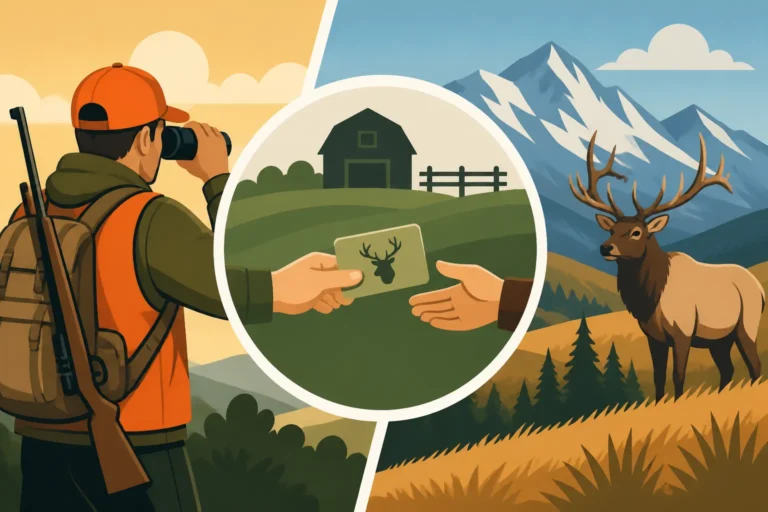
Your outfitter should be able to advise you on the specific hunt code for the unit and season you'll be hunting. You'll then need to apply through the Colorado Parks and Wildlife (CPW) website during the application period (typically in April). Make sure you understand Colorado Big Game Draw Deadlines and how Colorado Preference Points Explained work. If you don't have enough points for a draw tag, some outfitters might offer hunts on private land where landowner vouchers can guarantee you a tag, though these often come at a premium cost. For specific seasons like the first rifle or fourth rifle, it's very common to need to draw a tag.
It's important to differentiate between your hunting license (which you purchase annually) and your actual big game tag (which you apply for). You'll also need a Habitat Stamp. Your outfitter can usually walk you through the specifics of How to Apply for a Colorado Hunting License and ensure you're squared away with the necessary permits well in advance of your hunt.
Physical and Mental Preparation
Hunting in the mountains around Salida is physically demanding, no matter how fit you think you are. Elevations often range from 8,000 feet to over 12,000 feet, where the air is thin and every step feels like two. You'll be climbing steep slopes, navigating uneven terrain, and potentially packing heavy loads.
Start your physical conditioning months in advance. Focus on cardiovascular endurance (hiking, running, stair climbing with a weighted pack), leg strength, and core stability. Incorporate squats, lunges, and calf raises. If you live at a lower elevation, seriously consider Altitude Training for Colorado Hunting. Even a few days of pre-acclimatization in Salida (elevation 7,083 ft) before heading into higher country can make a significant difference. Staying hydrated in the weeks leading up to your hunt is also crucial.
Beyond physical fitness, mental toughness is key. Western hunting involves long days, early mornings, cold weather, and often, periods of boredom or frustration when animals aren't cooperating. Be prepared for setbacks and maintain a positive attitude. Your outfitter and guides are there to help, but your resilience will contribute greatly to the overall success and enjoyment of the trip.
Gear and Logistics
Your outfitter will provide a detailed gear list, but some items are universally critical for a Colorado mountain hunt.
- Layered Clothing: Colorado weather is famously unpredictable. You can experience all four seasons in a single day. Think merino wool or synthetic base layers, insulating mid-layers (puffy jacket, fleece), and a waterproof/windproof outer shell. Avoid cotton at all costs.
- Footwear: High-quality, broken-in hunting boots are non-negotiable. They need to be waterproof, provide excellent ankle support, and have stiff soles for traversing rocky terrain. Look for boots designed for mountain hunting. Our guide on Best Boots for Colorado Elk Hunting offers some great suggestions.
- Backpack: A comfortable, appropriately sized backpack is essential, whether you're carrying just day-hunt essentials or need to haul out meat. A good internal frame pack is often recommended. Check out our advice on the Best Backpack for a Colorado Elk Hunt.
- Optics: High-quality binoculars (10×42 or 12×50) and a spotting scope (if hunting open country) are vital for locating game. A rangefinder is also a must-have for ethical shot placement in steep terrain.
- Weapon: Ensure your rifle or bow is sighted in and you're proficient with it at various ranges and angles. Practice shooting uphill and downhill.
- Navigation: While your guide will lead the way, it's wise to carry your own GPS or a mapping app like OnX Hunt on your phone, along with a compass and paper map, as a backup.
- Hydration: Water bladders and bottles are critical. You'll be burning calories and sweating, even in cold weather.
Logistics after the shot: Discuss with your outfitter how they handle meat processing and taxidermy. Many outfitters will take your animal to a local processor in Salida or nearby towns like Poncha Springs or Buena Vista, but you will be responsible for the cost and coordinating pickup or shipping. If you're flying, be aware of TSA regulations for shipping antlers and meat. Learning How to Pack Out an Elk in Colorado is a valuable skill, even if your outfitter handles the heavy lifting.
| Hunt Type | Description | Ideal For | Pros | Cons | Average Non-Resident Cost (5-7 days, excl. tag/tip) |
|---|---|---|---|---|---|
| Fully Guided | All-inclusive: guide, lodging, meals, in-field transportation, assistance with field dressing & packing. | First-time hunters, less experienced, seeking maximum convenience and expertise. | Highest success potential, all logistics handled, invaluable local knowledge. | Most expensive, less independence, fixed schedule. | $5,000 – $10,000+ |
| Semi-Guided | Camp/lodging, some advice/scouting, but hunters mostly self-direct in the field. May assist with game retrieval. | Experienced hunters wanting some support but more independence. | More affordable than fully guided, still benefits from local base camp/advice, more freedom. | Requires good self-navigation/hunting skills, less direct guidance in the field. | $3,000 – $6,000 |
| Drop Camp | Outfitter packs hunters/gear into remote camp, picks up later. Hunters operate independently in between. | Highly experienced, self-sufficient hunters seeking remote wilderness access. | Access to deep backcountry, truly DIY hunt, affordable compared to guided. | No guide, no assistance until pickup, high self-reliance, rigorous physical demands. | $1,500 – $3,500 |
This table provides a general overview, and specific services and costs can vary significantly between outfitters. Always confirm details directly.
Disclaimer
Please remember that hunting regulations, season dates, and license requirements in Colorado can change. Always verify the most current information with Colorado Parks and Wildlife (CPW) directly before making any plans or financial commitments. This guide is for informational purposes only and should not be considered legal advice or a substitute for official CPW resources.