Colorado Private Land Elk Hunting
Anyone who's spent a season battling crowds on Colorado's public lands knows the frustration of feeling like you're always a step behind the elk and a step ahead of another hunter. The sheer pressure can make a truly fulfilling hunt feel like a pipe dream. This guide dives deep into an often-overlooked alternative: private land elk hunting in Colorado, explaining how it works, the distinct advantages it offers, and how you might just secure that elusive access for a more serene and potentially successful hunt.
Why Private Land Elk Hunting is a Game Changer
Let's be honest, hunting public land in Colorado, especially for elk, can sometimes feel more like a foot race than a serene wilderness experience. You scout hard, find a honey hole, only to show up opening morning and find three other trucks already parked there. Private land hunting, on the other hand, often offers a completely different world, providing a sanctuary for elk and a more exclusive experience for hunters. It's not always easy to get on, but the benefits can be immense.
Reduced Pressure and Increased Elk Encounters
One of the most immediate and appealing advantages of private land is the dramatic reduction in hunting pressure. Elk are smart animals, and they learn quickly where they are safe and where they are not. When public land gets pounded by hunters, elk often retreat to adjacent private property, seeking refuge in areas where human intrusion is minimal. This means that if you have access to these private parcels, you're essentially hunting where the elk want to be.
Imagine this scenario: It's opening morning of a rifle season. On public land, you're likely bumping into other hunters every mile. But on a large private ranch, you might be the only group, or one of a very select few. This low-pressure environment allows elk to follow their natural patterns without constant disruption. They feed, bed, and move more predictably, making them easier to pattern and ultimately, to find. This isn't just theory; it's a well-observed phenomenon that many experienced hunters in Colorado have witnessed firsthand.
Enhanced Hunt Quality and Success Rates
Beyond simply seeing more elk, hunting on private land often translates to a higher quality experience. Fewer hunters mean less competition for animals, less noise, and a greater sense of wilderness immersion. You can take your time, strategize without worrying about someone else cutting you off, and truly enjoy the process of the hunt. This improved environment can significantly boost your chances of success, whether that's filling a tag or simply having a memorable, unpressured hunt.
Many private ranches are actively managed for wildlife, including elk. This might involve habitat improvements, food plot plantings, or controlled grazing that benefits elk populations. When landowners invest in their land for wildlife, it directly benefits the hunter. While public land offers incredible adventures, the managed aspect of private land can provide more consistent opportunities. For those looking for a truly epic experience or a higher probability of success, exploring Colorado Private Land Elk Hunting can be a very compelling option.
Understanding Private Land Access Options
Securing private land access for elk hunting in Colorado isn't a one-size-fits-all endeavor. There are several distinct avenues you can explore, each with its own set of advantages, disadvantages, and financial implications. Understanding these options is the first critical step toward planning your hunt. It’s not just about finding land; it’s about finding the right type of access that fits your hunting style and budget.
Outfitter and Guide Services
For many, booking a guided hunt through an outfitter is the most straightforward path to private land access. Colorado is home to numerous reputable outfitters who lease vast tracts of private land, sometimes hundreds or thousands of acres, specifically for hunting. These services often include lodging, meals, transportation in the field, and the expertise of experienced guides who know the land and the elk patterns intimately.
Outfitters typically offer a range of packages, from fully guided trips where everything is taken care of, to semi-guided options where you might handle your own cooking or some of the in-field logistics. The biggest advantage here is convenience and expertise. You're leveraging someone else's relationships and knowledge. The downside, of course, is the cost, which can be substantial. However, for a hunter looking for a high-quality experience with a solid chance at success, and without the hassle of securing permission or property, this can be an excellent choice. If you're considering this route, you'll want to read up on our guide to Colorado Elk Hunting Outfitters Guide to learn more about what to expect and how to choose the right one.
DIY Leases and Permission
This option appeals to the more independent hunter who enjoys the challenge of a do-it-yourself hunt but craves the exclusivity of private land. A private land lease involves paying a landowner a fee for exclusive hunting rights to their property for a specific period, often a season or year. This can range from a small parcel to a large ranch, depending on what's available and your budget. Getting permission directly from a landowner, without a formal lease or payment, is the holy grail for many, though it’s increasingly difficult to secure.
Finding these opportunities usually requires a lot of groundwork. It means knocking on doors, making phone calls, and building relationships with landowners. Sometimes it’s about providing a service in return, like helping with fence repair or cattle work. While it offers immense flexibility and can be more budget-friendly than a fully guided trip, the effort involved in finding and securing a good lease or permission can be significant. This option is certainly more akin to a Colorado DIY Elk Hunting Guide experience, just on private ground.
Ranching for Wildlife Program
Colorado Parks and Wildlife (CPW) offers a unique program called Ranching for Wildlife (RFW). This program provides incentives to private landowners to manage their property for wildlife habitat in exchange for the ability to sell a certain number of hunting licenses. These RFW ranches offer both public and private hunting opportunities, with some tags being available through the draw system and others directly sold by the ranch.
The RFW program can provide access to some truly incredible hunting properties that would otherwise be completely inaccessible to the average hunter. The quality of animals and habitat on many RFW ranches is exceptional. For hunters, it means a chance to hunt prime private land, sometimes with draw odds that are better than typical public land units, or by purchasing a voucher directly from the ranch. It's a fantastic middle ground that blends private land quality with structured access. Our guide to Colorado Ranching for Wildlife Explained delves deeper into how this system works and how you can take advantage of it.
Finding and Securing Private Land Access
So, you're convinced private land is the way to go. Great! Now comes the challenging part: actually finding and securing that coveted access. This isn't always easy, and it often requires persistence, good communication skills, and a bit of luck. But with the right approach and tools, it's definitely achievable.
Using Digital Mapping Tools and Scouting
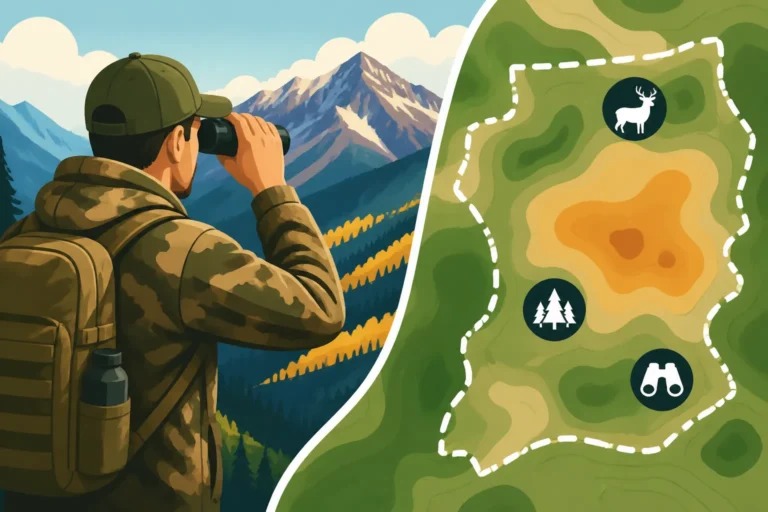
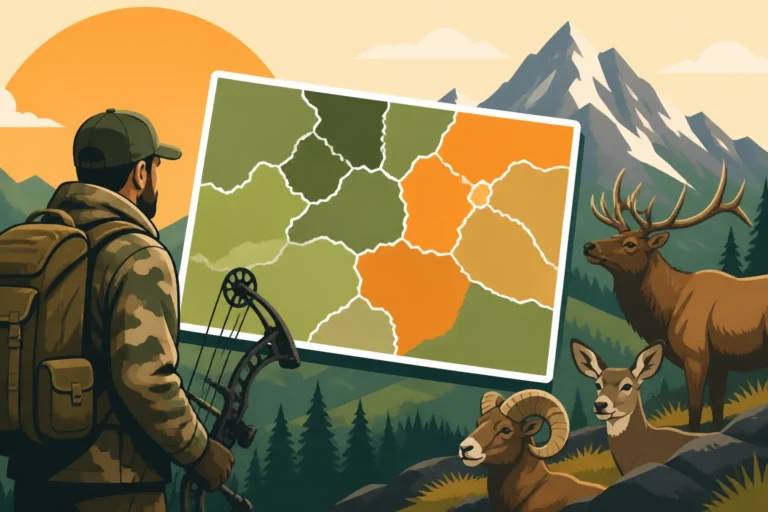
Before you even think about knocking on a landowner's door, you need to know who owns the land and what it looks like. This is where modern digital mapping tools become absolutely invaluable. Platforms like onX Hunt allow you to overlay private property boundaries, identify landowners, and even get contact information in some cases. You can e-scout potential properties from your couch, looking for key features like water sources, timbered bedding areas, and natural travel corridors that elk would use.
Start by identifying areas known for good elk populations, often adjacent to public land wilderness areas or national forests. Then, zoom in on the private parcels in those regions. Look for large tracts of land that appear to have good habitat and limited human development. Once you have a list of potential properties, use the landowner information provided by mapping apps or county assessor websites to identify the owners. This digital reconnaissance is a crucial first step, letting you narrow down your focus before making any direct contact. Consider checking out our post on How to Use onX for Colorado Hunting for a more detailed tutorial on leveraging this powerful tool.
Networking and Direct Contact with Landowners
This is arguably the most effective, albeit challenging, method for securing private land access, especially for a DIY permission or lease. It's all about building relationships. Don't just show up on a landowner's doorstep cold. Send a well-written letter introducing yourself, explaining your respectful hunting philosophy, and asking if they might consider allowing access, perhaps in exchange for help around the property.
If you do approach in person, be polite, respectful, and prepared for a "no." Many landowners have had bad experiences with hunters, so demonstrating you're different is key. Offer to help with chores, respect their property implicitly, and emphasize safety. Sometimes, joining local conservation groups or hunter associations can help you network with people who might have existing landowner relationships or know of opportunities. Patience and persistence are absolutely essential here. Our guide on How to Get Landowner Permission in Colorado offers more tips and strategies for this often-difficult endeavor.
Booking Through Brokers and Websites
In addition to direct contact, there are hunting brokers and online platforms that specialize in connecting hunters with private land opportunities. These services act as intermediaries, streamlining the process of finding and booking private land hunts or leases. Websites like GoHunt and other specialized hunting platforms often list available hunts, including those on private ranches, complete with details on prices, dates, and what's included.
These services can save you a tremendous amount of time and effort in finding landowners and negotiating terms. They typically work with established outfitters and ranches, offering a curated selection of hunts. While there might be a premium for the convenience, it's often a worthwhile investment for hunters who have limited time for research or prefer a more structured booking process. This method can also be a good way to find available Colorado Landowner Vouchers Explained if you're looking for tags tied to specific private properties.
Key Considerations for Private Land Elk Hunts
Even once you've secured private land access, there are still several important factors to consider to ensure a successful and ethical hunt. It's not just about having a place to hunt; it's about making the most of that opportunity while maintaining good relations and respecting the land.
Cost and Budgeting
Private land hunting, whether through an outfitter, a lease, or a landowner voucher, almost always comes with a higher price tag than an over-the-counter public land tag. Outfitters can range from a few thousand dollars to well over $10,000 for a prime elk hunt. Private leases vary wildly depending on acreage, location, and game quality, but expect them to be hundreds to thousands of dollars. Even RFW tags purchased directly from a ranch will typically be more expensive than standard draw tags, though they offer prime access.
When budgeting, consider not just the access fee or outfitter cost, but also travel expenses, lodging (if not included), food, gear, and meat processing. It’s important to have a clear understanding of all potential expenses upfront. Don't hesitate to ask outfitters or landowners for a detailed breakdown of costs. This due diligence will prevent any unwelcome surprises down the line and ensure you're fully prepared for the financial commitment. To get a broader perspective on overall expenses, it's helpful to review information on Colorado Hunting License Costs.
Legalities and Agreements
Before stepping foot on any private land, ensure you have a clear, written agreement. This is crucial whether you're working with an outfitter, leasing directly from a landowner, or even just getting verbal permission (though written is always better). This agreement should detail the specific dates of access, the areas you are allowed to hunt, the species and number of animals you can harvest, and any specific rules or restrictions imposed by the landowner.
Always verify that the person granting access is indeed the owner or has legal authority to grant hunting rights. You'll also need to comply with all Colorado Parks and Wildlife regulations, including having the appropriate licenses and tags for the unit and season. Ignorance of the law is no excuse, and violating state regulations, even on private land, can lead to significant penalties. Make sure you understand all the nuances of Colorado Hunting Seasons Explained for your specific area.
Ethical Hunting Practices and Landowner Relations
Your behavior on private land directly impacts your reputation and potentially the access of future hunters. Always adhere to the highest ethical hunting standards. This includes knowing your target, making clean shots, and diligently tracking and recovering any wounded animal. Pack out everything you pack in, and leave no trace. Be mindful of livestock, fences, and any existing infrastructure.
Maintaining a positive relationship with the landowner is paramount. Communicate openly, follow all their rules, and express gratitude for the opportunity. If you secure a permission or lease, consider sending a thank-you note, perhaps even offering some of the harvested meat. A positive experience for the landowner can lead to repeat access for you and open doors for others. Treat their land with more respect than you would your own, and you'll solidify your position as a trusted and welcome guest. Remember, good relations can often lead to finding some of the Best Colorado Elk Hunting Areas for Beginners or even seasoned hunters looking for less pressure.
| Access Method | Typical Cost Range (per hunter) | Pros | Cons | Ideal For |
|---|---|---|---|---|
| Guided Outfitter Hunt | $4,000 – $15,000+ | High success rates, all-inclusive, expert guidance | Very expensive, less DIY, fixed dates | First-time western hunters, those seeking high success, limited time |
| Private Land Lease | $500 – $5,000+ | Exclusive access, DIY flexibility, potentially multi-species | Requires significant scouting, upfront cost, securing permission can be hard | Experienced DIY hunters, groups, recurring access desire |
| Ranching For Wildlife | Draw odds or $1,500 – $5,000+ | Access to prime habitat, managed properties, better draw odds (sometimes) | Tags can be limited or competitive, specific ranch rules | Hunters seeking quality without full outfitter cost, patient planners |
| Direct Landowner Permission | Free – Trade of Services | Most affordable, high flexibility | Very difficult to obtain, rare, high effort to build trust | Highly persistent, personable hunters, locals willing to work |
Disclaimer
Please be aware that hunting regulations, fees, and season dates in Colorado are subject to change. Always consult the official Colorado Parks and Wildlife (CPW) website for the most current and accurate information before planning any hunt. This guide is for informational purposes only and does not supersede state regulations.