Colorado Non-Resident Tag Allocation Explained
Colorado non-resident tag allocation details the sixty-five thirty-five license split and preference point systems for big game hunters.

Colorado non-resident tag allocation details the sixty-five thirty-five license split and preference point systems for big game hunters.

Colorado hunting tags require understanding residency rules, draw quotas, preference points, and cost differences between residents and non-residents.

Colorado youth hunting license rules detail age limits, required hunter education, mentored programs, application steps, and specific tags.
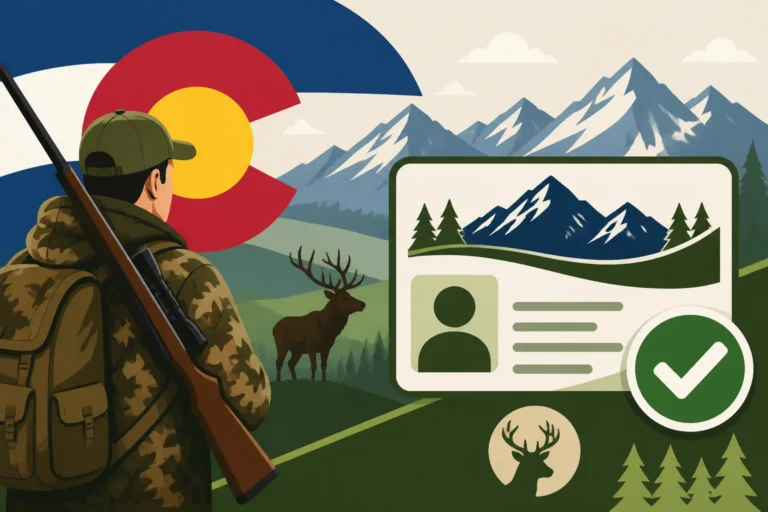
Colorado hunting regulations require a valid annual small game or fishing license before applying for big game draw tags.

Colorado hunting regulations require purchasing an annual Habitat Stamp to fund wildlife conservation projects and secure public land access.
Colorado landowner vouchers provide hunters a guaranteed license by bypassing the traditional public draw system for big game.

Colorado mule deer preference points determine tag draw odds across archery, muzzleloader, and rifle seasons based on specific hunting units.

Colorado preference point systems dictate elk tag draw odds through tiered allocations managed by Colorado Parks and Wildlife.

Colorado big game draw rules explain how preference points and bonus points manage elk, deer, moose, and bighorn sheep tag distribution.
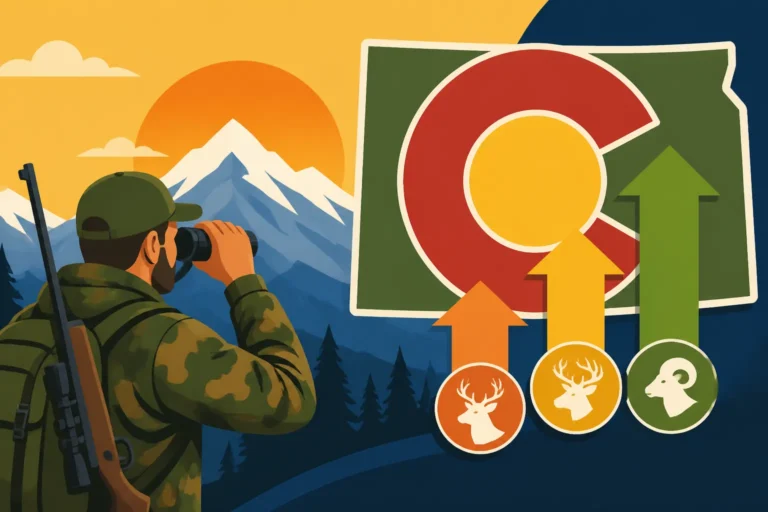
Colorado preference point rules dictate how hunters earn, use, and average points for elk, deer, and bear tags in the state draw.