Front Range Hunting Areas
Hunting in Colorado's Front Range can often feel like an uphill battle, especially when you're looking for quality opportunities so close to bustling metropolitan areas. Many hunters get discouraged, believing that all the prime spots are overrun with people or that big game simply doesn't exist within reasonable driving distance of Denver, Boulder, or Colorado Springs. But I'm here to tell you that with the right knowledge, persistent effort, and a realistic approach, the Front Range offers some truly remarkable, often overlooked, hunting experiences. This guide will walk you through everything you need to know to successfully navigate and hunt these unique areas, helping you understand the diverse landscape, identify key species, and employ crucial tactics to punch your tag.
Understanding the Front Range as a Hunting Landscape
When we talk about the Front Range, we're not just talking about the urban sprawl. We're referring to that incredible transition zone where the high plains meet the majestic Rocky Mountains. This area presents a fascinating mix of dense timber, open foothills, deep canyons, and accessible public lands. It's a place of stark contrasts, where you can be amidst heavy recreational traffic one moment and find yourself in surprisingly wild country the next.
Geographic Scope and Habitat Diversity
The Front Range encompasses a wide array of ecosystems, from the semi-arid grasslands and ponderosa pine forests of the lower foothills, through the aspen and lodgepole pine zones of the montane, all the way up to the subalpine fir and spruce forests at higher elevations. This incredible diversity means that different species thrive in different niches, offering varied hunting opportunities. For example, the lower, drier slopes might hold good populations of mule deer, while elk are more likely to be found higher up in the dense timber or secluded basins of areas like the Roosevelt National Forest or the Arapaho National Forest.
What makes this region particularly interesting for hunters is its "edge effect" – the transition zones between these different habitat types. These edges often concentrate wildlife, providing both food and cover. Picture a north-facing slope thick with dark timber meeting a south-facing slope with scattered pines and open meadows. That's prime habitat for everything from mule deer to black bears, and understanding these micro-habitats is key to unlocking success here.
Proximity to Urban Areas and Hunter Pressure
Let's be real: hunting the Front Range means dealing with people. You're never truly far from population centers, and that translates into significant hunter pressure, especially during opening weekends and popular seasons. It's not just other hunters, either. You'll encounter hikers, mountain bikers, dog walkers, and sightseers, particularly on weekends. This can be incredibly frustrating when you're trying to move stealthily or set up a calling sequence.
However, this pressure isn't always a bad thing. Often, the presence of humans pushes game deeper into less accessible areas, creating sanctuaries that dedicated hunters can learn to find. It teaches you to be adaptable, to hunt mid-week when possible, and to venture further off the beaten path than others might be willing to go. It forces you to refine your tactics, like how to move quietly through Colorado timber, and truly utilize tools like detailed topographic maps to find those hidden pockets of wilderness that others overlook. Accepting and planning for this reality is the first step to successful hunting in these dynamic zones.
Key Game Species Found in the Front Range
While you might not imagine the Front Range as a big game mecca, it supports a surprising number of species. Understanding what you're likely to encounter and where they prefer to live is critical for planning your hunt.
Mule Deer: The Foothills and Montane Habitat
Mule deer are perhaps the most common big game species encountered in the Front Range. They are incredibly adaptable, thriving in the mixed scrub brush, ponderosa pine forests, and aspen groves that characterize much of the foothills and lower to mid-montane elevations. You'll often find them browsing on bitterbrush, mountain mahogany, and various forbs.
Hunting mule deer in these areas often involves a lot of glassing and still-hunting. During the early archery and muzzleloader seasons, bucks might still be in bachelor groups in higher, secluded pockets. As rifle seasons progress, especially into November, the rut starts to kick in, and bucks become more active, moving lower and becoming more susceptible to calling and ambush tactics. Consider honing your Colorado Mule Deer Hunting: Spot-and-Stalk Tactics, as this is often the most effective way to pursue them in these undulating landscapes. Pay close attention to north-facing slopes and dense cover where deer will bed down during the day, especially if they've been pushed by human activity.
Elk: Elusive Herds in Pockets
While not as dense as some of Colorado's western slopes, elk do call the Front Range home. They tend to stick to the higher, more rugged, and timbered areas, often utilizing wilderness boundaries or deep canyons as refuge from pressure. Finding Front Range elk can feel like searching for a needle in a haystack, but when you do locate a herd, the reward is immense.
Elk in the Front Range are typically found in the montane and subalpine zones, preferring dark timber for bedding and grazing in small, secluded meadows or clearings. They are masters of using topography to their advantage, often moving into incredibly steep and thick country during the day and only venturing out to feed during low light. Learning how to find elk in deep timber is paramount here. Calling can be effective during the rut, but these pressured animals are often call-shy, making a silent approach or ambush more productive. For a comprehensive overview of pursuing these majestic animals, check out our Colorado Elk Hunting Methods Explained guide.
Other Opportunities: Bear, Turkey, Small Game
Beyond deer and elk, the Front Range offers a variety of other hunting opportunities:
- Black Bear: Colorado has a healthy black bear population, and the Front Range is no exception. Bears are often found in areas with oak brush, berry patches, and dense stands of conifer, especially during the fall when they are gorging themselves before hibernation. While bear tags are generally over-the-counter (OTC) or easy to draw, hunting them requires specific strategies, often focusing on food sources or incidental encounters while pursuing other big game. Our Colorado Black Bear Hunting Guide offers more in-depth advice.
- Turkey: Merriam's turkeys are abundant in many Front Range areas, particularly in the spring. They prefer ponderosa pine forests with open understories and riparian zones. Calling is key to turkey hunting success, and these birds offer a thrilling challenge. For more detailed information, consider reading our Colorado Turkey Hunting Guide.
- Small Game: Don't overlook the abundance of small game. Cottontail rabbits, snowshoe hares, various species of grouse (Dusky and Ruffed), and squirrels are all fair game. Small game hunting can be a fantastic way to introduce new hunters to the sport or to simply enjoy a less intense day afield. These animals often thrive in habitats similar to big game, allowing you to scout for larger species while enjoying a more relaxed hunt.
| Species | Typical Front Range Habitat | General Hunting Strategy | Difficulty (1-5) |
|---|---|---|---|
| Mule Deer | Foothills, Ponderosa Pine, Aspen groves | Spot-and-stalk, still-hunting, glassing secluded areas | 3 |
| Elk | Higher elevation dark timber, steep canyons, remote basins | Calling (often subtle), ambush, strenuous spot-and-stalk | 4-5 |
| Black Bear | Oak brush, berry patches, dense conifer forests | Spot-and-stalk around food sources, incidental encounters | 4 |
| Turkey | Ponderosa pine, riparian zones, mixed oak brush | Calling (especially in spring), roosting, ambush | 2 |
| Small Game | Varied: thickets (rabbits), conifer/aspen (grouse), hardwoods (squirrels) | Walk-up, flushing, calling (squirrel) | 1-2 |
Public Land Opportunities and Challenges
The vast majority of hunting in the Front Range occurs on public lands, primarily National Forests and Bureau of Land Management (BLM) acreage. Navigating these lands effectively requires a good understanding of boundaries and a willingness to explore.
National Forests and BLM Land Access
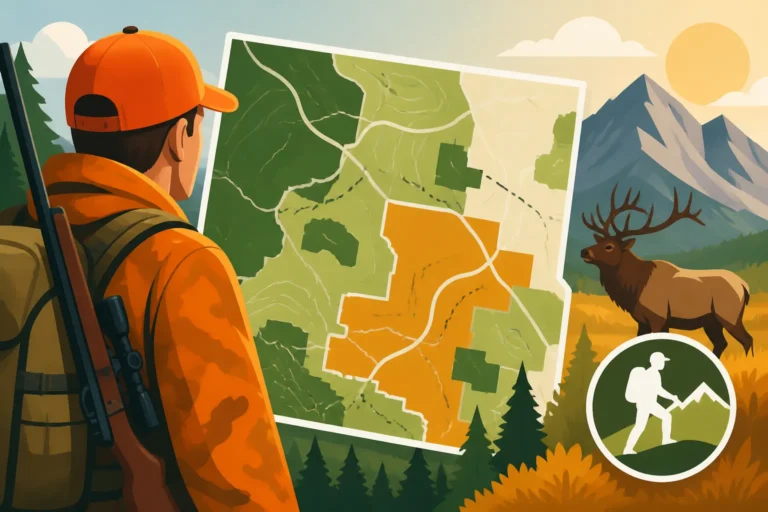
The largest swaths of public hunting land along the Front Range are found within the Roosevelt National Forest, Arapaho National Forest, and Pike National Forest. These vast areas offer diverse terrain, from easily accessible roadsides to rugged wilderness areas. While much of this land is open to hunting, specific regulations, closures, and restrictions can vary by district or even by specific unit. It's crucial to consult the Colorado Hunting Atlas Explained before heading out. This interactive map resource provided by Colorado Parks and Wildlife (CPW) is invaluable for identifying public access and understanding boundary lines.
BLM lands often present different opportunities. These areas tend to be lower in elevation, characterized by more open, rolling foothills and sagebrush country. They can hold good numbers of deer and pronghorn, though pronghorn are more common further east of the main Front Range mountains. BLM access points can sometimes be less obvious than National Forest trailheads, requiring careful research and scouting. Always double-check land ownership using a reliable mapping application like onX Hunt to avoid trespassing, as public and private parcels can be intermingled.
State Wildlife Areas and State Trust Lands
Colorado also boasts a network of State Wildlife Areas (SWAs) and State Trust Lands (STLs) that provide hunting access. SWAs are managed by CPW specifically for wildlife habitat and public recreation. Many SWAs along the Front Range, like those in the South Platte River corridor or near larger reservoirs, offer excellent bird hunting (pheasant, dove, waterfowl) and can also hold deer. Regulations for SWAs can be very specific, often requiring specific parking, walk-in access, or even reservations during certain seasons. Always check the CPW website for the specific SWA you plan to visit.
State Trust Lands are managed to generate revenue for public education, but many parcels allow public access for hunting and recreation, often requiring the purchase of a valid hunting license and a Habitat Stamp. These lands can be incredible resources, but they are frequently small, scattered parcels, often intermixed with private land. Again, an app like onX Hunt is indispensable for clearly identifying STL boundaries and ensuring legal access. It's like having a digital plat book right in your pocket, saving you from accidental trespasses and awkward encounters.
Dealing with Recreationalists and Boundary Lines
One of the biggest frustrations of hunting the Front Range is the sheer volume of non-hunting recreationalists. Hikers, mountain bikers, and dog walkers can inadvertently (or sometimes ignorantly) disturb game, making hunting more challenging. This is especially true on weekends and in areas close to popular trailheads. The key is to adapt your strategy. Consider hunting during weekdays if your schedule allows, or venturing into areas that are less appealing to general recreationalists – think steeper, thicker terrain, or areas further from established trails.
Boundary lines between public and private land are another constant challenge. In many Front Range GMUs, public land is a checkerboard of federal, state, and private parcels. It's imperative to know exactly where you are at all times. Carrying a GPS unit loaded with land ownership maps, or using a mobile app like onX Hunt or even referencing GoHunt maps on your phone, is non-negotiable. These tools can highlight private property in red, helping you avoid accidental trespasses which can quickly ruin a hunt and lead to legal trouble. Always err on the side of caution and give private property plenty of space.
Navigating Specific Hunting Areas and GMUs
Choosing the right Game Management Unit (GMU) in the Front Range is critical. While many units are open to hunting, some offer better opportunities or more accessible public land than others. Understanding the nuances of these units and leveraging technology for scouting can significantly increase your odds of success.
Notable Front Range GMUs
Several GMUs along the Front Range are popular for hunters, each with its own characteristics. Keep in mind that pressure is a factor in all of them, but diligent scouting can reveal hidden gems.
- GMU 38/39: These units are generally located north of Denver, encompassing parts of the Roosevelt National Forest. They offer varied terrain, from open foothills to dense timber at higher elevations. Mule deer are the primary draw here, with elk present but often in very specific, hard-to-reach pockets. Success often hinges on finding areas with limited road access and steep slopes.
- GMU 46/47/471: Located west of Denver, these units cover significant portions of the Arapaho and Pike National Forests, including areas near Idaho Springs and Georgetown. They are known for more rugged, mountainous terrain and offer opportunities for both deer and elk, though elk can be particularly elusive. GMU 471, for instance, has a lot of wilderness and roadless areas which means less pressure further in, but requires serious physical effort to access. Consider our Colorado Backcountry Hunting Guide if you plan to explore these deeper areas.
- GMU 50: Further south, west of Colorado Springs, GMU 50 also offers diverse habitat within the Pike National Forest. This unit can be particularly challenging due to pressure from the nearby city, but persistence can pay off. It holds deer, elk, and bear, especially in its higher, more remote sections.
When evaluating these GMUs, it's vital to research draw odds and tag availability. While some areas might offer over-the-counter (OTC) archery elk tags or leftover rifle tags, others will require preference points for deer. For a deeper dive into the Colorado draw system and understanding tag acquisition, check out our Colorado Draw System and Preference Points guide.
Using E-Scouting Tools for Success
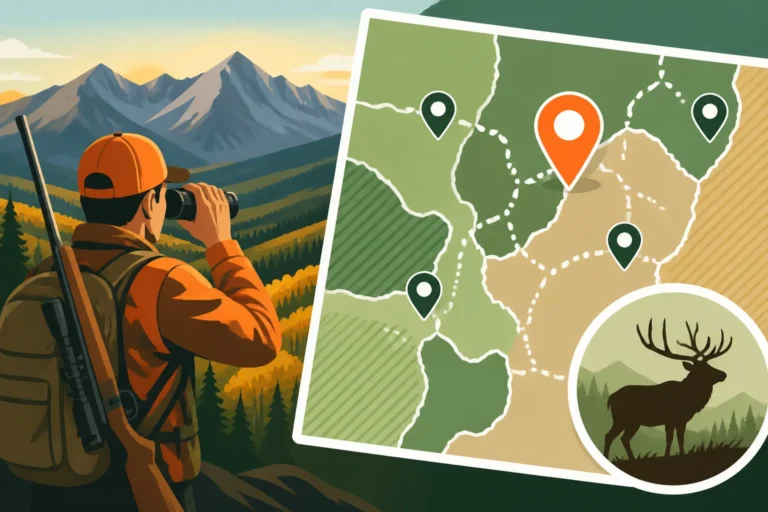
In today's hunting world, e-scouting is no longer a luxury, it's a necessity, especially when hunting pressured areas like the Front Range. Digital mapping applications and online resources can help you identify potential hunting spots, escape routes for game, and crucial access points without setting foot in the field.
Platforms like onX Hunt are truly game-changers. You can use them to:
- Identify Land Ownership: Clearly distinguish between public and private land, preventing accidental trespass. This is critical in checkerboard areas.
- Analyze Topography: Use 3D and topographic map layers to find benches, saddles, and drainages where game travels or beds. Look for north-facing slopes with dense cover, which are often preferred bedding areas for deer and elk, especially when pressured.
- Scout Access Points: Pin potential parking areas, trailheads, and game trails. You can even measure distances and elevation changes to gauge the effort required for a particular route.
- Observe Satellite Imagery: Look for changes in vegetation, water sources, or clearings that might indicate feeding areas or natural travel corridors.
Another valuable resource is GoHunt, which provides not only detailed maps but also harvest statistics, draw odds, and unit breakdowns. This kind of data can help you narrow down your GMU choices based on your target species and point accumulation. Learning how to E-Scout Before a Colorado Hunt will give you a significant advantage, allowing you to arrive in the field with a solid game plan and maximizing your time actually hunting, rather than scouting.
Tips for a Successful Front Range Hunt
Hunting in the Front Range demands a specific mindset and approach. It's not always about finding the biggest animal, but about outsmarting pressured game and enjoying the unique challenges this region presents.
Stealth and Patience in Pressured Areas
When you're hunting within earshot of a highway or just a short drive from a city, stealth becomes paramount. Every twig snap, every rustle of your clothing, and every scent you leave behind can send pressured game deeper into hiding.
- Move Slow and Observe: This isn't a race. Still-hunting, moving a few steps and then pausing for several minutes to scan and listen, is incredibly effective. Let your eyes do the walking. Often, a deer or elk will appear out of nowhere if you're patient enough to wait and watch the landscape.
- Use the Wind and Thermals: Understanding how the wind and thermals move through the mountains is crucial. In the mornings, thermals generally rise, carrying your scent uphill. In the evenings, they fall, carrying your scent downhill. Always try to hunt with the wind in your favor, keeping your scent from reaching the animals. This is especially important in areas where game is accustomed to human scent.
- Hunt Mid-Week and Off-Trail: Weekends are generally crowded. If you can hunt during the week, you'll encounter significantly less pressure. Furthermore, don't be afraid to leave established trails. Most casual hikers and hunters stick to the paths. The deeper you venture into thickets, up steep drainages, or across rugged ridges, the more likely you are to find unpressured game. This often means embracing a more rugged approach, similar to Colorado Backcountry Hunting Guide tactics, even if you're not miles from a road.
Physical Preparation and Altitude Considerations
Hunting the Front Range, even in its lower reaches, involves significant elevation changes. Many prime areas start at 7,000 feet and can climb well over 10,000 feet. If you're coming from sea level or a lower elevation, the altitude can hit you hard, impacting your energy levels and ability to perform.
- Pre-Season Fitness: Start a fitness regimen well in advance. Focus on cardiovascular endurance (running, hiking, stair climbing) and leg strength. Being able to hike uphill with a pack is not just about comfort; it can be the difference between getting to that hidden basin and turning back. Our How to Physically Prepare for Colorado Elk article offers excellent advice on this front.
- Acclimatization: If possible, arrive in Colorado a day or two before your hunt to allow your body to begin acclimating to the higher elevation. Stay hydrated, avoid excessive alcohol, and take it easy on your first day or two. Symptoms of altitude sickness can range from headaches and nausea to more severe issues, so listen to your body.
- Hydration and Nutrition: Carry plenty of water and calorie-dense snacks. The dry mountain air combined with physical exertion will dehydrate you quickly. Electrolyte supplements can also be beneficial.
Gear Selection for Varied Terrain
The diverse terrain of the Front Range means your gear needs to be versatile and reliable. You'll go from dry, dusty trails to wet, rocky creek beds, and from sun-baked slopes to shaded, cold timber in a single day.
- Layered Clothing: The weather in the mountains is notoriously unpredictable. Dress in layers that you can easily add or remove to regulate your body temperature. A good base layer, insulating mid-layers, and a waterproof/windproof outer shell are essential.
- Quality Footwear: Invest in comfortable, supportive, and waterproof hunting boots with good ankle support. You'll be covering miles over uneven ground, and happy feet are crucial for a successful hunt. Our Best Boots for Colorado Elk Hunting guide has some excellent recommendations that apply to Front Range conditions.
- Optics: A good pair of binoculars (10×42 or 10×50) is indispensable for glassing distant slopes and finding game without disturbing it. A spotting scope can also be beneficial for evaluating animals at extreme ranges.
- Navigation Tools: As mentioned,
onX Huntor a dedicated GPS unit is vital. Bring a portable power bank to keep your devices charged. - First-Aid and Emergency Gear: Always carry a comprehensive first-aid kit, a headlamp, fire-starting materials, and emergency shelter. Even a "day hunt" can turn into an unexpected overnight stay if you get lost or injured.
Remember, the Front Range might not scream "wilderness," but it demands respect and preparation like any other hunting ground. With a smart approach, you can have a deeply rewarding experience and find success closer to home than you might imagine.
Disclaimer
Hunting is an inherently dangerous activity. Always prioritize safety, follow all local and state regulations, and ensure you have the necessary licenses and tags before heading afield. This guide provides general information and recommendations; specific conditions and regulations can change. Consult the Colorado Parks and Wildlife website for the most current and accurate information.