Colorado Turkey Hunting Guide
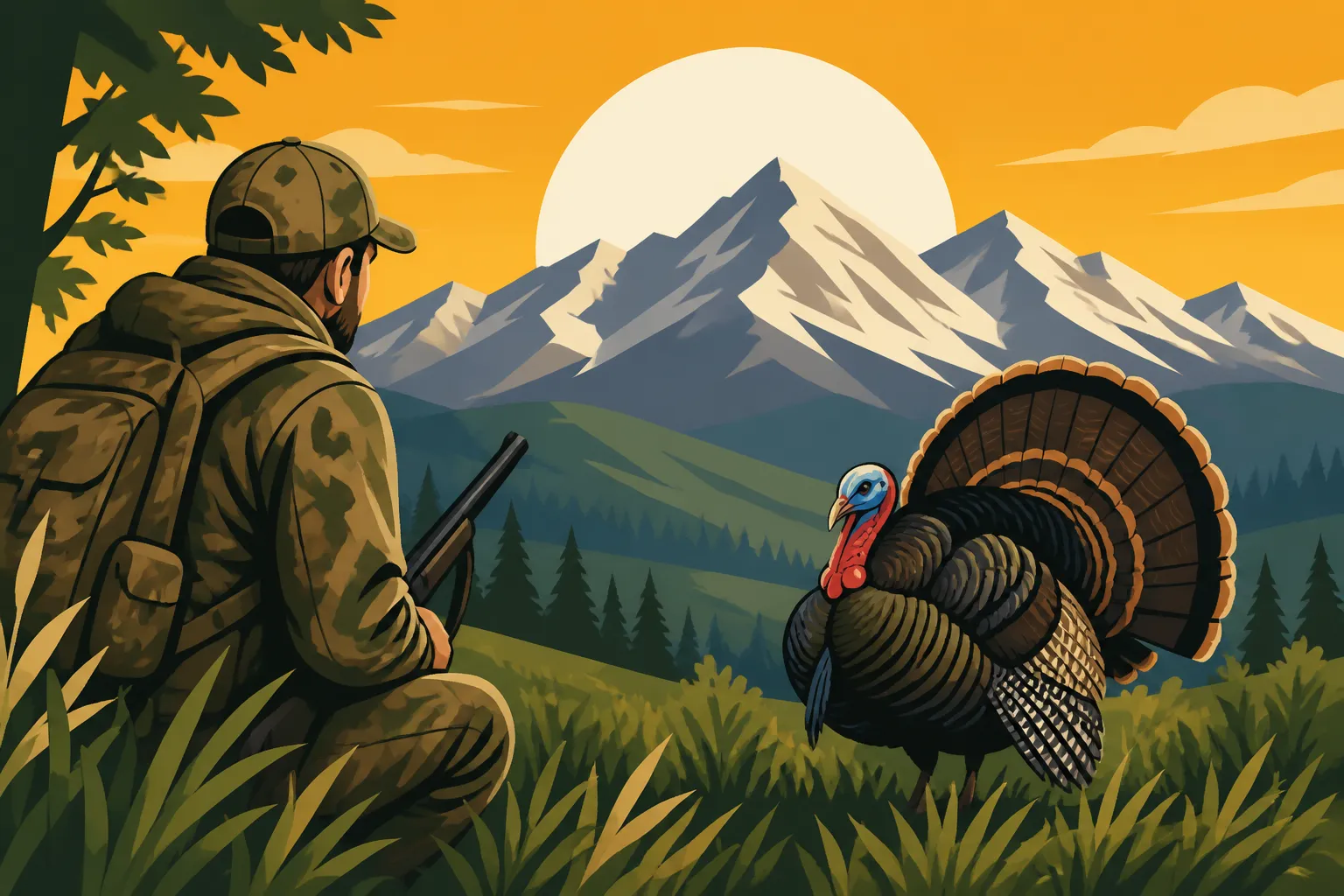
Hunting for wild turkeys in Colorado can feel like a riddle wrapped in an enigma, especially when you're dreaming of that vibrant Merriam's gobbler strutting through the ponderosa pines. It's not like hunting deer or elk; turkey hunting requires a whole different mindset, a mastery of calls, and an intimate understanding of their behavior. This comprehensive guide is here to untangle the complexities, offering you realistic insights and actionable strategies to help you successfully pursue wild turkeys across Colorado's diverse landscapes.
Understanding Colorado's Wild Turkey Species
When you think of turkey hunting in Colorado, one name should immediately spring to mind: the Merriam's wild turkey. While other subspecies exist in different parts of the country, Colorado is predominantly Merriam's country, offering a unique challenge and reward for hunters. Understanding these magnificent birds is the first step toward a successful hunt.
The Majestic Merriam's Turkey
The Merriam's turkey (Meleagris gallopavo merriami) is truly a sight to behold. Unlike their Eastern or Osceola cousins, Merriam's typically sport iridescent purple and bronze body feathers, with distinctive buff-white tips on their tail and tail covert feathers, and dark brown or black bars on their primary wing feathers. This coloration helps them blend seamlessly into the sun-dappled forests and open ponderosa parks they call home in the Western states. You'll often find them at higher elevations, particularly in the mountainous regions of Colorado, New Mexico, Arizona, and the Black Hills of South Dakota.
Hunting Merriam's can be a frustratingly rewarding endeavor. They tend to be less vocal than Easterns, especially as the season progresses or if they've been pressured. You might hear a booming gobble at sunrise, only for the bird to go completely silent once it hits the ground, making them incredibly difficult to pinpoint. Their range often includes steep, rugged terrain, meaning you'll need to be in decent shape to cover ground and get into position. It's a completely different ballgame than hunting in the flatlands, demanding patience, stealth, and a keen eye. To dive deeper into their specific characteristics, consider reading our guide on Colorado Merriam's Turkey Explained.
Habitat and Range for Colorado Turkeys
Colorado's diverse topography provides a perfect mosaic of habitats for wild turkeys. You'll typically find Merriam's thriving in areas characterized by open ponderosa pine forests, often intermixed with Gambel oak, pinyon-juniper woodlands, and riparian corridors along creeks and rivers. These areas provide the perfect blend of roosting trees, foraging grounds, and cover from predators.
Common areas where you might encounter Merriam's include the foothills and lower mountain elevations from about 6,000 to 10,000 feet. Good concentrations can be found in the southwest corner of the state, particularly around the San Juan National Forest and Uncompahgre National Forest. The Front Range also holds populations, often in areas like the Pike National Forest. The birds are widely distributed, so research is key. Using tools like the Colorado Parks and Wildlife (CPW) hunting atlas or mapping services like GoHunt can reveal public land access points and potential turkey hotspots, helping you identify areas with the right blend of habitat elements. Knowing the general Colorado Turkey Range and Habitat is crucial for planning your hunt. During spring, focus on south-facing slopes where snow melts faster, exposing early green-up and insect activity. In the fall, look for areas with abundant mast crops like acorns from Gambel oak, or lingering agricultural fields on the fringes of their range.
Navigating Colorado Turkey Seasons and Regulations
Understanding the intricate web of Colorado's hunting seasons and regulations is absolutely essential before you even think about hitting the woods. Colorado Parks and Wildlife (CPW) manages turkey hunting with specific seasons, bag limits, and licensing requirements that differ between spring and fall. Ignoring these details can lead to severe penalties and ruin what should be an incredible experience.
Spring vs. Fall Turkey Seasons
Colorado offers both spring and fall turkey hunting seasons, each with its own unique characteristics and strategies. The spring season is arguably the most popular, primarily because it coincides with the turkey's breeding season, making gobblers much more vocal and responsive to calls. This is when you'll hear those thrilling, ground-shaking gobbles echoing through the canyons, signalling prime time for calling them in. The spring season typically runs from mid-April through late May, though specific dates can vary by year and GMU (Game Management Unit). During spring, hunters are generally limited to one bearded turkey (a gobbler), which ensures the reproductive health of the flock.
Fall turkey hunting, while less common, offers a different kind of challenge and reward. The birds are usually grouped up more, often in larger flocks, and the emphasis shifts from calling to locating and breaking up these flocks, then calling individual birds back. This can be an incredibly effective method, especially for those who enjoy the strategic chess match of fall hunting. Fall seasons generally occur in September and October, sometimes extending into November. Regulations can vary more in the fall, with some units offering "either-sex" tags (allowing for a hen or a gobbler) and others being more restrictive. It's vital to check the current CPW regulations pamphlet annually, as specific season dates, bag limits, and unit restrictions can change. For a comprehensive overview, refer to our guide on Colorado Turkey Season Dates and Tags.
Tagging Requirements and License Information
To hunt turkeys in Colorado, you'll need to purchase a small game license, which is the foundational license for pursuing various species including turkeys, pheasants, and rabbits. In addition to the small game license, you'll need specific turkey tags or licenses for each bird you intend to harvest. For spring, these are typically over-the-counter (OTC) licenses for many units, though some highly sought-after areas might require drawing a tag. Fall turkey tags are also largely OTC but can have unit-specific restrictions.
The cost for licenses and tags differs between residents and non-residents, with non-resident tags being significantly more expensive. For instance, a non-resident small game license might run you around $90-100, plus another $30-40 per turkey tag. Residents, of course, pay much less. It's crucial to understand the bag limits, which are usually one bearded turkey in spring and one turkey (either sex) in fall, with a statewide annual limit often set at two turkeys. Always consult the official CPW regulations to confirm current prices and limits. You can apply for licenses and preference points (if applicable for any limited draw tags) through the CPW website. It's part of the broader system explained in our Colorado Hunting Seasons Explained article. Remember, securing your license and tags well in advance of your hunt is paramount to avoid last-minute headaches.
Essential Gear for Colorado Turkey Hunting
Hitting the turkey woods unprepared is a surefire way to come home empty-handed and frustrated. Colorado's terrain and the elusive nature of Merriam's turkeys demand a specific set of gear. From your choice of weapon to the calls that mimic their language, every item plays a critical role in your success. Don't underestimate the details; they can make all the difference when that gobbler finally steps into range.
Shotgun, Bow, or Muzzleloader Considerations
Your choice of weapon for Colorado turkey hunting largely comes down to personal preference and the specific regulations of the season or unit you're hunting. Each option offers distinct advantages and challenges.
Shotguns are by far the most popular choice for turkey hunters due to their effectiveness at reasonable ranges. A 12-gauge shotgun, loaded with high-density turkey loads (like tungsten super shot or heavy bismuth), is a formidable tool. Many hunters prefer a tight choke, such as a full or extra-full, to achieve a dense pattern at 30-50 yards. Common shot sizes are 4, 5, or 6, though TSS loads allow for smaller shot with devastating effect. When choosing a shotgun, consider one that handles easily in the woods, has a reliable trigger, and can be fitted with appropriate optics, such as a red dot sight, for precise aiming. A good pattern board test at various distances with your chosen load is non-negotiable before heading out.
Archery equipment offers an incredibly thrilling and challenging way to hunt turkeys, bringing you into intimate contact with the birds. You'll need a compound or recurve bow, broadheads specifically designed for turkeys (often large cutting diameter mechanical broadheads or guillotine-style heads), and precise shooting skills. Hunting with a bow requires much closer ranges, typically 20-30 yards, demanding extreme patience, stealth, and camouflage. Setting up ground blinds is often essential for bowhunters to conceal movement.
Muzzleloaders are a less common but equally viable option, particularly for hunters who enjoy the traditional aspect of hunting. Like shotguns, muzzleloaders often use shotshells but require careful loading and cleaning. They typically have a single-shot capability, adding to the challenge and requiring a steady hand and calm nerves when a turkey presents itself. Regardless of your choice, familiarity with your weapon is key. Practice shooting from various positions you might encounter in the field – sitting, kneeling, or even prone – to ensure you're ready when the moment of truth arrives.
Decoys, Calls, and Camouflage
Beyond your weapon, a well-thought-out collection of decoys, calls, and camouflage is paramount for success in Colorado turkey hunting. These tools are your means of communication and deception.
Decoys are powerful visual attractants that can draw a wary gobbler into range. A common setup involves a jake (young male) decoy with one or two hen decoys. The sight of a rival jake with hens can ignite a dominant gobbler's territorial instincts, often bringing him charging in for a fight. Sometimes, simply a single hen decoy is enough to draw in a lonely gobbler looking for companionship. Material matters too; lighter, collapsible decoys are a blessing when you're covering miles in the mountains. Brands like Avian-X or Dave Smith Decoys are popular among serious hunters for their realism and packability.
Calls are how you speak the turkey's language. You'll want a variety:
- Locator Calls: Owl hoots, coyote howls, and crow calls are excellent for getting a distant gobbler to shock gobble, revealing his position without alerting him to your presence.
- Friction Calls: Slate, glass, or ceramic calls are versatile, producing soft yelps, clucks, purrs, and cuts. They require practice but offer excellent realism.
- Box Calls: These are loud and produce great volume, ideal for reaching out to distant birds or cutting through wind. They're often easier for beginners to master.
- Mouth Diaphragm Calls: While having the steepest learning curve, these calls allow for hands-free operation, which is invaluable when a gobbler is approaching and you need to remain absolutely still with your gun mounted. Mastering basic yelps, clucks, and purrs is essential.
Camouflage is critical for breaking up your human outline. Turkeys have incredible eyesight, seeing in color and detecting even the slightest movement. Full camo, from head to toe, is non-negotiable. This includes gloves, a face mask, and clothing that blends into the Western forest environment – patterns with greens, browns, and open patterns work well for the pine and oak country. Layering is important for Colorado's often unpredictable spring and fall weather, ensuring you stay comfortable whether it's a frosty morning or a warm afternoon. A good quality waterproof outer layer is also wise, as mountain weather can change on a dime.
Mastering Turkey Hunting Tactics in Colorado
Hunting Merriam's turkeys in Colorado isn't just about showing up with a gun and some calls. It's a strategic game of cat and mouse that requires patience, observation, and adaptability. These birds are savvy, and the mountainous terrain adds an extra layer of complexity. Success often hinges on understanding their daily routines and reacting effectively to their behavior.
Effective Calling Strategies for Merriam's
Calling a Merriam's gobbler in Colorado can be a nuanced art. Unlike some other subspecies, Merriam's can be notoriously "hang-up" prone or simply quiet. Your calling strategy needs to be flexible and often subtle.
Start with locator calls at dawn or even before legal shooting light. An owl hoot, a coyote howl, or a crow call can often elicit a shock gobble from a bird still on the roost. Once you hear a gobble, move quickly and quietly to get as close as possible without being detected – ideally within 100-200 yards, depending on the terrain. Position yourself where you have good visibility and an unobstructed shot lane, preferably with your back against a large tree for concealment and safety.
When you start calling, begin softly with some tree yelps or soft clucks to mimic a hen waking up on the roost. Once the gobbler flies down, often with a thundering wing beat you can hear, gradually increase the intensity. Focus on realistic hen vocalizations: a series of five to seven soft yelps, followed by some clucks and purrs. Listen intently to his response. If he's gobbling aggressively, you might call a bit more frequently. If he's quiet or only gobbling every now and then, back off the calling to avoid overdoing it. A common mistake is calling too much; sometimes, less is more.
If a gobbler hangs up out of range, resist the urge to immediately move. He might be expecting the hen to come to him. Try a soft "assembly yelp" or a series of clucks to entice him. If he's still hesitant, consider a subtle change of position or even just going silent for 15-20 minutes. Sometimes, a quiet hen is the most intriguing. If you're dealing with a particularly stubborn bird, a slight change in tone or pace, perhaps a bit more aggressive cutting, can sometimes break the silence. Mastering this requires patience and experience, but with practice, you'll learn to read the gobbler's mood. Check out our detailed guide on How to Hunt Colorado Turkey in Spring for more tips.
Scouting and Locating Turkeys
Effective scouting is the bedrock of successful turkey hunting, especially in Colorado's vast and varied landscape. You can't just stumble upon turkeys and expect them to cooperate; you need to put in the legwork beforehand.
Pre-season E-Scouting: Before you ever set foot in the field, use online mapping tools like GoHunt, onX Hunt, or Google Earth. Look for areas with the ideal Merriam's habitat: ponderosa pine forests, Gambel oak thickets, creek bottoms (riparian zones), and open clearings or meadows. Identify potential roosting sites (tallest trees near water), feeding areas, and travel corridors. Pay attention to changes in elevation and topography. Using a digital mapping tool is essential for understanding Colorado Hunting Units (GMUs) Explained and marking potential hotspots.
Field Scouting: Once you've identified promising areas through e-scouting, hit the field weeks or even days before the season opens. Look for tangible signs of turkey activity:
- Droppings: Large, firm droppings indicate gobblers; softer, more scattered droppings are typically hens.
- Feathers: Finding a collection of feathers, especially large primary wing feathers or tail feathers, can indicate a roosting site or dusting bowl.
- Tracks: Look for distinct three-toed tracks in soft dirt or mud, especially near water sources or along logging roads.
- Dusting Bowls: Turkeys create shallow depressions in dry dirt where they dust themselves to remove parasites. These are clear indicators of their presence.
- Scratchings: Turkeys scratch the forest floor when foraging for insects, seeds, and nuts. Fresh scratchings are a prime sign of active feeding.
Listen for gobbling at dawn and dusk, even if you're not actively hunting. This helps you identify roosting locations and general movement patterns. If you can locate a specific roosting tree or a flock's preferred fly-down point, you're already one giant leap ahead. The more information you gather during scouting, the better equipped you'll be to put yourself in the right place at the right time. Our Colorado Hunting Atlas Explained can also be a valuable resource during this phase.
Setting Up for Success: Ambush and Decoy Spreads
Once you've located turkeys and formulated a plan, your setup is paramount. A poor setup can doom your hunt, even with the best calling.
The Ambush: For turkeys, the ideal setup involves concealment, good visibility, and a clear shooting lane. Find a large tree, rock, or brush pile to break up your silhouette. Ensure you have a wide field of view in the direction you expect the turkey to approach, but also be aware of your surroundings for any birds that might circle in from an unexpected direction. Your gun or bow should be pointed in the general direction of anticipated travel, allowing for minimal movement when the bird appears. If possible, set up on slightly elevated ground or at least where you have an unobstructed view. Remember that turkeys have excellent vision, so any fidgeting or uncamouflaged movement will send them fleeing. When hunting pressured public land, consider setting up away from main roads and trails, deep in the timber.
Decoy Spreads: Your decoy strategy will vary depending on the season and the gobbler's mood.
- Spring Gobbler Setup: The classic spring setup is a jake decoy paired with one or two hen decoys. Place the jake decoy facing you, or slightly angled away, as if challenging an approaching gobbler. Position the hen decoys nearby, perhaps feeding or preening. The goal is to make the scene irresistible to a dominant gobbler looking for a fight or a breeding opportunity. Place your decoys 20-30 yards from your position – this is your "kill zone." If a gobbler commits to the decoys, he'll likely come into comfortable shooting range.
- Fall Flock Setup: In the fall, when turkeys are often in larger flocks, a different approach might be necessary. You might set up a single hen decoy, or even just rely on calling. The key often involves busting a flock and then setting up quickly to call individual birds back in, mimicking lost calls. Some hunters even use full strut gobbler decoys, but this can sometimes intimidate younger or less dominant birds.
Always consider the wind and sun. Turkeys often approach with the wind, using their strong sense of hearing. Try to have the sun at your back, making it harder for the turkey to see into your shadowed position. This level of planning and attention to detail is what separates successful turkey hunters from those who just hope for the best.
Finding Your Colorado Turkey Hunting Grounds
Colorado boasts an incredible amount of public land, offering myriad opportunities for turkey hunters willing to explore. However, navigating these vast areas and understanding access points can be daunting. Additionally, private land presents another set of considerations, requiring different approaches for access.
Public Land Opportunities and Access
Colorado is renowned for its vast expanses of public land, managed by agencies like the U.S. Forest Service (USFS) and the Bureau of Land Management (BLM). These lands offer incredible opportunities for turkey hunting, especially for those seeking a true do-it-yourself experience. Areas like the White River National Forest, San Juan National Forest, Gunnison National Forest, and Arapaho National Forest all hold strong populations of Merriam's turkeys. These areas typically have a mix of dense timber, open parks, and rugged canyons that turkeys utilize.
Accessing public land usually involves driving on established forest service roads or hiking into more remote areas. It's absolutely crucial to use detailed mapping tools, such as the GoHunt app or onX Hunt, to identify public vs. private land boundaries. Landlocked public parcels or checkerboard land ownership can be tricky, and trespassing, even accidentally, is a serious offense. Remember, just because a road exists doesn't mean it's a legal access point for public land. Always verify boundaries and access routes.
Hunting public land often means dealing with hunting pressure, especially in easily accessible areas. To find undisturbed birds, you might need to hike further, exploring roadless areas or wilderness boundaries. Consider targeting areas that require more physical exertion – fewer hunters are willing to put in the miles. Familiarize yourself with the Colorado Public Land Hunting Guide to better understand the nuances of hunting these areas. While Colorado has some over-the-counter (OTC) turkey tags, confirming the specific GMU and season dates is critical as regulations can change. Always check the annual CPW regulations for the most up-to-date information on GMUs and specific public land rules.
Private Land Considerations and Permission
While public land offers extensive opportunities, private land can sometimes hold more concentrated turkey populations, often with less hunting pressure. Gaining access to private land requires a different strategy: building relationships and asking for permission.
Asking for Permission: The most straightforward way to hunt private land is to simply ask the landowner. This might sound intimidating, but a respectful and well-prepared request can often open doors. Start by identifying parcels near known turkey habitat, perhaps adjacent to public land. Research landowner names through county assessor websites or digital mapping tools. When you approach a landowner, be polite, dress neatly, and be clear about your intentions. Offer to share some of your harvest, help with chores, or assist with nuisance wildlife issues.
Building Relationships: Don't just show up a week before the season. Start building relationships months in advance. A good impression goes a long way. Many landowners appreciate hunters who are respectful, responsible, and willing to communicate. Offering to help keep gates closed, report trespassers, or even assist with small tasks can cement a good relationship for years to come.
Leasing or Guided Hunts: For those with a larger budget, leasing private land or booking a guided hunt with an outfitter who has private land access are viable options. Outfitters often have established relationships with landowners and can provide exclusive access to prime turkey habitat, sometimes guaranteeing a higher success rate. This can be a particularly appealing option for non-residents or those with limited time for scouting. However, these options come with a significant financial investment.
When hunting private land, always clarify the exact boundaries, access points, and any specific rules the landowner has. Respecting their property, livestock, and privacy is paramount. A positive private land hunting experience is built on mutual respect and clear communication.
Physical Preparation and Safety in the Field
Hunting turkeys in Colorado, especially Merriam's in their mountainous habitat, isn't a walk in the park. It often involves significant hiking, steep climbs, and unpredictable weather. Being physically prepared and prioritizing safety are just as crucial as having the right gear and tactics. Overlooking these aspects can quickly turn an exciting hunt into a miserable or even dangerous situation.
Staying Fit for Mountain Turkey Hunting
Many prime Merriam's turkey spots in Colorado are in elevated, rugged terrain. Unlike flatland turkey hunting, you're not just sitting in a blind waiting. You might be covering miles, climbing steep ridges, and descending into brushy canyons to get into position or pursue a silent bird. This requires a decent level of physical fitness.
Cardiovascular Endurance: Focus on activities that build your cardio, such as hiking, trail running, or stair climbing. Mimic the exertion of mountain travel by incorporating inclines into your workouts. Backpacking with a weighted pack (even if it's just your turkey vest) can help condition your legs and core for those long climbs.
Strength and Stability: Strong legs, core, and ankles are vital for navigating uneven terrain. Lunges, squats, and exercises that improve balance will pay dividends. Carrying a turkey out of the backcountry, even a modest-sized tom, can be a strenuous undertaking, so don't neglect overall strength training.
Acclimatization: If you're coming from a lower elevation, arriving a day or two early to allow your body to adjust to Colorado's altitude can prevent altitude sickness and improve your energy levels. Hydration is key, both before and during your hunt. Even a slight headache can severely impact your focus and stamina when you're trying to outsmart a wary gobbler. Think of your body as another piece of essential gear – it needs to be maintained and prepared just like your shotgun or bow.
Safety Practices and Ethical Hunting
Safety should always be your top priority, both for yourself and for others in the field. Turkey hunting often involves moving through dense cover and setting up in close quarters, which requires heightened awareness.
Hunter Orange: While not always legally required for turkey hunting (especially in spring when hunters want to be camouflaged), wearing hunter orange when entering or exiting the field, or when moving between setups, is a smart safety practice. This is especially true on public lands where other hunters might be present. Once you're set up and calling, you can remove or cover the orange, but always consider the visibility of your location.
Positive Identification: Never, ever shoot at movement, sound, or color. You must positively identify your target as a legal turkey (bearded in spring, or either-sex in fall, depending on your tag) before pulling the trigger. This is not just an ethical rule; it's a critical safety measure to prevent tragic accidents involving other hunters. Be absolutely certain it's a turkey and not another hunter calling or a non-game animal.
Situational Awareness: Always be aware of your surroundings. Know where other hunters might be, especially on public land. Communicate with your hunting partners about your planned movements and locations. When moving to a new setup, do so cautiously, visually scanning the area ahead. If you're using a decoy, carry it in a bag or wrapped in hunter orange to avoid being mistaken for a turkey yourself.
Weapon Safety: Treat every firearm as if it's loaded. Keep the muzzle pointed in a safe direction. Keep your finger off the trigger until you are ready to shoot. Be sure of your target and what is beyond it. These fundamental rules of firearm safety are non-negotiable.
Emergency Preparedness: Carry a small first-aid kit, a headlamp, navigational tools (GPS or a mapping app like GoHunt, along with a physical map and compass as a backup), and sufficient water and snacks. Inform someone of your hunting plans, including your general location and expected return time. The mountains are beautiful but unforgiving, and a simple sprain or sudden weather change can quickly become a serious situation. Ethical hunting practices also include respecting private property, adhering to bag limits, and making a quick, clean kill.
Post-Harvest: Field Care and Delicious Rewards
Successfully harvesting a wild turkey in Colorado is a monumental achievement, but the work isn't over when the bird hits the ground. Proper field care is essential to ensure that your hard-earned gobbler makes it to the table as delicious table fare. Neglecting these steps can lead to spoiled meat and wasted effort.
Field Dressing and Transporting Your Turkey
Once you've made a successful shot and confirmed the bird is expired, the clock starts ticking, especially if temperatures are warm. Turkeys are large birds, and their body heat, combined with external temperatures, can quickly spoil the meat.
Immediate Field Dressing: The first step is to field dress the bird. This involves removing the entrails to allow the body cavity to cool. You can make an incision from the breastbone down to the vent, carefully cutting around the vent. Reach inside and pull out all the internal organs. If you plan to have the bird mounted, be extra careful to avoid damaging the breast and tail fan. For a mount, many hunters will only remove the crop (a pouch in the neck where food is stored) and allow the bird to cool while being careful not to let it freeze.
Cooling the Carcass: Once field dressed, find a cool, shady spot to let the bird cool down. If you're deep in the backcountry, you might need to carry the bird out or, if permitted, quarter it. Many hunters will simply carry the bird whole, either over their shoulder or in a large game bag attached to a backpack. If you're looking to save the fan, beard, and spurs, carefully remove them before leaving the field. Use a sharp knife or game shears to remove the fan at the base of the tail feathers, ensuring you get some flesh attached. For the beard, cut a small section of skin around the base where it protrudes from the breast. Spurs are typically removed with the leg bone attached and then cleaned later.
Transport: During transport, keep the turkey as cool as possible. If it's a long drive, place it in a cooler with ice (inside a game bag to keep the meat dry) or drape it over a cold pack. Avoid placing it in the trunk of a hot car. Getting the bird home and into a refrigerator or freezer quickly is key to preserving the quality of the meat.
Preserving the Harvest
Wild turkey meat is lean, flavorful, and incredibly versatile. Proper processing and storage will ensure you enjoy the fruits of your labor for months to come.
Plucking vs. Skinning: You have two main options for processing:
- Plucking: This is more time-consuming but preserves the skin and subcutaneous fat, which can add flavor and moisture during cooking. It's often preferred for roasting a whole bird. You can dry-pluck or wet-pluck (scalding in hot water), though dry-plucking is usually less messy in a home setting.
- Skinning and Deboning: This is much faster and often preferred by hunters who primarily want the breast meat, thigh meat, and drumsticks. Simply skin the bird, then carefully bone out the breast meat, removing any silver skin or connective tissue. The thigh and drumstick meat can be removed and used for grinding, stewing, or braising.
Butchering and Packaging: Once the meat is separated, cut it into manageable portions. The breast meat can be left as whole fillets, cut into cutlets, or diced. Thighs and drumsticks can be separated or deboned. Package the meat tightly in vacuum-seal bags or freezer paper to prevent freezer burn. Label each package with the date and type of meat. A properly packaged turkey can last in the freezer for 6-12 months.
Cooking: Wild turkey meat, especially the breast, can be leaner than domestic turkey, so cooking methods that prevent drying out are ideal. Brining the breast meat can add moisture and flavor. Consider recipes for turkey schnitzel, stir-fries, tacos, chili, or simply pan-seared cutlets. The leg and thigh meat, being tougher, benefits from slow-cooking methods like braising, stewing, or grinding for sausages or burgers. Enjoying the delicious rewards of your Colorado turkey hunt is the ultimate culmination of all your hard work and dedication.
Common Challenges and Troubleshooting
Even with the best planning and gear, turkey hunting in Colorado can throw you curveballs. Merriam's turkeys, especially on pressured public land, can be incredibly challenging. Understanding common problems and having strategies to troubleshoot them can make the difference between an unsuccessful outing and filling your tag.
Dealing with Gobbler-Shy Birds and Pressure
One of the most frustrating scenarios in turkey hunting is dealing with a gobbler that just won't commit. He might gobble his head off on the roost, fly down, and then go completely silent or "hang up" just out of range. This is often a sign of a "gobbler-shy" bird or one that has been heavily pressured.
Read the Bird's Mood: If a gobbler is continually answering your calls but not moving closer, he's expecting the hen (you!) to come to him. This is a common tactic among older, dominant birds. Your immediate instinct might be to move towards him, but that can spook him if he spots your movement. Instead, try backing off your calling. Sometimes, a silent hen is more alluring than one that's constantly yelping. You might even try a soft "fly down cackle" followed by complete silence, mimicking a hen that has landed and is now feeding.
Change Your Setup: If the bird has hung up in the same spot for a while, try to subtly change your position. If the terrain allows, circle around him (out of sight) to a new setup location, perhaps on a different contour or closer to where you last heard him. Sometimes, changing the angle of approach or offering a new perspective is enough to entice him.
Introduce a Jake Call: If you're getting no response or a gobbler is acting shy, sometimes introducing a soft jake (young male) call can stir things up. A jealous gobbler might be provoked to investigate a potential rival. However, use this sparingly, as an overly aggressive jake call can also make a shy gobbler turn and run.
Public Land Pressure: On public land, high hunting pressure can make birds incredibly wary. Turkeys learn quickly to associate calling with hunters. To combat this, try to hunt areas that are harder to access – hike further, go into steeper terrain, or find areas off the beaten path. These areas often hold less pressured birds. Also, consider hunting later in the season. While early season might offer more vocal birds, late season often sees fewer hunters, and birds might become more responsive as breeding activity wanes. Using GoHunt or onX Hunt to identify roadless areas or wilderness boundaries can be highly effective for finding these sanctuaries.
Weather Impacts on Turkey Behavior
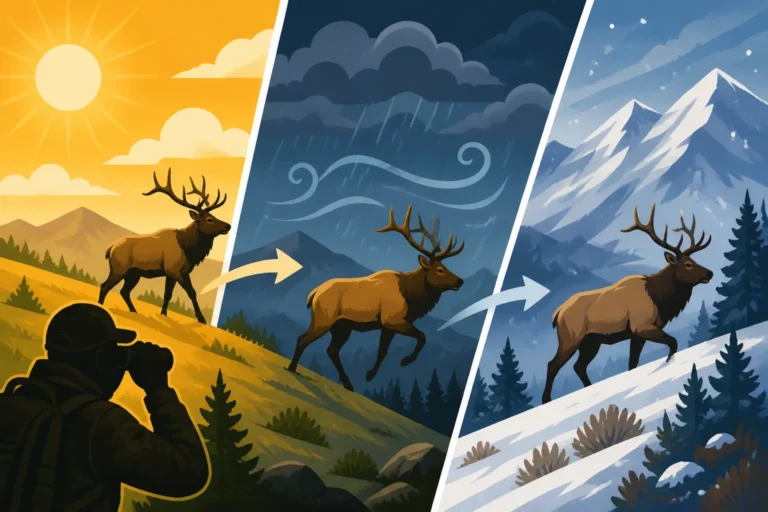
Colorado's mountain weather is notoriously unpredictable, and it can significantly impact turkey behavior and your hunting strategy. A beautiful, calm morning can quickly turn into a windy, rainy, or even snowy afternoon.
Wind: Wind is a turkey hunter's nemesis. Strong winds make it difficult for turkeys (and you) to hear calls, and it also makes it harder for them to pinpoint the source of a sound. On windy days, turkeys tend to stay in sheltered areas, often in thick timber or down in protected drainages. Your calling needs to be louder and more frequent to cut through the wind. You might also need to get much closer to birds. Consider hunting the leeward sides of ridges or in dense timber pockets where the wind's effect is minimized. This is where knowing How to Use the Wind Hunting Colorado Elk (a skill that applies to all big game, including turkeys) becomes useful.
Rain and Snow: Light rain or snow generally doesn't deter turkeys much, but heavy downpours or significant snowfall can make them seek cover. During a heavy rain, turkeys often remain on the roost longer or stay in dense roosting areas. As the rain lightens, they might emerge to feed in open areas. Fresh snow can actually be a boon for hunters, as it muffles sounds, making your movements quieter, and it makes tracks incredibly easy to spot. After a heavy snow, focus on south-facing slopes where snow melts faster, exposing food sources.
Temperature Swings: Colorado's spring and fall can see drastic temperature swings between morning and afternoon. Turkeys, like us, seek comfort. On cold mornings, they might linger on the roost until the sun hits their roosting trees. On hot afternoons, they might seek shade and water, becoming less active. Dress in layers to adapt to changing conditions. This ability to adapt your tactics to the weather is a hallmark of an experienced Colorado turkey hunter.
Disclaimer
Hunting is an inherently dangerous activity. This guide provides general information and recommendations but does not replace official Colorado Parks and Wildlife (CPW) regulations, hunter education courses, or personal judgment. Always consult the most current CPW regulations pamphlet before any hunt, and prioritize safety above all else. The author and publisher are not responsible for any accidents, injuries, or legal infractions incurred while hunting.