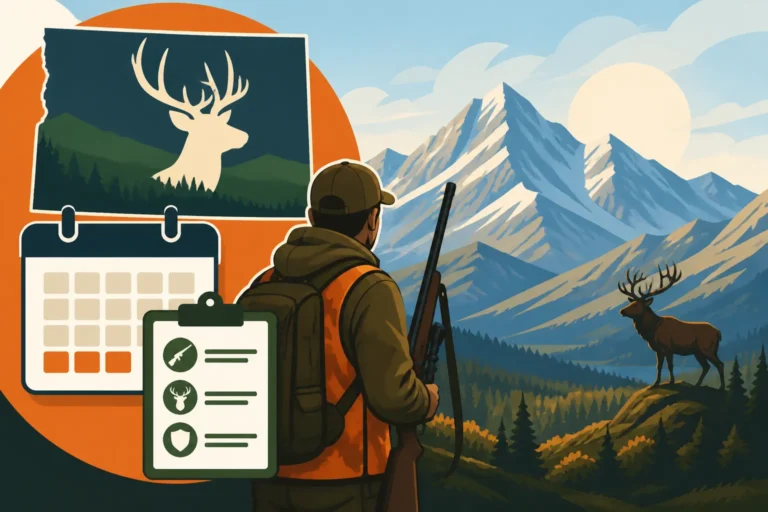
Colorado Late-Season Cow Elk Tags
The pursuit of a Colorado elk can feel like a daunting task, especially with the increasingly competitive draws for coveted bull tags or the sheer numbers of hunters during early rifle seasons. If you're looking for a more accessible, often less pressured, and incredibly rewarding way to experience the thrill of elk hunting and fill your freezer, then focusing on Colorado late-season cow elk tags might be your perfect strategy. This comprehensive guide is designed to navigate the intricacies of these opportunities, helping you understand the process and prepare for a successful winter hunt.
Understanding Late-Season Cow Elk Tags in Colorado
Late-season elk hunting in Colorado brings a different kind of magic and challenge. It's a time when the mountains quiet down, often blanketed in snow, and the elk have shifted their focus from breeding to survival. These tags are specifically offered by Colorado Parks and Wildlife (CPW) not just for hunter opportunity, but as a vital component of their wildlife management strategies.
What Defines "Late Season" for Elk
When we talk about "late season" in Colorado elk hunting, we're generally referring to the periods that stretch beyond the main combined rifle seasons. These seasons typically kick off in late November, pushing through December, and in some specific Game Management Units (GMUs), can even extend into January or February. Unlike the frenetic energy of the rut during archery or early rifle seasons, late-season hunts take place when elk have regrouped into larger cow/calf herds and bachelor groups of bulls, settling into their winter routines.
The precise dates for these seasons fluctuate annually and are specific to individual GMUs. It’s absolutely critical to consult the most current Colorado Hunting Seasons Explained brochure from CPW each year. These hunts can be relatively short, spanning just a few days, or offer more extended windows, all depending on the specific population management goals for that particular area. As the calendar pages turn deeper into winter, the likelihood of encountering significant snowfall dramatically increases. This natural phenomenon can be both a formidable obstacle and a strategic advantage: it makes hunting physically more demanding for you, but it also concentrates elk in more predictable, often lower-elevation areas.
Availability and Purpose of Cow Tags
Cow elk tags, particularly those for late-season hunts, are primarily issued as a tool for robust population management. Many hunters dream of drawing a trophy bull tag, which often demands years, sometimes even a decade or more, of accumulated Colorado Preference Points Explained in premium units. Cow tags, however, tell a different story. They are generally more abundant and significantly easier to acquire, especially during these extended late-season periods.
CPW utilizes these tags to meticulously manage the state's vast elk herds, ensuring their health and maintaining a sustainable balance with their natural habitat. In units where aerial surveys and data indicate a healthy, or even overabundant, cow population, CPW will strategically increase the number of available late-season cow tags. This proactive approach helps to prevent issues like overgrazing, habitat degradation, and minimizes conflicts with agricultural landowners who might face crop damage. For the discerning hunter, this translates into considerably better odds in the draw, or, even better, the exciting possibility of securing over-the-counter (OTC) or Colorado Leftover Tags Explained that didn't get picked up in the earlier draws. These tags are not just a hunting opportunity; they represent a direct participation in the crucial, ongoing conservation efforts that sustain Colorado's magnificent elk populations.
The Role of Wildlife Management
Colorado Parks and Wildlife (CPW) is at the forefront of conservation, continuously monitoring elk populations across the state. They leverage a combination of sophisticated aerial surveys, detailed hunter harvest reports, and in-depth scientific studies to gauge herd health, population density, and habitat carrying capacity. When the data reveals that a specific Game Management Unit (GMU) has an elk population exceeding its targeted objectives, especially concerning the number of cows, CPW typically responds by increasing the allocation of cow tags for that unit.
Late-season hunts are particularly effective for achieving these management goals for several key reasons. As winter progresses, elk naturally begin to group into larger, more cohesive herds and migrate towards more accessible, lower-elevation winter ranges. This predictable concentration makes them inherently easier for hunters to locate and successfully harvest. This targeted population control serves multiple critical functions: it actively helps to prevent widespread disease outbreaks within the herd, reduces intense competition for vital winter forage and resources, and significantly mitigates potential conflicts with private landowners who rely on their agricultural lands. Understanding this comprehensive management philosophy allows hunters to deeply appreciate the rationale behind the availability of these specific tags and helps them intelligently focus their hunting efforts. It's more than just a hunt; it's an active partnership in the stewardship and long-term ecological health of Colorado's incredible wild ecosystems.
Why Hunt Late-Season Cow Elk?
Beyond the intrinsic satisfaction of contributing to broader wildlife management goals, pursuing late-season cow elk offers a distinctly unique and often more accessible hunting experience compared to the intense, high-stakes, and often crowded rut hunts. It’s an opportunity to test your mettle against different elements and truly focus on the practical, tangible rewards of the hunt.
Increased Accessibility and Draw Odds
Let’s be honest: drawing a highly sought-after, premier bull elk tag in Colorado can often feel like an elusive dream, akin to winning the lottery, frequently demanding a decade or even more of dedicated effort to build up sufficient preference points. However, late-season cow tags operate in an entirely different sphere. The draw odds for these tags are significantly more favorable, making them much easier to acquire. In many Game Management Units (GMUs), you might even discover these tags available as Colorado OTC Elk Tags Explained or leftover options after the main draws have concluded.
This increased accessibility opens up incredible opportunities, particularly for non-resident hunters who might otherwise face considerable hurdles in securing an elk tag through the primary draw system. The primary reason for this higher availability directly ties into CPW's critical population management objectives: they actively encourage the harvest of these cows to maintain balanced and healthy herd numbers. Consequently, this translates into substantially less competition for tags and, crucially, often results in significantly less hunter pressure in the field compared to the often-chaotic early season free-for-all. For new elk hunters, those looking for a more straightforward tag acquisition, or even seasoned veterans seeking a different kind of challenge, late-season cow tags represent a fantastic and highly viable entry point into the Colorado elk woods.
Meat Hunting Opportunities
For a great many hunters, the fundamental, driving motivation behind pursuing an elk is the profound reward of acquiring an exceptional amount of lean, organic, and truly wild meat. A mature cow elk is a generous provider, capable of yielding anywhere from 150 to 200 pounds of boned-out meat, offering a substantial return on your hunting investment and providing a family with delicious, healthy meals for a year or even longer. Late-season cow hunts are, without a doubt, perfectly suited for this objective.
Unlike the singular focus on antler size that often defines trophy bull hunts, a cow hunt shifts the entire emphasis purely onto the practical goal of filling the freezer. This mental shift liberates the hunter from the intense pressure of antler scoring; while success remains the aim, the focus is entirely on ethically harvesting a healthy animal for its sustenance value. Imagine the deep satisfaction that comes from knowing your family's meals for countless months ahead are a direct result of your dedication, skill, and hard work in the magnificent Colorado mountains. It is an experience that resonates on a deeply primal level, fostering a profound connection to your food source and the natural world.
Unique Hunting Challenges and Experiences
While acquiring a late-season cow tag might be "easier" than drawing a top-tier bull tag, make no mistake: the actual hunt is anything but "easy." Late-season cow elk hunting presents its own formidable set of challenges, rigorous tests that demand a hunter's utmost grit, resilience, and meticulous preparation. You will frequently find yourself contending directly with extreme cold temperatures, navigating through deep, energy-sapping snow, and battling the limitations of shorter daylight hours. This unique environment necessitates an entirely different approach to planning, a specialized gear list, and a profound understanding of how elk adapt and behave in the harsh, unforgiving conditions of a Colorado winter.
However, it is precisely these demanding challenges that forge truly memorable and often transformative experiences. The serene, almost sacred, quietude of a snow-covered wilderness, the intense focus of tracking fresh elk sign in the crisp, cold mountain air, and the sheer, physical effort involved in a successful harvest and pack-out amidst winter conditions, all combine to create a deeply profound connection to the hunt and the wild. This isn't merely a trip; it’s an adventure that builds character, hones essential wilderness skills, and offers an unparalleled sense of accomplishment that extends far beyond the moment the trigger is pulled. Many hunters, after experiencing the peaceful yet demanding nature of winter hunting, even discover a distinct preference for its unique brand of wild solitude.
Navigating the Application and Acquisition Process
Securing a Colorado late-season cow elk tag involves a strategic understanding of the state's complex draw system, diligently watching for leftover opportunities, and intelligently utilizing available resources to significantly maximize your chances. While it can initially feel like navigating a complex maze, with a clear, step-by-step roadmap, the process is entirely manageable and highly rewarding.
Colorado Parks and Wildlife CPW Regulations and Deadlines
The absolute first step, and arguably the most crucial, in your pursuit of a late-season cow elk tag is to become intimately familiar with, and thoroughly understand, the current year's Colorado Parks and Wildlife (CPW) hunting regulations. These regulations are not static; they are meticulously updated and published annually, and critical details such as season dates, specific Game Management Unit (GMU) boundaries, and all-important application deadlines can, and often do, shift from year to year. Your primary resource should always be the official CPW website, where you can find the most accurate and up-to-date information.
Dedicate ample time to carefully review the big game brochure, paying particular attention to the sections specifically pertaining to elk and the various rifle seasons, as many late-season cow hunts are either embedded within these broader seasons or are explicitly listed as special, extended opportunities. Crucially, do not overlook the requirement for a qualifying license, such as a small game or a general big game license, which is a prerequisite for both applying for and purchasing any big game tags in Colorado. Missing a critical deadline or misinterpreting a specific Colorado Hunt Codes Explained can effectively mean missing out on your hunting opportunity entirely, so be sure to meticulously mark all key dates on your calendar and double-check them against the official CPW publication.
Leveraging Leftover and Reissued Tags
Even if you happen to miss the highly competitive primary draw application period, or if your initial draw application doesn't result in your first-choice tag, all hope is certainly not lost! Colorado maintains a highly effective and robust system for Colorado Leftover Tags Explained. These valuable tags become available for purchase after both the main primary draw and the subsequent secondary draw processes have concluded, typically in late July or early August. These leftover tags are generally sold on a first-come, first-served basis through the CPW's online portal, a process that can often feel like a fast-paced scramble akin to securing tickets for a highly anticipated concert.
Furthermore, an additional opportunity arises through "reissued" tags, which occasionally become available if a hunter who successfully drew a tag decides to turn it back to CPW. Diligently monitoring the CPW website during these specific periods is absolutely crucial. A significant number of late-season cow tags frequently surface in this leftover pool, making them an exceptional option for hunters who couldn't commit to the early application period or for those who are relatively new to navigating Colorado's complex draw system. This often-overlooked avenue provides a fantastic and direct pathway to securing an elk tag without the requirement of accumulating years of preference points, offering a timely entry into the Colorado elk woods for many aspiring hunters.
Using Tools for Tag Research
In our modern digital age, hunters are no longer solely dependent on meticulously flipping through the physical pages of the CPW brochure. A variety of sophisticated online tools are now available that can significantly streamline and enhance your tag research process. Advanced platforms such as GoHunt are invaluable resources for meticulously analyzing draw odds, delving into historical harvest data, and uncovering unit-specific information for a wide array of species and hunting seasons, including the highly sought-after late-season cow elk opportunities.
With tools like GoHunt, you can efficiently filter information by Game Management Unit (GMU), preferred weapon type (e.g., rifle, archery, muzzleloader), and specific season dates, enabling you to rapidly identify units with higher potential for leftover tag availability or more favorable draw odds for cow tags. GoHunt’s Insider membership, for instance, provides incredibly detailed unit-by-unit breakdowns, offering comprehensive success rates, and even crucial migration data that can prove absolutely critical for effective late-season planning. Proactively utilizing such specialized resources can save you countless hours of sifting through raw data and will profoundly improve your chances of identifying and successfully securing the perfect late-season cow tag for your upcoming hunt. Always remember, in the intricate world of the Colorado draw system, knowledge, empowered by the right tools, is your most potent advantage.
Tactics and Considerations for a Successful Late-Season Cow Hunt
Once you've successfully acquired that invaluable late-season cow tag, the true, exhilarating planning phase begins. Hunting in the depths of winter demands a fundamentally different approach compared to the rut, placing a sharp focus on understanding the intricate survival strategies of elk and your own meticulous preparation for confronting the formidable elements.
Understanding Elk Behavior in Winter
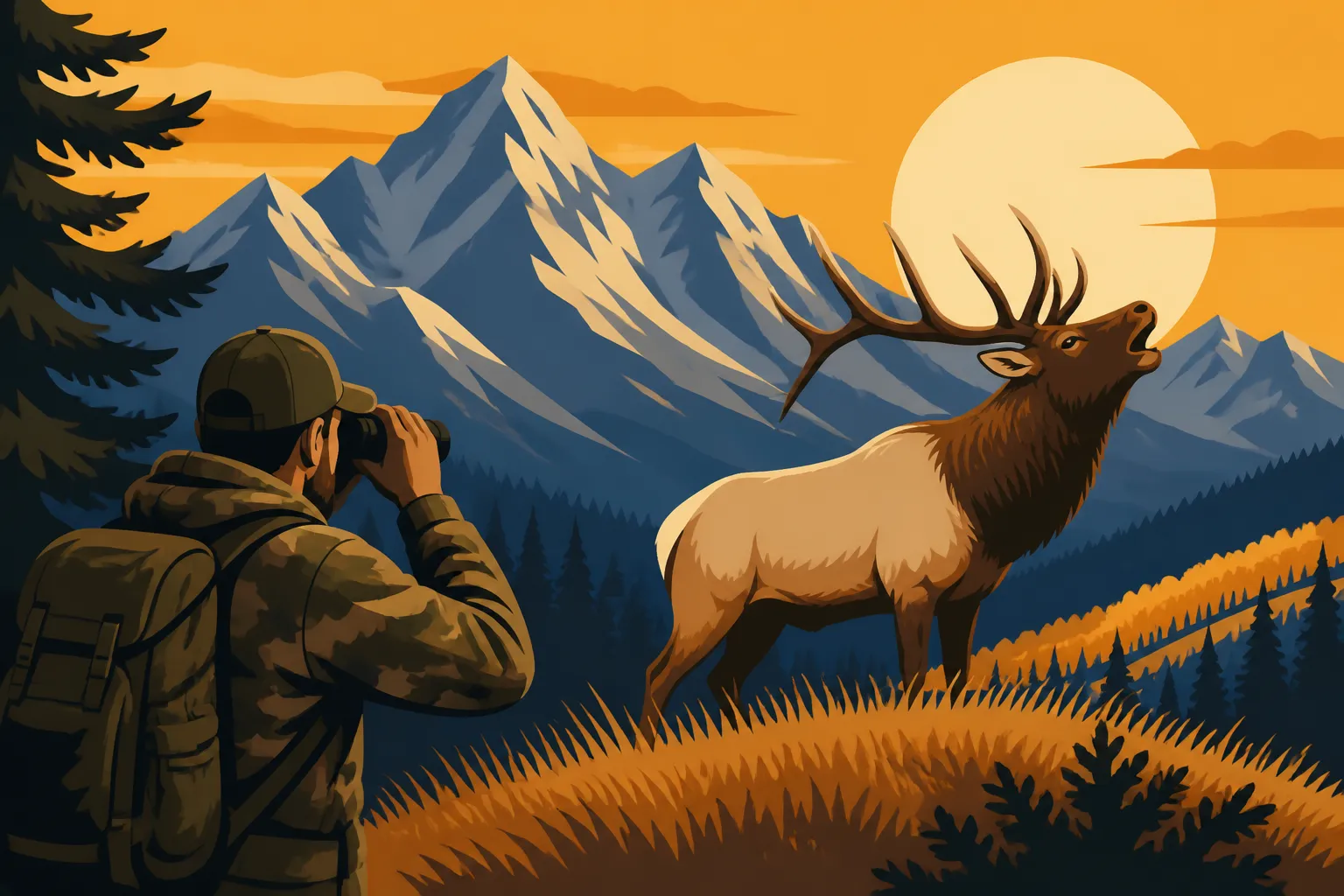
Elk behavior undergoes a dramatic and profound shift once the intense rutting season concludes and the grip of winter firmly sets in. Gone are the days of scattered, bugling bulls; instead, you'll observe cows, calves, and frequently, bachelor groups of satellite bulls consolidating into larger, more cohesive herds. Their primary survival drivers now become an unwavering focus on securing reliable food sources, finding crucial thermal cover, and maintaining an elevated sense of security. They instinctively gravitate towards south-facing slopes, which, by catching more sunlight, experience faster snowmelt and thus expose more palatable forage. Similarly, dense timber stands, particularly those with a thick understory, provide indispensable protection from brutal winter winds and heavy snowfall.
Crucially, understanding the Colorado Elk Migration Patterns becomes paramount. Many elk populations undertake significant migrations from their high-elevation summer ranges down to more accessible, lower-elevation wintering grounds. When hunting, actively seek out areas that concurrently offer good forage, consistent water sources, and ample thick cover, especially during periods of extreme cold. Elk will typically bed down in dense timber during the daylight hours, emerging to feed in more open areas during the crucial low-light periods of dawn and dusk. Fresh tracks etched into the snow become an invaluable guide, providing precise information about their recent movements and often indicating their likely direction of travel. Paying close attention to detailed weather forecasts, particularly anticipating a How to Hunt a Cold-Front Elk Push, can provide you with a critical and strategic edge in locating and intercepting these winter herds.
Essential Gear and Preparation
Late-season hunting in Colorado, with its notoriously unpredictable winter weather, is not a venture to be taken lightly when it comes to gear. It is absolutely imperative that you are thoroughly prepared for the possibility of extreme cold, deep, challenging snow, and potentially fierce winds. This is decidedly not the time to cut corners or compromise on the quality of your equipment. A meticulously thought-out layering system is critically important: begin with moisture-wicking base layers to manage perspiration, add insulating mid-layers for warmth, and top it all off with a durable, waterproof and windproof outer shell to protect against the elements.
Your boots must be exceptionally warm, completely waterproof, and designed to provide superior traction for navigating treacherous snow and ice. High-quality insulated gloves or mittens, a warm hat that covers your ears, and a face covering are non-negotiable items for retaining crucial body heat. Beyond clothing, ensure you have essentials such as a reliable backpack capable of handling heavy loads, redundant navigation tools (a GPS device with extra batteries, a physical topo map, and a compass), an ample supply of high-energy, calorie-dense food, and a dependable method for purifying water. For the inevitable pack-out, bring robust game bags, an exceptionally sharp knife, and a handsaw or hatchet. If you are not in peak physical condition and mentally prepared for the arduous demands of the mountains, especially when navigating deep snow, the experience can quickly turn from challenging to miserable and even dangerously perilous. Take the time to review a comprehensive Best Colorado Elk Hunting Gear list, and seriously consider delving deeper into detailed guides like How to Layer for a Colorado Elk Hunt to ensure your preparedness.
| Gear Category | Key Items for Late Season | Why It's Critical |
|---|---|---|
| Clothing System | Layered system: Merino wool base, fleece mid, insulated puffy jacket/vest, waterproof/windproof outer shell | Adapt to wide temperature swings, stay dry, prevent hypothermia |
| Warm, waterproof, insulated boots (800g-1200g Thinsulate recommended) | Keep feet warm and dry in deep snow, slush, and freezing water | |
| Gaiters (knee-high) | Crucial for preventing snow from entering boots and pants | |
| Insulated hat, neck gaiter/balaclava, insulated gloves/mittens | Minimize heat loss from head, neck, and hands; prevent frostbite | |
| Navigation & Safety | GPS device with extra batteries, physical topographic map, compass | Essential for finding your way in unfamiliar, snow-covered, potentially whiteout conditions |
| Headlamp/flashlight with extra batteries, emergency shelter (e.g., bivy bag), fire starter, first-aid kit | Preparedness for unforeseen situations, getting lost, or injury | |
| Satellite communication device (e.g., Garmin inReach) | Critical for emergency communication in areas without cell service | |
| Hunting Specifics | High-quality binoculars/spotting scope (large objective lenses for low light) | Locating distant elk in vast, often snow-covered landscapes during short daylight hours |
| Rifle/Bow sighted in for cold conditions, extra ammunition | Ensure reliable performance and accuracy in freezing temperatures | |
| Game bags (breathable), sharp knife, bone saw/hatchet | Proper field dressing and efficient meat preservation in cold environments | |
| Sustenance | High-calorie, easy-to-eat snacks (e.g., nuts, jerky, energy bars), thermos with hot beverages (coffee, tea, soup) | Maintain energy levels and internal body temperature during strenuous activity |
| Water filter/purifier or sufficient water bottles | Stay hydrated; crucial even in cold weather |
Hunting Strategies for Cold Weather
Successfully hunting late-season cow elk often necessitates a deliberate blend of patient glassing, careful still-hunting, and meticulous tracking. In units blanketed by significant snowfall, fresh tracks become your most invaluable asset, essentially serving as a detailed roadmap. Follow these tracks slowly and methodically, constantly observing the direction of travel, the pace of the animals, and any changes in terrain. Elk, instinctively conserving precious energy during the harsh winter, typically do not travel extensive distances between their bedding and feeding areas. Therefore, focus your efforts on known winter ranges, lower elevation south-facing slopes that offer exposed forage, and areas characterized by dense timber that provides crucial thermal protection.
The presence of snow can also surprisingly dampen sound, which might allow for quieter human movement. However, it simultaneously renders you more visible against the stark white backdrop. Capitalize on the colder mornings and evenings when elk are most likely to be actively moving between bedding and feeding sites. Patience is not just a virtue here; it's a strategic necessity. Be prepared to sit and glass for extended periods, particularly when elk are congregated in larger herds, as this allows you to observe their patterns and identify movement corridors. Delve into specific techniques such as How to Hunt Elk in the Snow, and always remain acutely aware of the prevailing wind direction and thermal currents, as elk senses, even in winter, remain incredibly sharp. Your overarching strategy should revolve around minimizing disturbance, capitalizing on their primal need for food and thermal cover, and ensuring your movements are as discreet as possible. Finally, never underestimate the monumental effort involved in packing out an entire elk in deep snow; meticulously plan your approach and exit routes with this formidable task firmly in mind.
Locating and Approaching Late-Season Herds
Finding elk in the vast, often snow-covered Colorado landscape is always an inherent challenge, yet the late season introduces distinct patterns and unique opportunities for the diligent hunter. Knowing precisely where to focus your search efforts and mastering the art of moving quietly through the winter wilderness are two unequivocally critical skills for success.
Key Winter Habitat Features
As the snow depth increases and temperatures plummet, elk behavior becomes remarkably predictable in their selection of habitat. They are driven by an instinctual need to find areas that offer the optimal combination of accessible food, reliable water sources, and crucial thermal cover. South-facing slopes become highly prized "gold mines" because they receive more direct sunlight, leading to faster snowmelt and thus exposing vital forage beneath. Similarly, dense aspen groves and stands of dark timber, especially those with a thick understory, provide indispensable protection from the relentless, brutal winter winds and the insulating blanket of heavy snowfall.
Do not overlook river bottoms or lower-elevation benches where snow accumulation tends to be less severe, and essential food sources like willow and various types of browse are more readily available. Elk, conserving energy, will move less and remain in closer proximity to these critical resources. Leveraging advanced mapping tools like GoHunt can be exceptionally beneficial, allowing you to remotely identify these key features and potential elk congregating areas before you ever set foot in the field. This intelligent pre-scouting enables you to prioritize your on-the-ground scouting and hunting efforts, significantly narrowing down vast landscapes into more manageable, high-potential hunting zones.
Strategies for Scouting and Tracking in Snow
Snow profoundly transforms the hunting landscape, rendering previously invisible signs into glaringly obvious clues. Fresh tracks, in particular, serve as an invaluable roadmap, meticulously detailing recent elk movements, their precise direction of travel, and even providing an approximate timeline since they passed. When actively scouting, diligently search for well-used game trails that clearly lead to and from bedding areas nestled within dense timber and feeding grounds situated on sun-exposed slopes. Pay meticulous attention to elk droppings and browse lines on trees and shrubs – these are clear, undeniable indicators of recent and ongoing elk activity.
Tracking in snow demands unwavering patience and a meticulously keen eye. Follow tracks slowly and deliberately, constantly checking the wind direction and pausing frequently to listen intently for any telltale sounds. If you stumble upon a fresh set of tracks, the probability is high that the elk are not far ahead. Strategically utilize natural terrain features such as ridges and depressions to stay out of sight and to effectively mask the sounds of your approach. The quieter the snow conditions, the more stealthily you can move, but conversely, remember that your own movements might be amplified. Mastering How to Find Elk in Deep Timber involves careful observation, understanding how snow alters the environment, and knowing when to push forward and when to back off.
Silent Approaches and Shot Placement
Approaching a herd of elk during the late season demands an unparalleled level of extreme stealth and precision. Elk are often grouped in larger numbers during this time, meaning there are exponentially more eyes, ears, and noses keenly tuned to detect any disturbance from your presence. Master the art of using the terrain to your absolute advantage, staying discreetly below ridge lines or expertly concealed behind dense cover. Move with excruciating slowness, taking one meticulously careful step at a time, especially when you have a strong suspicion that elk are nearby. The crunching sound of snow underfoot can travel surprisingly far in the cold, still winter air, so actively seek out quieter patches of ground or strategically time your movements to coincide with gusts of wind that can effectively mask your sound.
Once you successfully locate the herd, resist the urge to rush. Instead, take ample time to thoroughly assess the situation and deliberately identify a cow that presents a clean, ethical, and unobstructed shot opportunity. Always remember that your primary objective is to acquire high-quality meat, making a broadside shot aimed precisely into the vitals the ideal choice for an immediate and humane harvest. Exercise extra diligence to steady your shot, especially in potentially cold, windy, and physically taxing conditions. Understanding nuanced skills such as How to Shoot Uphill and Downhill at Elk is also profoundly important in the often-steep and varied mountainous terrain, ensuring an ethical and effective harvest with every shot taken.
Post-Harvest Considerations for Late-Season Elk
Successfully harvesting a late-season cow elk is undeniably a tremendous accomplishment, marking the culmination of careful planning, rigorous preparation, and sheer perseverance. However, the work is far from over. The subsequent challenges of efficiently packing out such a significant amount of meat, especially when contending with harsh winter conditions, demand equally meticulous planning, unwavering physical effort, and precise execution.
Field Dressing and Meat Care in Cold Weather
The inherently cold weather that defines late-season hunts can be both a blessing and a subtle curse when it comes to proper meat care. While the frigid temperatures naturally aid in rapidly cooling the carcass and effectively inhibit bacterial growth, improper handling can unfortunately lead to meat freezing on the surface before it has thoroughly cooled, potentially trapping residual body heat inside and compromising its quality. Immediately after the animal is down, initiate the field dressing process without delay to allow the internal body heat to dissipate as quickly as possible. If conditions permit and temperatures are consistently below freezing, removing the hide from the animal can significantly accelerate the cooling process.
Proceed to quarter the meat into manageable sections as swiftly as possible, and immediately place these quarters into breathable game bags. It is crucial to avoid stacking meat directly onto snow or ice for extended periods, as this can cause it to freeze prematurely on the exterior while remaining warm internally. If you anticipate leaving the meat overnight, ensure it is securely hung from a tree branch, protecting it from scavengers and facilitating vital air circulation. Adhering to these meticulous practices helps to guarantee that you bring home high-quality, perfectly preserved wild game meat.
The Challenge of a Winter Pack Out
Packing out an entire elk, even a cow, represents a profoundly physically demanding task under ideal conditions. When you factor in deep, energy-sapping snow, relentlessly steep terrain, and biting freezing temperatures, this endeavor transforms into an epic, often grueling, undertaking. This is precisely where your prior physical fitness and the collaborative strength of teamwork truly come into their own. Implementing a robust Colorado Elk Hunt Fitness Plan can literally be the decisive factor between success and utter exhaustion.
Ideally, you will have hunting partners accompanying you to help distribute and share the immense load. If you find yourself hunting solo, carefully consider a multi-trip pack-out strategy, or explore the feasibility of using a game cart if the terrain and snow conditions allow (though deep snow often renders carts impractical). Your primary focus must be on extracting the meat off the mountain as efficiently and safely as possible. Quartering the animal into its four major pieces, along with the coveted backstraps and tenderloins, is typically the most efficient method for transport. For comprehensive guidance on this critical phase, mastering How to Pack Out an Elk in Colorado is absolutely essential. Be unflinchingly realistic about your own physical capabilities and the actual distance to the nearest accessible trail or road. The risk of hypothermia is a very real and present danger during a long, strenuous pack-out in cold weather, so prioritize staying adequately hydrated and keep easily accessible, high-energy snacks within reach at all times.
Butchering and Storage
Once you’ve triumphantly packed your cow elk off the mountain, the final crucial steps involve proper butchering and meticulous storage. Many hunters, especially after a particularly grueling winter pack-out, wisely opt to take their quarters to a professional meat processor. If you choose the rewarding path of butchering the animal yourself, ensure you have a clean, cool, and well-organized space to work in. Allowing the meat to hang and age in a controlled, consistently cool environment (ideally between 34-40°F) for several days can significantly enhance both its tenderness and its flavor profile.
Following the aging process, carefully trim away any bruised or damaged meat, remove all silver skin, and excise any excess fat. Package the meat meticulously in vacuum-sealed bags or heavy-duty freezer paper, making sure to clearly label each package with the specific cut and the date it was processed. Proper packaging is paramount for effectively preventing freezer burn and preserving the exceptional quality of your hard-earned elk meat for up to a year or even longer. The ultimate reward of a freezer brimming with organic, wild elk meat makes every single ounce of effort, every challenge faced, and every moment spent in the field truly worthwhile.
Disclaimer
Please remember that hunting regulations, season dates, and tag availability are dynamic and can change frequently. Always consult the official Colorado Parks and Wildlife (CPW) website and current year's hunting brochures for the most accurate and up-to-date information before planning any hunt. This guide is for informational purposes only and does not substitute for official regulations.