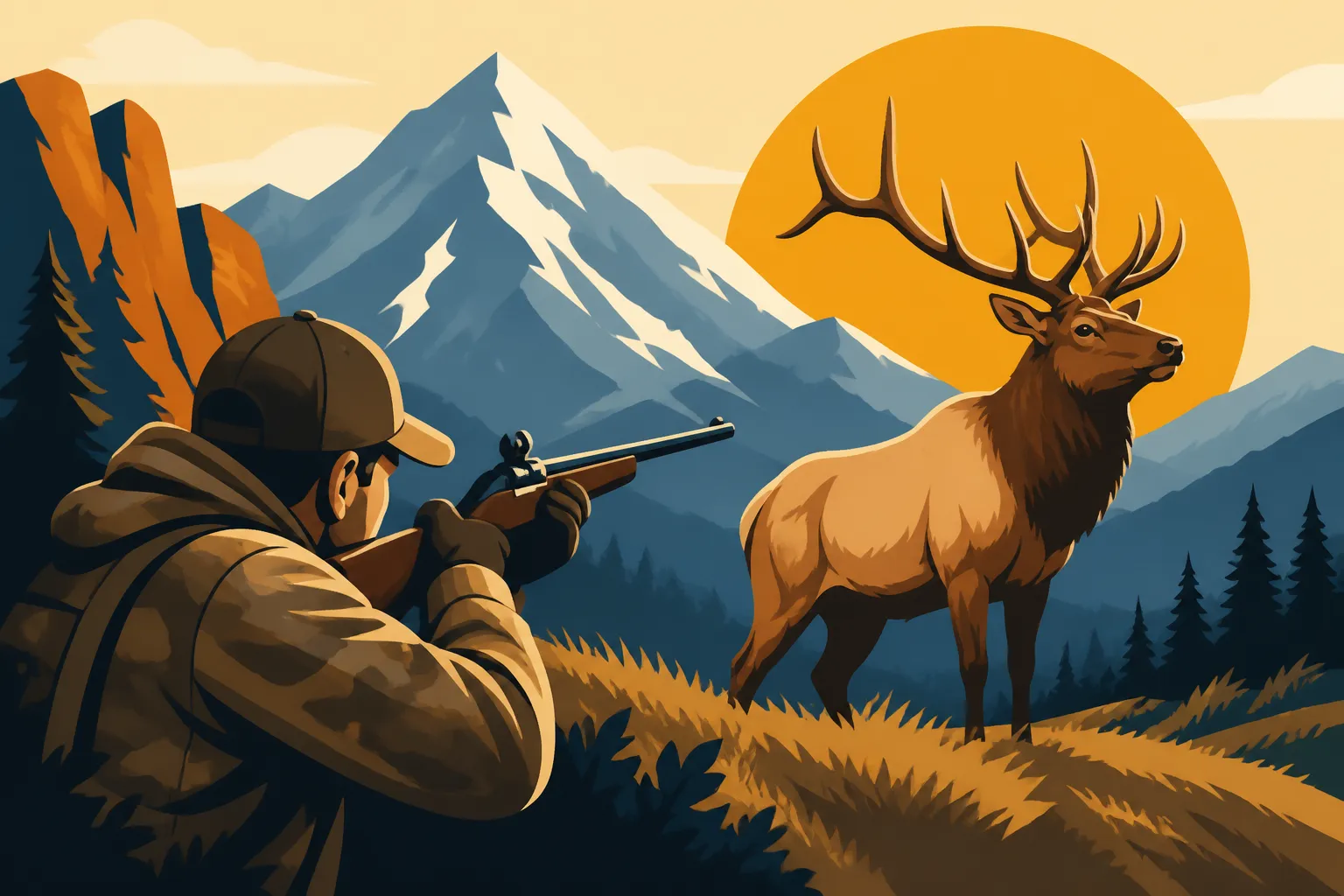
Colorado Muzzleloader Elk Season Explained
If you're a hunter who loves the challenge of traditional methods but still wants to chase big game like elk in Colorado, the muzzleloader season probably calls to you. However, getting your head around Colorado Parks and Wildlife (CPW) regulations, understanding the draw system for these coveted tags, and knowing exactly what’s allowed can feel like a labyrinth, leaving many feeling overwhelmed before they even apply. This comprehensive guide will demystify the Colorado muzzleloader elk season, covering everything from season dates and specific gear requirements to application strategies and effective hunting tactics, ensuring you’re fully prepared for your high-country adventure.
Understanding Colorado's Muzzleloader Season Structure
The muzzleloader elk season in Colorado is a distinct and highly anticipated period for many hunters, offering a unique opportunity to pursue elk during a prime time of year. Unlike the general rifle seasons, which often experience higher hunter pressure, the muzzleloader season provides a slightly more specialized experience, often falling just before the peak rifle seasons and after the main archery rut. This strategic placement in the calendar means hunters might encounter elk in different patterns, from early rut activity to pre-winter feeding routines, depending on the specific dates and unit.
Key Dates and General Season Placement
Colorado's muzzleloader season typically runs for a specific period in mid-September, usually about nine days long. This timeframe positions it perfectly between the intense bugling of the archery season and the beginning of the general rifle seasons. For many, it's a sweet spot, combining elements of early rut activity with cooler weather that can sometimes push elk into more predictable patterns as they prepare for winter. However, these dates are not set in stone year-to-year and can shift slightly, so it’s absolutely critical to consult the most current CPW Big Game Brochure annually. What you recall from last year might not be precisely accurate for the upcoming season, and missing a minor date change could mean missing your hunting window entirely.
The specific unit you apply for will also dictate how many days you have to hunt and if certain limitations apply. Some units might have a standard season, while others, particularly those with specific herd management objectives, could have shorter or split seasons. Always double-check the hunt code for your desired unit. This period offers a fantastic chance for hunters who enjoy the challenge of a muzzleloader without the crowds often associated with the later rifle seasons, striking a balance between traditional hunting and modern opportunities. Planning your trip around these dates requires careful consideration of work schedules, travel arrangements, and physical preparation, especially if you’re planning on a strenuous Colorado Backcountry Hunting Guide type of hunt.
Unit-Specific Opportunities and Considerations
Not all units in Colorado offer muzzleloader elk tags, and even among those that do, the tag allocations and draw odds can vary dramatically. This is where your research truly begins. Hunters often spend countless hours sifting through data, and tools like GoHunt's Insider platform become invaluable for looking at specific unit draw odds, harvest statistics, and success rates. Some units are known for higher elk populations, while others are renowned for producing trophy-class animals, though these usually come with much tougher draw odds, requiring many Colorado Preference Points Explained to acquire.
It's also essential to consider the terrain and accessibility of a unit. Muzzleloader hunting often demands a more patient, deliberate approach, and knowing if you'll be navigating dense timber, open parks, or steep alpine basins can influence your gear choices and hunting strategy. A unit with significant wilderness areas might offer less pressure but demand more physical exertion and self-sufficiency, whereas units with more road access could see more hunters. Understanding these unit-specific nuances is crucial for success, as it allows you to tailor your expectations and preparations for the actual hunting conditions you’ll encounter. Don't just look at draw odds; consider the entire hunting experience a unit offers.
Essential Gear and Regulations for Muzzleloader Elk Hunting
Muzzleloader hunting in Colorado isn't just about using an older style of firearm; it comes with its own distinct set of regulations and equipment requirements that are designed to uphold the traditional spirit of the hunt. Many hunters appreciate this challenge, as it levels the playing field and forces a more disciplined approach to hunting. Ignoring these specific rules can lead to fines, loss of your tag, or worse, losing your hunting privileges. It’s absolutely paramount to be intimately familiar with every detail.
Approved Firearms and Projectiles
Colorado has strict rules about what constitutes a legal muzzleloader for elk hunting. First and foremost, the firearm must be loaded from the muzzle. This might seem obvious, but it immediately excludes many modern "inline" muzzleloaders that use 209 primers and can be loaded from the breech. Specifically, Colorado requires your muzzleloader to be an external ignition firearm. This means percussion caps, flintlock, or matchlock systems are generally allowed, but those modern 209 primers are typically a no-go for big game in the muzzleloader-only seasons. It must also be a single-barrel rifle.
When it comes to projectiles, the rules are equally precise. Your bullet must be a single projectile, not a sabot (which encases a smaller bullet, like a .45 cal bullet in a .50 cal sabot). This means you'll be shooting a full-bore, lead-based projectile, typically a round ball or a conical bullet that matches the bore diameter of your rifle. Many hunters opt for heavy conical bullets for elk, such as those from companies like Buffalo Bullet or Hornady, given the animal's size and toughness. The minimum caliber for elk with a muzzleloader is usually .50 caliber. It is vital to confirm these details in the current CPW brochure, as regulations can be updated. Having the Best Muzzleloader Setup for Colorado means adhering to these specific rules.
Sights, Ignition, and Other Regulations
Beyond the firearm itself, other components are regulated. For instance, you generally cannot use scopes on your muzzleloader during the muzzleloader-only season for big game. Instead, you're restricted to open sights, often fiber optic or traditional iron sights. This is a significant factor, as it drastically limits your effective shooting range compared to a scoped rifle, demanding closer approaches and more precise shot placement. This restriction is part of what makes muzzleloader hunting a truly unique and challenging experience.
Ignition systems are also specified. As mentioned, 209 primers are typically prohibited in the muzzleloader season. You'll be using percussion caps (No. 11 or musket caps) or flintlock mechanisms. Furthermore, pelletized powder is often disallowed; you'll need to use loose black powder or approved black powder substitutes. Electronic ignitions are certainly not permitted. You also cannot carry any pre-loaded cartridges or multiple loads in the field – everything must be loaded through the muzzle at the time of the shot, truly making it a one-shot opportunity. These regulations reinforce the historical and skill-based aspects of muzzleloader hunting, forcing hunters to truly hone their craft and scouting abilities.
Here's a quick reference table for general Colorado Muzzleloader Elk Regulations (always verify with current CPW regulations):
| Feature | Requirement for Muzzleloader Elk Season | Notes |
|---|---|---|
| Loading Method | Muzzle-loading only | No breech-loading systems allowed |
| Ignition | External hammer/spark | Percussion caps (No. 11 or musket), flintlock, matchlock. No 209 primers. |
| Caliber (Minimum) | .50 caliber | For elk, must be .50 or larger |
| Projectile Type | Single, full-bore, lead-based | No sabots, jacketed bullets, or any bullet with a plastic tip/base. |
| Sights | Open/iron sights only | No scopes, red dots, or any magnification. Fiber optics are permitted. |
| Powder | Loose black powder or approved substitute | No pelletized powder. |
| Number of Barrels | Single barrel | No multiple-barrel firearms. |
Mastering the Colorado Muzzleloader Draw and Tag Strategy
Successfully hunting elk with a muzzleloader in Colorado often starts long before you ever step foot in the mountains; it begins with navigating the complex draw system to secure a tag. Unlike over-the-counter (OTC) opportunities that are available for some other seasons, muzzleloader elk tags are almost exclusively draw-only. This means careful planning, understanding preference points, and strategic application are paramount.
Understanding the Draw System and Preference Points
Colorado operates on a preference point system for most limited-entry draws, including muzzleloader elk tags. Essentially, the more preference points you accumulate, the better your chances are of drawing a tag in a highly sought-after unit. You earn one preference point each year you apply for a limited license but are unsuccessful in drawing your first choice. These points are species-specific, meaning elk points only count for elk, deer points for deer, and so on. It's a system that rewards persistence, but it also means that drawing a premium muzzleloader tag in a unit known for big bulls can take many years, sometimes a decade or more, for non-residents.
Many hunters choose to "point build" for several years, applying for a preference point only, rather than putting in for a tag they have very little chance of drawing. This strategy aims to accumulate enough points to guarantee a draw in a desired unit when they are ready to hunt. The challenge lies in knowing how many points are enough for a specific unit, as point requirements can fluctuate based on application numbers and harvest success. This is another area where research tools are critical. If you're new to the process, checking out a general guide on Colorado Draw System and Preference Points can be incredibly helpful before you dive into the specifics of muzzleloader tags.
Strategic Application with GoHunt and CPW Resources
When it comes time to apply, usually in early spring, a strategic approach is essential. You'll need to research specific hunt codes for the units that offer muzzleloader elk tags. These codes designate the species, sex, weapon type, and season. For example, a hunt code like "EL031O1M" might indicate an "Elk" tag in unit "031," valid for "Either Sex" (O), during "1st Season" (1), with "Muzzleloader" (M). Pay close attention to these details, as even a small error can invalidate your application or put you in for the wrong season.
This is where platforms like GoHunt really shine. They aggregate years of draw data, success rates, and unit information, allowing you to filter by weapon type, season, and species. You can see historical draw odds, how many preference points it took to draw a particular tag in previous years, and even analyze terrain features. For example, using GoHunt's map layers, you can identify public land access, water sources, and potential elk bedding areas within a given unit. This kind of in-depth research is indispensable for making an informed decision about where to apply, especially if you’re looking at units with varying Colorado Elk Draw Odds by Unit. Without such tools, navigating the draw can feel like a blind gamble. Remember to apply directly through the CPW website once your research is complete, ensuring you meet all deadlines for the primary draw.
Effective Tactics for Your Muzzleloader Elk Hunt
Landing a muzzleloader elk tag is a huge accomplishment, but the real work begins when you step into the mountains. Muzzleloader hunting presents unique challenges that require specific tactics, patience, and a deep understanding of elk behavior during mid-September. The limited range of your firearm and the single-shot nature of the hunt mean that every stalk, every call, and every decision is magnified.
Scouting and Locating Elk During Muzzleloader Season
Effective scouting is the bedrock of any successful elk hunt, and it's particularly vital for muzzleloader hunters. Because your effective range is much shorter, you need to be able to get much closer to elk, which means knowing their patterns, bedding areas, and feeding grounds with precision. Pre-season scouting, both in person and using e-scouting tools like satellite imagery and topographical maps, can give you a significant advantage. Look for areas that offer good cover, water sources, and palatable forage. Historically, during mid-September, elk are often transitioning from their summer patterns into early rut or pre-rut behavior. Bulls might be starting to gather cows, and aggressive bugling can begin, but it's often not as intense as the peak of the archery rut.
Focus your scouting efforts on north-facing slopes for bedding areas, especially if temperatures are still warm, and south-facing slopes or open parks for feeding in the mornings and evenings. Water sources, wallows, and mineral licks are always hot spots. When you're in the field, be incredibly observant. Look for fresh tracks, droppings, rubs on trees, and well-used game trails. Listening for subtle elk vocalizations—chuckles, cow calls, or distant bugles—can often lead you to their general location. This quiet time before the rifle seasons can often mean less hunter pressure, allowing elk to be a bit more relaxed, but also making them less vocal than during the peak of the rut. Understanding How to Find Elk When They Go Quiet can be a real game-changer here.
Stalking, Calling, and Shot Placement
Once you've located elk, the challenge shifts to getting within muzzleloader range, typically within 100-150 yards for most setups, and often much closer for a clean ethical shot. This requires exceptional stalking skills. Use the wind to your advantage, keeping it in your face or quartering to you. Move slowly, deliberately, and quietly, taking advantage of every piece of cover. Often, a good stalk involves moving just a few yards, stopping, glassing, and listening for extended periods before moving again. Patience is your greatest ally here; rushing a stalk often leads to busted animals. You might find a Colorado Spot-and-Stalk Hunting Guide useful for refining these skills.
Calling can be highly effective during muzzleloader season, especially if the elk are in the early stages of the rut. Subtle cow calls or a soft bugle can sometimes draw a curious bull in closer. If you hear a bull bugle, setting up an ambush point downwind and using aggressive calling can sometimes entice them, especially if you have a hunting partner to act as the "caller" and draw the bull past your shooting lane. However, remember that elk can pinpoint calls, so realistic sounds and proper setup are critical. Given the single-shot nature of a muzzleloader, shot placement is paramount. Aim for the vitals (lungs and heart), and only take shots that you are absolutely confident in making. Practice extensively with your muzzleloader at varying distances and angles before your hunt to build that confidence. Every shot counts, and with a muzzleloader, there's no quick follow-up.
Adjusting for Weather and Terrain
Colorado's high country weather in September can be incredibly unpredictable, ranging from warm, sunny days to sudden snowstorms. Muzzleloader hunters must be prepared for anything. Rapid temperature changes can affect how your muzzleloader shoots, so practicing in varying conditions can be beneficial. Cold, wet weather can also impact black powder, making reliable ignition challenging if your firearm isn't properly sealed and protected. Carrying waterproof caps or a cap dispenser can be a lifesaver.
The rugged Colorado terrain itself presents challenges. Steep inclines and descents demand physical conditioning, and knowing How to Shoot Uphill and Downhill at Elk is an important skill to practice. Altitude can also be a factor, so physical preparation is not something to overlook. Being able to move stealthily and effectively through thick timber or across rocky slopes without spooking game is a learned skill. Understanding how thermals work in the mountains – how air currents rise in the morning and fall in the evening – will give you an edge in keeping your scent from elk. The more attuned you are to your surroundings and the more prepared you are for the elements, the better your chances of success during this special season.
Disclaimer
The information provided in this guide is for general informational purposes only and is not a substitute for official regulations. Hunting laws and regulations in Colorado are subject to change annually. Always consult the current year's Colorado Parks and Wildlife (CPW) Big Game Brochure, available on their official website, before planning or embarking on any hunting trip. It is the hunter's responsibility to know and adhere to all applicable laws and regulations.