Colorado Backcountry Hunting Gear List
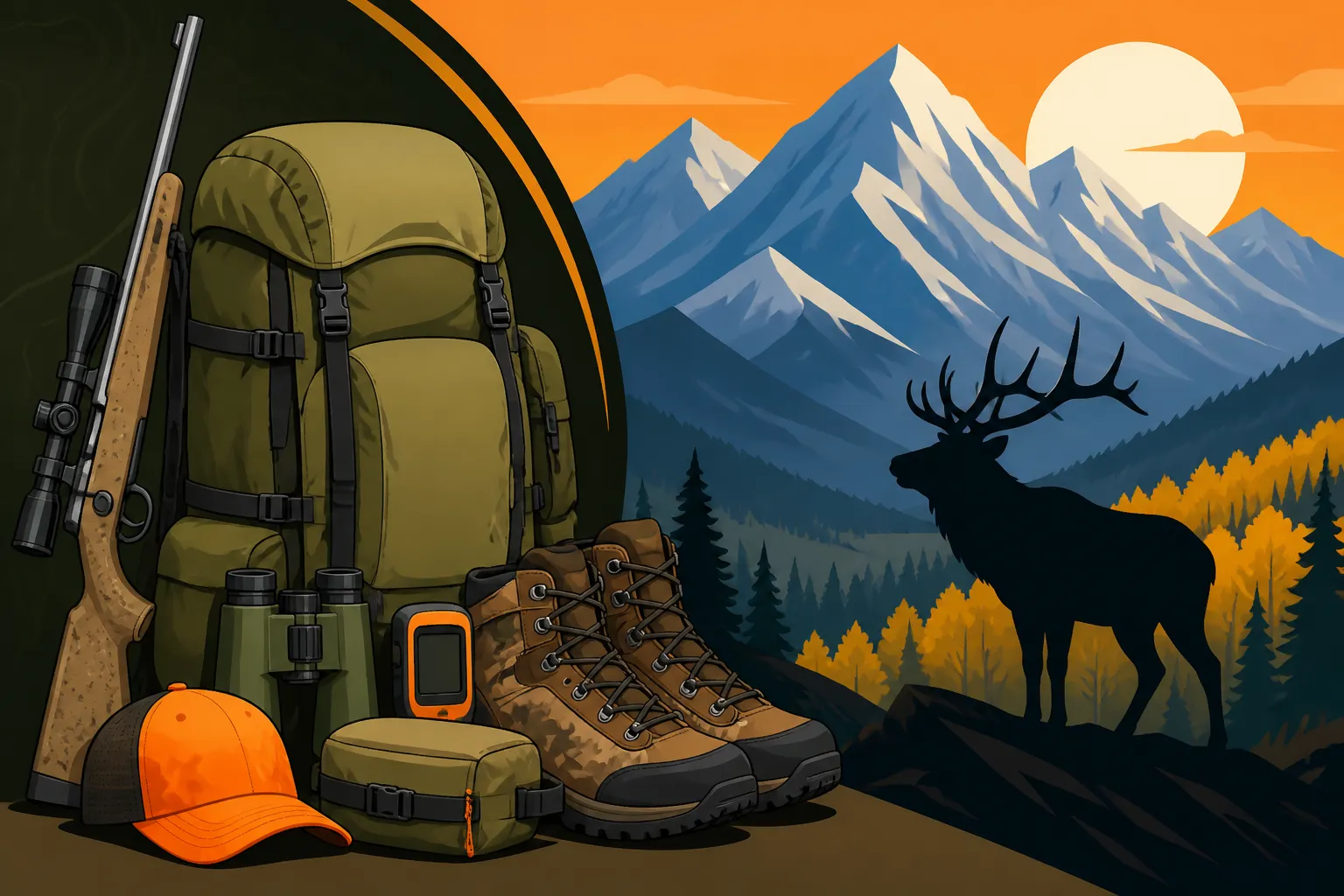
Heading into the Colorado backcountry for an elk hunt is a dream for many, but the sheer logistical challenge of what to pack can quickly turn that dream into a stressful nightmare. We've all stood in our living rooms, staring at a sprawling pile of gear, wondering how in the world we're supposed to condense it all into one pack that we can actually carry for miles up and down unforgiving mountains. This guide is here to cut through that overwhelm, meticulously breaking down the essential gear you need for a successful and safe backcountry hunt, focusing on durability, weight, and multi-functionality.
The Backcountry Mindset: Why Every Ounce Matters
Let's be real, the Colorado mountains don't care about your plans, only your preparation. When you're miles deep in a wilderness area, every single item in your pack directly impacts your comfort, safety, and ultimately, your chances of success. It's not just about getting to camp; it's about having the energy to hunt effectively day after day, and then the fortitude to pack out a heavy load of meat if you're lucky enough to punch your tag. This isn't your average car camping trip where you can just grab whatever and toss it in the truck. This is an exercise in extreme efficiency, where an extra pound here or there can quickly add up to a crippling burden on steep ascents.
Prioritizing Lightweight and Durable Gear
This emphasis on "lightweight" isn't just about being a gram-weenie; it's about survival and performance. When you're climbing a 12,000-foot ridge at dawn or traversing a scree slope, heavy gear drains your energy reserves at an alarming rate. Imagine having to bail on a promising stalk because you're simply too exhausted from humping an unnecessarily heavy pack. That's a frustration we want to avoid at all costs. Instead, invest in high-quality, purpose-built backcountry gear. This often means paying a bit more upfront, but the durability and reduced weight pay dividends in the field. Think about items that can withstand sharp rocks, torrential downpours, and freezing temperatures without failing. Your life, and the success of your hunt, literally depend on it. Don't skimp on the critical stuff like shelter, sleep systems, or rain gear.
Multi-Purpose Items: The Backpacker's Best Friend
In the backcountry, every item needs to earn its spot. If something only serves one niche purpose, it might be time to reconsider. Can your water filter also serve as a storage bag? Can your trowel also double as a tent stake pounder? This kind of thinking helps trim unnecessary bulk and weight. For example, a quality puffy jacket might serve as an extra pillow at night. Your trekking poles are invaluable for stability on uneven terrain, but they can also be used to set up a lightweight tarp shelter. This strategic approach to packing ensures that you're prepared for multiple scenarios without overburdening yourself. Before you toss something into your pack, ask yourself: "What else can this do for me?" or "Is there a lighter alternative that performs just as well?" For those looking into more details on how to optimize their gear load, our guide on how to pack into the Colorado backcountry offers further insights.
Essential Sleep and Shelter Systems
A good night's sleep in the backcountry isn't a luxury; it's a necessity. The mental and physical demands of hunting at high elevations mean your body needs adequate rest to recover. Waking up cold, wet, or uncomfortable will quickly erode your morale and significantly hinder your ability to hunt effectively. Colorado's mountain weather can be notoriously fickle, swinging from warm sunshine to freezing rain or snow in a matter of hours, even in early archery season. Your sleep and shelter system needs to be robust enough to handle these extremes, keeping you dry, warm, and rested.
Tents and Tarps: Weather Protection vs. Weight
Choosing your shelter is one of the most critical decisions for a backcountry hunt. A quality tent provides complete protection from the elements, including strong winds, driving rain, and even snow, along with a bug-free haven. Look for a 3-season or even a lightweight 4-season tent if you anticipate later season hunts or higher elevations. Weight is paramount here, so consider a single-wall design or a two-person tent if you're hunting solo but want a bit more space, especially for gear. Brands like Big Agnes, MSR, and Nemo offer excellent lightweight options.
Alternatively, some experienced backcountry hunters opt for a tarp and bivy system to save significant weight. This setup demands more skill to pitch effectively in varying conditions and offers less protection from insects or sideways rain. It's a trade-off that requires careful consideration of your experience level and the specific weather forecast for your hunt. Regardless of your choice, make sure you practice setting up your shelter in adverse conditions before your hunt. You don't want to be fumbling with tent poles in the dark during a sudden hailstorm.
Sleeping Bags and Pads: Staying Warm Above Treeline
Your sleeping bag is your lifeline to warmth and comfort. For Colorado elk hunting, even in early seasons, you'll want a bag rated for at least 0 to 20 degrees Fahrenheit, depending on your personal warmth and the expected nighttime lows. Down insulation offers the best warmth-to-weight ratio and compresses incredibly well, making it ideal for backcountry travel. However, down loses its insulating properties when wet, so synthetic bags are a good option if hunting in consistently damp conditions is expected, or if you're prone to gear getting wet. Always ensure your sleeping bag is stored in a waterproof stuff sack.
Equally important is a high-quality sleeping pad. This isn't just about comfort; it's about insulation from the cold ground, which can leech warmth from your body far more effectively than cold air. Look for an inflatable pad with a high R-value (typically 3.0 or higher for mountain hunting). Many pads now offer excellent R-values at minimal weight. Don't underestimate the importance of this item; a cheap, thin foam pad will leave you shivering and miserable, no matter how good your sleeping bag is.
Camp Comfort and Basic Necessities
While we're striving for minimal weight, a few small items can make a huge difference in camp morale. A small, lightweight inflatable pillow or even a stuff sack filled with extra clothing can save your neck. A headlamp (with extra batteries!) is non-negotiable for navigating camp in the dark, processing an animal, or simply reading a map. A small, lightweight camp towel can be a lifesaver for drying off after a long day or cleaning up. Don't forget a basic trowel and toilet paper for proper human waste disposal; leaving no trace is paramount in the backcountry. Also, consider a collapsible water container or bladder that allows you to carry extra water from a source back to camp, saving you trips. Keeping your camp well-organized and tidy, even in a small tent, contributes significantly to your overall well-being and efficiency.
Layering for Colorado's Unpredictable Mountain Weather
Colorado's mountains are famous for their four-seasons-in-one-day weather patterns. You can start your morning in freezing temperatures, shed layers as the sun climbs, face a sudden afternoon thunderstorm, and then shiver through a frigid evening. This extreme variability makes a thoughtful layering system absolutely critical. The goal is to be able to add or shed layers quickly to regulate your body temperature, prevent sweating (which leads to chilling), and stay dry. This approach is far more effective than relying on one bulky, heavy coat. For specific guidance on physical preparation for such conditions, check out our piece on how to physically prepare for Colorado elk.
Base Layers: Moisture Management is Key
Your base layer is the first line of defense against both cold and overheating. Its primary job is to wick moisture (sweat) away from your skin, keeping you dry. Wet skin, even in moderately cool temperatures, can quickly lead to hypothermia. Avoid cotton at all costs; it absorbs moisture and dries very slowly, chilling you to the bone. Instead, opt for merino wool or synthetic fabrics. Merino wool offers excellent warmth, breathability, and natural odor resistance, which is a huge bonus on multi-day hunts. Synthetics are often more durable and dry faster, making them a great choice for high-exertion activities. You'll want a lightweight set for active hunting and potentially a mid-weight set for colder evenings or static periods.
Mid-Layers: Insulation Without Bulk
Mid-layers provide the crucial insulation you need to stay warm. These layers trap air close to your body, slowing heat loss. Options include fleece jackets, puffy jackets filled with down or synthetic insulation, or even heavier merino wool sweaters. A good mid-layer should be easy to put on and take off, allowing you to adapt to changing temperatures. A lightweight fleece is a versatile choice, offering warmth without excessive bulk. For colder conditions, a packable puffy jacket with high-fill-power down or advanced synthetic insulation (like PrimaLoft or Coreloft) is invaluable. These jackets offer incredible warmth for their weight and compress down to a tiny size in your pack, ready to deploy when you stop for a break or as temperatures drop.
Outer Layers: Shielding Against Wind, Rain, and Snow
Your outer layer, or shell, is your ultimate protection from the elements. This needs to be completely windproof and waterproof, yet still breathable enough to prevent you from getting clammy inside. A high-quality rain jacket and pants made from Gore-Tex, Pertex Shield, or similar proprietary waterproof-breathable membranes are non-negotiable for a Colorado backcountry hunt. Look for features like pit zips for ventilation, adjustable cuffs, and a hood that fits well over a hat. Remember, even a light drizzle at elevation can quickly lead to hypothermia if your clothing gets soaked. Don't overlook the importance of rain pants, as wet legs can be just as debilitating as a wet torso. On days with heavy wind but no precipitation, a lightweight softshell jacket can offer excellent wind resistance and breathability, allowing you to leave the heavier waterproof shell in your pack until needed.
The Critical Role of Your Backpack and Carrying System
Your backpack isn't just a place to store your gear; it's the foundation of your entire backcountry operation. A poorly fitting pack, or one that's not designed for the rigors of hunting, can turn an exciting adventure into a miserable slog. This is especially true when you consider the potential for packing out hundreds of pounds of meat and antlers. You need a pack that can comfortably carry your camp for days, handle the weight of an elk quarter, and stand up to abuse in rugged terrain. It's often said that a good pack is worth its weight in gold, and in the Colorado backcountry, that statement couldn't be truer.
Choosing the Right Pack for Your Hunt
When selecting a pack, think about your typical hunt duration. For day hunts or ultralight overnighters, a smaller pack (30-50 liters) might suffice. But for multi-day backcountry trips, especially if you anticipate packing out meat, you'll need a larger pack, typically in the 60-80+ liter range. Key features to look for include a robust internal or external frame system, a comfortable and adjustable hip belt, and ample compression straps to secure your load. Brands like Mystery Ranch, Kifaru, Stone Glacier, and EXO Mountain Gear are popular among serious Western hunters because they are specifically designed to haul heavy loads comfortably.
Fit is paramount. A pack that doesn't fit your torso length or hip circumference correctly will create hot spots, cause discomfort, and ultimately limit your endurance. Make sure to try on packs with weight in them – ideally, load them up with at least 30-40 pounds – and walk around in the store. Adjust all the straps, understand how to properly load it, and ensure the weight transfers effectively to your hips. For a deeper dive, read our guide on the best backpack for a Colorado elk hunt.
Packing Out Meat: Frame vs. Internal Frame Considerations
This is where hunting packs truly distinguish themselves from traditional backpacking packs. Most hunting-specific packs feature an integrated or modular external frame system that allows you to carry an animal quarter between the main pack bag and the frame. This keeps the heaviest, often messiest, part of the load close to your back, improving stability and comfort. An internal frame pack can certainly get the job done, but it often means sacrificing internal space for meat or having to compress an awkward load inside the main compartment.
Consider how easy it is to attach extra gear, like a spotting scope or a rifle, to the outside of the pack. Access to main compartments and smaller pockets is also important for efficiency in the field. Remember, you're not just carrying your camp in; you're carrying a potential animal out. This is a crucial distinction that often separates a dedicated hunting pack from a general backpacking pack. A well-designed pack will help you handle the immense physical challenge of getting an animal off the mountain, turning what could be a nightmare into a manageable, albeit exhausting, feat. Our article on how to pack out an elk in Colorado provides specific strategies for load management.
| Category | Essential Items | Weight Priority | Key Considerations |
|---|---|---|---|
| Sleep & Shelter | Tent/Tarp, Sleeping Bag, Sleeping Pad | High | Weather rating, R-value, compressible, waterproof stuff sack |
| Layering Clothing | Base, Mid, Outer Layers, Socks, Gloves, Hat | High | Moisture-wicking, insulation, waterproof/windproof shell |
| Navigation | GPS, Map, Compass, Power Bank | Medium | Redundancy, fresh batteries, downloaded maps |
| Optics | Binoculars, Spotting Scope, Rangefinder | Medium | Quality glass, tripod adaptation |
| Backpack | Main Pack, Day Pack (optional) | High | Fit, frame system, load hauling capability, weather resistance |
| Hydration | Water Filter/Purifier, Water Bottles/Bladder | Medium | Reliable, sufficient capacity |
| Cooking/Food | Stove, Fuel, Pot, Utensils, Dehydrated Meals | Medium | Fuel efficiency, calorie density |
| First Aid/Safety | Med Kit, Fire Starter, Headlamp, Satellite Com | High | Comprehensive, accessible, extra batteries |
| Game Processing | Knife, Bone Saw, Game Bags, Nitrile Gloves | Medium | Sharp, clean, durable, scent-free |
| Miscellaneous | Trekking Poles, Paracord, Duct Tape, TP, Trowel | Low-Medium | Multi-purpose, repair kit, hygiene |
Navigation, Optics, and Communication
In the vastness of the Colorado backcountry, getting lost or not being able to locate game is more than just inconvenient; it can be dangerous and certainly hunt-ending. You're often operating in areas without cell service, where trails can disappear, and the topography is constantly changing. Having reliable tools to know where you are, where you're going, and what's around you is absolutely critical. Modern technology offers incredible advantages, but never underestimate the value of traditional methods as a backup.
GPS, Maps, and Compass: Never Get Lost
While many of us rely heavily on smartphone apps like onX Hunt or Basemaps, it's a huge mistake to put all your eggs in one digital basket. Batteries die, screens crack, and signals drop. A dedicated GPS unit like a Garmin inReach or a smartphone with downloaded offline maps (especially useful when you're doing some serious How to E-Scout Before a Colorado Hunt) should be your primary electronic navigation tool. Always carry a physical, waterproof topographical map of your hunting unit and a reliable compass. Learn how to use them together before you ever step foot into the wilderness. Plot your planned routes, escape routes, and water sources on both your digital and physical maps. Understanding how to use the wind hunting Colorado elk is also critical for navigation and concealment. Redundancy in navigation can literally save your life.
Binoculars, Spotting Scopes, and Rangefinders
Optics are your eyes in the mountains, allowing you to effectively glass vast expanses of terrain without expending precious energy. A good pair of 10×42 or 12×50 binoculars on a tripod adapter is essential for picking apart distant hillsides and finding elk hiding in the timber. Don't skimp on quality here; clear, bright glass makes a world of difference, especially in low light. Brands like Vortex, Leupold, and Maven offer excellent performance for the price.
For extensive glassing in open basins or high-country areas, a lightweight spotting scope (e.g., 65mm objective lens) can be invaluable, especially if you're hunting mule deer or trying to judge a bull at long range. Just remember that it adds weight, so assess if it fits your hunting style and target species. Finally, a reliable laser rangefinder is non-negotiable for ethical shooting, especially in the steep, broken terrain of Colorado where judging distance can be incredibly deceptive. Our guide on best optics for Colorado big game provides more detail on selecting the right tools.
Satellite Communicators and Emergency Devices
Cell service in the Colorado backcountry is almost non-existent. A satellite communicator, like a Garmin inReach or Zoleo, provides a critical lifeline to the outside world. These devices allow you to send and receive text messages, share your location, and, most importantly, send an SOS signal in a true emergency. This isn't just about calling for rescue; it's about checking in with family, which provides immense peace of mind for everyone involved. Think of it as your most important piece of safety gear after a solid first aid kit. Consider also a personal locator beacon (PLB) as a simpler, one-way emergency device if messaging isn't a priority for you, but immediate rescue notification is.
Field Care, First Aid, and Survival Essentials
The hunt doesn't end when you pull the trigger. In fact, that's when a new phase of intense physical labor and critical decision-making begins. Proper field care of your harvest is paramount for preserving the meat, and being prepared for emergencies is non-negotiable. The backcountry is an unforgiving place, and small mistakes can quickly escalate into life-threatening situations. You must be self-reliant and have the tools and knowledge to handle common issues and unforeseen disasters.
Game Processing Tools and Meat Care
Once an animal is down, time is of the essence, especially in warmer conditions. A sharp, durable fixed-blade knife or a replaceable-blade knife system (like those from Havalon or Outdoor Edge) is essential. Carry at least one spare blade. A small bone saw can be incredibly helpful for quartering, though many hunters manage with just a knife. Don't forget nitrile gloves to maintain hygiene and protect your hands from bloodborne pathogens.
Critically important are game bags. Not just any bags, but breathable, strong game bags designed for backcountry use. Brands like TAG Bags or Argali make excellent reusable or heavy-duty disposable bags that protect meat from flies and dirt while allowing it to cool. Bring enough bags for all four quarters, backstraps, tenderloins, neck meat, and the skull cap if you plan to keep the antlers. Our guide on how to quarter an elk in the field will help you visualize the process and prepare appropriately. Keeping meat cool is often a major challenge, especially if you get an animal down mid-day. Be prepared to hang meat in the shade, off the ground, and quarter it quickly to maximize cooling.
Comprehensive First Aid and Emergency Kits
This is one area where you absolutely cannot cut corners. Your first aid kit needs to be comprehensive enough to handle everything from blisters and minor cuts to more serious trauma like deep lacerations or broken bones. Customize a pre-made kit with extra pain relievers, blister treatment (moleskin, Leukotape), wound closure strips, gauze, medical tape, and any personal medications you require. Consider adding a tourniquet and knowing how to use it.
Beyond basic first aid, think about essential survival gear. A reliable fire starter (ferro rod, waterproof matches, lighter), an emergency blanket or bivy, a small repair kit for your tent or sleeping pad, and a few feet of paracord are minimum requirements. Don't forget a whistle for signaling. In a true emergency, being able to signal for help, start a fire for warmth, and provide basic first aid can make all the difference. Remember, in the backcountry, you are the first responder.
Water Filtration and Food Planning
Staying hydrated is absolutely vital for performance and preventing altitude sickness when hunting at high elevation. While you can carry some water from camp, you'll need a reliable way to filter or purify water from natural sources. A good water filter (like a Sawyer Squeeze or Katadyn BeFree) combined with purification tablets or a SteriPEN offers redundancy and peace of mind. Always carry at least two liters of water capacity, whether in bottles or a bladder, and know your water sources for your hunting area. GoHunt often provides excellent unit-specific information, including known water sources, which can be invaluable for planning your hydration strategy.
Food planning is equally important. You need high-calorie, lightweight, and nutrient-dense foods that require minimal preparation. Dehydrated meals are popular, but supplement them with snacks like energy bars, nuts, dried fruit, jerky, and cheese. Plan for enough calories to sustain high activity levels, plus a few extra meals for emergencies or if your hunt extends longer than anticipated. Avoid heavy, bulky foods that offer little nutritional return. The goal is maximum energy with minimal weight.
Disclaimer
Please be aware that hunting regulations, license requirements, and season dates are subject to change. Always consult the most current Colorado Parks and Wildlife (CPW) regulations and official sources before planning any hunt. This guide is for informational purposes only and does not supersede official regulations or expert advice. Hunt safely and ethically.