Colorado Hunting Outfitters Near Fort Collins
Finding the right hunting outfitter in a specific region of Colorado, especially near a hub like Fort Collins, can feel like navigating a maze. With so many options, varying services, and the critical need to align with a guide who truly understands the local terrain and game, it's easy to get overwhelmed. This comprehensive guide is designed to cut through the confusion, helping you understand what to look for, what questions to ask, and how to successfully book an outfitter for your next Colorado hunting adventure near Fort Collins.
Why Hunting Near Fort Collins Presents Unique Opportunities
Fort Collins, nestled against the foothills of the Rocky Mountains, offers a surprisingly diverse gateway to various hunting experiences. While it might not be the first place that comes to mind for deep wilderness elk hunts compared to, say, the Gunnison Basin, its strategic location provides access to a mix of landscapes and game species that many hunters, particularly those from out of state or new to Colorado, find appealing. The beauty here is the blend of accessibility and opportunity, often requiring an outfitter who can bridge that gap between urban convenience and wild success.
Proximity to Diverse Terrains
The areas surrounding Fort Collins present a fascinating array of habitats. To the immediate west, you’ve got the rugged Poudre Canyon and the expansive Roosevelt National Forest, leading into the high-country wilderness areas. Travel a bit north or south, and you’ll find transition zones that give way to the more open plains and agricultural lands, particularly towards the Wyoming border or eastern Colorado. This means an outfitter in this region might specialize in everything from high-altitude mule deer hunts to plains antelope excursions, or even elk hunting in the dark timber.
For instance, an outfitter based in the Fort Collins area might guide hunters through the steep, pine-laden slopes of the Roosevelt National Forest, where elk and mule deer seek refuge. The terrain here is challenging, requiring guides with intimate knowledge of game trails, bedding areas, and water sources. Hunters often wonder, "How to Hunt Elk at High Elevation," and a local outfitter can provide invaluable insight and physically demanding guidance for such endeavors. Conversely, the same outfitter, or a different one, might offer hunts on private ranch lands on the fringes of the mountains or further east, focusing on different tactics and often providing a different level of comfort and access. It’s this varied landscape that makes the Fort Collins area unique for hunting.
Targeting Specific Game Species
Given the diverse habitats, outfitters near Fort Collins can cater to a range of big game interests. Elk are certainly a primary draw, especially with access to national forest lands to the west. A good outfitter will know the elk migration patterns and where herds concentrate during different seasons. Whether you're interested in an archery hunt during the rut or a rifle hunt later in the season, finding an outfitter with experience in the specific season and weapon choice is paramount. Many outfitters offer specialized services, like those found in a Colorado Archery Elk Hunting Guide or a Colorado Rifle Elk Hunting Guide, showcasing their expertise.
Mule deer are another popular target, particularly in the foothills and transitional zones where they thrive. For those looking for a different challenge, the open plains to the east of Fort Collins offer fantastic opportunities for pronghorn, often in private land settings managed by local ranchers. Some outfitters might even have access to black bear hunting, either as a primary target or a secondary species during deer or elk seasons, especially in areas with dense timber and berry patches. It’s always best to be upfront with an outfitter about the species you're most interested in, as their expertise might lean heavily towards one over another.
Understanding Outfitter Services and Costs in the Fort Collins Area
The world of guided hunts can seem opaque regarding what you get for your money. Near Fort Collins, just like anywhere in Colorado, outfitters offer a spectrum of services, from bare-bones drop camps to luxurious, fully outfitted experiences. Understanding these differences is key to managing expectations and budgeting effectively.
What to Expect from Different Packages
Most outfitters categorize their services, and it’s important to clarify what each package entails before you commit.
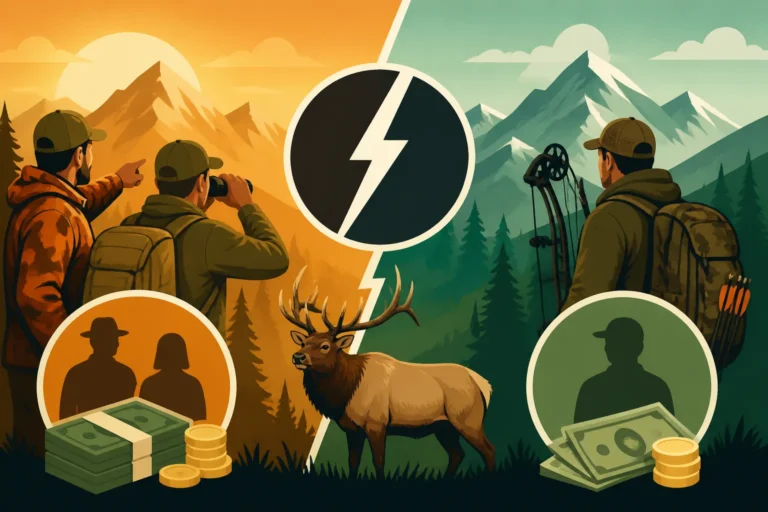
Fully Guided Hunts: This is the most comprehensive option. You'll typically have one or more guides dedicated to your party (often a 1:1 or 2:1 hunter-to-guide ratio). These hunts generally include lodging (which could be a comfortable cabin, a wall tent camp, or even a ranch house), all meals, transportation in the field, field dressing, and often assistance with packing out your game. The guide is there to scout, locate game, call, help with shot placement, and ensure your overall safety and success. For a first-time elk hunter, or someone unfamiliar with Colorado’s challenging terrain, a fully guided experience can dramatically increase success rates and provide an invaluable learning opportunity. These are often what people envision when they think of a "Colorado Guided Elk Hunt Cost."
Semi-Guided Hunts: This is a middle-ground option. An outfitter might provide lodging and meals, and point you in the right direction each day, potentially dropping you off at trailheads or specific hunting spots. They might offer maps, advice, and intel on game movement, but they won't be actively hunting with you. You're expected to have a higher level of self-sufficiency and hunting skill. This can be a great option for experienced hunters who appreciate the logistical support (like a warm bed and hot meal) but prefer to make their own decisions in the field.
Drop Camps: These are the most basic services an outfitter near Fort Collins might offer. The outfitter transports you and your gear (often by horse or ATV) into a remote, pre-set camp, usually consisting of wall tents, cots, and a cooking setup. They drop you off and pick you up on a predetermined date. You are responsible for all your own food, cooking, hunting, and field processing. While more affordable, this requires significant wilderness experience and preparation. If you're looking into a Colorado Backcountry Hunting Guide, a drop camp might be part of that strategy.
Here's a quick comparison of typical services:
| Service Included | Fully Guided Hunt | Semi-Guided Hunt | Drop Camp Hunt |
|---|---|---|---|
| Dedicated Guide | Yes | Limited/Advice | No |
| Lodging | Yes (Varies) | Yes (Varies) | Yes (Tent) |
| Meals | Yes | Yes | No |
| Field Transportation | Yes | Yes | Limited |
| Game Recovery | Yes | Assistance | Self-Performed |
| Field Processing | Yes | Limited/Assistance | Self-Performed |
| Initial Scouting | Yes | Yes | No |
Budgeting for Your Hunt
The cost of a guided hunt near Fort Collins can vary wildly based on the services, duration, species, and whether it's on public or private land. A fully guided elk hunt can range from $5,000 to $10,000+ per hunter for a 5-7 day trip. Semi-guided options might fall between $2,500 and $5,000. Drop camps, being the most economical, could be $1,500 to $3,000 per person, not including your food and personal gear. These are rough estimates and can fluctuate yearly.
Remember to factor in other expenses: your Colorado hunting license and tag fees (which can be substantial for non-residents, often over $700 for an elk tag alone), travel to Fort Collins, gratuities for your guide(s) (typically 15-20% of the hunt cost), meat processing, taxidermy, and any specialized gear you might need. Don’t forget to consider travel insurance, especially if you're booking well in advance. Planning your budget meticulously is crucial to avoid any unexpected financial surprises.
Key Considerations When Choosing an Outfitter Near Fort Collins
Selecting the right outfitter is arguably the most critical decision after choosing to pursue a guided hunt. It's not just about finding someone with a license; it's about finding a partner who aligns with your hunting goals, values safety, and operates ethically.
Reputation and Licensing
First and foremost, always verify that an outfitter is properly licensed and insured in Colorado. You can usually do this by checking with the Colorado Outfitter and Guide Licensing Board or directly through Colorado Parks and Wildlife (CPW). A reputable outfitter will be transparent about their credentials. Don't be shy about asking for references from past clients, and make sure to actually call them. Ask specific questions about their experience, the guide’s demeanor, camp conditions, and their success rates (and how they define "success"). Websites like BookYourHunt can also be useful for finding and vetting outfitters, often providing reviews and detailed service descriptions to help you narrow down your choices.
Look for outfitters who have established roots in the Fort Collins area or the specific GMUs they operate in. Experience in the local units (like parts of GMU 19, 20, or 201 which are generally accessible from Fort Collins) means they understand micro-migration patterns, typical bedding areas, and how game reacts to hunting pressure. A new outfitter might be great, but a seasoned one often has years of invaluable knowledge.
Communication and Customization
Effective communication is the cornerstone of a successful guided hunt. From your initial inquiry, pay attention to how quickly and thoroughly the outfitter responds. Do they answer your questions clearly? Are they willing to discuss your specific preferences, physical limitations, or trophy expectations? A good outfitter will want to understand your goals, whether it’s a meat hunt for a cow elk or holding out for a mature bull. They should be able to articulate their strategy and how it aligns with your desires.
Some outfitters offer more customized experiences than others. If you have specific dietary needs, a preferred style of hunting (e.g., archery vs. rifle, spot-and-stalk vs. sitting blinds), or specific target animals, ensure the outfitter can accommodate these. A generic "elk hunt" package might not be what you're truly looking for. Platforms like GoHunt also offer detailed information and filtering tools that can help you find outfitters specializing in particular hunt types or species, which can greatly assist in customizing your search. For instance, if you're interested in Colorado Mule Deer Hunting: Spot-and-Stalk Tactics, you'd want an outfitter known for that specific approach.
Access and Public Land vs. Private Land
Outfitters operate on both public and private lands, and understanding the difference is crucial.
Private Land Hunts: These hunts typically occur on ranches where the outfitter has exclusive access. Advantages often include less hunting pressure, better quality animals (due to controlled harvest), and potentially more comfortable lodging. However, they usually come with a higher price tag. An outfitter with exclusive private land leases near Fort Collins might be able to offer specific season dates or hunt types not available on public lands, sometimes even through Colorado Landowner Vouchers Explained, which can simplify the tag acquisition process.
Public Land Hunts: Many outfitters near Fort Collins operate under special use permits on National Forest or BLM lands. These hunts are generally more physically demanding and can involve more hunter pressure, especially during rifle seasons. However, they offer a genuine wilderness experience and can be more budget-friendly. A skilled public land outfitter will know how to navigate high-pressure situations and find elk and deer that have retreated into tough-to-reach areas. If you're looking for a true "Colorado Backcountry Hunting Guide," chances are it will involve significant public land access. Always confirm the specific areas an outfitter intends to hunt and ensure those areas align with your expectations for terrain and remoteness.
Essential Steps for Booking Your Fort Collins Area Hunt
Once you've done your research and identified potential outfitters, there's a process to follow to ensure a smooth booking and a successful hunt.
Research and Vetting Process
Start your search early, especially if you're aiming for a popular season like the elk rut. Good outfitters often book out a year or more in advance. Gather a list of 3-5 potential outfitters near Fort Collins that seem to fit your criteria.
- Initial Contact: Send an email or make a phone call. Explain what you're looking for (species, weapon, season, desired experience, budget range).
- Ask Key Questions: Don't hesitate to ask detailed questions:
- What are your specific success rates for the species and season I’m interested in, and how do you define success?
- What is the guide-to-hunter ratio?
- What is included and not included in the price? (e.g., tags, meat processing, taxidermy, tips).
- What are the physical demands of the hunt? (e.g., typical elevations, daily mileage, elevation gain).
- Can you provide references from recent clients?
- What is your cancellation policy?
- Do you operate on public or private land, and in which GMUs?
- What kind of lodging and food can I expect?
- What gear should I bring? (This is often covered in a Colorado Backcountry Hunting Gear List, which a good outfitter can provide).
- Check References: This step is paramount. Talk to previous clients about their experience, the outfitter’s professionalism, the quality of the guides, and the overall hunt.
- Review the Contract: Before sending any deposit, read the contract thoroughly. Ensure all agreed-upon services, dates, and costs are clearly outlined. Pay attention to cancellation policies and refund terms.
Preparing for Your Outfitted Adventure
Booking your hunt is just the beginning. The time between booking and the actual hunt is crucial for preparation.
- Physical Fitness: Colorado hunting is physically demanding. Even on a guided hunt, you’ll be walking, climbing, and potentially packing out game in thin air. Start a rigorous fitness regimen well in advance. Focus on cardio, leg strength, and endurance. Read guides like "How to Physically Prepare for Colorado Elk" or "Altitude Training for Colorado Hunting" to tailor your workouts.
- Practice Shooting: Be proficient with your weapon of choice. If you're rifle hunting, practice shooting at various distances and angles, including uphill and downhill shots, as this is common in the mountains near Fort Collins. If archery hunting, ensure your bow setup is tuned, and you can consistently hit your target out to your maximum ethical range.
- Gear Preparation: Work with your outfitter to finalize your packing list. Invest in quality gear, especially boots, layers of clothing suitable for varied mountain weather, and optics. Don't skimp on essentials like a good backpack or a reliable sleeping system if you're in a drop camp.
- License and Tags: Make sure you understand the Colorado draw system and secure your license and tags well before the season. For non-residents, this often means applying through the Colorado Big Game Draw Deadlines system early in the year. If you're using a landowner tag, confirm with your outfitter how that process works.
- Mental Preparation: Hunting in Colorado, especially for elk, can be a mental game. Be prepared for long days, challenging conditions, and the possibility of not harvesting an animal. A guided hunt increases your odds, but it's never a guarantee. Go into it with a positive attitude and a focus on the experience, not just the outcome.
Choosing an outfitter near Fort Collins can unlock incredible hunting opportunities in Colorado. By understanding the diverse offerings, diligently vetting potential guides, and preparing thoroughly, you can transform your hunting dreams into a memorable reality.
Disclaimer
Please remember that hunting regulations and season dates in Colorado are subject to change. Always consult the official Colorado Parks and Wildlife (CPW) website or their most current hunting brochures for the latest and most accurate information before planning any hunt. This guide is for informational purposes only and does not supersede official state regulations.