Is Colorado GMU 30 Good for Elk
Trying to figure out which Colorado GMU to commit to for your elk hunt can feel like trying to solve a complex puzzle, especially when you're pouring over maps and draw odds, wondering if a specific unit holds the elk you've been dreaming of. Many hunters ask, "Is Colorado GMU 30 good for elk?" This guide will break down everything you need to know about hunting elk in GMU 30, from its rugged landscape to the best strategies for finding success, helping you decide if this unit is the right fit for your next adventure.
Dissecting GMU 30: Location and Landscape
GMU 30 is one of those units that often flies a bit under the radar compared to some of its more famous neighbors, but it offers a solid elk hunting experience for those willing to put in the work. Understanding its geography and the type of terrain you'll encounter is your first step to unlocking its potential.
Geographic Boundaries and Key Features
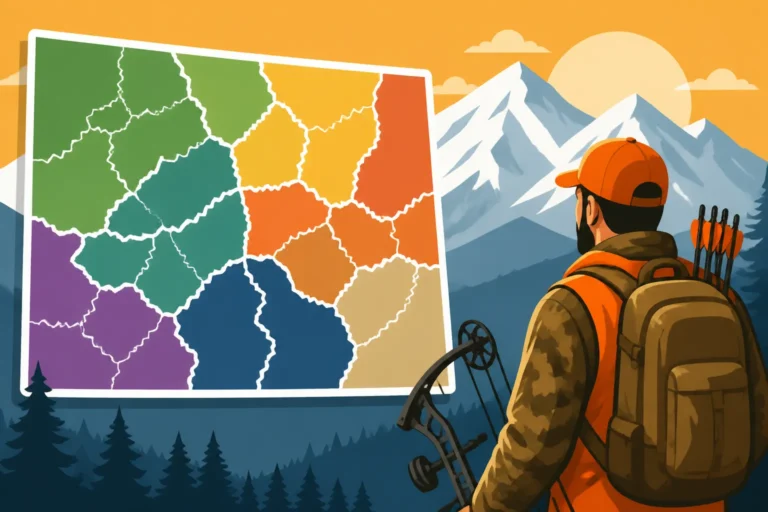
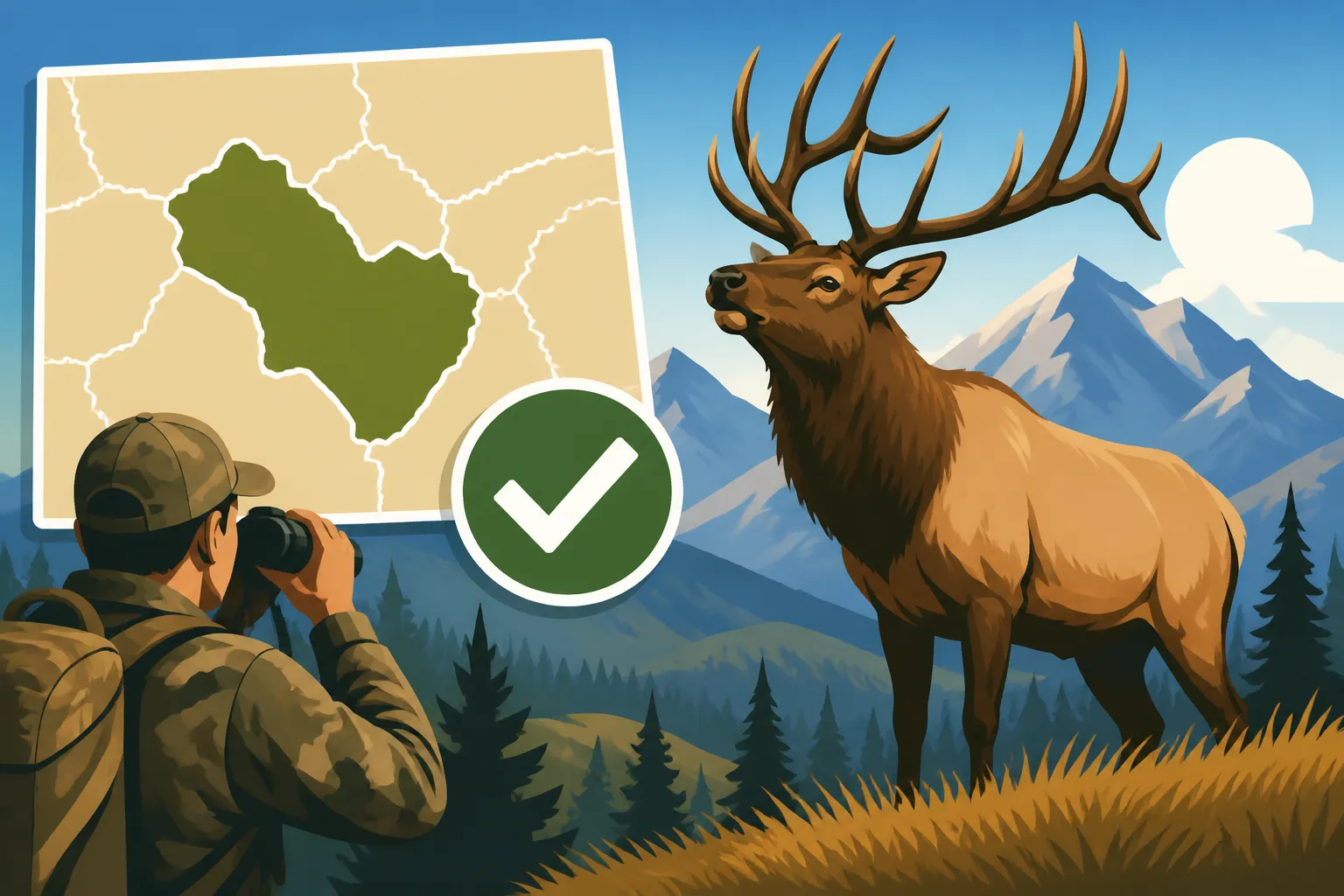
GMU 30 is situated in the northwest corner of Colorado, nestled against the border of Utah. It’s generally bounded by the Yampa River to the north, Highway 13 to the east (separating it from GMU 23), and a mix of county roads and geographical features to the south and west. This unit shares boundaries with other well-known areas like GMU 21 to the south and GMU 2 to the west. A significant portion of GMU 30 falls within the vast White River National Forest, which is renowned for holding one of the largest elk herds in North America. This geographic placement means that elk populations within GMU 30 often benefit from the movements of these larger herds, especially during migration periods.
For many hunters, the appeal of GMU 30 lies in its sense of remoteness and substantial public land access. While you won't find it as wild as a designated wilderness area, there are definitely sections where you can get deep away from vehicle traffic. You'll find a mix of well-maintained forest roads on some of the mesas and more primitive two-tracks that require a high-clearance vehicle, or simply your boots. The proximity to areas like Dinosaur National Monument to the west also hints at its more rugged, high-desert characteristics in certain lower elevations, contrasting sharply with the alpine environments found elsewhere in the state.
The Diverse Terrain of GMU 30
The landscape within GMU 30 is incredibly diverse, offering a range of habitats that elk utilize throughout the year. You'll encounter everything from dense, dark timber stands of spruce and fir, particularly at higher elevations and on north-facing slopes, to expansive aspen groves that explode with color in the fall. These timbered areas are crucial for elk bedding and thermal cover, especially when the weather turns cold or hunter pressure increases. Learning how to hunt elk in the dark timber effectively will be a key skill here.
As you drop in elevation, the terrain transitions to more open sagebrush parks, cedar breaks, and pinyon-juniper forests, especially in the western and southern parts of the unit. These areas provide important forage and are often where elk will filter down to as seasons progress or during winter migration. Water sources, while sometimes sparse in the lower, drier areas, are critical focal points. Finding seeps, springs, and drainages with reliable water can be absolute goldmines, particularly during the early archery season. Understanding these varied habitats is paramount, as elk will move between them based on food, water, weather, and hunting pressure. You’ll need to adapt your strategy from glassing open hillsides to still-hunting through thick cover, sometimes all in the same day.
Elk Dynamics and Hunter Success in GMU 30
So, what about the elk themselves? Are there enough, and can a hunter realistically expect to find success in GMU 30? These are the real questions every hunter asks, and the answers involve understanding herd dynamics and the realities of public land hunting.
Understanding the Elk Population and Herd Health
GMU 30 is part of the larger elk management strategy for the White River herd, which is consistently one of the largest elk populations in Colorado. This means that, generally speaking, there are plenty of elk in the region, and GMU 30 benefits from that healthy population. However, it's not simply a matter of "lots of elk everywhere." Elk movement is highly influenced by seasonal changes, available forage, and of course, hunter pressure. During the archery season, you might find elk spread out across their summer range, often in higher elevations, enjoying lush feed. As rifle seasons commence and snow begins to fall, you'll see a shift as elk start their migration to lower, more protected winter ranges.
The overall health of the herd in GMU 30, like many Colorado units, is actively monitored by Colorado Parks and Wildlife (CPW). While specific trophy potential might vary from year to year, the unit consistently produces a good number of bulls, cows, and calves. It's not typically known as a "trophy unit" in the same vein as some limited-draw areas with decades of preference points required, but it offers realistic opportunities for both antlered and antlerless elk. Hunters focusing on meat often find good opportunities for cow tags, which are generally easier to draw or even available over-the-counter (OTC) in certain seasons, allowing for a fantastic freezer-filling hunt.
Deciphering Success Rates and Hunter Pressure
Let's be realistic: hunting GMU 30, especially during the general rifle seasons, can mean dealing with other hunters. Hunter pressure is a significant factor in any public land unit in Colorado, and GMU 30 is no exception. Areas easily accessible by road will inevitably see more boot leather and vehicle traffic. When elk feel this pressure, they don't disappear; they adapt. They become more nocturnal, retreat into dense timber, or move into areas that are harder for hunters to reach. This is a common challenge when you're trying to figure out how to hunt elk on public land pressure.
According to CPW statistics, success rates in GMU 30 for elk vary by weapon and season. Archery hunters often see lower success rates overall, but those who put in the effort during the rut can have incredible calling encounters. Muzzleloader season, a shorter window, can offer good opportunities as well, often catching elk as they transition or during the tail end of the rut. Rifle seasons generally see higher harvest numbers due to the larger number of participants and greater effective range of the weapon. However, the sheer volume of hunters can also make success feel harder-won.
For non-residents, GMU 30 often offers OTC tags for archery and certain rifle seasons (like 2nd and 3rd rifle). This accessibility is a major draw, but it also contributes to the hunter numbers. Here’s a general overview of what you might expect regarding success rates:
| Season | Tag Type | General Hunter Pressure | Average Success Rate (Historical) | Key Challenges |
|---|---|---|---|---|
| Archery | OTC/Limited | Moderate | 10-15% | Elk spread out, needing to get close, calling |
| Muzzleloader | Limited Draw | Moderate-High | 15-20% | Short season, weather dependent |
| 1st Rifle | Limited Draw | High | 20-25% | Elk still high, cold weather, drawing a tag |
| 2nd Rifle | OTC/Limited | Very High | 15-20% | High pressure, elk moving, variable weather |
| 3rd Rifle | OTC/Limited | Very High | 15-20% | High pressure, elk moving, variable weather |
| 4th Rifle | Limited Draw | Moderate | 20-25% | Migration, snow, drawing a tag |
Note: These are general historical averages. Actual success rates vary greatly year to year and depend heavily on hunter skill, effort, and weather conditions.
The key takeaway here is that success in GMU 30 isn't handed to you. It demands effort, preparation, and a willingness to adapt. If you're looking for a relatively accessible unit with decent elk numbers but understand you'll need to work for it, GMU 30 can be a great choice.
Strategic Approaches for Hunting GMU 30 Elk
Simply showing up in GMU 30 with a tag isn't enough; you need a strategy. The mountains of Colorado demand a thoughtful approach, combining pre-season preparation with on-the-ground execution.
Effective Scouting and Hunt Planning
Your success in GMU 30 starts long before you ever set foot in the unit. Digital scouting has become an indispensable tool for Western hunters, and it will be crucial for a unit like 30. Using tools like onX Hunt or GoHunt maps allows you to virtually explore the terrain, identify public land boundaries, analyze topography, find potential water sources, and mark promising areas for elk sign. Look for north-facing slopes with dark timber for bedding areas, south-facing slopes and open parks for feeding, and natural travel corridors like saddles and ridges. Also, pay close attention to areas that are a mile or more from roads – these are often where elk retreat once pressure builds. My guide on how to E-Scout Before a Colorado Hunt can provide a deep dive into this process.
Beyond e-scouting, if at all possible, a physical scouting trip can make a huge difference. Driving the forest roads, hiking into potential areas, and looking for fresh tracks, droppings, and rubs will confirm your digital findings and give you invaluable on-the-ground knowledge. Even if you can't make a dedicated scouting trip, utilizing historical data from CPW on harvest locations and success rates in different parts of the unit can help narrow down your focus.
Season-Specific Tactics and Elk Behavior
Elk behavior changes dramatically throughout the hunting seasons, and your tactics must change with them.
- Early Archery Season (Late August – September): This is the rut! Elk are vocal, active, and can be drawn in by calling. Focus on higher elevations where cows and bulls are gathering. Understand how to call elk in Colorado, using a mix of cow calls and bugles to locate and entice bulls. Be prepared for warm weather and aggressive tactics. Learning Archery Elk Tactics for the Rut is essential.
- Muzzleloader Season (Mid-September): Often overlaps with the tail end of the rut, offering a unique opportunity. Elk might still be responsive to calling but are becoming warier. Weather can be a wildcard, swinging from warm to cold quickly.
- Rifle Seasons (October – November): This is where pressure peaks. Elk will be pushed into their sanctuaries—thick timber, steep canyons, and roadless areas. Forget aggressive calling and instead focus on still-hunting through cover, using topography to your advantage, and moving slowly and quietly. My guide on how to Still-Hunt Colorado Timber is particularly relevant here. During the later rifle seasons, as snow begins to fall, elk will start their migration. Identifying these migration corridors and pinch points can be incredibly effective. Consider reading Colorado Rifle Elk Hunting Guide for more detailed strategies.
- Late Season (December): Often requires specialized draw tags, these hunts focus on post-migration elk, typically at lower elevations. Snow is usually present, which can concentrate elk but also make access challenging. This is often a good time for hunting cow elk for meat.
No matter the season, patience, persistence, and a willingness to hike are your greatest assets. When you encounter elk that suddenly go quiet, understanding How to Find Elk When They Go Quiet can save your hunt.
Navigating the Backcountry and Public Access
GMU 30 boasts a significant amount of public land, primarily within the White River National Forest. However, "public land" doesn't always mean "easy access." Many of the best elk hunting spots are found deep in the backcountry, far from roads and ATV trails. This is where your physical conditioning and gear become paramount. Planning a Colorado Backcountry Hunting Guide adventure requires careful attention to detail, from your pack weight to your navigation skills.
Utilize topographical maps and mapping apps like onX Hunt to identify roadless areas and designated wilderness boundaries where vehicle access is restricted. These remote zones often hold more undisturbed elk. When planning your hunt, consider a DIY approach where you pack into these areas and set up a spike camp. This allows you to hunt deeper, rest closer to the elk, and avoid the daily commute from a truck camp. A reliable backpack is crucial; check out Best Backpack for a Colorado Elk Hunt for recommendations.
The rewards of hunting the backcountry are immense: fewer hunters, more relaxed elk, and a truly immersive experience. But it also means you need to be self-sufficient and prepared for anything. This includes knowing How to Pack Out an Elk in Colorado, as getting an animal out of a remote canyon can be one of the most physically demanding parts of the hunt.
Navigating Access and Public Lands
Understanding who owns what land and how you can legally access it is fundamental to hunting any GMU in Colorado, and GMU 30 is no different.
Unlocking Public Land Opportunities
The majority of huntable land in GMU 30 is public, primarily managed by the U.S. Forest Service as part of the White River National Forest. There are also smaller pockets of Bureau of Land Management (BLM) land, especially in the unit's lower, western sections. These public lands are your primary focus for a DIY elk hunt.
To locate these areas, the Colorado Hunting Atlas is an invaluable online resource provided by CPW, which overlays public and private land boundaries, roads, and topography. Supplement this with a good GPS app like onX Hunt on your phone, which clearly displays land ownership in real-time. Look for areas with a high percentage of public land and try to identify access points that might be less obvious, thereby reducing hunter competition.
When planning your hunt, study ingress and egress points carefully. Many forest roads crisscross the unit, but some are closed seasonally or permanently to vehicles. Always check current road closure information with the local Forest Service office before your hunt. Focusing your efforts on areas that require a longer hike in will often get you away from the majority of other hunters, especially during the busy rifle seasons. This is a core tenet of a Colorado DIY Elk Hunting Guide approach.
Considerations for Private Land and Mixed Ownership
While GMU 30 offers abundant public land, you will also encounter private land holdings, particularly in river bottoms, near agricultural areas, and along some of the primary access roads. Colorado's land ownership can sometimes be a checkerboard, with alternating sections of public and private land. It's absolutely critical to know where you are at all times and respect private property boundaries. Trespassing, even accidentally, can lead to severe penalties and damage the reputation of all hunters.
Some private landowners in GMU 30 may lease hunting access or participate in programs like Colorado's Ranching for Wildlife. These opportunities often come with a higher price tag or require navigating a specific application process, but they can offer exclusive access to prime elk habitat with potentially less pressure. For most DIY public land hunters, however, the focus will remain squarely on the vast public expanses. Always use your mapping tools to clearly delineate public from private land, ensuring you stay legal and ethical throughout your hunt.
Final Thoughts: Is GMU 30 the Right Unit for You?
So, is Colorado GMU 30 good for elk? The answer is a resounding "yes," but with an important caveat: it's good for hunters who are prepared to put in the work. GMU 30 offers a healthy elk population, diverse habitat, and plenty of public land, making it a viable option for many hunters, especially those seeking over-the-counter opportunities or a solid DIY experience. However, it's not a unit where elk will simply walk up to your truck. Hunter pressure, particularly during the general rifle seasons, is a reality you must account for.
Success in GMU 30 hinges on thorough pre-season scouting, adapting your tactics to the specific season and elk behavior, and a willingness to hike into harder-to-reach areas. If you embrace the challenge, respect the land, and are ready for a true Western elk hunting adventure, then GMU 30 could very well be the unit that delivers a memorable experience and, hopefully, some delicious wild game for your freezer. For more context on the entire system, read through the comprehensive Colorado Hunting Seasons Explained.
Disclaimer
Hunting in Colorado involves inherent risks, including but not limited to those associated with wildlife, terrain, and weather conditions. Always prioritize safety, adhere to all Colorado Parks and Wildlife regulations, and ensure you are properly licensed and educated. The information provided here is for general guidance and educational purposes only; it is not a substitute for official regulations, professional outfitter advice, or personal on-the-ground scouting.