Hunting the White River National Forest
Stepping into the vast and legendary hunting grounds of the White River National Forest can feel both exhilarating and incredibly daunting. This iconic Colorado landscape, famous for its stunning scenery and abundant wildlife, draws hunters from all over, but navigating its sheer scale and diverse terrain can be a real challenge. If you're hoping to unlock the secrets to a successful hunt in this incredible area, you've come to the right place. This comprehensive guide is designed to help you understand the White River National Forest, offering practical insights and strategies to make your next big game adventure a memorable one.
Understanding the White River National Forest for Hunting
The White River National Forest (WRNF) isn't just a patch of woods; it’s a sprawling 2.3 million-acre titan that stretches across northwestern Colorado, encompassing eight wilderness areas and eleven ski resorts. But for us hunters, it represents a mosaic of prime big game habitat, particularly renowned for its elk populations. When you talk about elk hunting in Colorado, the White River is often one of the first places that comes to mind, and for good reason—it's home to some of the largest herds in North America. This isn't easy country, mind you; it's a land of high peaks, dense timber, expansive alpine basins, and deep canyons, all of which contribute to its wild character and the challenge it presents.
The forest's sheer size means incredible diversity. You'll find everything from sagebrush flats at lower elevations that quickly transition into aspen groves, then dark timber stands of spruce and fir, finally topping out in vast, open alpine tundra. This varied landscape is precisely why it supports such a robust array of wildlife. Hunters here need to be prepared for drastic elevation changes, unpredictable weather, and the physical demands of traversing rugged terrain, often far from any roads. It’s a true test of grit and skill, but the rewards can be extraordinary.
Key Game Species and Their Habitat
While the White River National Forest is most famous for its elk, it's also a fantastic area for other big game species, each with their own preferred haunts within this diverse ecosystem. Understanding where these animals typically live and feed is the first step in successful scouting and hunting.
Elk are the undisputed kings here, and they thrive in the mix of dark timber for cover and aspen groves or open parks for forage. During the early seasons, you’ll often find them higher up in the cooler alpine basins, particularly in areas like the Flat Tops Wilderness. As hunting pressure mounts and the weather starts to turn colder, they tend to move into thicker timber and lower elevations, seeking refuge and winter range. During the rut in September, those bugles can echo across the canyons, drawing hunters deep into their territory. Knowing how to call elk in Colorado is a vital skill here.
Mule deer are another popular target, and while they often share some of the same range as elk, you’ll frequently find them in slightly different niches. They prefer broken country, often inhabiting the fringes of timberlines, sagebrush draws, and areas with good browse. During the early archery seasons, big bucks can be found in the high country, often above timberline, where they spend their summer months. As rifle seasons progress and snow begins to fall, mule deer will migrate to lower-elevation wintering grounds, making them a prime target for late-season hunters focusing on migration-season mule deer.
Black bears are also present throughout the White River National Forest, often as an incidental harvest for elk and deer hunters. They are intelligent, opportunistic feeders, and you'll find them ranging from lower-elevation oak brush and berry patches to higher aspen stands. Their movements are often dictated by food sources, so areas with abundant acorns, serviceberries, or chokecherries can be hot spots in the fall. While less common, a small population of Shiras moose also inhabits certain parts of the WRNF, particularly in riparian areas and willow bottoms, offering a truly unique hunting opportunity for those lucky enough to draw a tag.
Topographic Challenges and Opportunities
The terrain in the White River National Forest is nothing short of breathtaking, and it demands respect. Hunters often face steep, unforgiving slopes, deep canyons, and vast plateaus. This isn't flat ground hunting, folks. The average elevation across the forest ranges significantly, with many prime hunting areas sitting between 8,000 and 12,000 feet. This means that hunters must be physically prepared for Colorado elk, including altitude training for Colorado hunting, and understand how to hunt elk at high elevation.
The dense dark timber, while providing excellent cover for elk, can be incredibly difficult to navigate. Visibility is often limited to mere yards, forcing hunters to move slowly and quietly. Learning how to still-hunt Colorado timber is an essential skill here. Conversely, the expansive alpine basins and open parks offer incredible glassing opportunities, especially during early morning and late evening. Spot-and-stalk hunting in Colorado becomes a viable method in these open areas, allowing you to cover vast distances with your eyes before putting your boots on the ground.
Thermal drafts are another critical consideration. In the mountains, air currents typically rise in the morning as the sun warms the slopes and fall in the evening as the air cools. Understanding and using these thermals is paramount for scent control, ensuring your scent doesn't carry directly to the animals you're pursuing. Misjudging the wind or thermals can ruin a hunt before it even begins.
Navigating Access and Public Land
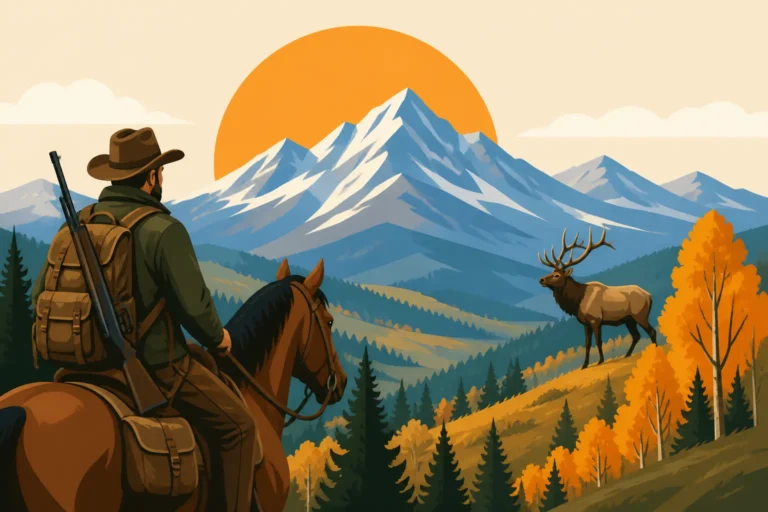
One of the biggest advantages of hunting the White River National Forest is its sheer amount of accessible public land. However, "accessible" doesn't always mean easy. Getting into prime hunting areas often requires navigating a network of Forest Service roads, some well-maintained, others requiring high-clearance 4×4 vehicles. Many of the most productive elk areas are deep within the backcountry, away from roads, demanding a commitment to packing in on foot or horseback.
The forest has numerous trailheads that serve as jump-off points into wilderness areas or extensive roadless tracts. Understanding which roads are open, which are seasonal, and which lead to private land boundaries is crucial to avoid trespassing and maximize your hunting time. This is where diligent pre-scouting and utilizing modern mapping tools truly pay off.
Utilizing Digital Tools for Access
In today's hunting world, digital mapping applications are no longer a luxury—they are a necessity, especially when you're dealing with a landscape as complex as the White River National Forest. Tools like onX Hunt are invaluable for hunters trying to decipher public and private land boundaries, find water sources, identify potential bedding and feeding areas, and locate hidden trails or access points. You can layer satellite imagery with topographic maps, observe landowner information, and mark waypoints for your camp, water caches, or animal sightings. This significantly reduces the guesswork and helps you plan your approach down to the smallest detail.
Another powerful resource is GoHunt, which can provide in-depth unit data, draw odds, and filtering tools that help you narrow down specific Game Management Units (GMUs) within or adjacent to the White River National Forest. While it doesn't give you boots-on-the-ground info, it helps with the macro planning—identifying units with higher success rates, specific tag availability, or different types of terrain you might prefer. Combining these tools allows you to go from broad planning to hyper-specific on-the-ground navigation, maximizing your time and effort in this massive forest.
Understanding Motorized vs. Wilderness Areas
A critical distinction to understand in the White River National Forest is the difference between areas open to motorized travel and designated wilderness areas. Wilderness areas, like the Flat Tops Wilderness or the Maroon Bells-Snowmass Wilderness, are federally protected lands where motorized vehicles and even mountain bikes are strictly prohibited. This means access is limited to foot or horseback travel, which significantly reduces human pressure in many of these areas, making them prime spots for solitude and bigger, less-pressured animals.
However, hunting in these wilderness areas means a more arduous and physically demanding hunt. You'll need to know how to pack into the Colorado backcountry and be prepared for a multi-day, self-sufficient experience. Your gear list for a Colorado backcountry hunting guide will need to be meticulously planned, including lightweight camping equipment, food, water filtration, and the means to pack out an elk in Colorado, often over challenging terrain. While challenging, the rewards of hunting deep within a wilderness area—the solitude, the pristine nature, and the chance at a truly wild animal—are unparalleled.
Outside of designated wilderness, the forest has an extensive network of roads and trails. Some Forest Service roads allow vehicle access, providing easier entry to certain areas. However, many of these roads will have seasonal closures, especially at higher elevations or during wet conditions. Always check with the local Forest Service office or consult your onX Hunt app for current road status and restrictions before heading out. Respecting these regulations is not only the law but also helps maintain the integrity of the hunting grounds for future generations.
Strategic Planning and Seasonal Considerations
Hunting the White River National Forest isn't a one-size-fits-all endeavor. Your strategy will vary dramatically depending on the species you're targeting, the season you plan to hunt, and the specific terrain you decide to tackle. Successful hunters here are those who do their homework, scout effectively (both remotely and in person), and adapt to changing conditions. This means understanding Colorado hunting seasons explained and knowing when each species is most active and vulnerable.
Optimal Seasons for Elk and Mule Deer
Elk:
- Archery Season (Early September): This is often considered the most exciting time to hunt elk in the White River. It coincides with the peak of the rut, when bull elk are vocal, bugling, and often less wary as they compete for cows. Learning how to bugle for Colorado elk and other Colorado elk hunting calling tactics can be incredibly effective during this period. The weather can be mild, but hunters must still be prepared for sudden changes, including snow at higher elevations. This is a physically demanding hunt, often requiring hunters to be deep in the backcountry, chasing bugles.
- Muzzleloader Season (Mid-September): Following close on the heels of archery, muzzleloader season often still catches the tail end of the rut. The elk are still active, though potentially warier from previous pressure. This season provides a unique challenge, combining close-range opportunities with traditional hunting methods. Hunters should consult the Colorado Muzzleloader Hunting Guide for specific regulations.
- Rifle Seasons (Late October – Mid-November): Colorado offers multiple rifle seasons, each with its own nuances. The 1st Rifle Season is often a pure draw season, providing less pressure but still challenging conditions. The 2nd and 3rd Rifle Seasons are often where you'll find Colorado OTC elk tags explained, meaning more hunters but also potentially more elk movement due to pressure. By these later seasons, elk are generally moving towards lower elevations and into thicker cover as winter approaches. Hunters should focus on finding elk in deep timber, saddles, and benches as they seek refuge from hunting pressure and the elements.
Mule Deer:
- Early Archery Season (Late August – Early September): Similar to elk, early archery season can be excellent for high-country mule deer. Bucks are often in their velvet or freshly hard-antlered, living in small bachelor groups above timberline, making them susceptible to careful spot-and-stalk tactics.
- Late Rifle Seasons (Mid-October – Mid-November): These later seasons are fantastic for mule deer, as bucks begin their migration to winter range. The rut also starts to kick in, especially in November, making bucks more focused on does and less cautious. Hunting the Colorado rut for mule deer can be incredibly rewarding, especially when snow pushes deer down from the highest elevations.
Gear and Preparation for White River Hunts
A successful hunt in the White River National Forest relies heavily on your preparation, both physical and in terms of gear. This isn't the place to skimp on quality or training.
Physical Fitness: The rugged terrain and high elevations demand peak physical condition. Incorporate cardio, strength training, and incline work into your fitness plan months before your hunt. Hiking with a weighted pack is excellent practice, simulating the load you'll carry. Acclimating to Colorado elevation before your hunt, if possible, can significantly reduce the impact of altitude sickness and allow you to perform better. Even a few days spent at elevation before your hunt can make a difference.
Essential Gear: Your Colorado backcountry hunting gear list should be comprehensive.
- Optics: High-quality binoculars (10x or 12x), a spotting scope, and a rangefinder are non-negotiable. Being able to glass big Colorado basins effectively is key to locating animals without expending unnecessary energy.
- Layered Clothing: Colorado weather is famously unpredictable. Layers are crucial to adapt to temperature swings, from frosty mornings to warm afternoons, and sudden snowstorms. Look for moisture-wicking base layers, insulating mid-layers, and a waterproof/windproof outer shell.
- Boots and Backpack: Invest in high-quality, broken-in hunting boots that offer excellent ankle support and traction. A comfortable, well-fitting backpack capable of carrying your gear and potentially a heavy load of meat is paramount. Osprey and Mystery Ranch are popular brands among backcountry hunters for their comfort and durability.
- Navigation: While digital tools like onX Hunt are powerful, always carry a physical map and compass as a backup. GPS devices can fail, and phone batteries can die. Knowing how to read a map and use a compass is a fundamental backcountry skill.
- First-Aid and Safety: A comprehensive first-aid kit, emergency shelter (like a lightweight tarp or bivy), fire-starting supplies, and a satellite communication device (like a Garmin inReach or Zoleo) are vital for safety in remote areas.
Remember, the White River National Forest is a wild place that commands respect. Proper planning and preparation are not just about success; they are about safety and ensuring you have an enjoyable, memorable experience in one of Colorado's true hunting gems.
| Species | Primary Habitat | Best Season (General) | Key Considerations |
|---|---|---|---|
| Elk | Dark timber, aspen groves, alpine basins | Archery (Rut), 2nd/3rd Rifle | High elevation, physical demands, calling, migration |
| Mule Deer | Timber fringes, sagebrush, high basins | Early Archery, Late Rifle | Glassing, migration routes, spot-and-stalk |
| Black Bear | Berry patches, oak brush, dense cover | Archery, Fall Rifle | Opportunistic, often incidental to elk/deer, food-driven |
| Moose | Riparian areas, willow bottoms (limited) | Draw-only, specific units | Very low tag availability, unique habitat |
Disclaimer
Please remember that hunting regulations and season dates are subject to change annually. Always consult the most current Colorado Parks and Wildlife (CPW) regulations brochure before planning any hunt. The information provided here is for general guidance and educational purposes only.