How to Get Landowner Permission in Colorado
It's a common story: you've spent countless hours poring over maps, e-scouting, and maybe even burning vacation days to scout public land, only to arrive opening morning and find every prime parking spot taken, and a hunter on every ridge. The frustration of competing with dozens, if not hundreds, of other hunters for the same elk or deer on public ground in Colorado is very real, and it can truly diminish the hunting experience. This comprehensive guide is dedicated to helping you navigate the world of private land hunting in Colorado, offering actionable strategies to gain permission from landowners and unlock access to less-pressured, potentially higher-quality hunting opportunities.
Understanding the Landscape of Private Land Hunting in Colorado
Hunting private land in Colorado offers a unique set of advantages, but it also comes with its own set of rules and etiquette. It’s not just about finding a piece of property; it’s about understanding the legal framework, the ethical considerations, and the various ways one can gain access beyond simply knocking on a door. Many hunters dream of private land access precisely because it often means fewer hunters, undisturbed animals, and a more serene experience, but getting there requires diligence and respect.
Why Private Land is a Game Changer for Hunters
Imagine stepping into the woods on opening morning without seeing another headlamp in the distance, or spotting a magnificent bull elk browsing in a secluded meadow, untouched by the usual public land pressure. This isn't just a fantasy; it's a reality for those who secure private land access. On private properties, game animals often exhibit more natural behaviors, less wary of human presence, simply because they aren't constantly being pushed around by hunters. This can lead to higher success rates, a more relaxed hunt, and the opportunity to observe wildlife in a way that's increasingly rare on heavily trafficked public areas.
Furthermore, private land frequently serves as critical habitat or migration corridors, especially during specific seasons. Think about those vast ranchlands bordering national forests or BLM property; elk and deer often retreat to these private havens once the public land pressure intensifies. Gaining permission to hunt these properties can put you right in the middle of these animal movements, offering access to areas that might otherwise be completely off-limits, effectively creating a sanctuary where animals can feel safe. It truly changes the dynamic of the hunt, allowing for more strategic and less harried approaches.
The Legalities and Ethics of Hunting Private Land
Before you even think about approaching a landowner, it’s absolutely crucial to understand the legalities and ethical responsibilities that come with hunting private property in Colorado. Unlike public lands where access is generally permitted with a valid license, private land requires explicit permission from the owner. Trespassing, even accidentally, can lead to severe fines, loss of hunting privileges, and even criminal charges, not to mention permanently damaging your reputation and the reputation of hunters in general. Always know exactly where property lines lie; resources like onX Hunt are invaluable for this, showing property boundaries and landowner names right on your phone.
Beyond the legal aspects, there's a profound ethical responsibility. When a landowner grants you permission, they are extending a trust that you will respect their property, their livestock, their fences, and their wishes. This includes things like closing gates, not driving off designated roads, packing out all your trash (and maybe even some that wasn't yours), respecting setbacks from buildings, and only harvesting the animals you're permitted to hunt. A private land hunt is a privilege, not a right, and treating it with the utmost respect ensures not only your continued access but also helps to foster positive relationships between landowners and the hunting community as a whole. Remember, a bad experience with one hunter can sour a landowner on all hunters for years to come.
Differentiating Between Landowner Permission, Vouchers, and Leases
The world of private land access in Colorado isn't a one-size-fits-all scenario; there are distinct avenues to pursue, each with its own implications for cost, access, and experience. Understanding these differences is key to choosing the right path for your hunting goals.
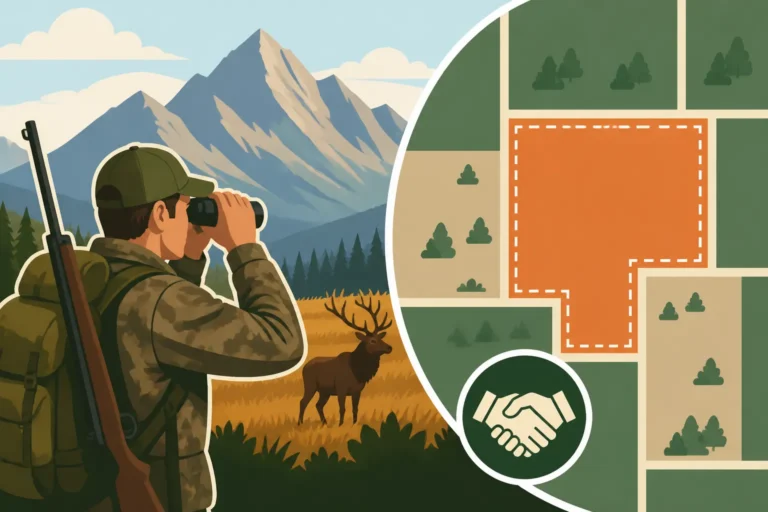
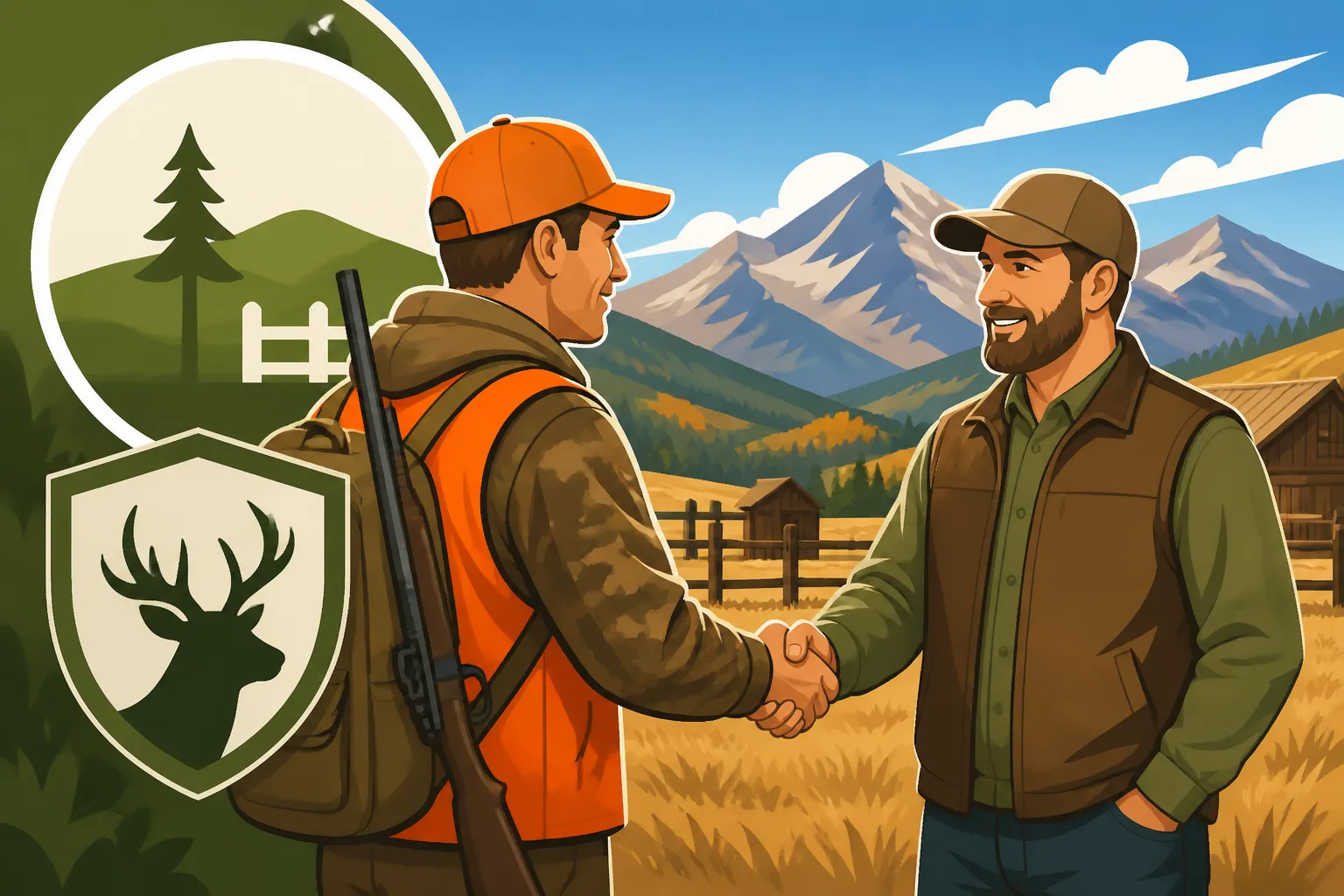
Direct landowner permission, often secured through a simple handshake or a written agreement, is the most traditional method. This typically involves contacting the landowner directly and requesting access to hunt their property. These opportunities are often free or involve a small access fee, but they require significant effort in relationship building and trust. The terms are entirely between you and the landowner, ranging from open access to specific dates or species. This is the ultimate "DIY" approach to private land hunting.
Colorado also has a system of landowner preference or vouchers, which are draw tags sometimes linked to private land. Landowners in certain units can receive a limited number of "landowner preference" points or actual vouchers, which they can then use themselves, give to family/friends, or sell to other hunters. These vouchers typically allow the holder to purchase a draw tag without accumulating the usual number of preference points. These can be expensive but guarantee a tag for a specific unit and often come with private land access, sometimes arranged through an outfitter. For more on this, you can check out our guide on Colorado Landowner Vouchers Explained.
Finally, hunting leases involve a formal, typically long-term, contractual agreement where a hunter or group of hunters pays an annual fee for exclusive hunting rights on a specific property. Leases offer guaranteed access and often greater control over habitat management and game populations. While often cost-prohibitive for many individual hunters, they can be a great option for a group of friends or a hunting club. You might find more detailed information in our article on Colorado Hunting Lease Options.
| Access Type | Description | Cost Implications | Effort Required | Access Guarantee |
|---|---|---|---|---|
| Direct Permission | Hunter contacts landowner directly for permission to hunt. | Typically free or minimal fee | High (relationship building, searching) | Variable (handshake to written) |
| Landowner Voucher | Landowner receives a preferential tag that can be used or sold; often includes private land access. | Can be very expensive (voucher + tag) | Moderate (finding vouchers, arranging terms) | High (specific to tag) |
| Hunting Lease | Formal, annual contract for exclusive hunting rights on private land. | Annual fee (can be substantial) | Moderate (finding lease, negotiating contract) | High (contractual) |
| Ranching for Wildlife | Public draw opportunities on private ranches managed for wildlife; limited access for public hunters. | Standard tag cost (public draw) | Moderate (applying, understanding specific ranch rules) | High (if drawn) |
Identifying Potential Private Land for Hunting
Finding private land that holds game and whose owner might be open to granting permission is a detective's job. It requires a blend of technological savvy, on-the-ground investigation, and a good understanding of wildlife behavior. You can't just pick a random piece of private land; you need to target properties strategically.
Leveraging Technology for Initial Reconnaissance
In today's hunting world, technology is your best friend for initial private land reconnaissance. Tools like onX Hunt and GoHunt are absolute game-changers. With onX Hunt, you can overlay public and private land boundaries directly onto detailed topographic maps, immediately revealing who owns what. This allows you to identify large tracts of private land adjacent to public land, or properties that might contain key habitat features like water sources, dense cover, or feeding grounds. You can even see landowner names, which is crucial for making that initial contact.
When you're looking at a GMU (Game Management Unit), consider areas where public land fingers into private, or where large private ranches create natural bottlenecks or sanctuaries for game. Using onX Hunt, you can meticulously scout an area, marking potential access points, identifying travel corridors, and even visualizing how animals might move between public and private holdings. Similarly, GoHunt's Insider service offers detailed draw odds, unit analyses, and harvest data, which can help you narrow down which GMUs might have better private land potential or higher quality animals, making your targeted outreach more efficient. This level of detail from your armchair scouting is invaluable before you ever step foot on the ground. For more tips on using these digital tools, check out How to E-Scout Before a Colorado Hunt and How to Use onX for Colorado Hunting.
Local Knowledge and Ground-Truthing Potential Properties
While e-scouting is powerful, it's no substitute for local knowledge and ground-truthing. Once you've identified a few promising private parcels using your mapping apps, it's time to hit the road. Drive the county roads that border these properties. Pay attention to "No Trespassing" signs, access points, and the general condition of the fences. Look for signs of wildlife, like tracks, droppings, rubs, or bedding areas near the private land boundaries. A property that looks great on a map might be completely fenced off or actively farmed, making it unsuitable or inaccessible.
Talking to locals can also provide invaluable insights. Stop at the local diner, hardware store, or gas station in the nearest small town. Politely inquire about local landowners, general hunting conditions, or if they know of any properties that might allow hunting. You'd be surprised how much information you can glean through friendly conversation. However, always be respectful of local customs and don't press for information if people are hesitant. Sometimes, simply being a polite and interested visitor can open doors, or at least point you in the right direction to learn about the area's dynamics, helping you choose units with better prospects.
Understanding Colorado's "Landlocked" Public Land Access
One interesting aspect of Colorado's land ownership mosaic, especially pertinent when considering private land, is the concept of "landlocked" public land. These are often parcels of BLM or National Forest land that are completely surrounded by private property, with no public road or trail access. Without explicit permission to cross the private land, these public parcels are effectively inaccessible to the average hunter. This presents a unique opportunity.
While it's legally tricky to access these areas without permission, a landowner who owns property adjacent to or surrounding a landlocked public parcel might be more willing to grant permission, especially if you emphasize that you're seeking to access the public land through their property. For the landowner, this could mean less pressure on their actual private grounds, while still helping a fellow hunter. Using your mapping tools like onX Hunt will highlight these landlocked areas. Approaching a landowner with a clear understanding of these boundaries and a specific request to cross their land to reach public access can sometimes be a more palatable request than outright hunting their private acreage. It shows you've done your homework and understand the complexities of land ownership.
The Art of Making the Ask: Approaching Landowners
Securing private land access is less about luck and more about strategy, respect, and building relationships. Many hunters fail not because landowners are inherently opposed to hunting, but because they approach the request incorrectly. Remember, you’re asking for a favor and a privilege, not demanding a right.
Best Practices for Initial Contact and Building Rapport
The first impression is everything when approaching a landowner. Avoid simply showing up unannounced at their doorstep, especially during busy times of day like dinner or early mornings. A better approach might be to write a polite, hand-written letter introducing yourself, explaining your interest in hunting, and providing your contact information. This gives the landowner time to consider your request without feeling put on the spot. If you decide to go in person, choose a reasonable time of day, dress neatly and conservatively (no camo, please!), and be prepared to be friendly and brief.
When you do make contact, be genuine, honest, and respectful. Introduce yourself, state your purpose clearly, and be upfront about your intentions. Many landowners appreciate a hunter who is polite, well-spoken, and clearly understands boundaries. Share a bit about yourself – where you're from, your hunting experience, and your ethical approach to hunting. Focus on building rapport, even if it means initially just having a friendly conversation about their property, the weather, or local happenings. The goal isn't just to get permission for this year, but to potentially cultivate a long-term relationship. Show that you respect their land and their livelihood.
Crafting Your Permission Request: What to Say and What to Offer
When you're ready to make the formal request for permission, be specific. Instead of a vague "Can I hunt your land?", try: "Mr. Johnson, I'm interested in hunting deer on your property, specifically the north pasture, later this fall. Would that be something you'd be open to considering?" Being precise shows you've thought about it and aren't just looking for blanket access. Be ready to explain how you hunt: "I'm an archery hunter, and I'm very quiet and respectful of livestock."
It's also a good idea to anticipate their concerns and have solutions ready. They might worry about gates being left open, fences being cut, or disturbing livestock. Offer specific assurances: "I promise to close every gate behind me," or "I'm happy to avoid any pastures with cattle." Some hunters even offer to help with chores around the ranch – fixing fences, helping with haying, or checking on livestock. While not always necessary, offering a helping hand can go a long way in building goodwill and demonstrating your commitment to being a good steward. Consider also offering a gift, like a gift basket from a local business, or even a share of any game you harvest. These gestures show appreciation and build lasting connections.
Addressing Landowner Concerns and Setting Clear Expectations
Landowners often have valid concerns about allowing hunters on their property, and it’s your job to address these directly and respectfully. Their concerns might range from safety (will you be careful around their family, employees, or other recreational users?) to property damage (will you drive responsibly, not damage crops or roads?) to ethical hunting practices (will you trespass, shoot too close to buildings, or leave gut piles near common areas?). Being prepared to discuss these openly and offering clear solutions can alleviate a lot of anxiety.
For instance, if they're worried about safety, you can offer to only hunt certain areas, carry orange during rifle seasons, or only hunt with specific weapons. If they're concerned about property, explain that you have private land liability insurance (many hunting organizations offer this) and promise to report any damage you see. Set clear expectations from the start: agree on specific dates, times, areas of access, species to be hunted, and any rules about vehicles, gates, or shot distances from buildings. Documenting these expectations, even in a simple written form, can prevent misunderstandings later. The clearer you are, the more comfortable the landowner will feel, and the more likely you are to secure permission.
Formalizing the Agreement and Maintaining the Relationship
Once you've secured permission, the hard work isn't over. In fact, this is where you solidify your reputation and ensure future access. A handshake deal is great, but a little formality and a lot of follow-through go a long way.
The Importance of Written Agreements
While a verbal "yes" feels fantastic, converting that into a simple written agreement is a smart move for both you and the landowner. It doesn't need to be a complex legal document; a one-page letter stating the agreed-upon terms can suffice. This document should clearly outline:
- Your Name and Contact Information: For both parties.
- Property Description: Legal description or physical address.
- Dates of Access: Specific dates or range (e.g., "October 1st to November 15th").
- Areas Open/Closed to Hunting: Mark on a simple map if possible.
- Species Permitted: "Antlered elk only," "any legal deer," etc.
- Weapons Permitted: Archery, rifle, muzzleloader.
- Specific Rules: E.g., "close all gates," "no driving off established roads," "report all game harvested."
- Liability Clause: A simple statement that the hunter assumes responsibility for their actions.
- Signatures and Date: From both parties.
This written record helps prevent misunderstandings, clarifies expectations, and protects both parties in case of an unforeseen incident. It shows the landowner you're serious and professional, and it gives you a clear reference point. Many state hunting organizations offer template agreements that you can adapt.
Being a Respectful Guest and a Good Steward
Getting permission is the first step; earning continued trust is the next. When you're on the property, act as if you own it, but with the added respect of knowing it belongs to someone else. This means being meticulously clean – packing out all your trash, including spent shell casings, food wrappers, and anything else you brought in. If you find trash that isn't yours, consider packing it out too; it's a small gesture that speaks volumes. Close every gate, even if you found it open. Drive only on designated roads, and if you must go off-road to retrieve game, ask permission first.
Your behavior around livestock is paramount. Move slowly, don't harass them, and avoid splitting herds. If you encounter any issues, like downed fences or sick animals, report them immediately to the landowner. Always be mindful of noise, especially early in the morning or late in the evening near the landowner's residence. The more unobtrusive and respectful you are, the more likely the landowner will be pleased with your presence and willing to invite you back. Remember that your conduct reflects not only on you but on all hunters.
Long-Term Relationships: The Key to Repeat Access
The ultimate goal of securing private land permission isn't just a one-time hunt; it's to cultivate a long-term relationship that ensures repeat access for years to come. This takes consistent effort and genuine appreciation. After your hunt, whether successful or not, always follow up with a sincere thank-you. A handwritten card is far more impactful than a text or email. Consider offering a small token of appreciation, perhaps some of the meat from your harvest (if successful), or a gift certificate to a local restaurant.
Throughout the year, stay in touch. A quick phone call or text message just to say hello, or to offer assistance with a chore, can maintain the connection. "Hey Mr. Smith, just checking in, saw it snowed pretty hard, hope everything's okay on the ranch." These small gestures demonstrate that your interest extends beyond just hunting season. Being reliable, respectful, and genuinely appreciative is the foundation for becoming a trusted guest, and it’s the surest way to secure a cherished hunting spot for the long haul. Remember, these relationships are often more valuable than any trophy.
Alternative Avenues for Private Land Access
While direct landowner permission is often the most rewarding, it's not the only way to gain access to private lands in Colorado. Several programs and options exist that can also unlock incredible hunting opportunities, especially if you're willing to explore different approaches or budget for them.
Colorado's Ranching for Wildlife Program
Colorado Parks and Wildlife (CPW) operates an excellent program called Ranching for Wildlife (RFW). This initiative allows private landowners who own significant acreage and manage their property for wildlife to receive a certain number of limited deer, elk, and pronghorn licenses (often called vouchers) in exchange for providing public hunting access. The beauty of the RFW program is that it creates controlled, high-quality hunting opportunities for public hunters on prime private land that would otherwise be inaccessible.
Hunters apply for RFW tags through the standard CPW draw system, just like any other limited license. However, the draw odds for RFW properties can sometimes be better than traditional limited units, especially for coveted species like elk. Each participating ranch has specific rules, season dates, and access protocols, which you must strictly adhere to. Some ranches offer guided hunts, while others allow self-guided access. It’s an amazing way to experience hunting on well-managed private land without the need for extensive personal outreach to landowners or the high cost of a private lease. To learn more about this, look up Colorado Ranching for Wildlife Explained on the CPW website.
Exploring Hunting Lease Options in Colorado
For those who prioritize guaranteed, exclusive access and are willing to invest financially, hunting leases are a viable option for private land hunting in Colorado. A hunting lease grants you (or your group) the exclusive right to hunt a specific piece of private property for a set period, usually a year, in exchange for an annual fee. Lease prices vary wildly depending on the acreage, game quality, location, and amenities (like cabins or road access), ranging from a few thousand dollars to tens of thousands.
Leases offer several distinct advantages. You're not competing with other hunters on the property, and you often have the ability to implement habitat improvements or trail cameras to better understand game movements. This exclusivity can lead to higher quality hunting experiences and better success rates. While they represent a significant financial commitment, leases can be a fantastic option for a group of dedicated hunters who want a consistent private land opportunity. Many outfitters or land management companies specialize in arranging hunting leases, making the process of finding and securing one more streamlined. For a deeper dive into this, consult our resource on Colorado Hunting Lease Options.
Navigating Landowner Vouchers and Outfitter Services
Beyond the RFW program, individual landowners in Colorado can sometimes receive landowner preference points or actual vouchers that allow them to obtain limited draw tags for specific units. As mentioned earlier, these are separate from RFW tags. These tags often bypass the typical preference point system, meaning a non-resident hunter, for example, could potentially hunt a prime unit that normally requires 10+ points, simply by acquiring a landowner voucher. These vouchers are legal to transfer or sell, and their price is often reflective of the quality of the unit and the species.
Many reputable Colorado outfitters specialize in connecting hunters with private landowners who have these vouchers. By booking a guided hunt through one of these services, you not only gain access to the private land associated with the voucher but also benefit from the outfitter's expertise in scouting, guiding, and game retrieval. While this is often the most expensive route to private land hunting, it virtually guarantees a tag and provides a high-quality, often fully-serviced hunting experience. It’s a great option for hunters who want to avoid the complexities of the draw or prefer a more comfortable, guided approach to their hunt. To understand more about this specific system, refer to Colorado Landowner Vouchers Explained.
Disclaimer: Hunting regulations, season dates, and access rules in Colorado can change. Always consult the latest Colorado Parks and Wildlife (CPW) regulations brochure and website before planning any hunt. This information is for educational purposes only and not a substitute for official legal advice or current CPW regulations.