Colorado OTC Elk Units Explained
Let's face it, the Colorado hunting draw system can feel like trying to solve a Rubik's Cube blindfolded. Many hopeful hunters, especially those new to the state or traveling from afar, find themselves looking for a simpler path to chase the majestic Rocky Mountain elk. That's where Colorado's Over-The-Counter (OTC) elk units come into play, offering a way to bypass the draw entirely. But don't be fooled; "OTC" doesn't mean "easy." This comprehensive guide is here to unravel the complexities, highlight the challenges, and equip you with the knowledge needed to successfully hunt elk in Colorado's OTC units.
Understanding Colorado's Over-The-Counter Elk Tags
The allure of a guaranteed elk tag is powerful, especially when you consider the sometimes years-long commitment of building preference points for coveted draw units. Over-The-Counter (OTC) elk tags are your ticket to the field without having to play the lottery, but it's crucial to understand exactly what that entails.
What "OTC" Really Means in Colorado
When we talk about "OTC" elk tags in Colorado, we're referring to licenses that can be purchased directly from Colorado Parks and Wildlife (CPW) or authorized vendors without participating in the primary or secondary draw. This means if you decide last minute that you want to go elk hunting, or if you simply don't want to wait years to accumulate enough points for a limited tag, an OTC tag is your go-to option. The primary appeal, of course, is the guaranteed tag. You don't have to worry about draw odds or point creep; you just buy it and you're in the game.
However, this convenience comes with a trade-off, and it's a significant one: hunter pressure. OTC units, by their very nature, are open to anyone who buys a tag. This inevitably leads to higher concentrations of hunters, especially in easily accessible areas. You'll also find that the success rates in many OTC units tend to be lower than those in limited draw units, precisely because the elk are under more pressure and are harder to find and hunt. Currently, Colorado offers OTC tags for specific rifle seasons (2nd and 3rd seasons) and for the entire archery season for either-sex elk in designated units. These options allow flexibility, but each presents its own unique set of challenges and opportunities that we'll dive into deeper.
The Evolution of Colorado's OTC Elk Program
Colorado has a long and storied history of elk hunting, and its management strategies have continually evolved. For many years, Colorado was a Western hunting mecca known for its generous OTC opportunities. However, as hunter numbers increased and herd management goals shifted, the CPW began to adjust the program. One of the most significant changes came in 2020, when several previously OTC rifle units were moved into the limited draw. This shift was largely driven by a desire to reduce hunter crowding, improve the quality of the hunting experience, and better manage specific elk herds.
These regulatory changes, while sometimes frustrating for hunters who had grown accustomed to certain units, are designed to serve the larger goals of wildlife conservation and sustainable hunting. The impact of these changes has been profound, making unit selection even more critical for those relying on OTC tags. What was once an "easy" OTC unit might now be a limited draw, or an existing OTC unit might see an influx of hunters displaced from former OTC areas. Staying current with CPW's annual big game regulations is absolutely paramount, as changes can occur, impacting everything from season dates to available units and even the types of tags offered (bulls, cows, or either-sex). This dynamic landscape means that a successful OTC hunter isn't just a skilled woodsman, but also a diligent researcher.
Key Factors When Choosing an OTC Elk Unit
Selecting the right OTC unit is the bedrock of a successful hunt. With dozens of Game Management Units (GMUs) offering OTC opportunities, the sheer volume of choices can be overwhelming. Breaking down your decision into key factors will help you narrow down the field and focus your efforts effectively.
Analyzing Public Land Access and Hunter Density
The amount and accessibility of public land within a GMU are critical considerations for any OTC hunt. While many Colorado units boast vast expanses of National Forest or Bureau of Land Management (BLM) land, the devil is in the details of how that public land is distributed and accessed. A unit might show a high percentage of public land, but if it's all in a designated wilderness area requiring multi-day pack-ins, it might not suit every hunter's physical capabilities or logistical plan. Conversely, units with a high density of roads or easy vehicle access often translate directly into higher hunter pressure, as hunters tend to stick close to roads.
This is where modern mapping tools become indispensable. Services like onX Hunt are absolute game-changers, allowing you to scrutinize public/private land boundaries, identify potential access points, and visualize the terrain long before you ever set foot in the field. You can spot those isolated pockets of public land that are less accessible, or areas that require a longer hike, which are often the places where elk escape the initial waves of hunters. Understanding the concept of "hunter density"—how many hunters are in a given area—is vital. Low-pressure zones are often found further from roads, in steep terrain, or within designated wilderness areas. Knowing how to find elk refuge areas is about understanding where elk go when they feel pressured. These are often the thickest timber stands, north-facing slopes, or remote basins.
Elk Population and Success Rates
It stands to reason that you want to hunt where the elk are, and where other hunters have found success. Colorado Parks and Wildlife (CPW) provides extensive annual hunt statistics, including harvest data, hunter numbers, and success rates for each GMU and season. This data is your primary research tool. However, it's essential to interpret this data wisely. A unit with a high overall elk population might still have a low success rate for OTC hunters if the elk are primarily on private land, or if the terrain makes them incredibly difficult to access on public ground. Conversely, a unit with a slightly lower population but more dispersed public land and challenging access might offer a better chance for a dedicated public land hunter.
Tools like GoHunt's Insider membership can be incredibly valuable here, as they aggregate and analyze this CPW data, providing detailed unit information, draw odds, and filtering capabilities that allow you to compare OTC units based on criteria important to you. They help cut through the raw numbers and offer insights into harvest trends and potential challenges. Don't just look at the raw "successful hunters" number; also consider the "hunters in the field" number. A low success rate with a very high hunter count often means a very challenging hunt. The goal is to find that sweet spot: a unit with a healthy elk population that offers sufficient public land access and reasonable success rates for determined hunters willing to put in the effort.
Terrain and Habitat Considerations
Colorado's diverse landscape means that terrain and habitat vary wildly from one GMU to another. These factors dramatically influence elk behavior and, consequently, your hunting strategy. Are you comfortable navigating dense dark timber, or do you prefer more open aspen groves with scattered clearings? High-elevation units, often found in the heart of the Rocky Mountains, feature steep ascents, rocky slopes, and alpine basins. Elk in these areas might be pressured into timbered north-facing slopes during the day, coming out to feed in open parks at dawn and dusk. Lower-elevation units, while still mountainous, might feature more accessible terrain, but also tend to be closer to human habitation and private property, leading to different pressure dynamics.
Consider your physical fitness and hunting style when evaluating terrain. If you're planning a strenuous backcountry hunt, a unit with extensive wilderness might be ideal, but it demands proper physical preparation for Colorado elk hunting. If you prefer to hunt closer to roads and work smaller pockets, different units will be more suitable. Look for units that offer a mix of cover (dark timber, dense brush), food sources (aspen, open meadows, browse), and water. Understanding how elk use benches, saddles, and drainages for travel and bedding is crucial, as these topographical features often act as natural corridors or security zones for pressured animals. Each habitat type requires a slightly different approach; for example, hunting elk in the dark timber requires a very different mindset than glassing an open basin.
Colorado OTC Archery Elk Units
Archery elk hunting in Colorado holds a special place in the hearts of many hunters. The possibility of calling a bull into close range during the rut is an experience unlike any other. OTC archery tags offer a fantastic opportunity to chase these animals, but it's important to understand both the advantages and unique challenges of this pursuit.
Advantages and Challenges of Archery OTC
The biggest advantage of hunting OTC archery elk in Colorado is undeniably the timing. Archery season largely coincides with the elk rut, a period when bulls are more vocal and active, making calling tactics incredibly effective. This means you might hear bugles echoing through the mountains, which can be an immense help in locating elk. Compared to the rifle seasons, overall hunter pressure is generally lower during archery, although popular spots can still see significant activity. The longer season also offers more flexibility for hunters to schedule their trips. Furthermore, harvesting an elk with a bow at close range is an incredibly rewarding, intimate experience that many hunters crave. For many, it's the ultimate challenge.
However, archery hunting is not without its difficulties. The close-range requirements mean you need to be proficient with your bow and broadheads, capable of making ethical shots under stressful conditions. This often translates to a steeper learning curve for new archers. Physical demands are also significant; you'll likely be covering a lot of ground, often in steep terrain, carrying heavy gear, and sometimes needing to make quick, silent movements to get into position. The weather can also be unpredictable, ranging from warm, dry conditions to early snowstorms. You'll need to master Colorado Archery Elk Hunting Guide tactics, including proper calling, scent control, and silent stalking.
General Characteristics of Good Archery OTC Units
When selecting an OTC archery unit, you want to look for areas that lend themselves well to the tactics required for bowhunting during the rut. This typically means units with ample timber — dense enough for elk to feel secure, but open enough in places for you to move and set up. Aspen groves are excellent, providing both cover and food, and are often where you'll find elk wallows or dusting areas. Units with consistent water sources, like springs, creeks, and wallows, are also magnets for elk, especially during the warmer early season.
Varied terrain is a huge asset. Look for units with a good mix of ridges, valleys, basins, and benches that allow for effective spot-and-stalk hunting in Colorado, as well as opportunities for strategic calling setups. Areas with less road access often translate to lower human pressure, giving elk a place to retreat and feel safe, making them more likely to respond to calls. Wilderness areas, like parts of the Flat Tops Wilderness, are prime examples of this, offering vast stretches of unpressured habitat where archery elk tactics for the rut can truly shine. These areas demand a commitment to go deep, but the rewards can be incredible. Essentially, you're looking for units where elk can be elk, allowing you to use sound, patience, and stealth to close the distance.
Colorado OTC Rifle Elk Units (2nd & 3rd Season)
For many hunters, especially those traveling from out of state, the rifle seasons offer the most accessible entry point into Colorado elk hunting. The 2nd and 3rd rifle seasons, specifically, often have OTC opportunities for either-sex elk in certain GMUs, making them a popular choice.
Understanding 2nd and 3rd Rifle Season Dynamics
Colorado's 2nd and 3rd rifle seasons typically fall in late October and early November. The exact Colorado Elk Season Dates Guide vary slightly year to year, so always confirm with the latest CPW regulations. These seasons follow the archery season and the often limited 1st rifle season, meaning the elk have already experienced significant hunter pressure. By this point, the rut is usually winding down or completely over, so calling tactics, while still occasionally effective, aren't the primary strategy. Instead, elk behavior is increasingly influenced by weather patterns and food sources. Colder temperatures and early snow can trigger migration movements, pushing elk from high country down to lower elevation winter ranges.
Hunter numbers in these rifle seasons are generally the highest of all elk seasons, especially in easily accessible OTC units. This translates to substantial pressure on the elk, making them more wary and likely to seek refuge in thick cover or remote areas. Understanding how to hunt elk after the rut means shifting your focus from vocalizations to tracking, still-hunting, and ambushing animals moving between bedding and feeding areas. If cold weather and snow haven't arrived, elk may still be found at higher elevations, but they'll be far less visible and much more cautious. The key is to be aware of how elk behavior changes and to adapt your strategy accordingly.
Strategies for Success in Crowded Rifle OTC Units
Hunting in crowded OTC rifle units requires a strategic mindset and a willingness to work harder than the average hunter. The most effective strategy is often to go deeper and farther than others. Most hunters will stick close to roads or well-worn trails, so venturing into roadless areas, steep canyons, or dense timber will significantly increase your chances of finding unpressured elk. Hunting the dark timber, especially on north-facing slopes, is often where mature bulls and cows will seek refuge from human activity. These areas are difficult to navigate and require patience and stealth, but they often hold the rewards.
Still-hunting slowly and quietly through these thick areas, paying meticulous attention to wind direction and using thermals, can put you onto animals. Remember, the goal isn't to cover ground quickly; it's to move as silently as possible, pausing frequently to listen and scan. Mastering how to move quietly through Colorado timber is an art form that pays dividends. You'll also want to focus on areas that provide elk with a sense of security: dense cover adjacent to feeding areas, steep terrain that hunters avoid, or areas bordering private property where elk often retreat. Given the pressure, shot opportunities might be fewer and farther between, so being prepared to make a clean, ethical shot quickly is crucial.
Identifying Promising Rifle OTC Units
While "promising" is a relative term in OTC units, certain characteristics can point you toward better opportunities. Look for units with large wilderness components or extensive backcountry areas that naturally deter many hunters. GMUs with rugged, challenging terrain (steep canyons, significant elevation changes) can also act as a filter, pushing out less determined hunters and creating pockets of undisturbed elk. These areas often require a commitment to a Colorado backcountry hunting guide approach, perhaps involving spike camps or multi-day excursions.
Units that share borders with large tracts of private land can also be interesting. While you cannot hunt on private land without permission, elk often move between public and private property, especially when pressured. Positioning yourself along these boundaries, respecting private land lines (using onX Hunt is vital here!), can yield opportunities. Consider units that offer diverse habitats, including both high-elevation summer range and accessible lower-elevation winter range, as elk will migrate when snow flies. General characteristics of "good" OTC rifle units often include extensive public land, diverse and challenging topography, and a track record of consistent elk harvest, even if the success rate is modest. It often comes down to how much work you're willing to put in.
Navigating Resources and Tools for OTC Unit Selection
The sheer volume of information available today can be overwhelming, but when it comes to choosing an OTC unit, knowledge is power. Learning to effectively use the right resources and tools will significantly increase your odds of success.
Utilizing CPW's Official Resources
The Colorado Parks and Wildlife (CPW) website is your absolute first stop and arguably the most important resource for any Colorado hunter. It's not just where you buy your licenses; it's a treasure trove of critical information. Every year, CPW releases its annual Big Game Brochure, which details all seasons, dates, hunt codes, regulations, and unit-specific information. This document is your bible. Beyond the brochure, dive into their "Hunt Recaps" and "Harvest Data" sections. Here, you can analyze harvest statistics for every GMU, broken down by species, season, and weapon type. This will show you hunter numbers, total harvest, and success percentages. Don't just glance at these numbers; dig into them. How many hunters were in the field for the 3rd rifle season in GMU X? How many elk were harvested? What was the bull-to-cow ratio? This granular data helps you understand the pressure and potential.
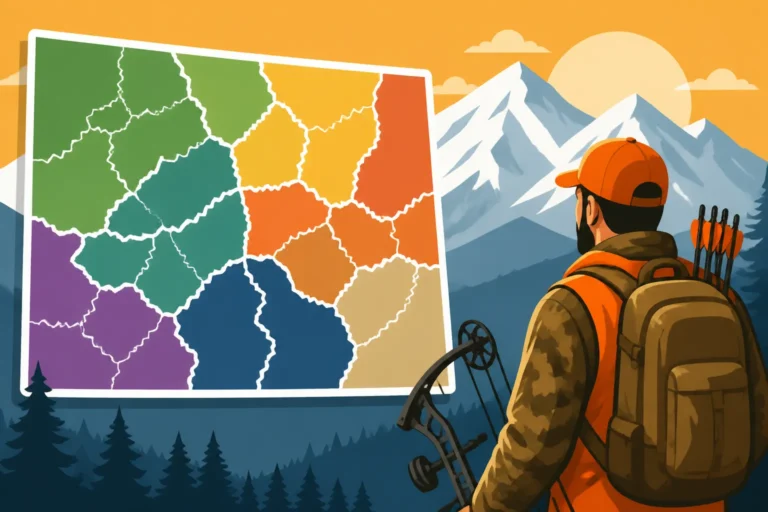
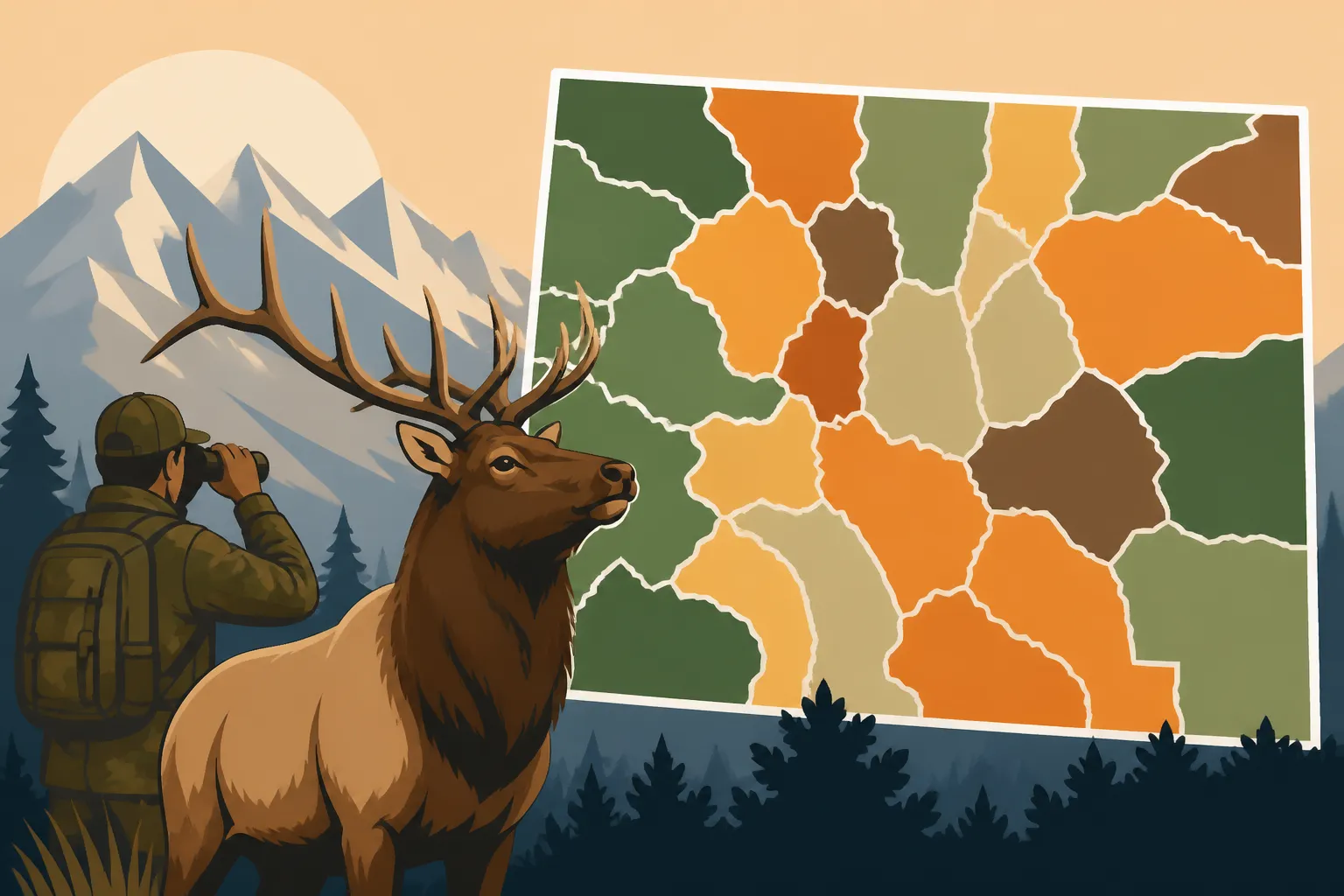
The CPW also offers interactive mapping tools, such as the Colorado Hunting Atlas Explained, which overlays land ownership, GMU boundaries, roads, and other crucial geographical features. This allows you to visually inspect units, see public/private ratios, and identify potential access challenges or opportunities. Learning how to read and interpret all this CPW data effectively is a skill in itself, but it's one that every serious Colorado hunter must develop.
Leveraging Digital Mapping and Scouting Tools
In the modern hunting world, digital mapping applications are no longer a luxury; they are a necessity. onX Hunt stands out as an indispensable tool for e-scouting and in-field navigation. With onX, you can:
- Clearly see public vs. private land boundaries, crucial for respecting property lines and finding access.
- Identify roads, trails, and even obscure two-tracks that might lead to remote public land.
- Analyze topographical features like elevation changes, saddles, benches, and drainages using detailed topo maps.
- Scrutinize satellite imagery to identify different habitat types, timber density, water sources, and potential feeding/bedding areas.
- Create waypoints, measure distances, and save maps offline for areas without cell service.
Another incredibly powerful tool, especially for those who want to dive deep into data analytics, is GoHunt's Insider membership. While onX is primarily a mapping and navigation tool, GoHunt's Insider service excels at helping you choose which units to hunt. It compiles CPW data, offers unit-specific information, draw odds, and filtering options that allow you to sort units by success rates, public land percentages, elk populations, and other key metrics. This kind of advanced data analysis can save you countless hours of sifting through raw CPW reports and helps you quickly identify units that match your specific hunting goals and preferences. Combining the unit analysis of GoHunt with the detailed mapping capabilities of onX Hunt creates a comprehensive e-scouting powerhouse. Learning how to E-Scout Before a Colorado Hunt is a skill that will dramatically improve your chances, regardless of whether you choose an OTC or draw unit.
Learning from Experienced Hunters and Online Communities
While official data and mapping tools are vital, there's also immense value in learning from the collective experience of other hunters. Online hunting forums, social media groups dedicated to Colorado hunting, and YouTube channels can provide anecdotal evidence, tips, and insights that complement official data. You might hear about specific access challenges in a unit, a particular area where elk tend to hold up under pressure, or general advice on tactics that have worked in certain types of terrain.
However, a word of caution: always take online information with a grain of salt. Not all advice is good advice, and some hunters might intentionally mislead to reduce competition in their favorite spots. Cross-reference any information you find with official CPW data and your own e-scouting efforts. Networking with other hunters in a respectful way can be incredibly beneficial. Attending local hunting seminars, talking to knowledgeable individuals at sporting goods stores, or simply being open to conversation with other hunters you meet in the field can yield valuable insights. Just remember to give more than you take, and always respect the privacy of specific hunting spots.
General Strategies for Hunting OTC Units
Hunting Colorado's OTC units successfully isn't just about picking the right GMU; it's about executing a well-thought-out plan in the field. These units often demand more grit, adaptability, and patience than prime draw units.
Pre-Season Scouting and Preparation
Your hunt doesn't begin when you step out of the truck; it starts months, sometimes even a year, in advance with diligent scouting. In OTC units, where elk are pressured and wary, this preparation is even more critical. Year-round e-scouting using tools like onX Hunt and GoHunt is your most powerful weapon. Pour over maps, identify potential bedding areas, feeding grounds, water sources, and travel corridors. Look for terrain features that might offer elk sanctuary from pressure, such as steep slopes, dense timber pockets, or remote basins. Pay attention to north-facing slopes, which tend to hold snow longer and offer cooler bedding during early seasons, and south-facing slopes, which warm up faster and offer forage during colder, later seasons.
If at all possible, conduct physical scouting trips. Even a summer hike into your chosen unit can reveal invaluable information: actual trail conditions, water availability, sign of elk activity, and the true steepness of that "easy" ridge on the topo map. During these trips, focus on understanding the land's nuances that digital tools can't fully convey. Consider how elk will react to pressure once hunters arrive and identify escape routes they might take. For those planning an extended stay, learning how to plan a Colorado backpack hunt or set up a spike camp can allow you to get deeper into roadless country and away from the crowds, often leading to better encounters.
Adaptability and Persistence in the Field
The reality of OTC hunting is that your initial plan might fall apart quickly. You might arrive at your chosen spot only to find half a dozen other trucks already there, or the elk might have moved due to early season pressure. This is where adaptability becomes your greatest asset. Be willing to audible, move to a secondary or tertiary spot, or even relocate to an entirely different part of the unit if necessary. Don't be afraid to change your tactics based on elk behavior, weather, and hunter pressure.
Persistence is non-negotiable. Elk hunting in OTC units is often a grind. You might hike miles without seeing a single animal, but a single day of hard hunting can turn into a lifetime memory. When the hunting gets tough, remember that most other hunters are probably giving up or staying close to their vehicles. This is your cue to push harder, climb higher, or descend into that thick canyon everyone else is avoiding. Pay attention to the wind, using thermals as they rise in the morning and fall in the evening to your advantage, ensuring your scent doesn't betray you. Knowing how to use the wind hunting Colorado elk is a fundamental skill that can make or break your approach. Focus on finding those unpressured pockets of elk; they are there, but they demand effort and cunning to locate.
Ethical Hunting and Public Land Etiquette
As hunters, we are stewards of the land and wildlife. Upholding ethical hunting practices and demonstrating proper public land etiquette is paramount, especially in heavily used OTC units. Always know and respect public and private land boundaries, using your mapping app to avoid trespassing. Be considerate of other hunters; avoid setting up too close to another camp or interfering with someone else's hunt. Understand that everyone is out there for their own experience, and courtesy goes a long way.
Adhere strictly to all CPW regulations, including season dates, bag limits, and legal methods of take. Beyond the law, practice Leave No Trace principles: pack out everything you pack in, minimize your impact on the environment, and leave the land better than you found it. If you're fortunate enough to harvest an elk, ensure you know how to quarter an elk in the field efficiently and handle the meat properly to prevent spoilage, especially if you have a long pack out ahead. Remember that our actions reflect on the entire hunting community, and responsible behavior ensures that these valuable OTC opportunities remain available for future generations.
Common Misconceptions and Realistic Expectations
The dream of a trophy bull on an OTC tag is powerful, but it's crucial to ground those aspirations in realism. OTC hunting in Colorado is challenging, and going into it with the wrong expectations can lead to frustration and disappointment.
The "Easy Elk" Myth
Let's dispel this notion right now: there's no such thing as an "easy elk," especially not on an OTC tag in Colorado. The term "Over-The-Counter" simply refers to the acquisition of the tag; it has absolutely no bearing on the difficulty of the hunt itself. In fact, due to the increased hunter pressure and the fact that most prime, less-pressured areas are in limited draw units, OTC elk hunting is often harder than hunting in a draw unit.
You won't typically find elk congregating in open meadows waiting for you to walk up to them. Instead, you'll be dealing with highly educated animals that have learned to avoid humans. They'll be living in the thickest timber, on the steepest slopes, and moving predominantly during the low light hours or at night. Success requires immense effort, physical stamina, mental toughness, and a good dose of luck. If you come into an OTC hunt expecting an easy harvest, you're setting yourself up for disappointment. The rewards are absolutely there, but they are earned through sweat, grit, and persistence.
Pressure Points and How Elk React
One of the most significant realities of hunting in OTC units is the sheer volume of other hunters. Elk are incredibly smart, adaptable animals, and they learn quickly. Once hunting season opens, especially in the rifle seasons, elk will rapidly change their behavior to escape pressure. They'll move into denser cover, often relocating to north-facing slopes with dark timber that offers both security and thermal regulation. They'll shift their feeding patterns, becoming more nocturnal and only venturing into open areas under the cover of darkness. They will also seek out areas with minimal human disturbance, which often means pushing into designated wilderness areas, moving across private land boundaries, or utilizing the steepest, most rugged terrain that most hunters shy away from.
Understanding how to hunt elk on public land pressure is crucial. Don't expect to find elk where they were during summer scouting. They will have moved. Your strategy needs to account for this innate evasion behavior. Focus your efforts on those overlooked pockets, the areas that look too difficult or too remote on a map. These are the "pressure points" where elk will retreat to. Learning to anticipate these movements and place yourself strategically along escape routes or in security zones is a key part of OTC success.
Patience and Persistence as Your Greatest Assets
More than any fancy gear or secret spot, patience and persistence will be your most valuable assets on an OTC elk hunt. You might have days where you hike for hours, cover challenging terrain, and see no sign of elk. It's easy to get discouraged, question your choices, and want to pack it in. This is precisely when you need to dig deep and keep pushing. Many successful OTC hunts come down to simply outlasting other hunters and being in the right place at the right time, which often happens because you were the only one left in that "right place."
Celebrate the small victories: finding fresh sign, hearing a distant bugle, or simply enjoying the breathtaking Colorado wilderness. Understand that many, if not most, OTC elk hunts don't end with a harvested animal. The experience, the challenge, the lessons learned, and the time spent in the mountains are often the true trophies. If you maintain a positive attitude, learn from every day afield, and don't give up, your chances of punching that coveted tag will dramatically increase over time. Remember, one successful elk hunt can take years of effort and many unsuccessful attempts, but each one contributes to your knowledge and skill.
| Feature | OTC Archery Elk Seasons | OTC Rifle Elk Seasons (2nd & 3rd) |
|---|---|---|
| Season Timing | Late August – Late September (often during the rut) | Late October – Early November (post-rut, weather-driven) |
| Primary Tactics | Calling, spot-and-stalk, ambush near water/wallows | Still-hunting, tracking, ambushing travel corridors, glassing |
| Hunter Pressure | Generally lower than rifle, but increasing | Highest hunter numbers of all seasons |
| Elk Behavior | Vocal, active during the rut, susceptible to calls | Wary, nocturnal, seeking dense cover due to pressure |
| Physical Demands | High (steep terrain, long hikes, silent movement) | High (steep terrain, often colder weather, snow) |
| Gear Considerations | Scent control, bugle tubes/cow calls, rangefinder, quiet clothing | Binoculars, spotting scope, rangefinder, warm layering system, shooting sticks |
| Success Rate | Often low, requires specialized skill and patience | Modest, requires persistence and ability to find unpressured elk |
| Tag Availability | Either-sex in most units | Either-sex in specific units |
Disclaimer
Hunting in Colorado involves inherent risks, including but not limited to adverse weather, challenging terrain, wildlife encounters, and high altitudes. The information provided in this guide is for informational purposes only and does not constitute professional advice. Always consult the official Colorado Parks and Wildlife (CPW) regulations for the most up-to-date information regarding seasons, licenses, and specific unit rules. Hunter safety courses are mandatory for certain hunters, and all participants are responsible for understanding and adhering to all applicable laws and regulations. Ensure you have the necessary skills, physical fitness, and equipment for your chosen hunt.